

By Anu Acharya
Most people I know have now become ‘temporary’ molecular biologists, epidemiologists, and medical professionals. My aim here is to help that category and others get to know a little more than they did prior to the pandemic. Let’s take a look at how drugs for COVID are likely to work.
Approaches to COVID Drug Development
If we had to make a drug that will stop COVID, we could do one of the following:
Convalescent plasma — using the blood from survivors, a technique first used to treat Diphtheria patients in the 1800s
Repurpose old drugs — including antivirals and post-infection drugs
Make a new drug — targeting one of the 29 proteins of the SARS-CoV-2 virus, or targeting our own immune system
Traditional medicine and supplements
Antivirals: The Shoor Virs
Antivirals are hard to make, as sequences of viruses that have taken over the human cell and human sequences are difficult to distinguish. Most antivirals end with “vir” — Favipiravir, Remdesivir, Lopinavir. Remdesivir stops the copying/replication part by focusing on the protein that does the copying. Boceprevir is a protease inhibitor that stops the replication process. Antivirals are best used early during infection, before the immune system goes into hyperdrive.
Immunosuppressants and Cytokine Storm
Drugs like tocilizumab, anakinra, and ruxolitinib — used for patients with rheumatoid arthritis and bone marrow disorders — are being tested to manage the cytokine storm that worsens COVID-19 outcomes. The key cytokine target is IL-6, which is why drugs like tocilizumab and sarilumab (monoclonal antibodies, hence the “mab” suffix) have received significant attention.
Hydroxychloroquine and Chloroquine
In use since 1955 as antimalarial drugs, these have immunomodulatory and antiviral properties — cutting off a replication step that requires a specific pH. Some studies combined hydroxychloroquine with azithromycin. Your genetic profile (CYP2D6, G6PD status) significantly influences your response and risk of adverse effects from these drugs.
Vaccine Types Being Explored
Vaccines work by training our immune system to recognise and fight the virus. Types being explored for COVID include live attenuated vaccine, inactivated virus, replicating and non-replicating viral vectors, DNA, RNA (mRNA), peptide-based, virus-like particle, and recombinant protein vaccines.
Read the full COVID Series of Blogs →
Your Genes Influence How You Respond to Drugs
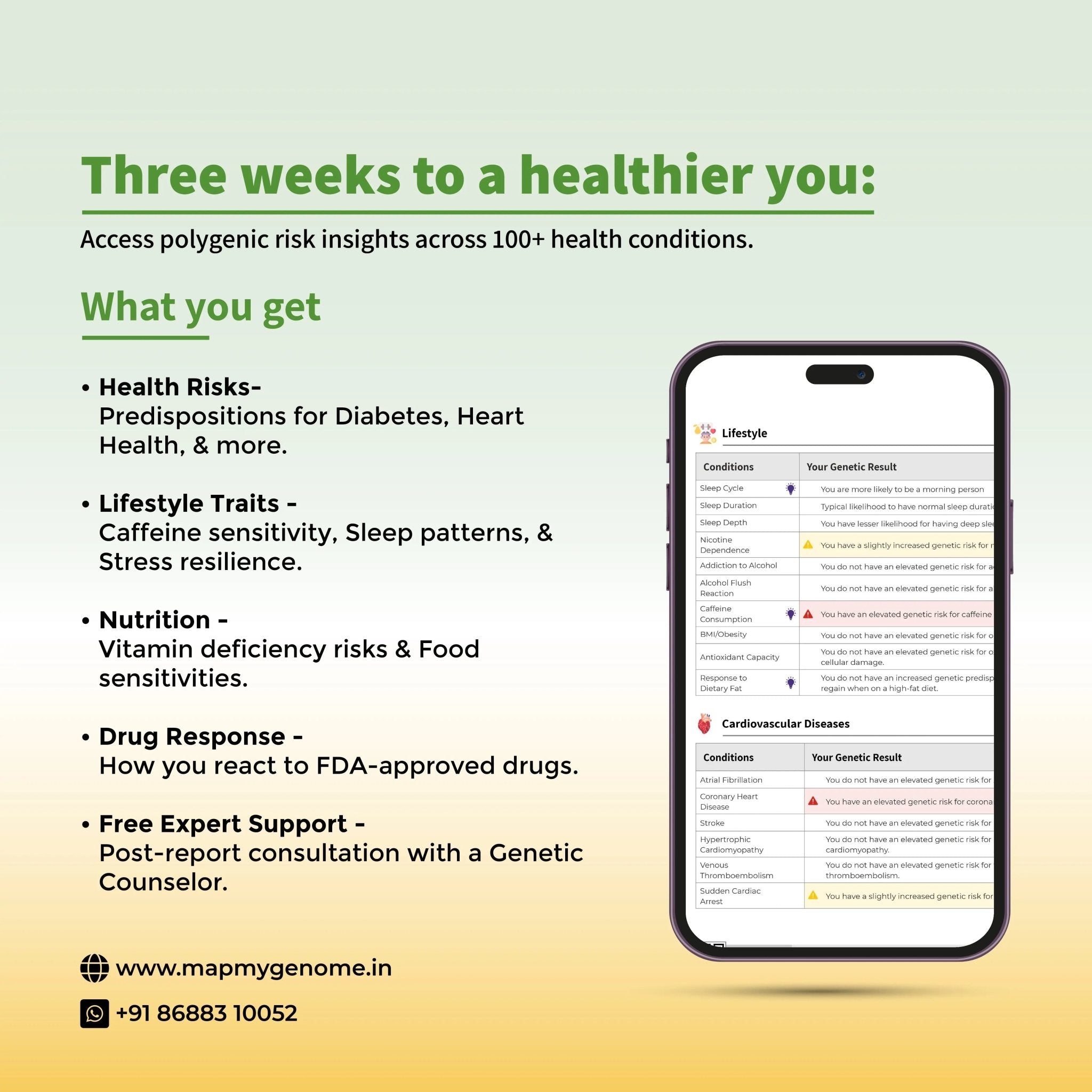
MedicaMap by MapmyGenome analyses your pharmacogenomic profile — including CYP2D6, G6PD, and other drug metabolism genes — helping your doctor select the right medication at the right dose and avoid preventable adverse reactions.