

Diabetes and Lifestyle
Doctors and medical professionals universally agree that a majority of their diabetes patients are not, or have not been, physically active. Type 2 Diabetes is often called a “lifestyle disorder” — and chronic conditions usually develop due to a lack of physical activity over the years. Epigenetic intervention can help significantly in re-programming metabolism, insulin function, and hormonal regulation. Aerobic exercise and an active schedule can greatly alleviate symptoms.
Diabetes & Lifestyle — Dos and Don’ts
Do Not:
Forget your medication
Underplay symptoms — if your prescription drug is not working, or you face new symptoms, see your doctor immediately
Look for instant fixes — ignore all the “magic” pills and drinks that claim to give instant results for curing diabetes
Embrace all artificial sweeteners — sucrose, levulose, fructose, etc., are all sugar molecules
Skip meals — this can cause dangerous blood sugar fluctuations
Ignore foot care — diabetes affects circulation and nerve function in the feet
Do:
Exercise regularly — at least 30 minutes of moderate aerobic activity most days
Monitor your blood glucose levels as recommended by your doctor
Eat a balanced, low-GI diet rich in fibre, lean protein, and healthy fats
Stay hydrated — drink plenty of water throughout the day
Get regular health checkups — eyes, kidneys, feet, and heart all need monitoring
Manage stress — chronic stress raises cortisol and blood sugar levels
Know your genetic risk — some people are genetically predisposed to insulin resistance and type 2 diabetes, and benefit from earlier, more targeted lifestyle intervention
Know Your Genetic Diabetes Risk
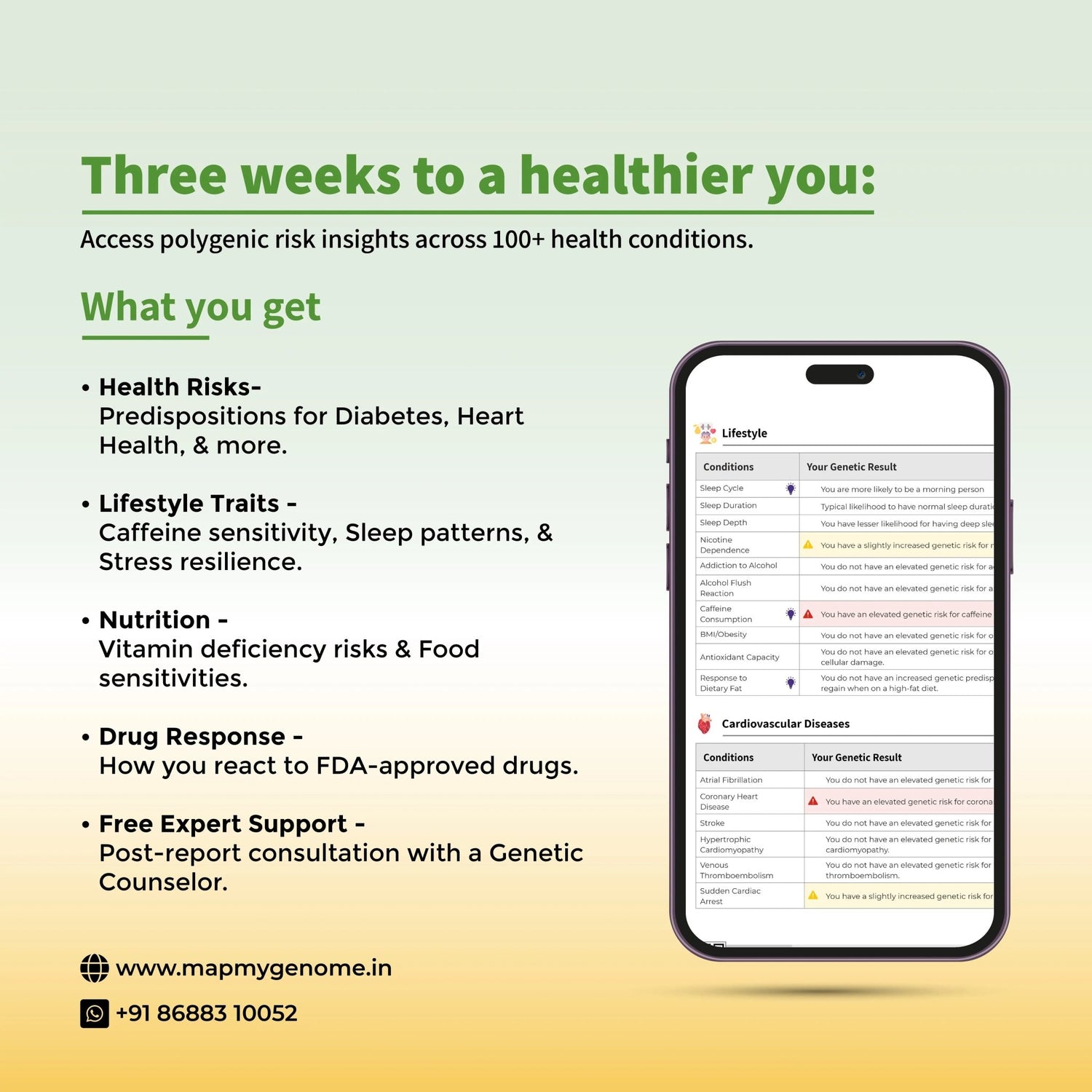
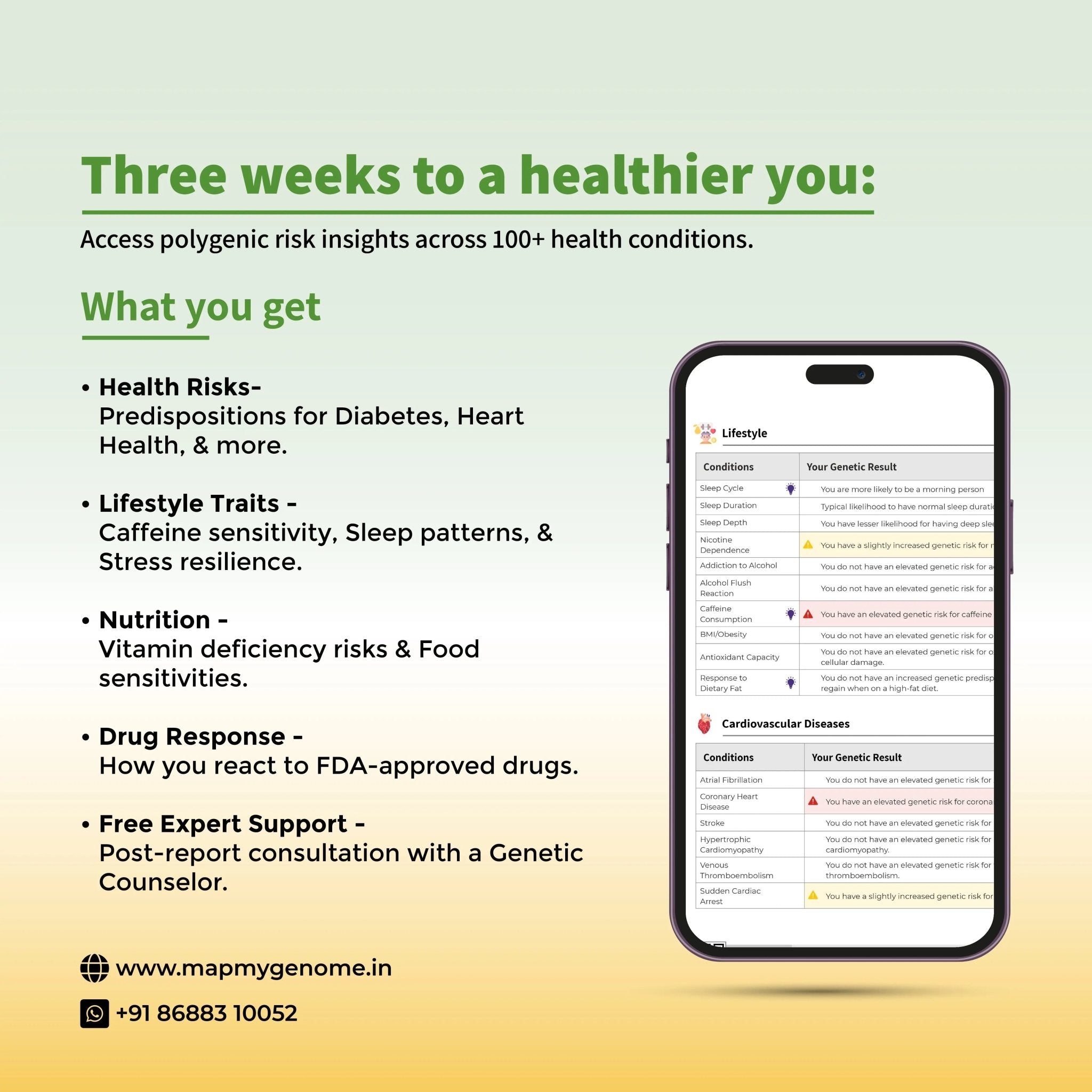
Genomepatri by MapmyGenome reveals your metabolic genetic profile — including predisposition to type 2 diabetes, insulin sensitivity, and how your body processes carbohydrates and fats — helping you and your doctor build a truly personalised diabetes management plan.