

Epigenetics: What Is the Hype About?
Epigenetics has been generating a lot of buzz — and for good reason. But many articles on the topic leave the average reader more confused than enlightened. Before you mix it up with eugenics (a very different thing!), let’s break down what epigenetics actually means and why it matters.
What Is Epigenetics?
The story begins in the 1940s, when Conrad Waddington — a British scientist who spent his early childhood in India — first coined the term “epigenetic.” The word literally means “above genetics” or “in addition to changes in the genetic sequence.”
Today, epigenetics refers to any process that can alter gene activity without changing the underlying DNA sequence — leading to functional modifications that are often passed on to daughter cells. In other words: your DNA stays the same, but how it’s read and expressed can change.
A useful analogy: think of your DNA as an instruction manual, and epigenetic markers as highlighters that indicate which sections are most important — and which should be ignored.
How Does It Work?
The most commonly identified epigenetic processes include:
DNA methylation — small methyl groups attach near “C” bases in the DNA sequence, causing proteins to cluster around these regions and inactivate the genes there
Histone modification — markers on histones (the proteins DNA wraps around) can signal that certain genes are highly relevant and should be activated
Phosphorylation, acetylation, sumoylation, and ubiquitylation — other chemical modifications that regulate gene expression
Importantly, these epigenetic markers are reversible — though they can occasionally be inherited by the next generation.
Why Does It Matter?
Epigenetic processes are natural and essential for normal biological function. But when they go wrong, the consequences for human health can be significant — contributing to cancer, autoimmune disorders, neurological conditions, and more. Lifestyle factors including diet, exercise, stress, sleep, and environmental exposures can all influence your epigenome — meaning your daily choices have a direct impact on how your genes are expressed.
Your Genes Are Just the Beginning
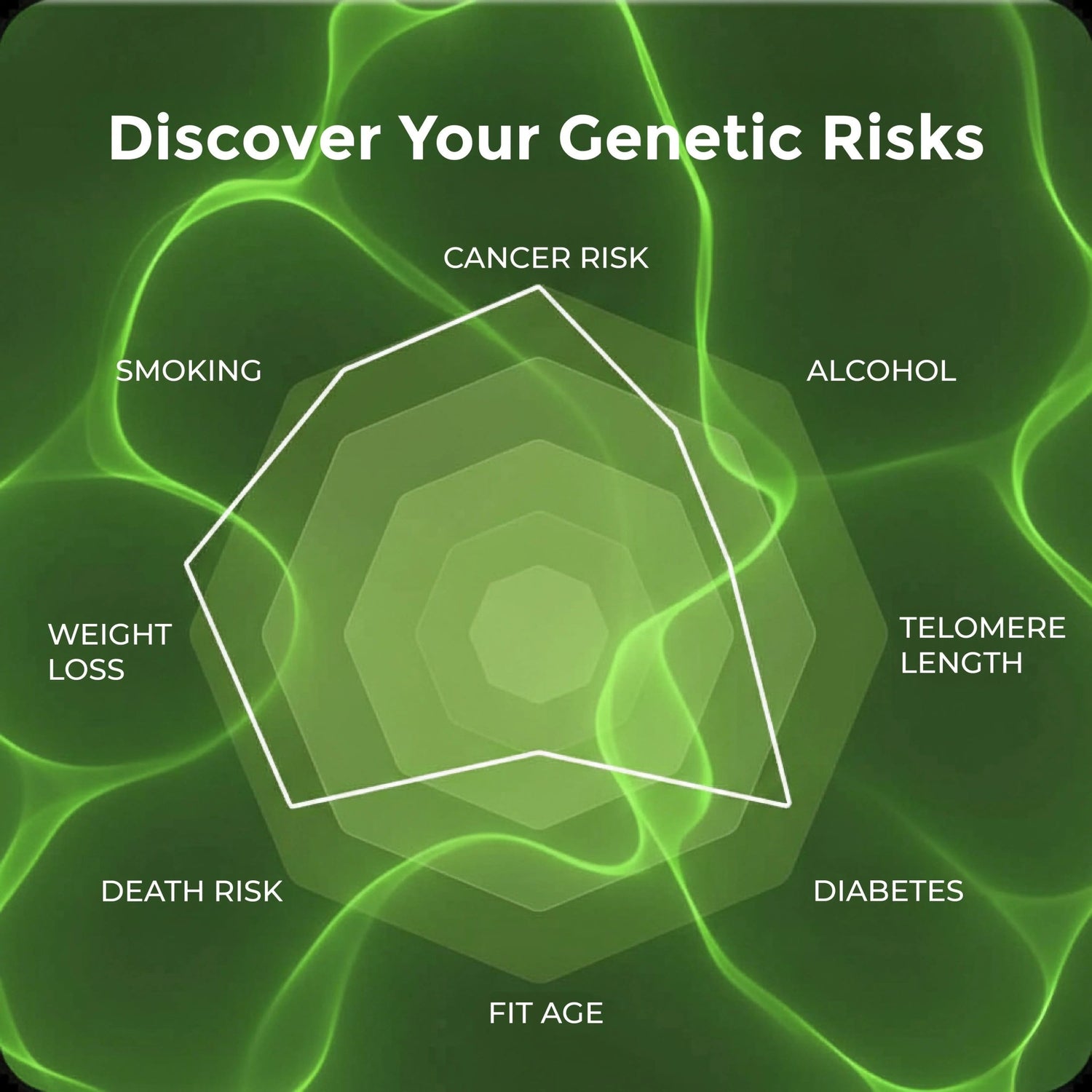
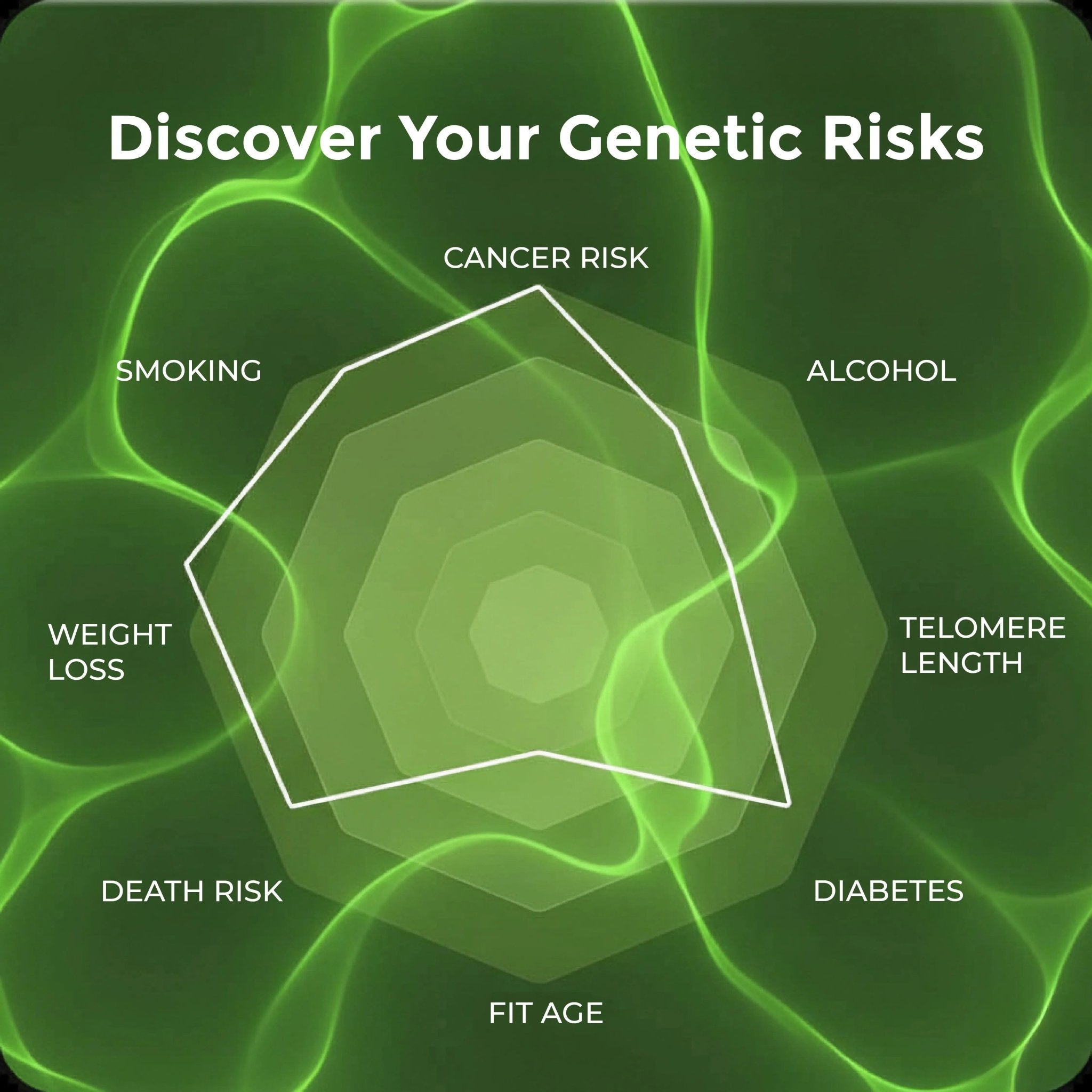
Genomepatri by MapmyGenome reveals your genetic predispositions across 100+ health conditions — and our certified genetic counsellors help you understand how lifestyle and environment interact with your DNA to shape your health outcomes.