

Fat Metabolism: Are Genes the Culprit?
Why do some people seem to eat whatever they want and stay slim, while others gain weight despite careful dieting? The answer lies, in large part, in your genes. Fat metabolism — how your body processes, stores, and burns dietary fat — is significantly influenced by your genetic makeup.
Key Genes That Influence Fat Metabolism
FTO (Fat Mass and Obesity gene) — the most well-studied obesity gene. High-risk variants are associated with increased appetite, higher BMI, and greater difficulty losing weight. Approximately 1 in 6 people carry two copies of the high-risk variant
PPARG (Peroxisome Proliferator-Activated Receptor Gamma) — regulates fat cell development, fat storage, and insulin sensitivity. Variants influence how efficiently the body stores dietary fat and responds to low-fat diets
FADS1/FADS2 (Fatty Acid Desaturase genes) — determine how efficiently the body converts short-chain PUFAs to their longer-chain, biologically active forms (EPA, DHA)
APOE (Apolipoprotein E) — influences how dietary fats are transported in the blood. APOE e4 carriers show a stronger LDL-raising response to saturated fat
LPL (Lipoprotein Lipase) — the key enzyme responsible for breaking down triglycerides in the blood. Variants affect triglyceride levels and cardiovascular risk
What This Means for Your Diet
Understanding your genetic fat metabolism profile allows you to make smarter dietary choices — choosing the right types and amounts of fat for your unique biology, rather than following generic dietary guidelines that may not work for you. For example, APOE e4 carriers may benefit more from reducing saturated fat intake, while people with low-activity FADS variants may need marine omega-3 sources rather than plant-based ones.
Know Your Genetic Fat Metabolism Profile
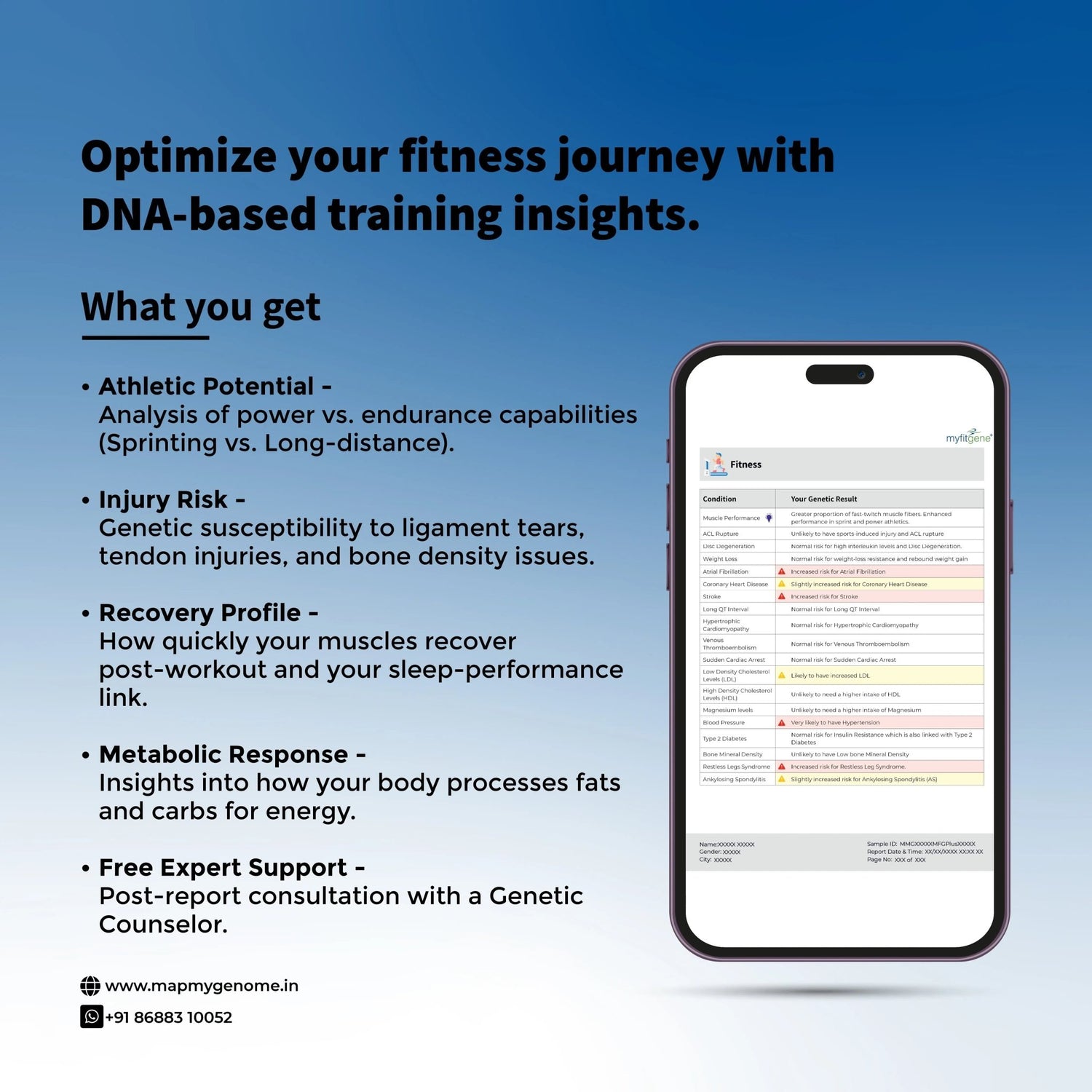
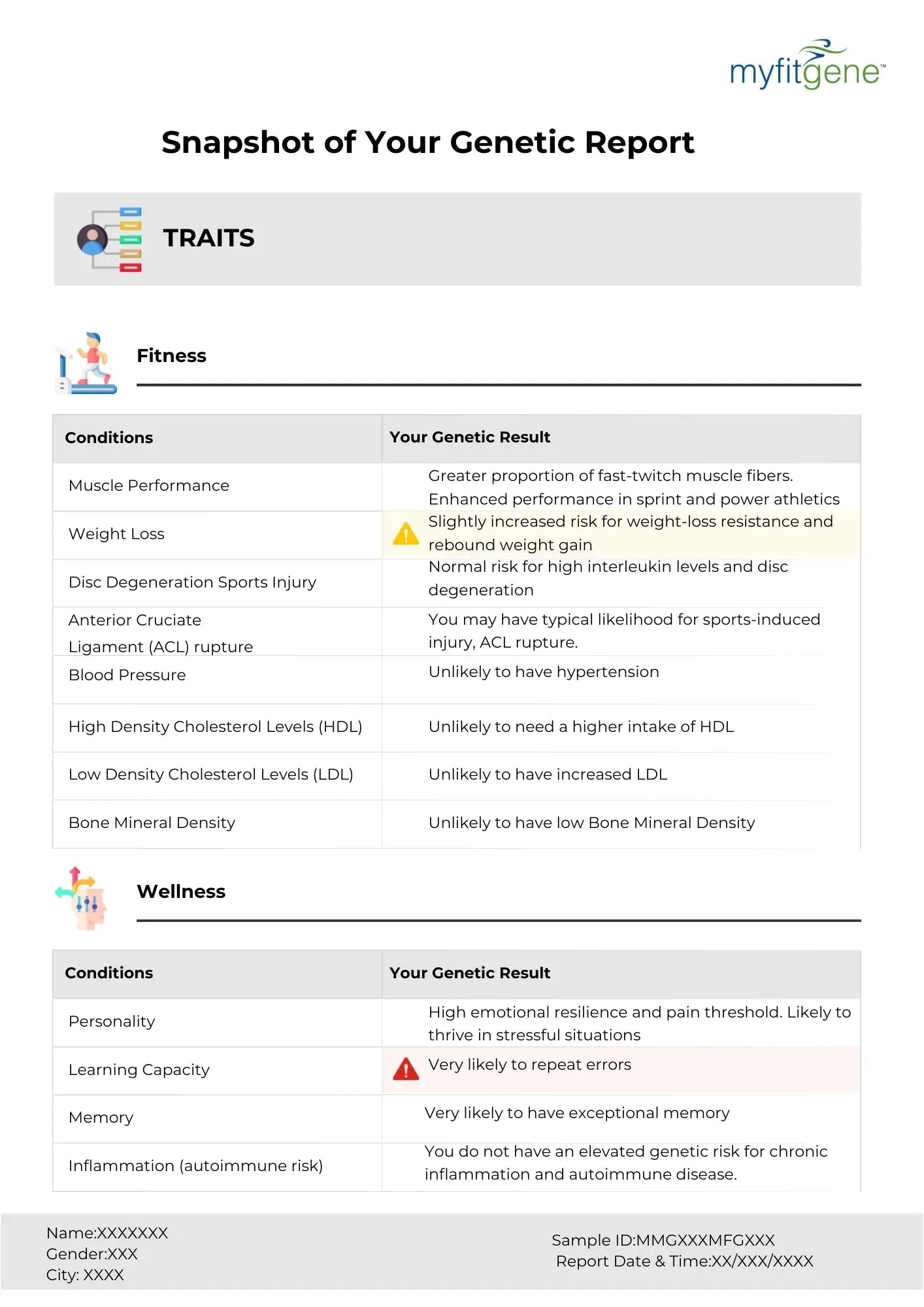
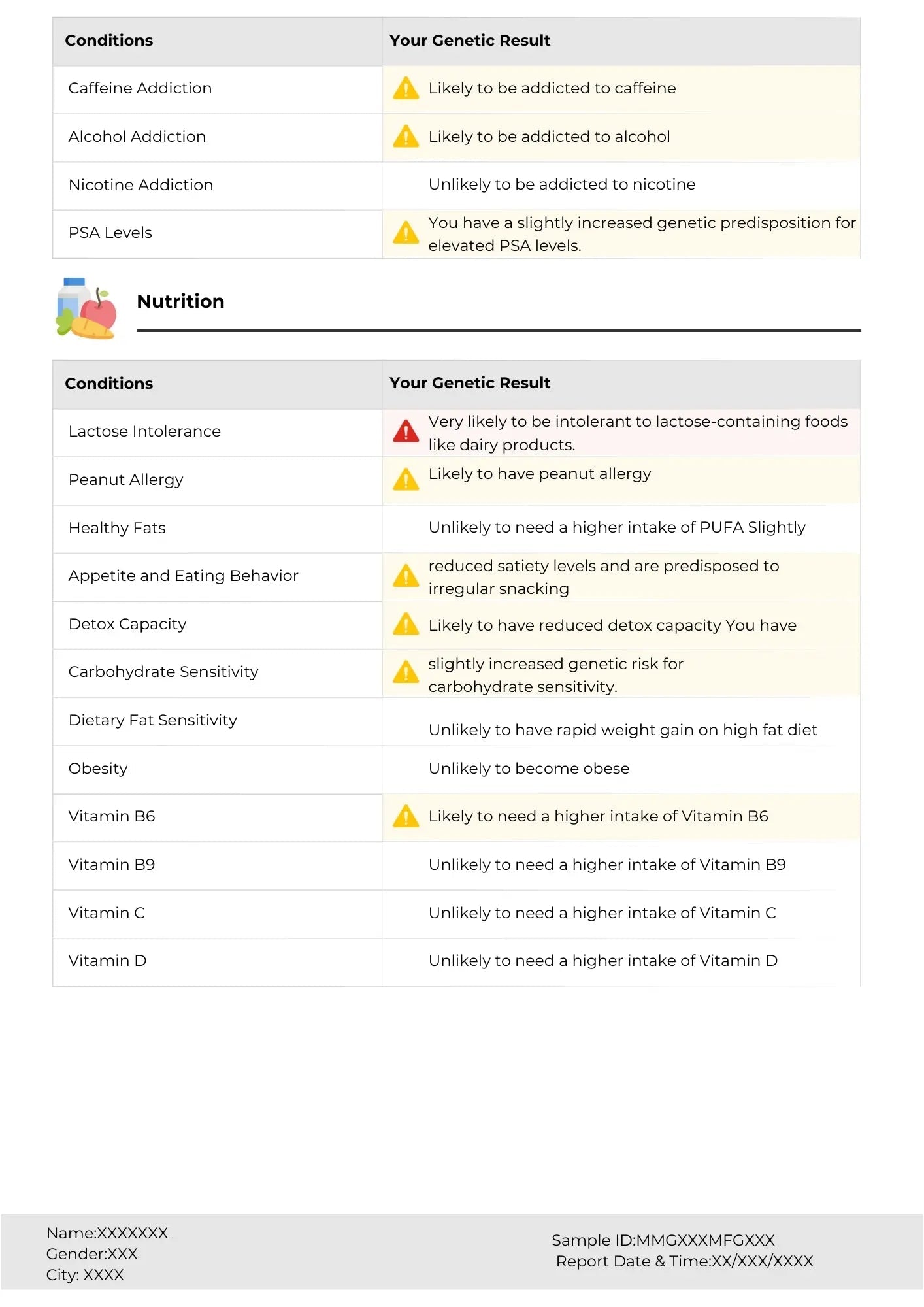
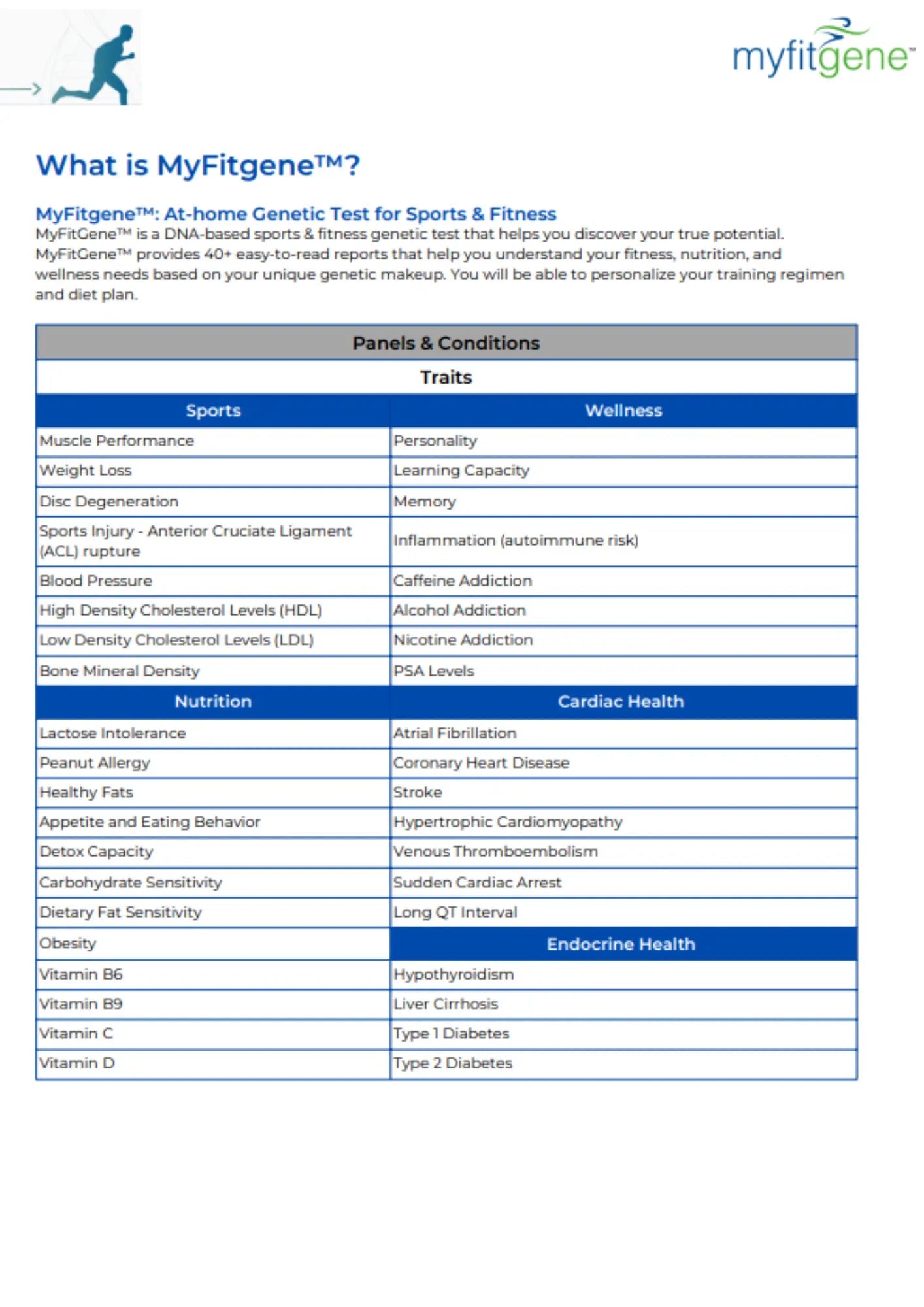
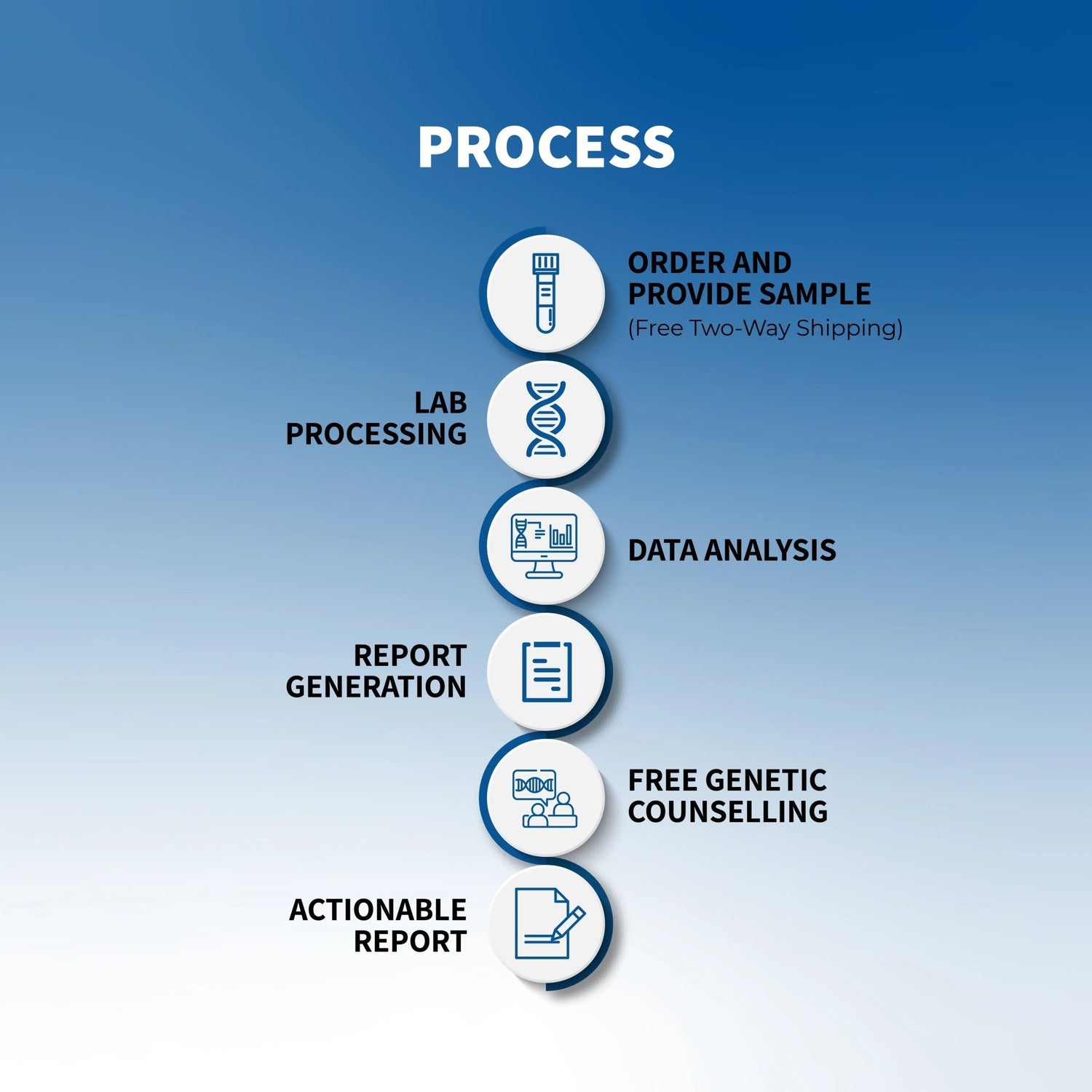
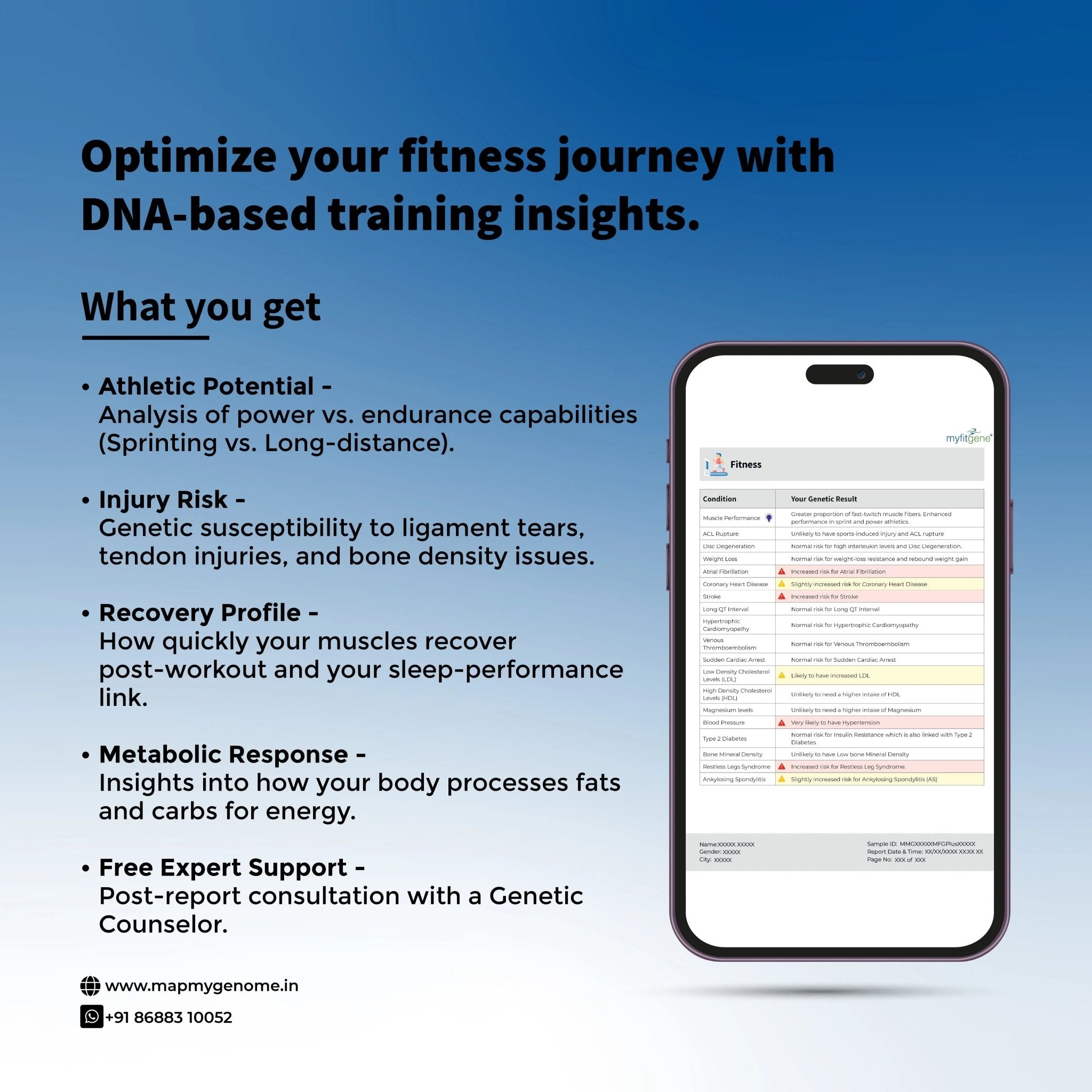
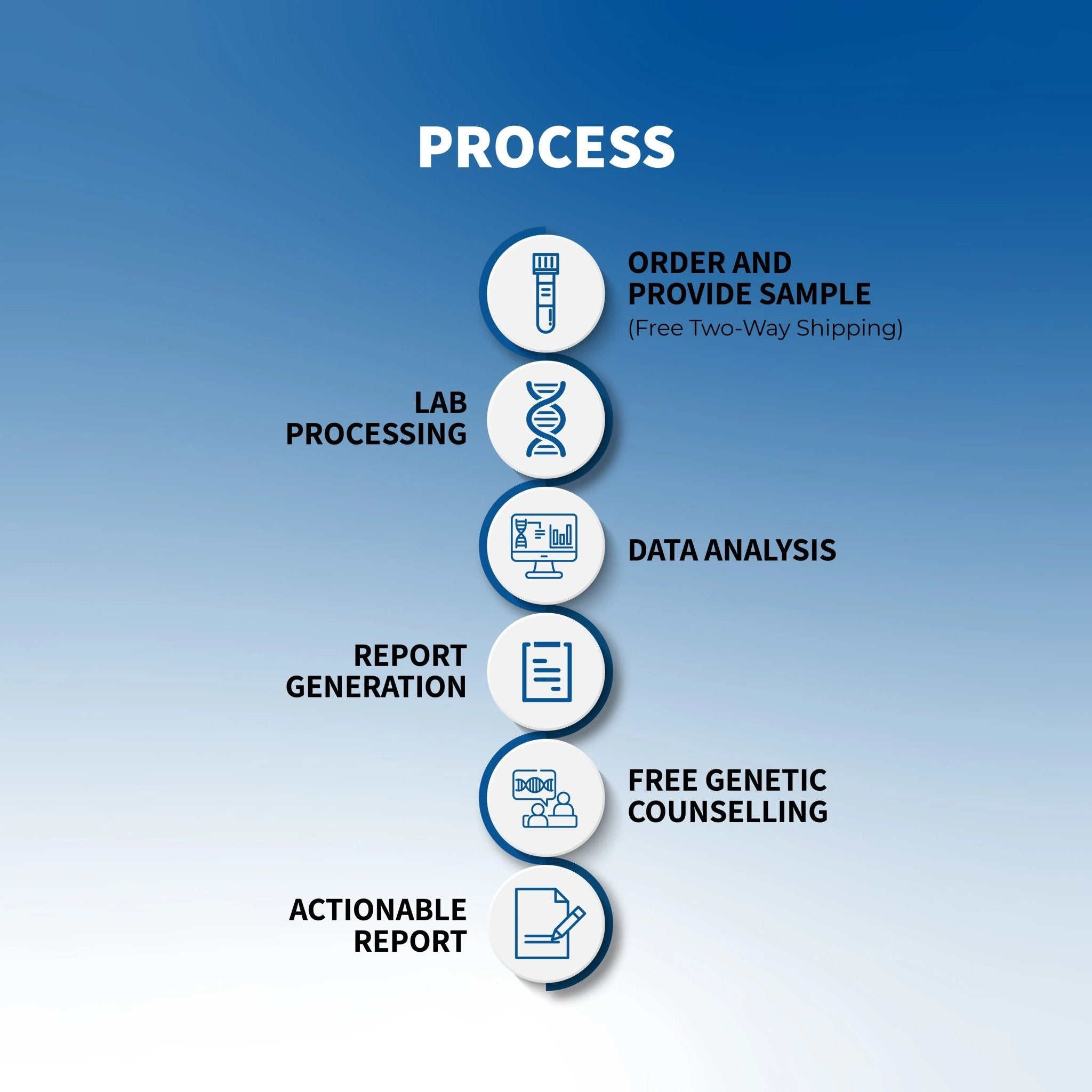
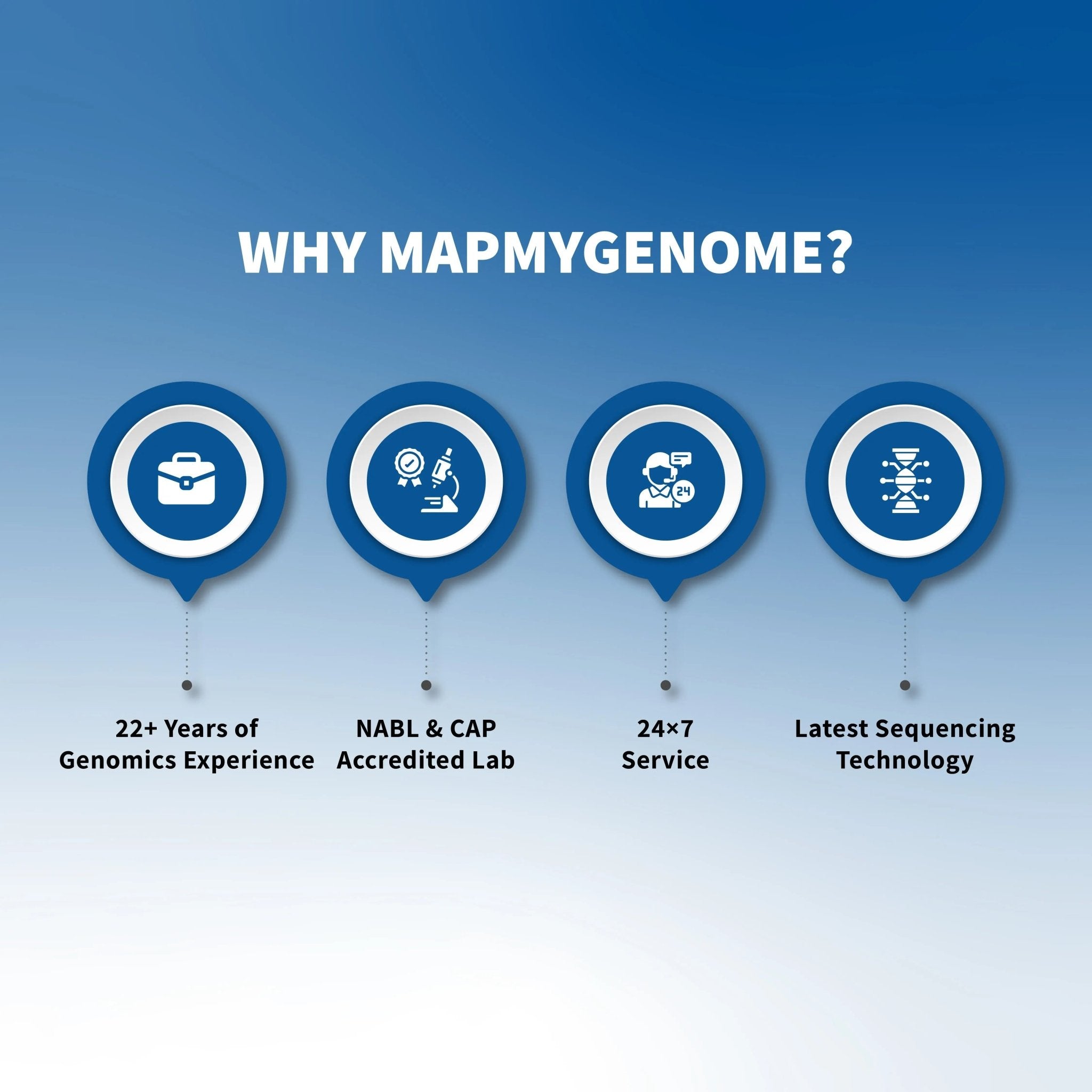
Genomepatri by MapmyGenome covers fat metabolism, obesity risk, cholesterol response, and 100+ other health and nutrition traits — with certified genetic counselling to help you build a personalised diet plan that works with your biology.