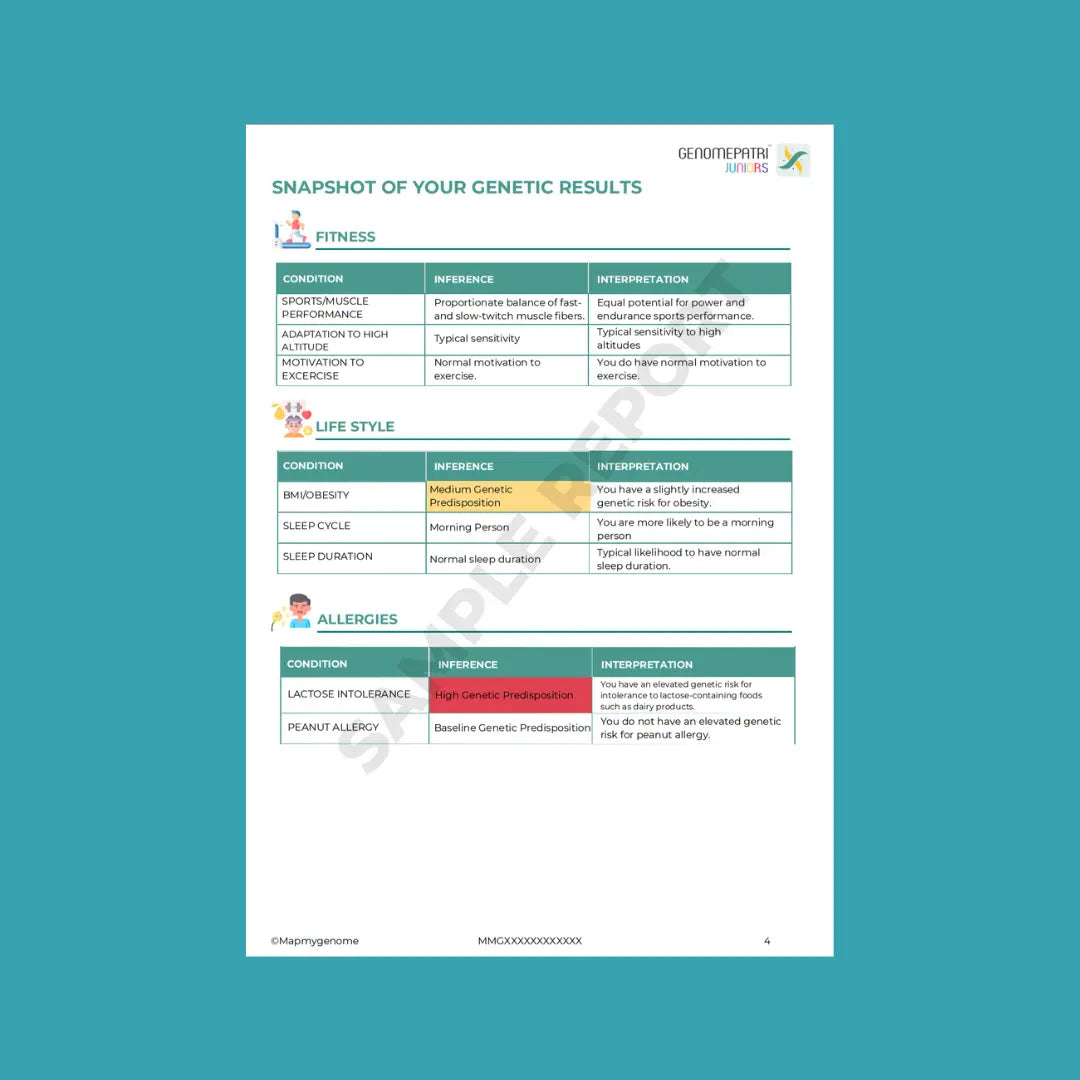


Genetic testing in children can be a powerful tool for early detection of inherited disorders, developmental conditions, and disease predispositions — enabling timely intervention that can significantly improve outcomes and quality of life.
Why Consider Genetic Testing for Children?
Children may benefit from genetic testing in several situations:
- Unexplained developmental delays or intellectual disabilities
- Physical abnormalities or birth defects that suggest a chromosomal or genetic cause
- Family history of a known genetic disorder
- Recurrent infections or immune deficiencies that may have a genetic basis
- Metabolic disorders detected through newborn screening that require confirmation
Types of Genetic Tests Used in Children
- Chromosomal Microarray Analysis (CMA): Detects chromosomal deletions and duplications associated with developmental delays, autism spectrum disorder, and intellectual disabilities.
- Whole Exome Sequencing (WES): Analyses protein-coding genes to identify mutations causing rare or undiagnosed conditions.
- Single-Gene Testing: Used when a specific genetic condition is suspected based on clinical symptoms.
- Carrier Testing: Identifies whether a child carries a gene mutation for a recessive disorder that could affect their own children in the future.
- Newborn Screening: Performed shortly after birth to detect metabolic and genetic conditions that can be treated early.
Benefits of Early Genetic Testing in Children
- Earlier diagnosis means earlier access to therapies, educational support, and medical management.
- Avoids diagnostic odyssey — the years-long journey many families face before receiving a correct diagnosis.
- Informs family planning for parents who may be carriers of the same genetic condition.
- Guides personalised treatment based on the specific genetic cause of the condition.
Ethical Considerations
Genetic testing in children raises important ethical questions, particularly around testing for adult-onset conditions. It is generally recommended to test children only for conditions where early intervention provides a clear benefit. Genetic counselling is essential to help families understand the implications of testing and results.
Conclusion
Genetic testing can be life-changing for children with unexplained health conditions. Early diagnosis through genetic testing opens the door to targeted therapies, appropriate educational support, and better long-term outcomes.
Get Answers for Your Child’s Health
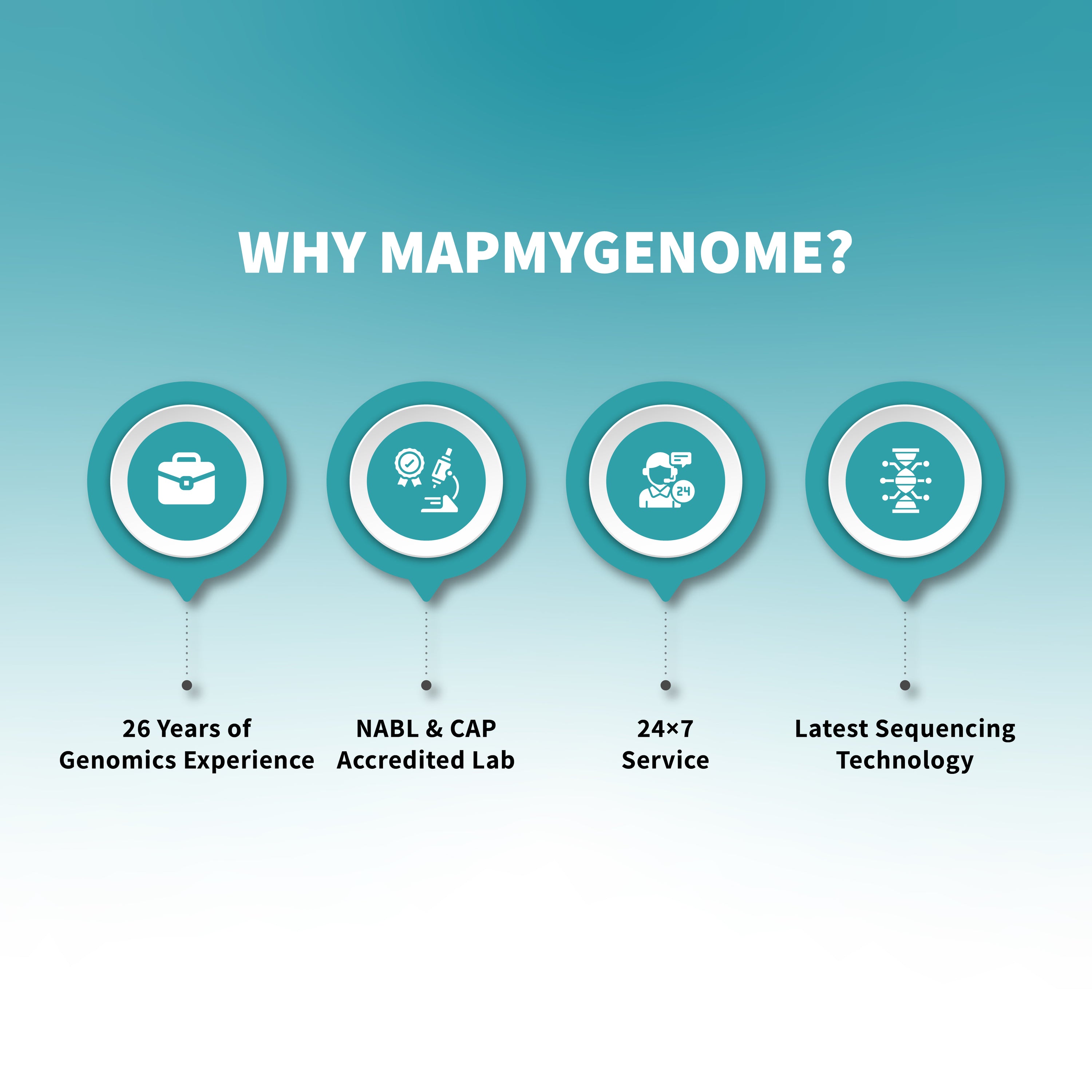
MapmyGenome’s Whole Exome Sequencing and genetic counselling services help families diagnose rare and complex genetic conditions in children — with NABL & CAP accredited lab analysis and expert guidance.