

Heart disease is the leading cause of death globally — and India bears a disproportionately high burden, with Indians developing cardiovascular disease a decade earlier than Western populations and at lower BMI thresholds. While lifestyle factors like diet, exercise, and smoking play a significant role, genetics is a critical and often underappreciated contributor to heart disease risk.
Genetic testing for heart disease is changing how we identify, prevent, and manage cardiovascular conditions — enabling earlier intervention before symptoms ever appear.
What Can Genetic Testing Reveal About Heart Disease Risk?
- Familial Hypercholesterolaemia (FH) — an inherited condition causing severely elevated LDL cholesterol from birth, dramatically increasing the risk of premature heart attack
- Hypertrophic Cardiomyopathy (HCM) — the most common inherited heart muscle disease and a leading cause of sudden cardiac death in young athletes
- Inherited arrhythmia syndromes — including Long QT Syndrome and Brugada Syndrome, which can cause sudden cardiac death in otherwise healthy individuals
- Dilated Cardiomyopathy (DCM) — genetic in approximately 30–35% of cases
- Polygenic cardiovascular risk — your overall inherited risk based on hundreds of common genetic variants
Who Should Consider Genetic Testing for Heart Disease?
1. People with a Strong Family History
If you have a parent, sibling, or child who experienced a heart attack before age 55 (men) or 65 (women), or who has been diagnosed with a hereditary heart condition, genetic testing can determine whether you share the same risk.
2. Individuals with Unexplained High Cholesterol
If your LDL cholesterol is persistently elevated despite a healthy diet and lifestyle, Familial Hypercholesterolaemia may be the cause. FH affects 1 in 250 people and is significantly underdiagnosed in India.
3. Young People with Cardiac Symptoms
Unexplained palpitations, fainting episodes, or shortness of breath in young, otherwise healthy individuals can be signs of an inherited arrhythmia syndrome. Genetic testing can identify the underlying cause and guide treatment.
4. Athletes and Fitness Enthusiasts
Hypertrophic Cardiomyopathy is a leading cause of sudden cardiac death in young athletes. Pre-participation genetic screening can identify at-risk individuals before a catastrophic event occurs.
5. Anyone Who Wants to Know Their Baseline Cardiovascular Risk
Even without a family history or symptoms, polygenic risk scores can identify individuals at elevated cardiovascular risk who would benefit from earlier preventive intervention.
What Happens After a Positive Result?
A positive genetic result doesn't mean heart disease is inevitable — it means your risk is elevated and you can take action. Options include enhanced cardiac surveillance, lipid-lowering therapy, lifestyle modifications, and in some cases, preventive procedures. Genetic counseling is essential to interpret results and build a personalised action plan.
FAQs
Is genetic testing for heart disease available in India?
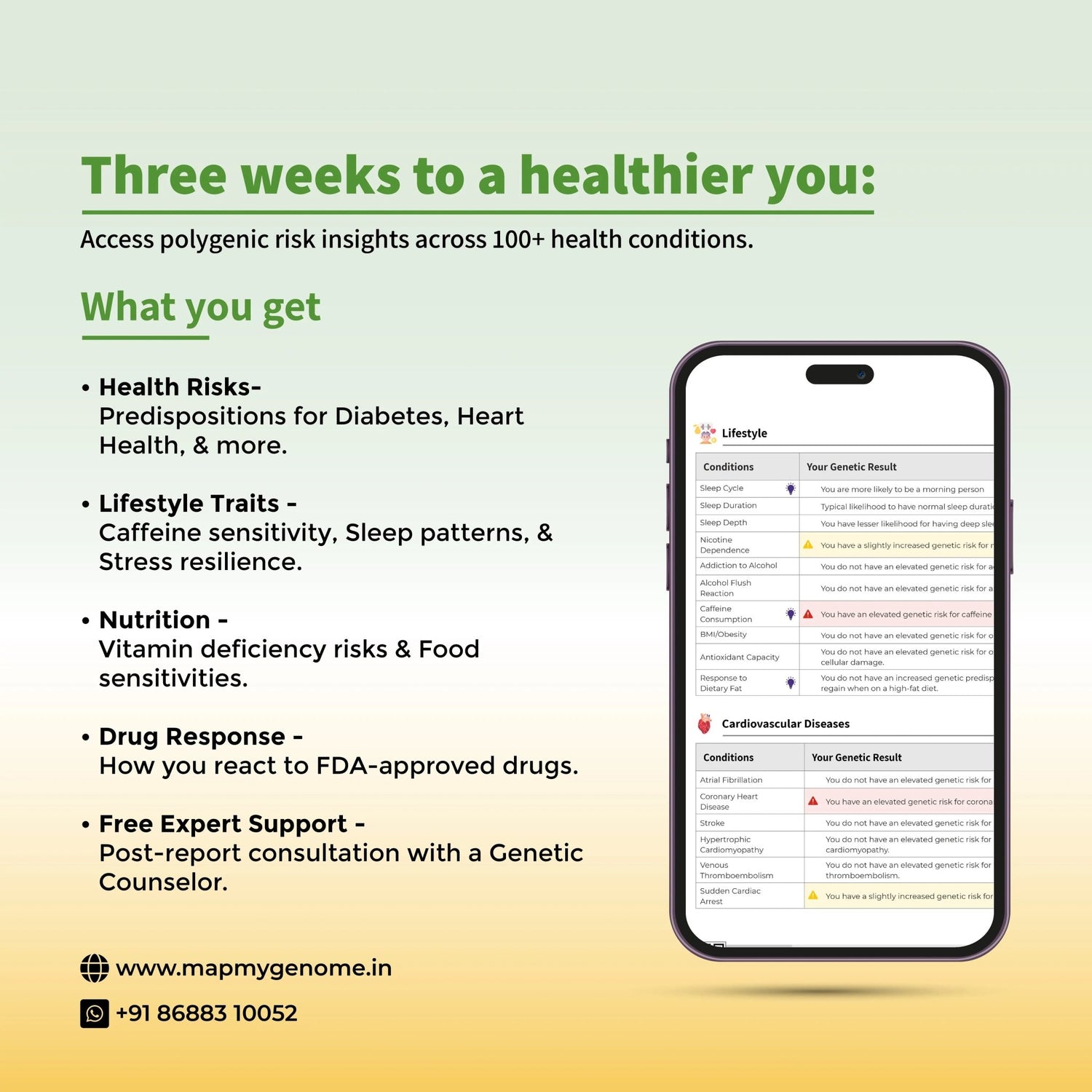
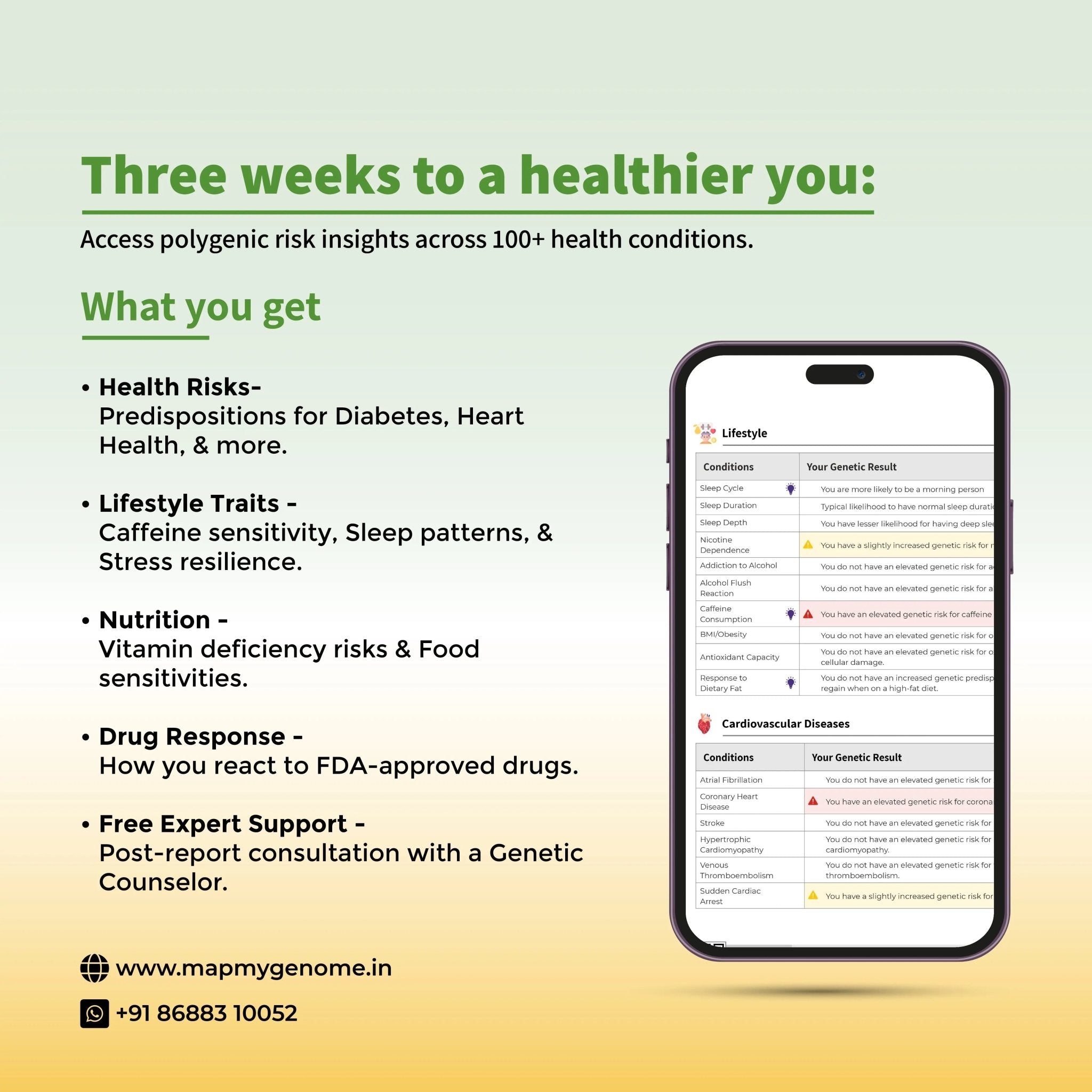
Yes. MapmyGenome's Genomepatri includes genetic risk assessment for cardiovascular conditions including heart attack, hypertension, and lipid disorders.
Can genetic testing replace regular cardiac checkups?
No. Genetic testing complements — it does not replace — regular cardiac screening. Use it alongside standard checkups for the most complete picture of your heart health.
Is the test painful?
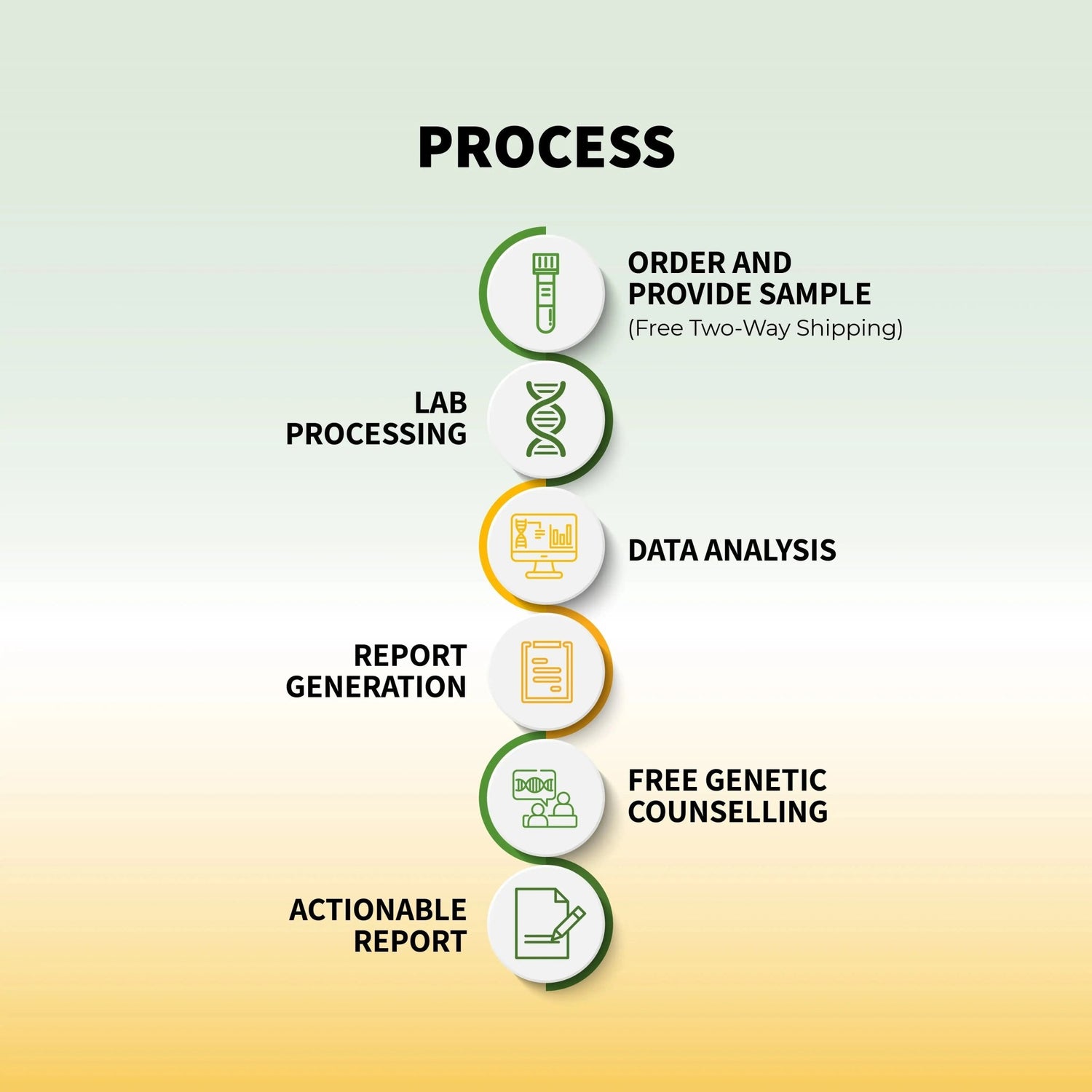
No. Genetic testing requires only a simple saliva or cheek swab sample, collected at home.
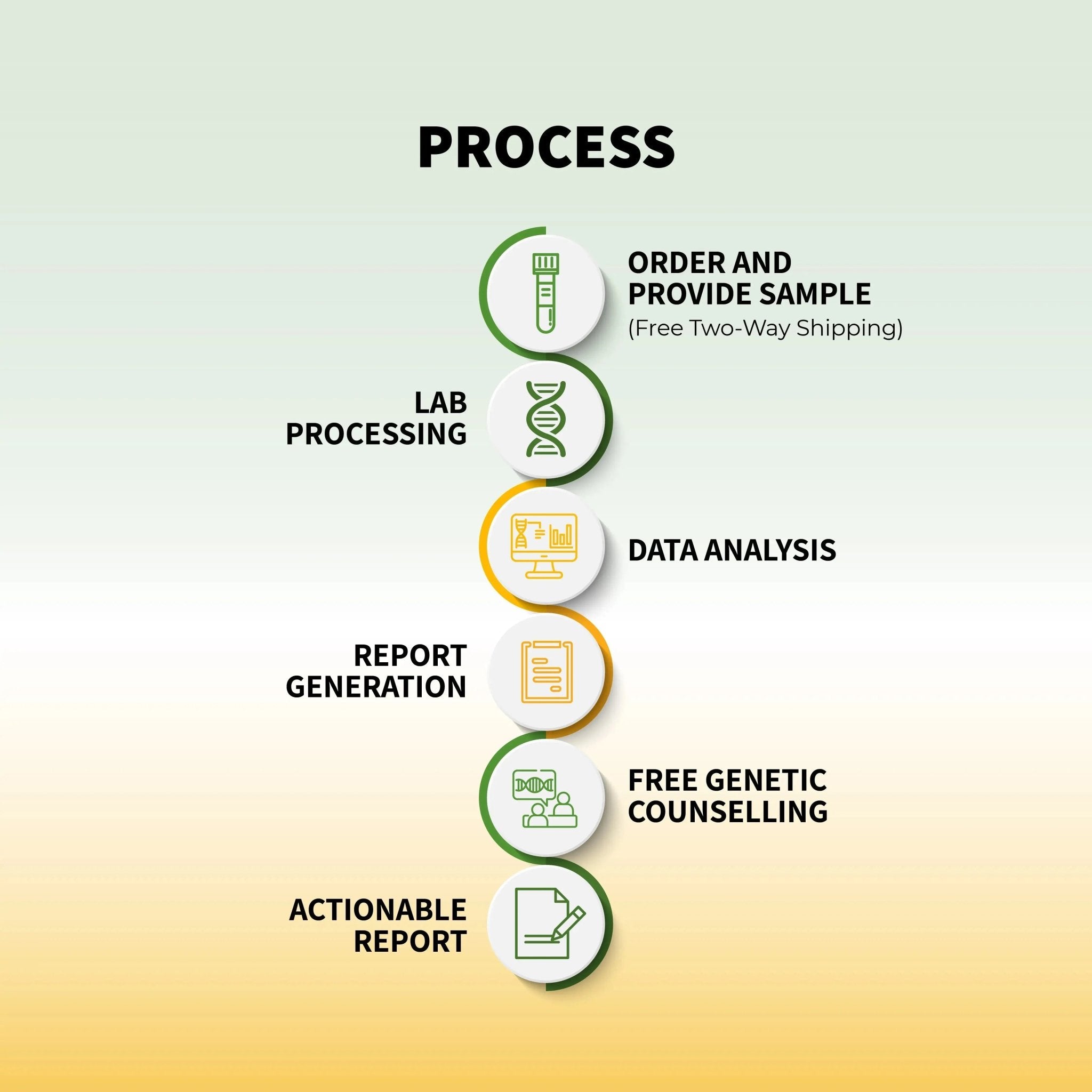
Know Your Genetic Heart Disease Risk — Before Symptoms Appear
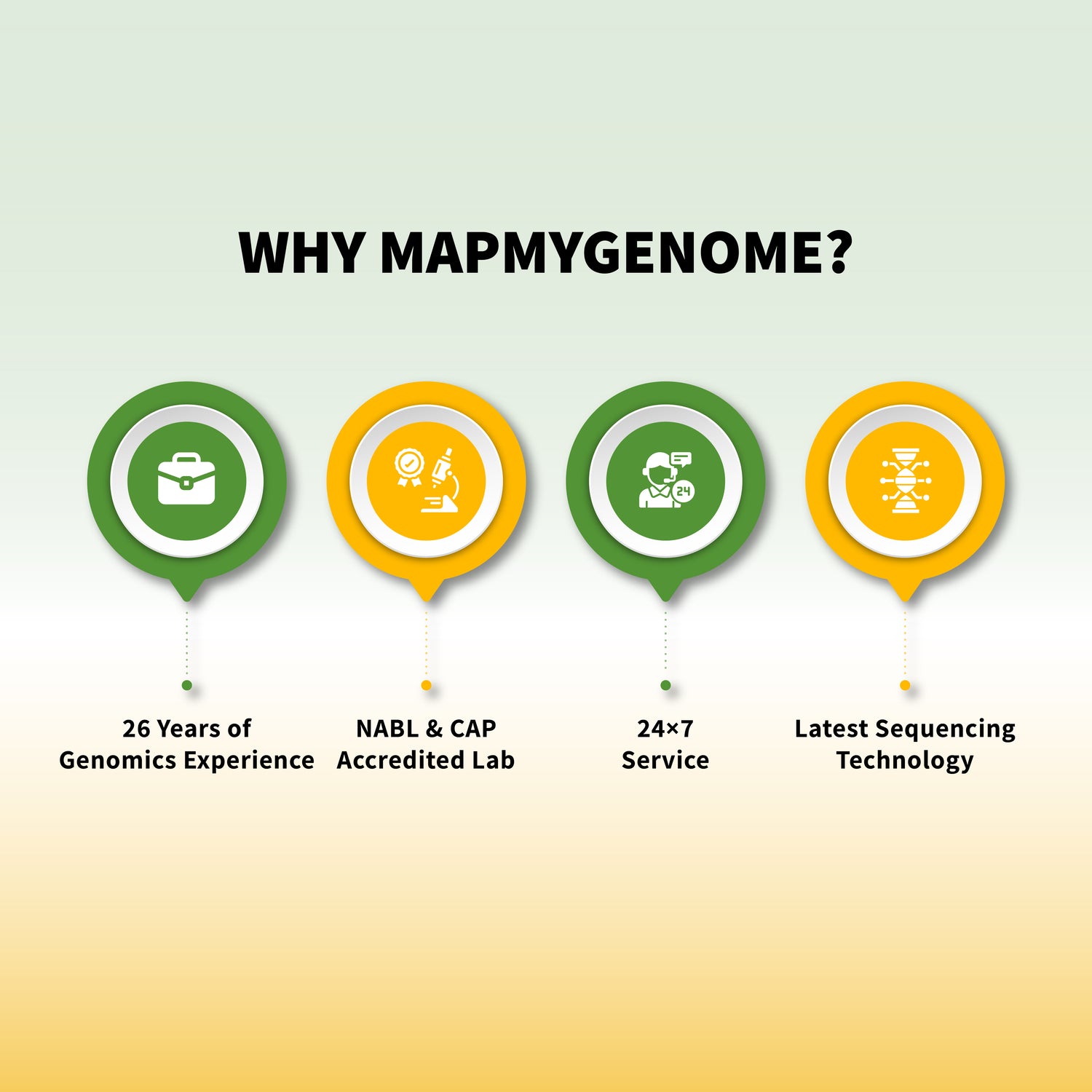
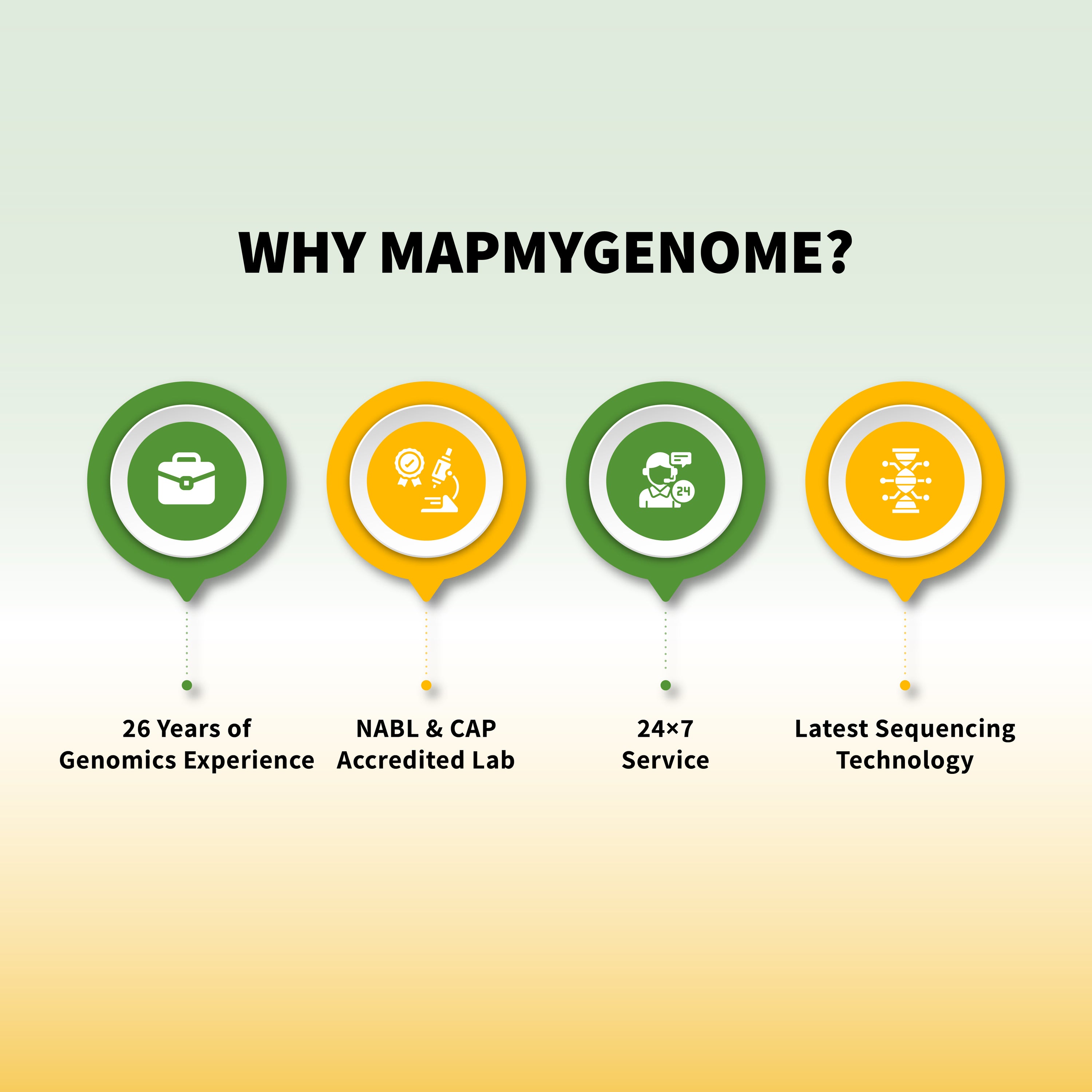
Genomepatri by MapmyGenome includes genetic risk assessment for heart attack, hypertension, familial hypercholesterolaemia, and other cardiovascular conditions — backed by NABL-certified labs and expert genetic counsellors who help you build a personalised prevention plan.