

Genetics and Alzheimer’s Disease: Mind It!
Alzheimer’s disease is the leading cause of dementia worldwide — and its prevalence is rising as life expectancy increases. It is a progressive, irreversible neurodegenerative disorder characterised by gradual memory loss, cognitive decline, and eventually the loss of the ability to carry out daily activities.
What Happens in the Brain?
Brain changes in Alzheimer’s disease begin approximately a decade before symptoms appear. The hallmarks are amyloid plaques (abnormal protein deposits between neurons), tau tangles (twisted fibres inside neurons), and progressive neuronal death leading to brain atrophy. Common symptoms include episodic memory loss, word-finding difficulty, withdrawal, impaired reasoning, wandering, and behaviour changes.
Types of Alzheimer’s Disease
Late-Onset AD (LOAD) — diagnosed after 65; ~95% of all cases; has both genetic and environmental contributors
Early-Onset AD (EOAD) — diagnosed before 65; 1–5% of cases; more likely to have a strong genetic cause
Familial AD — at least two close relatives affected; 15–25% of cases
Autosomal Dominant AD — AD in 3+ individuals across 2+ generations; less than 5% of cases
The Genetics of Alzheimer’s Disease
Causative Genes for Early-Onset AD
APP (Amyloid Precursor Protein) — mutations lead to overproduction of amyloid-beta
PSEN1 (Presenilin 1) — the most common cause of familial early-onset AD
PSEN2 (Presenilin 2) — less common; similar effects to PSEN1
APOE — The Risk Gene for Late-Onset AD
The APOE e4 allele is the strongest known genetic risk factor for late-onset Alzheimer’s disease. One copy of APOE e4 increases AD risk ~3-fold; two copies increase risk ~8–12-fold. However, APOE e4 is neither necessary nor sufficient to cause Alzheimer’s disease — many carriers never develop AD, and many without it do.
Modifiable Risk Factors
Several modifiable factors are associated with increased Alzheimer’s risk: type 2 diabetes, hypertension, cardiovascular disease, traumatic brain injury, physical inactivity, social isolation, poor sleep, and untreated hearing loss. Lifestyle interventions can meaningfully reduce risk even in people with genetic predisposition.
The Role of Genetic Counselling
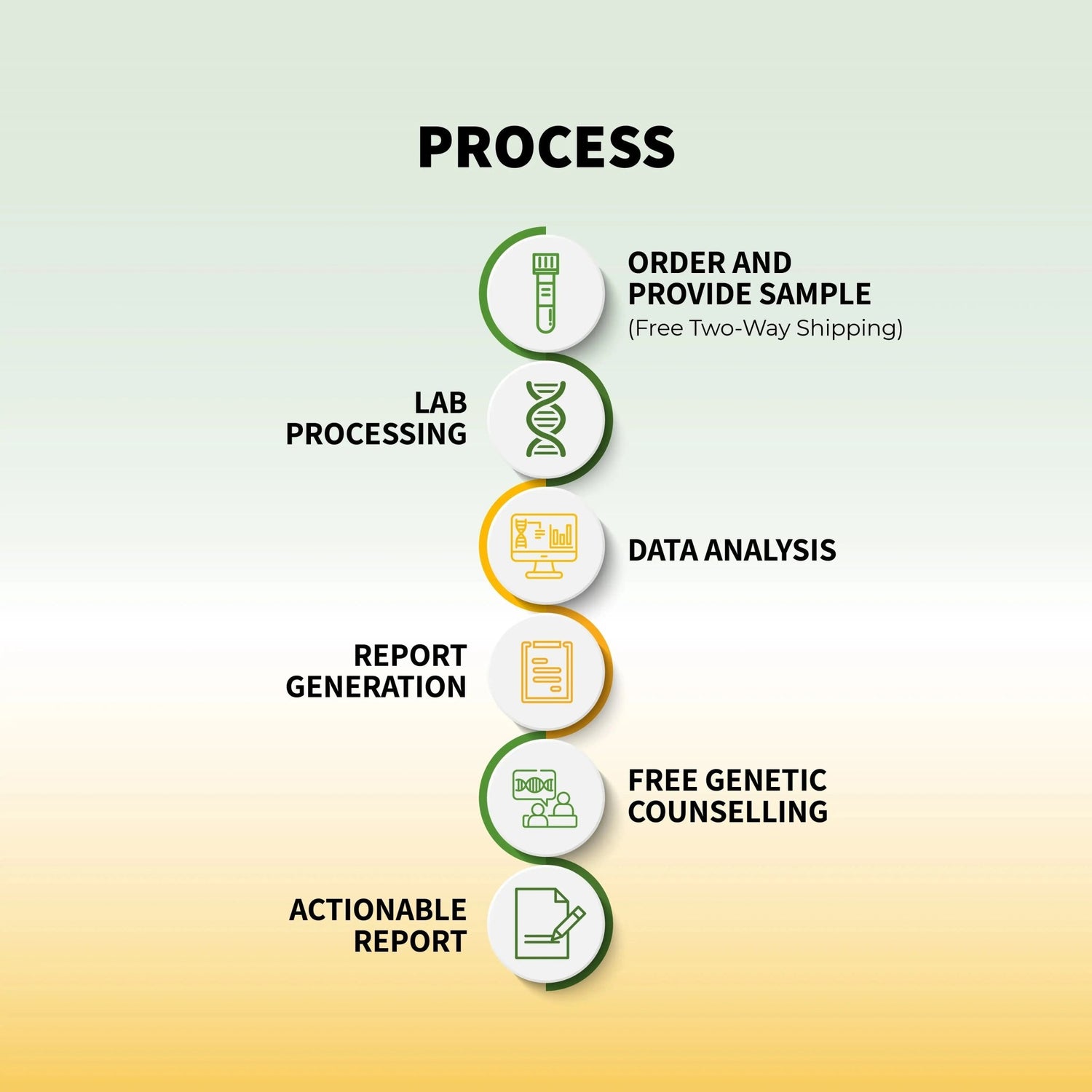
The decision to pursue genetic testing for Alzheimer’s disease is complex and deeply personal. Pre-test and post-test genetic counselling is strongly recommended. A genetic counsellor helps you understand what results do and don’t mean, assess psychological and family implications, and make an informed, autonomous decision about whether to test.
Know Your Neurological Risk Profile
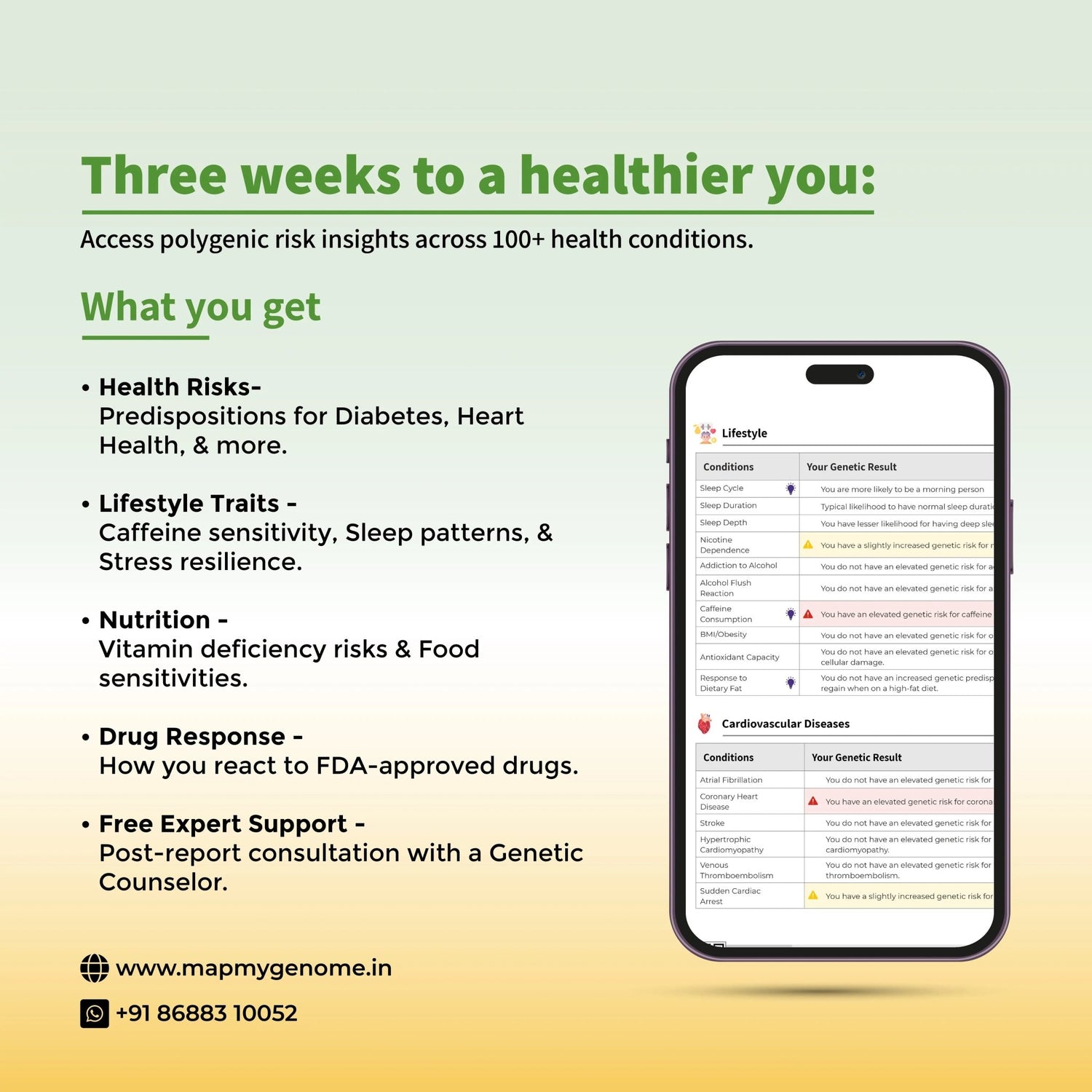
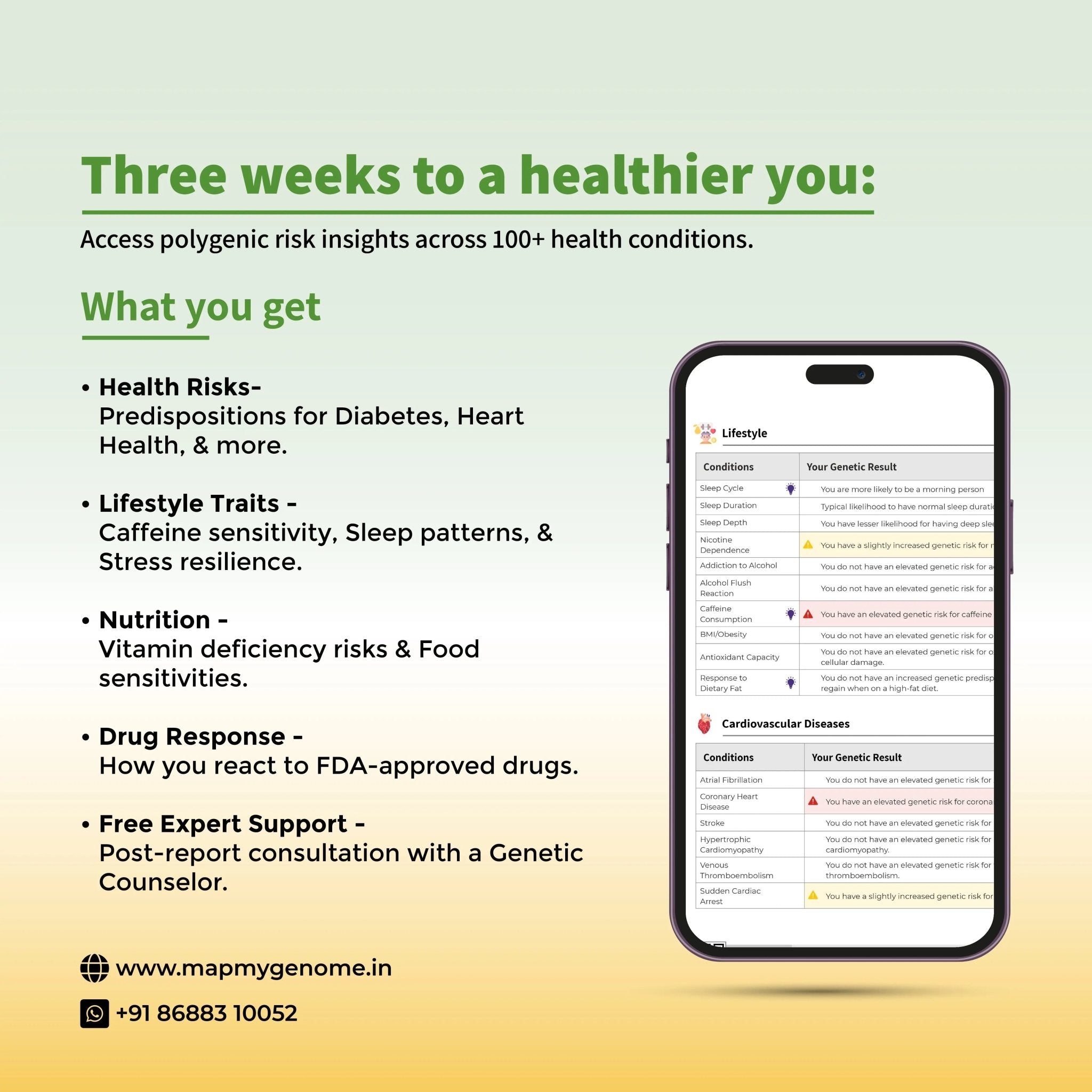
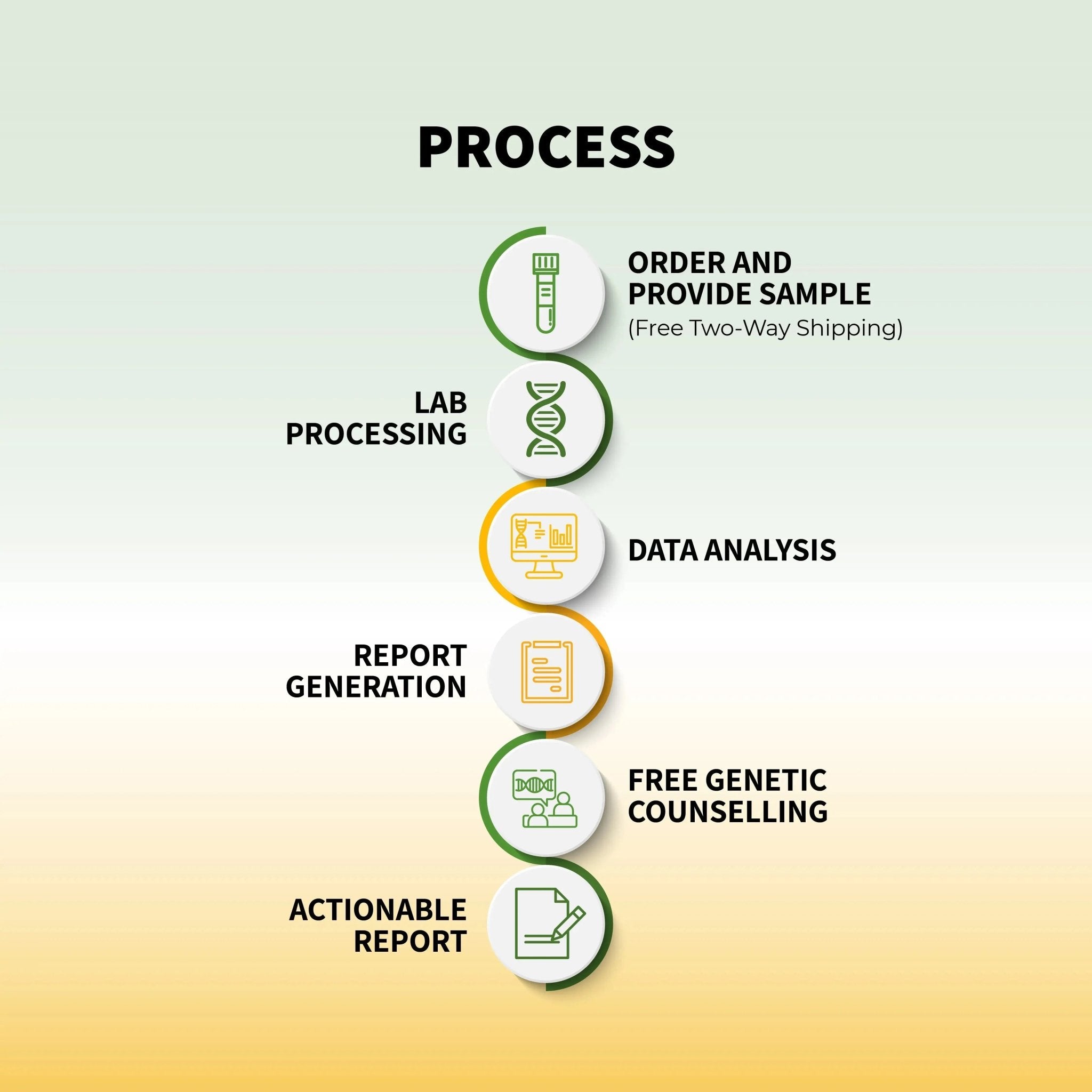
Genomepatri by MapmyGenome includes genetic predisposition insights for Alzheimer’s disease, Parkinson’s disease, and other neurological conditions — alongside 100+ health and wellness traits. Every report includes access to certified genetic counselling.