

Heart failure is a serious condition affecting millions worldwide. Recognizing the early warning signs is crucial for timely intervention — but some symptoms are surprisingly subtle, especially in the morning when you're not yet fully tuned in to your body's signals.
Understanding Heart Failure
Heart failure occurs when the heart cannot pump blood efficiently, leading to insufficient blood flow to meet the body's needs. It can result from coronary artery disease, high blood pressure, or previous heart attacks. Early recognition of symptoms is vital for managing the condition and improving quality of life.
7 Warning Signs You Might Miss in the Morning
- Shortness of Breath: Often occurs during physical activity but can also happen at rest or when lying flat. You might notice it as you get out of bed and start your day.
- Fatigue and Weakness: Feeling unusually tired after routine activities is a common sign. Morning fatigue is often dismissed as poor sleep or stress — but persistent exhaustion warrants attention.
- Swelling (Edema): Fluid retention causes swelling in the ankles, legs, or abdomen. If you notice sock or shoe indentations on your skin in the morning, take note.
- Rapid or Irregular Heartbeat: An awareness of your heartbeat racing or feeling irregular can indicate heart issues — easy to miss in a busy morning routine.
- Persistent Cough or Wheezing: A chronic cough, especially with white or pink blood-tinged mucus, signals fluid buildup in the lungs. Don't ignore early morning coughing fits.
- Increased Need to Urinate at Night: Frequent nighttime urination is a subtle sign of heart failure that's often attributed to disrupted sleep rather than a cardiac issue.
- Difficulty Concentrating or Confusion: Reduced blood flow to the brain can cause concentration problems or confusion — most apparent when you try to plan your day in the morning.
Why Morning Symptoms Are So Easy to Overlook
Mornings are rushed — getting ready for work, preparing breakfast, managing household chores. Subtle symptoms get dismissed as normal sluggishness or stress, delaying recognition and intervention. Paying attention to patterns over days and weeks is key.
Steps to Take for Your Heart Health Today
- Monitor symptoms and keep a diary of any persistent morning changes.
- Schedule regular check-ups with your healthcare provider.
- Adopt a heart-healthy lifestyle — balanced diet, regular exercise, no smoking, limited alcohol.
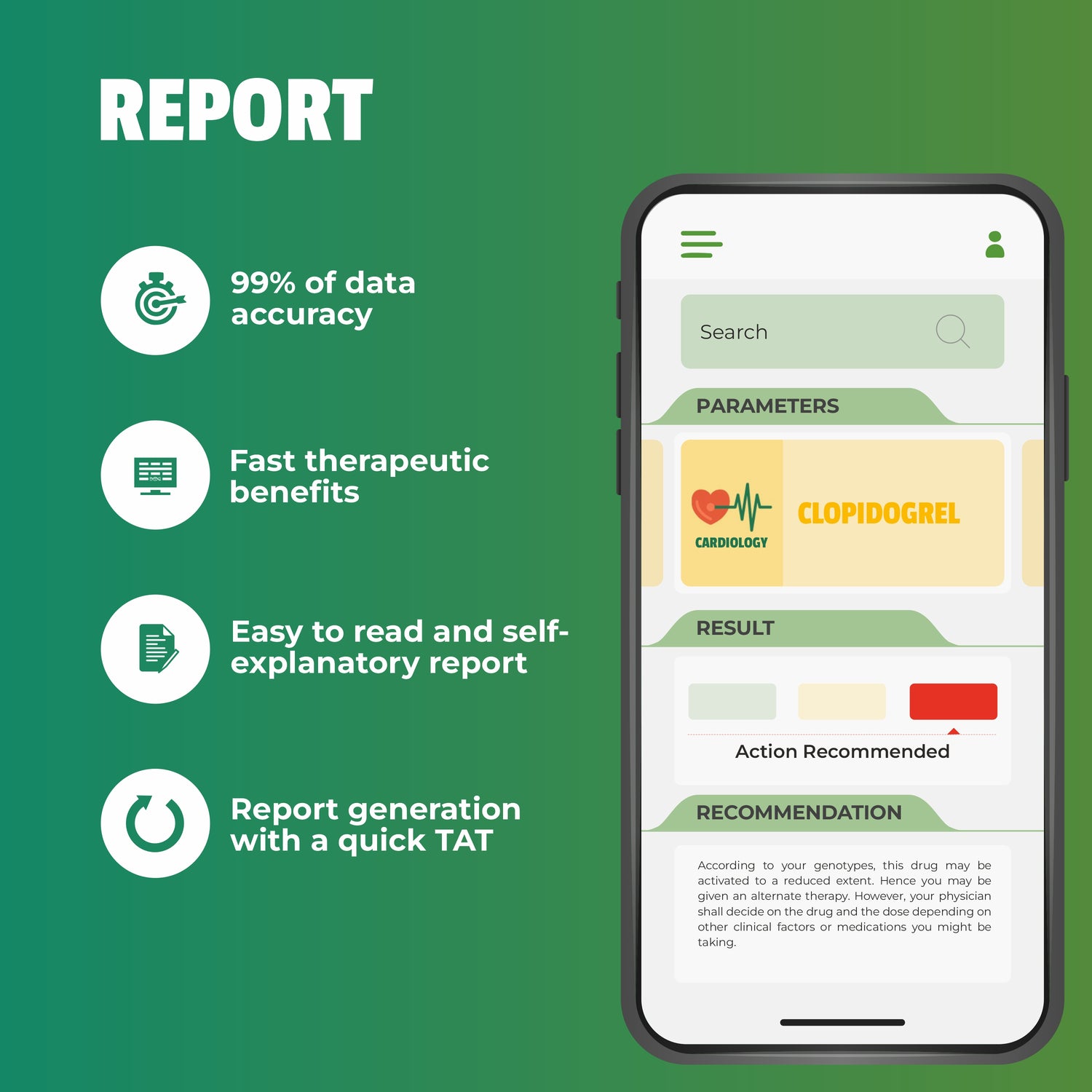
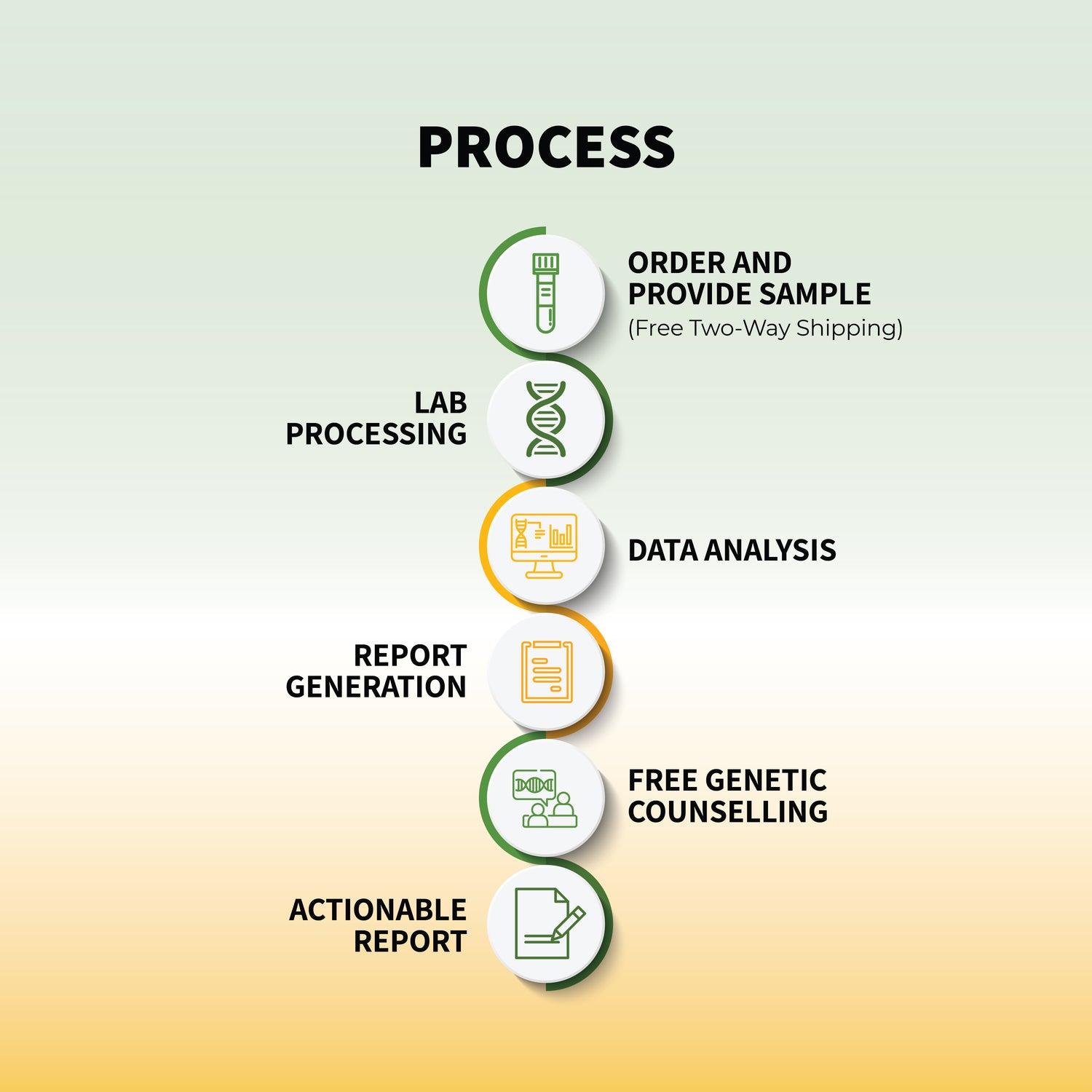
- Consider genetic testing to understand your personal cardiovascular risk profile.
Know Your Genetic Heart Risk — Before Symptoms Appear
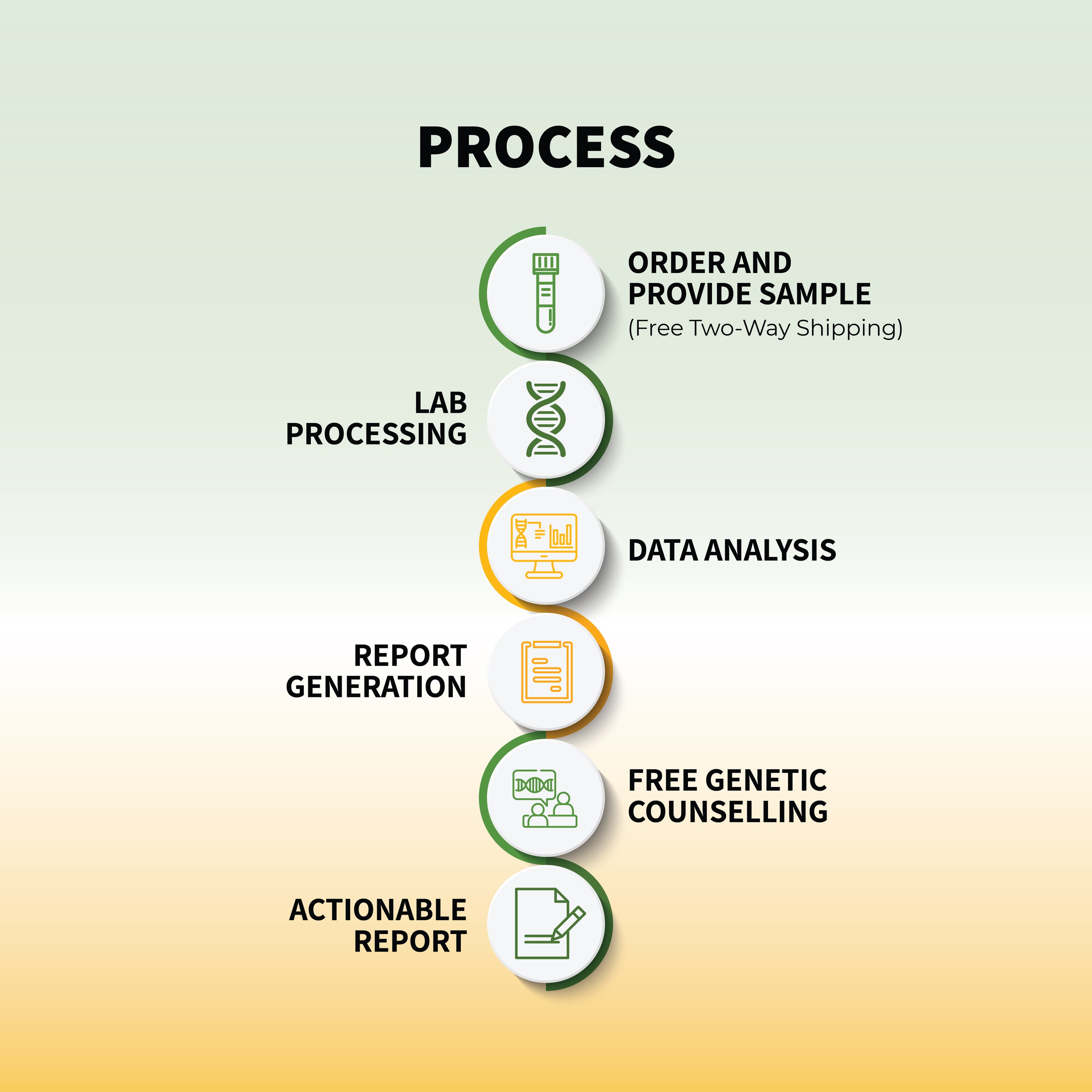
CardioMap by MapmyGenome reveals your genetic predisposition to heart failure, coronary artery disease, hypertension, and more — with a personalized action plan and expert genetic counselor consultation.