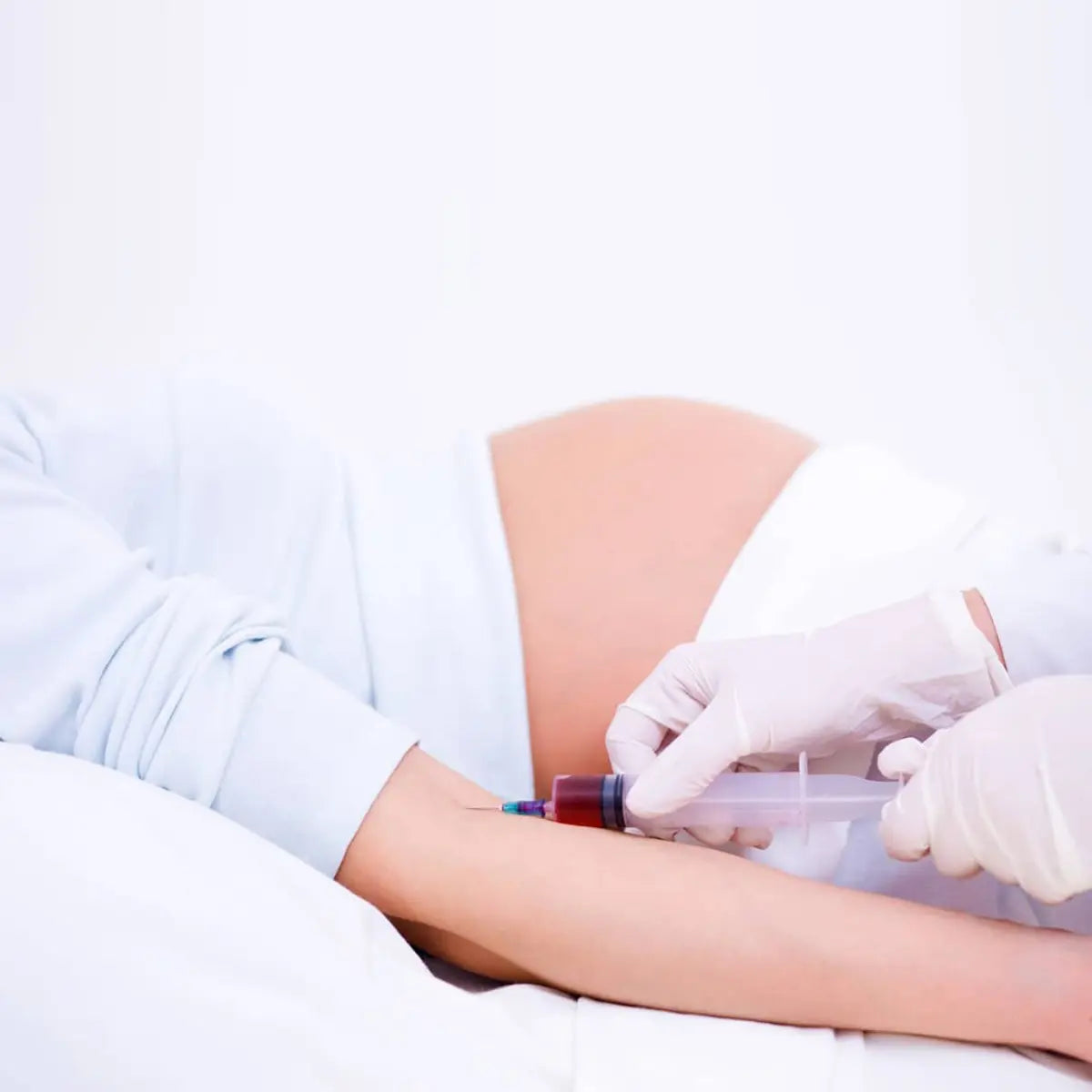


Infertility is a deeply emotional and challenging journey that affects millions of couples worldwide. For many, In Vitro Fertilization (IVF) offers hope, but success rates can vary. Fortunately, advancements in reproductive health have brought about significant improvements in IVF outcomes, with genetic testing emerging as a crucial tool.
Understanding the Role of Genetic Testing in Infertility
A significant percentage of infertility cases are linked to genetic abnormalities. Genetic testing for infertility involves analysing the genetic material of both partners to identify potential issues that could be hindering conception or leading to recurrent pregnancy loss (RPL).
Identifying Genetic Disorders: Some individuals carry genetic mutations that do not affect their own health but can be passed on to their offspring, leading to conditions that cause infertility or miscarriage. Genetic testing can detect these mutations, allowing couples to make informed decisions about their reproductive options.
Assessing Embryo Viability: Preimplantation Genetic Testing (PGT) is performed on embryos created through IVF. PGT can identify chromosomal abnormalities such as aneuploidy — the presence of an abnormal number of chromosomes — which is a common cause of implantation failure and miscarriage. By selecting embryos with the correct chromosomal makeup, the chances of a successful pregnancy are significantly increased.
Reducing the Risk of Genetic Conditions: For couples with a known history of genetic disorders, genetic testing can help prevent the transmission of these conditions to their children. For example, if both partners are carriers of a recessive gene for cystic fibrosis, they can choose to implant an embryo that does not carry the mutation.
How Genetic Testing Improves IVF Success Rates
Enhancing Embryo Selection: Genetic testing allows for more precise embryo selection by ensuring that only genetically normal embryos are chosen for transfer — leading to higher implantation rates and reduced risk of miscarriage.
Personalised Treatment Plans: Genetic testing provides valuable information about the underlying causes of infertility, allowing fertility specialists to tailor treatment plans to the specific needs of each couple.
Minimising the Risk of Multiple Pregnancies: With genetic testing, fertility specialists can confidently transfer a single, genetically normal embryo — reducing the likelihood of twins or triplets while maintaining a high success rate.
Reducing Time to Pregnancy: Genetic testing can help reduce the number of IVF cycles needed to achieve a successful pregnancy by improving embryo selection and increasing the chances of implantation on the first attempt.
Who Should Consider Genetic Testing?
- Couples with a history of recurrent miscarriages — genetic abnormalities are a common cause of pregnancy loss
- Couples with unexplained infertility — genetic testing can provide insights missed by standard fertility evaluations
- Couples with known genetic conditions — testing can help ensure the condition is not passed on to children
- Women of advanced maternal age — as women age, the risk of chromosomal abnormalities in eggs increases
The Emotional Impact of Genetic Testing
The decision to undergo genetic testing is deeply personal. While it can provide valuable information that enhances IVF success, it can also reveal unexpected findings that may be difficult to process. Fertility clinics often provide genetic counselling as part of the testing process — genetic counsellors are trained to help couples understand their results, explore their options, and make informed decisions about their reproductive future.
Conclusion: A Path Toward Hope
Infertility can be a long and challenging journey, but genetic testing offers a path toward hope for many couples. By providing insights into the genetic factors that may be affecting fertility, genetic testing can improve the chances of a successful IVF outcome — helping couples achieve their dream of parenthood.
Support Your Fertility Journey with Genetic Insights
MapmyGenome’s BabyMap and genetic counselling services help couples understand chromosomal risks, carrier status, and embryo viability — giving you the best possible foundation for a healthy pregnancy.