

How Genomic Testing Can Help Assess Inherited Risk of Prostate Cancer
Prostate cancer is the second most common cancer in men worldwide. While lifestyle and environmental factors play a role, genetics accounts for a significant proportion of prostate cancer risk — particularly in men with a family history of the disease.
The Genetic Basis of Prostate Cancer Risk
Several genes are associated with hereditary prostate cancer risk:
BRCA1 and BRCA2: Men with BRCA2 mutations have a 2–8x higher lifetime risk of prostate cancer, and the disease tends to be more aggressive.
HOXB13: The G84E variant in HOXB13 is strongly associated with hereditary prostate cancer, particularly in men with early-onset disease or a strong family history.
ATM and CHEK2: Variants in these DNA repair genes are associated with moderately elevated prostate cancer risk.
Polygenic risk scores: Combinations of common SNPs across the genome can identify men at significantly elevated population-level risk.
Who Should Consider Genetic Testing for Prostate Cancer?
Men with a first-degree relative (father, brother) diagnosed with prostate cancer, especially before age 60
Men with a family history of BRCA-related cancers (breast, ovarian, pancreatic)
Men of Ashkenazi Jewish descent (higher prevalence of BRCA mutations)
Men diagnosed with high-risk or metastatic prostate cancer
How Genomic Testing Guides Prostate Cancer Management
Genetic testing results can influence screening frequency, biopsy decisions, and treatment selection. Men with BRCA2 mutations, for example, may benefit from earlier and more frequent PSA screening, and are candidates for PARP inhibitor therapy if diagnosed with advanced disease.
The Role of Genetic Counselling
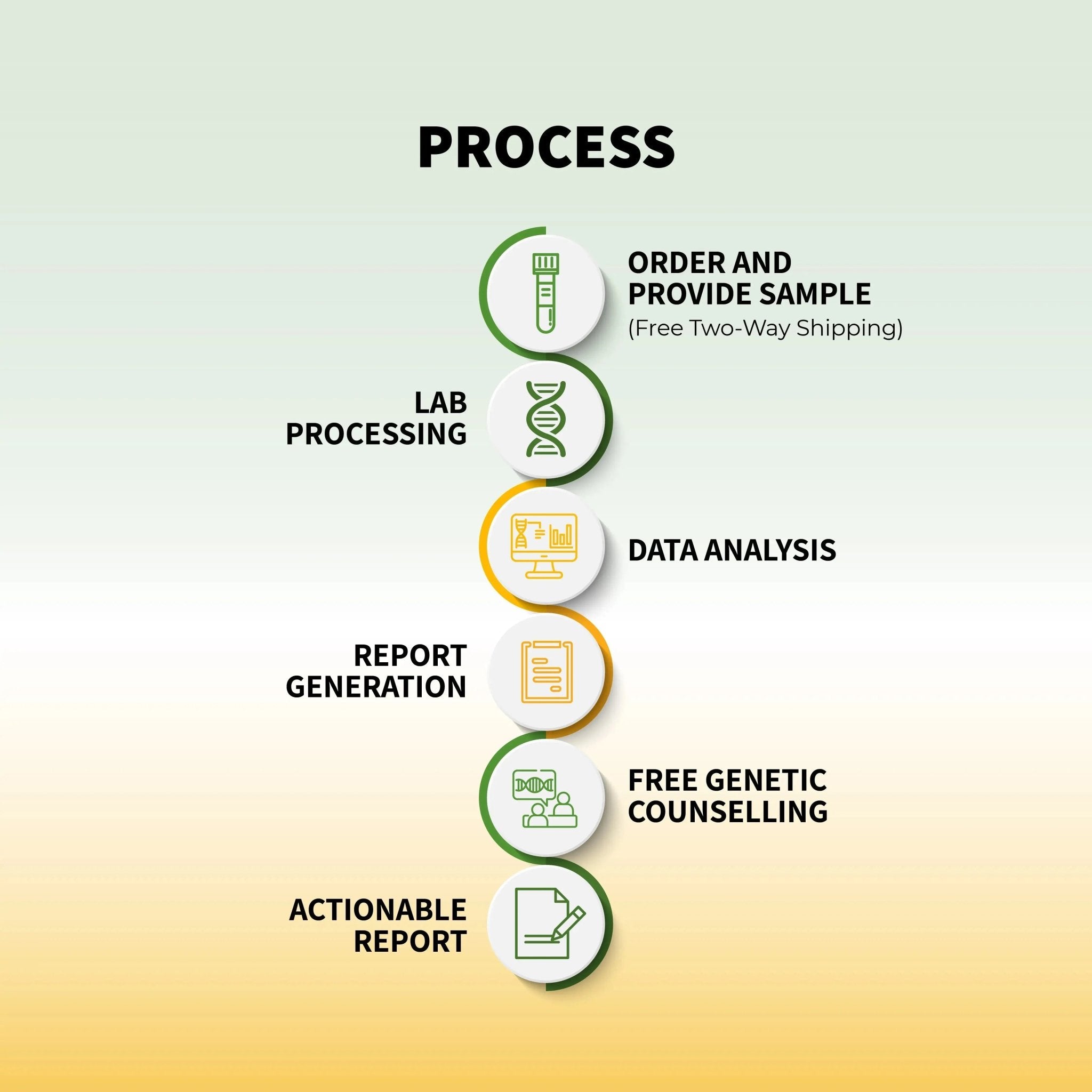
Genetic testing for cancer risk should always be accompanied by certified genetic counselling — to help interpret results, understand implications for family members, and make informed decisions about screening and prevention.
Know Your Genetic Prostate Cancer Risk
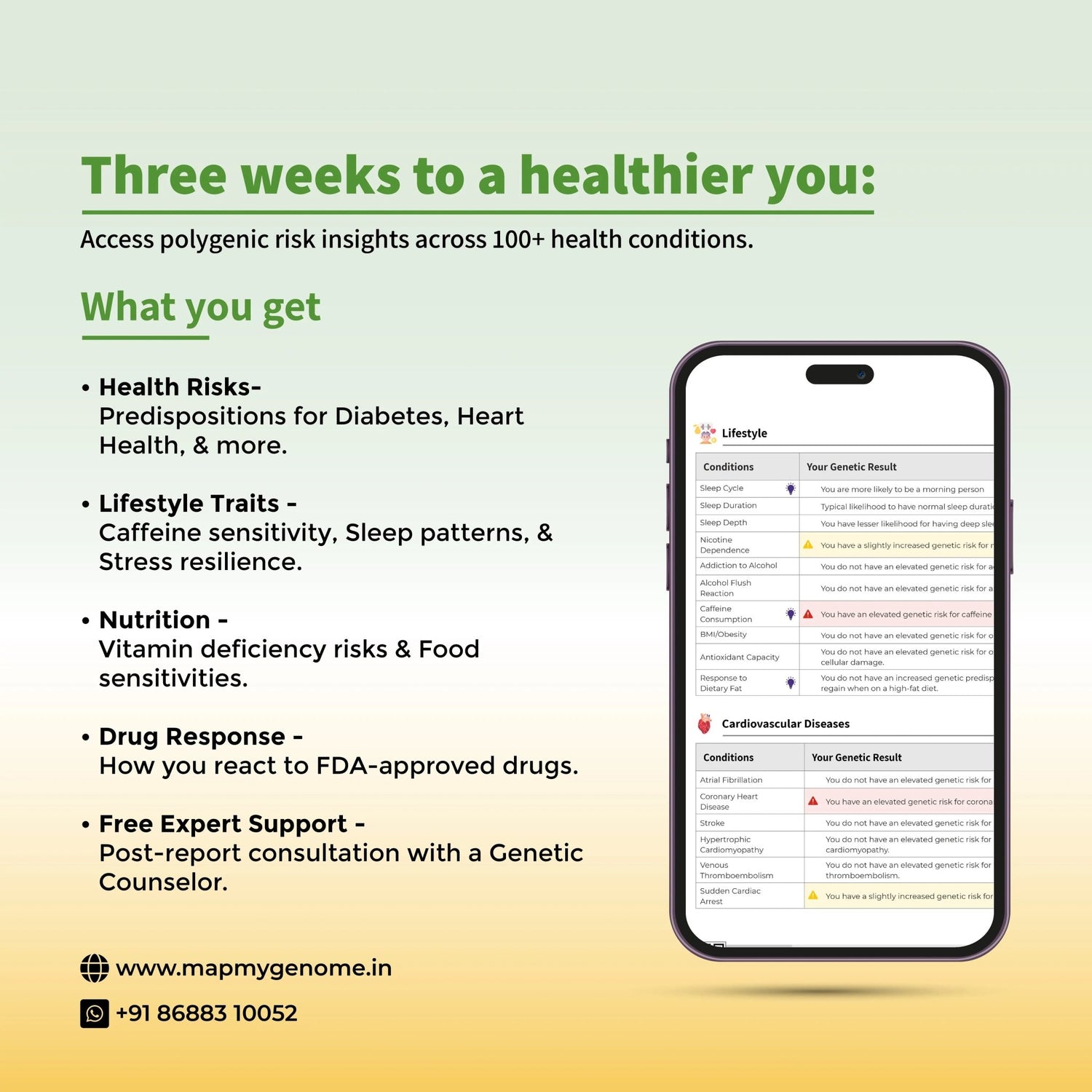
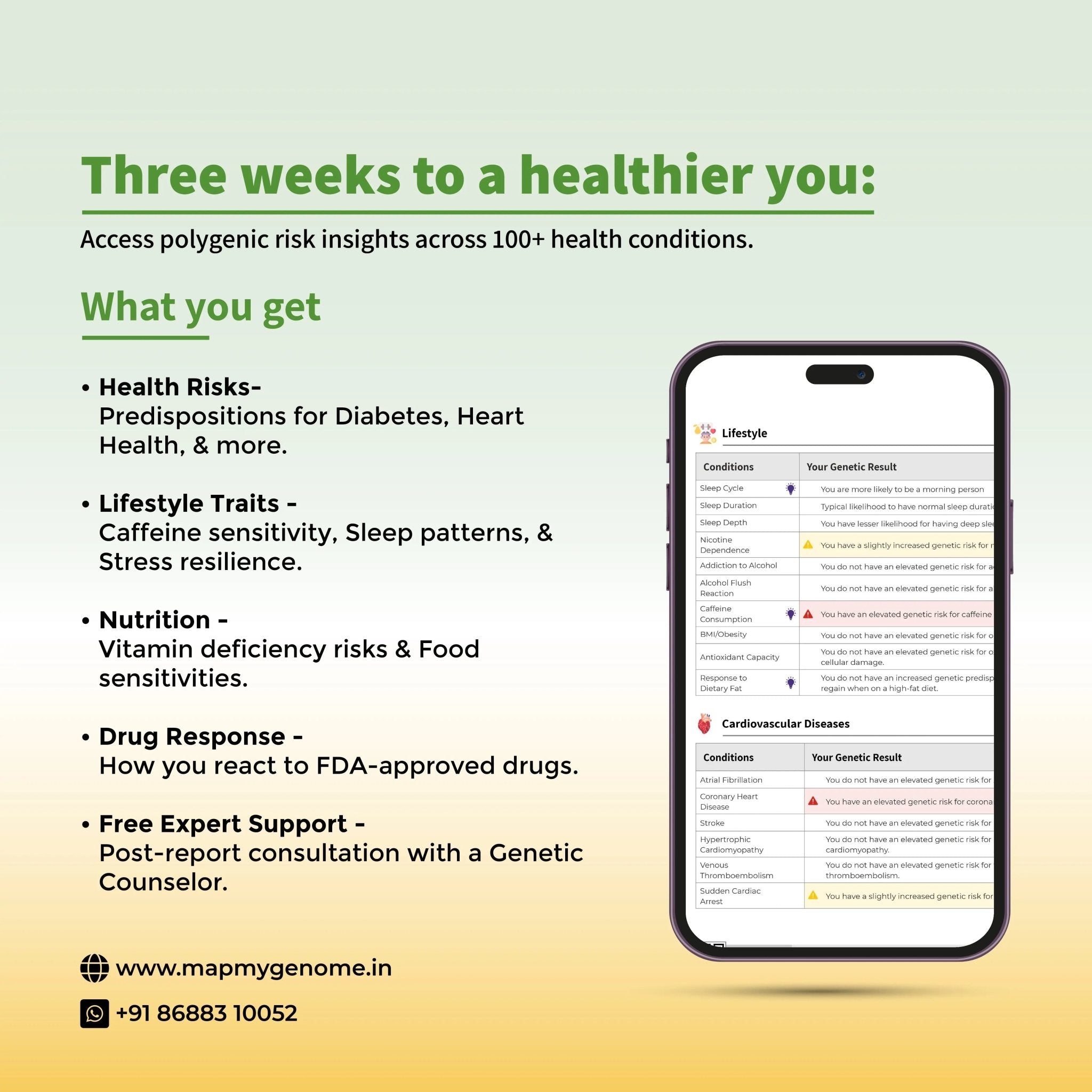
Genomepatri by MapmyGenome screens your genetic predisposition to prostate cancer and 100+ other health conditions — giving you the information to take proactive, targeted action before symptoms appear.