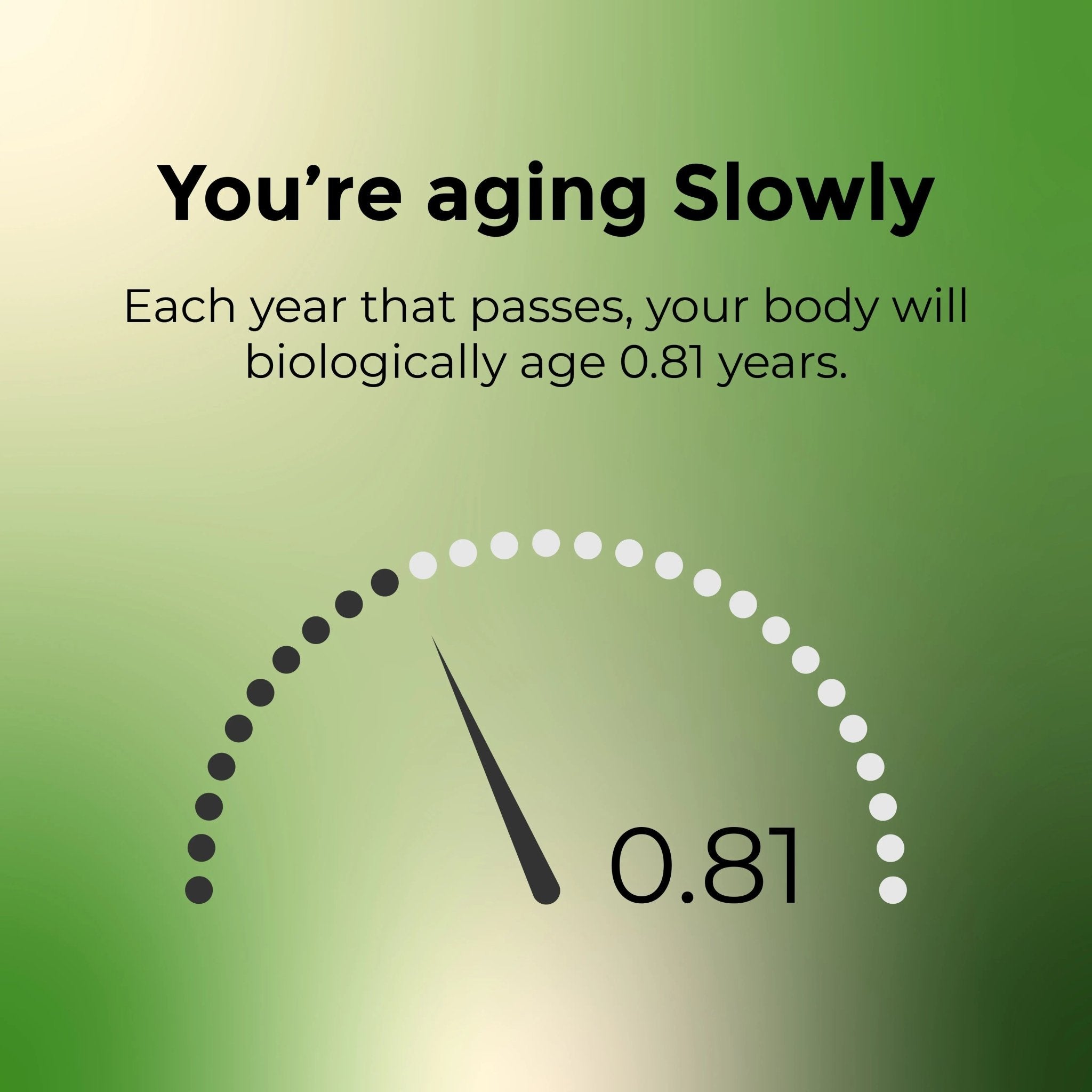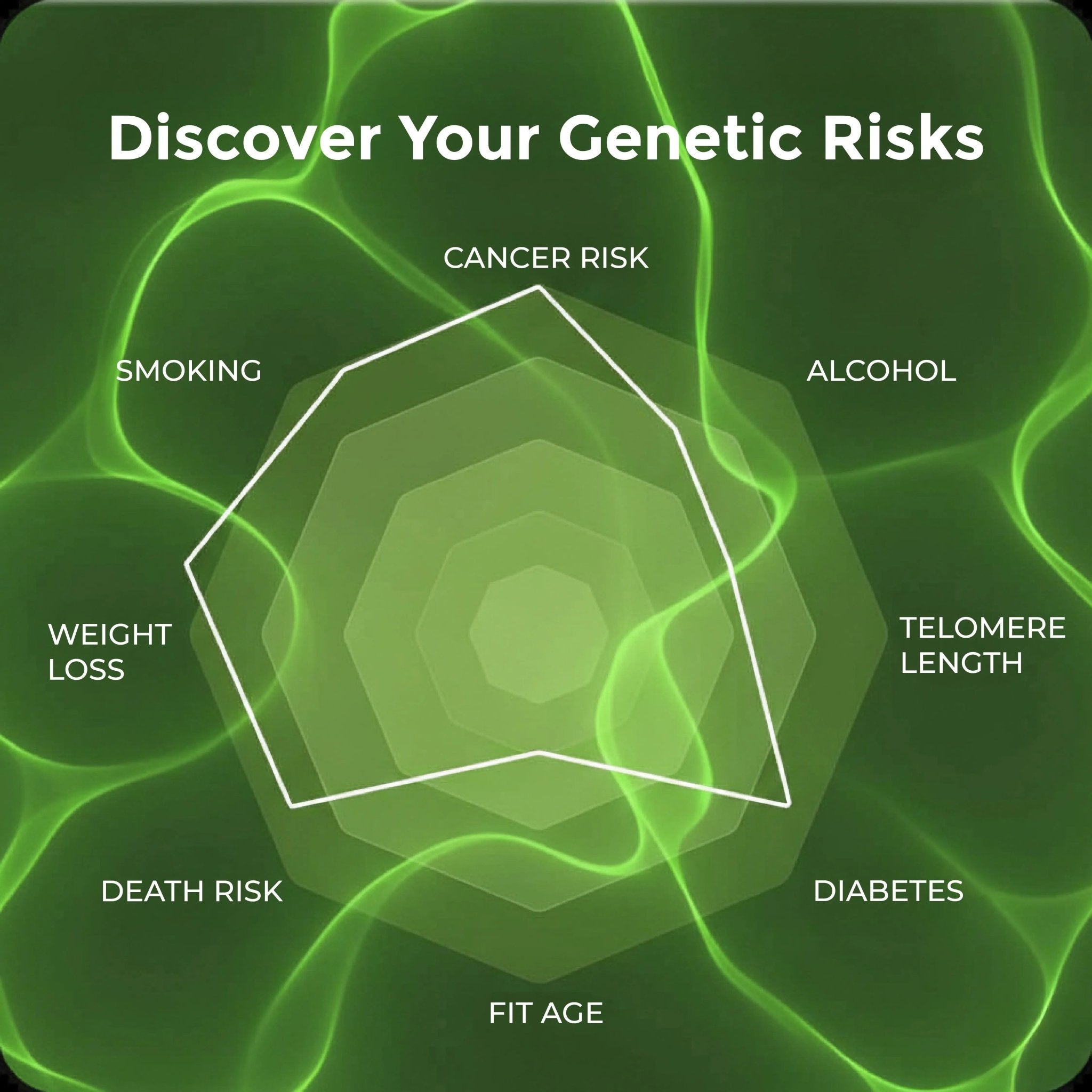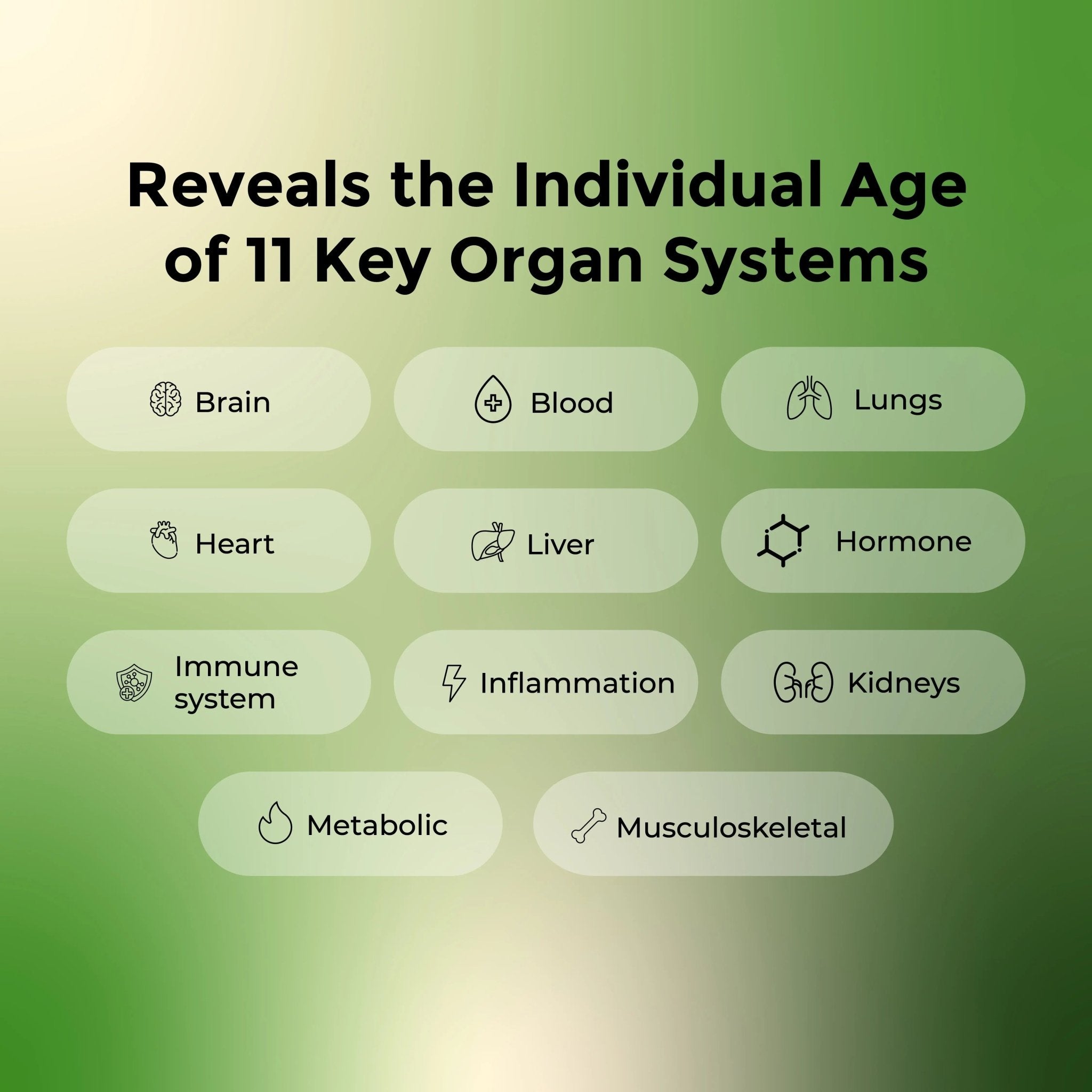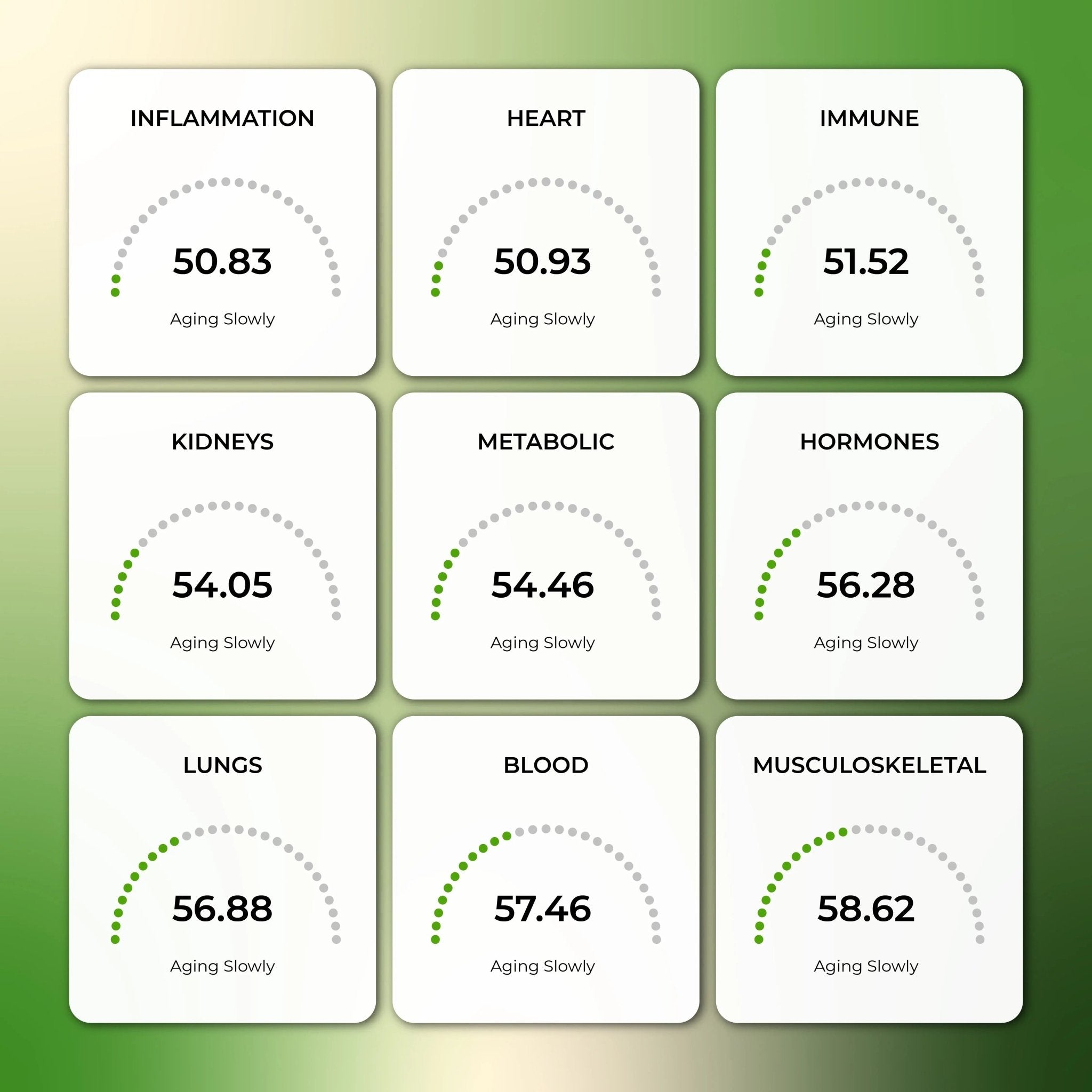


In the pursuit of extending human life and enhancing healthspan, the field of genomics is constantly breaking new ground. At the forefront of this scientific endeavour, epigenetics testing and longevity programmes are shedding light on a crucial aspect of cellular ageing and health: telomeres.
What Are Telomeres?
Telomeres are the protective caps at the ends of our chromosomes. Composed of repetitive sequences of DNA, these specialised structures are essential for maintaining the integrity and stability of our chromosomes. Every time a cell divides, its telomeres shorten slightly. In the natural ageing process, this gradual shortening is linked to a range of age-related diseases, including cancer, diabetes, and heart disease.
The Role of Telomeres in Genomic Health
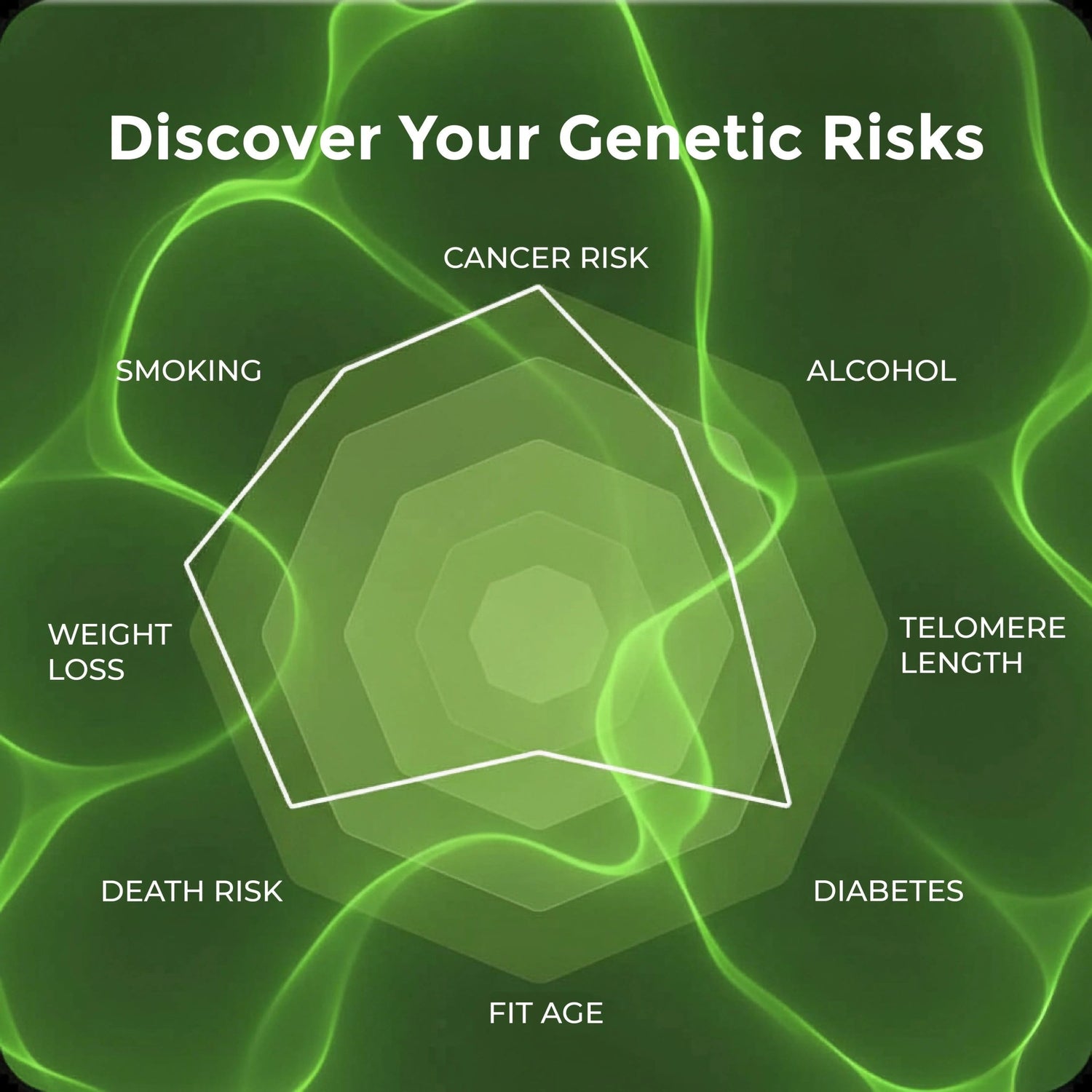
The length of telomeres is considered a biomarker of biological age — distinct from chronological age — and a predictor of health risks. Longer telomeres are associated with better cellular health and longevity, while shortened telomeres can indicate accelerated ageing and increased disease risk.
Through advanced genomic testing, telomere length can be evaluated to provide a comprehensive understanding of an individual’s ageing process and potential health trajectory. This crucial assessment allows for personalised interventions, helping individuals to lead longer, healthier lives.
Epigenetics and Telomere Length
The intersection of epigenetics and telomere biology offers promising insights into how lifestyle and environmental factors influence ageing. Epigenetics involves changes in gene expression that do not alter the DNA sequence but can be affected by various factors like diet, stress, and exposure to toxins. These changes can affect the activity of telomerase — an enzyme that repairs and extends telomeres.
Epigenetic tests analyse patterns such as DNA methylation and histone modification to determine how they impact telomere dynamics and overall cellular ageing. By understanding these patterns, targeted strategies can be developed to potentially slow the rate of telomere shortening or enhance telomerase activity — paving the way for interventions that combat ageing at the cellular level.
Longevity Programmes Tailored to You
Leveraging the power of genomics and epigenetics, longevity programmes can be tailored to individual genetic backgrounds and lifestyles. These programmes focus on nutrition, exercise, stress management, and supplementation — all designed to optimise telomere length and enhance well-being.
For instance, certain nutrients and antioxidants have been shown to protect telomeres from oxidative stress, while regular physical activity has been linked to increased telomerase activity. Through personalised advice grounded in genetic insights, individuals are empowered to make informed choices that nurture their cellular health.
The Future Is Now
As our understanding of telomeres and their pivotal role in ageing continues to expand, translating these insights into tangible health benefits becomes increasingly possible. Cutting-edge genomic and epigenetic testing technologies not only illuminate the complexities of the human genome but also serve as the foundation for pioneering longevity programmes.
By embracing the science of telomeres, a new horizon in preventive healthcare opens — where everyone has the potential to lead a longer, healthier life.
Measure Your Biological Age — Not Just Your Birthday
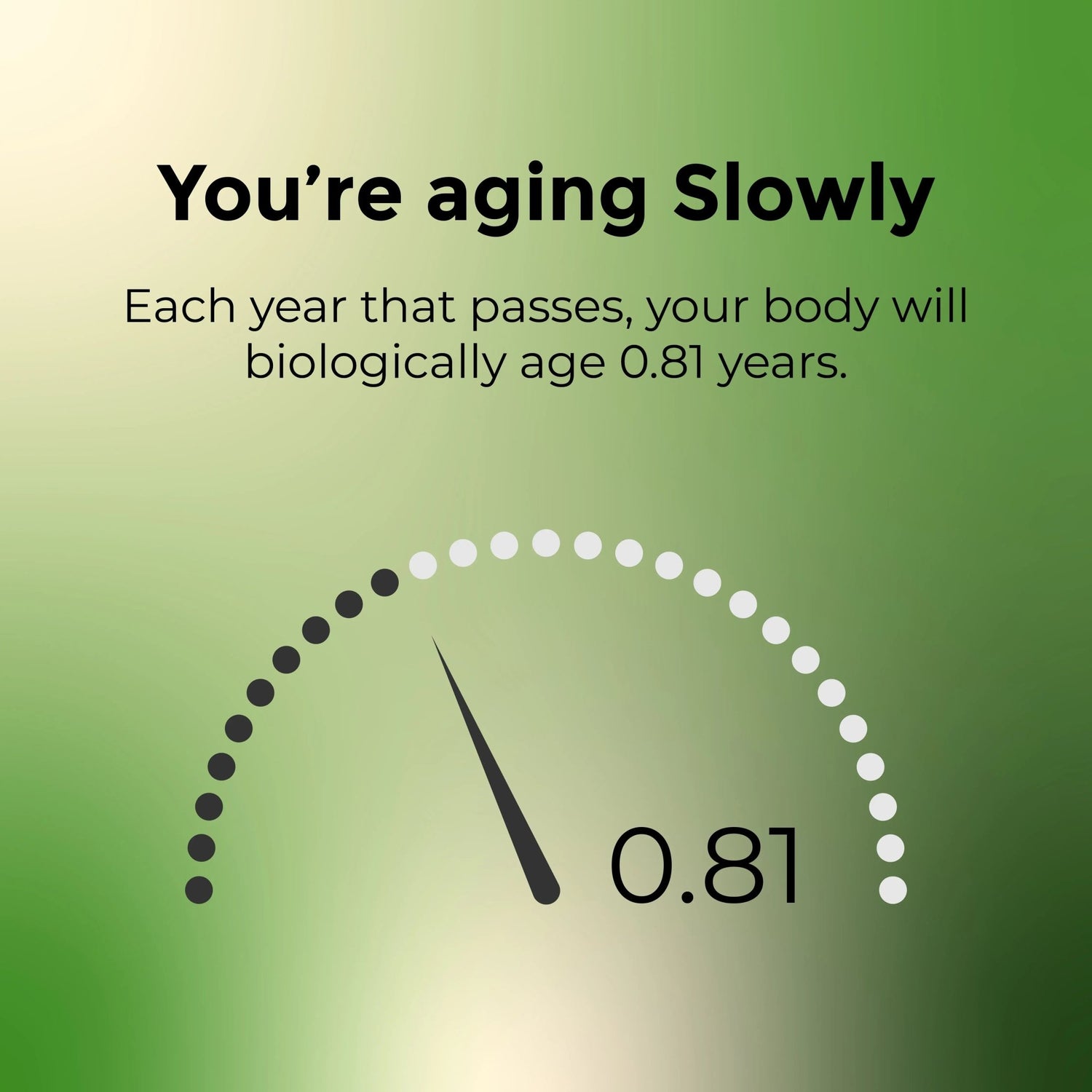
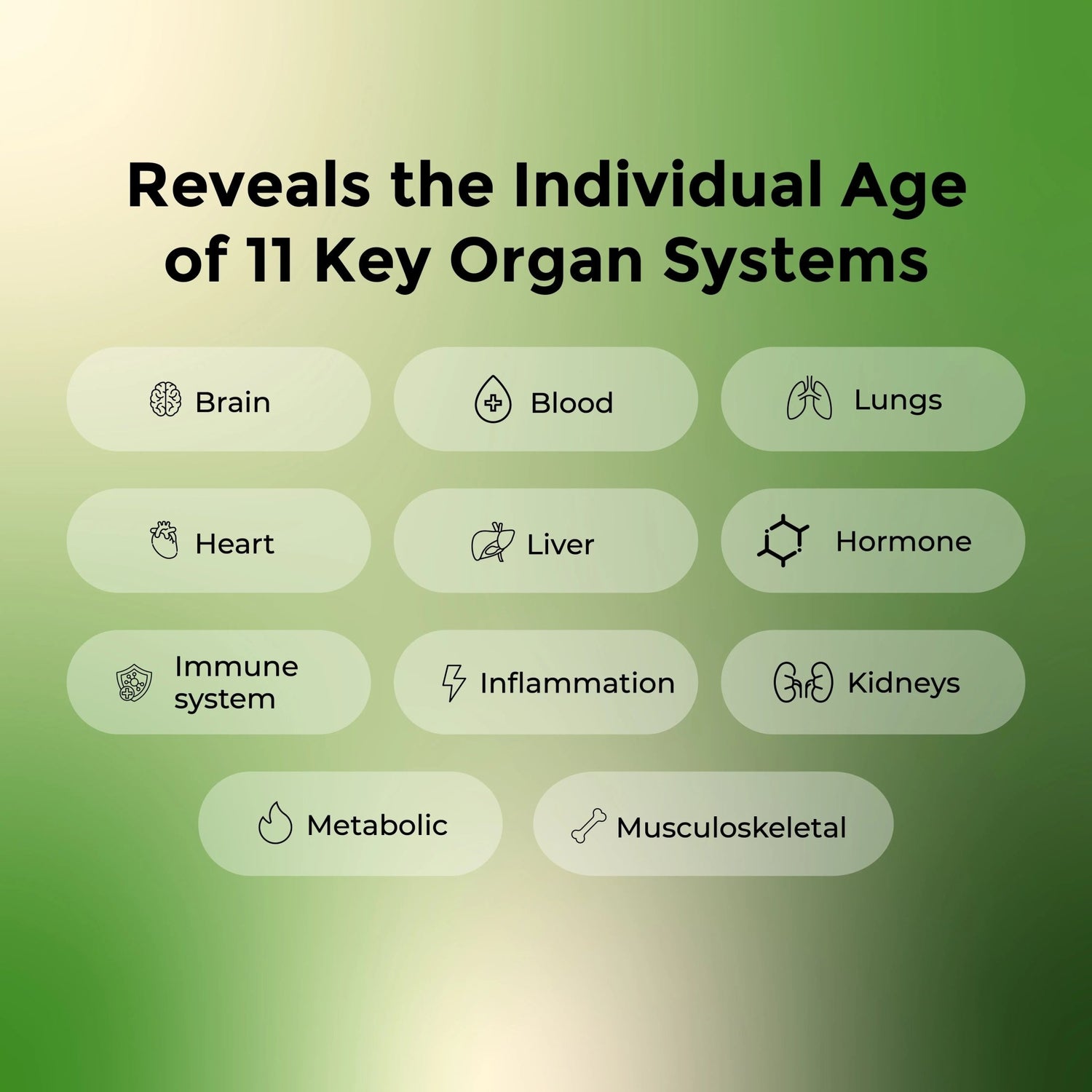
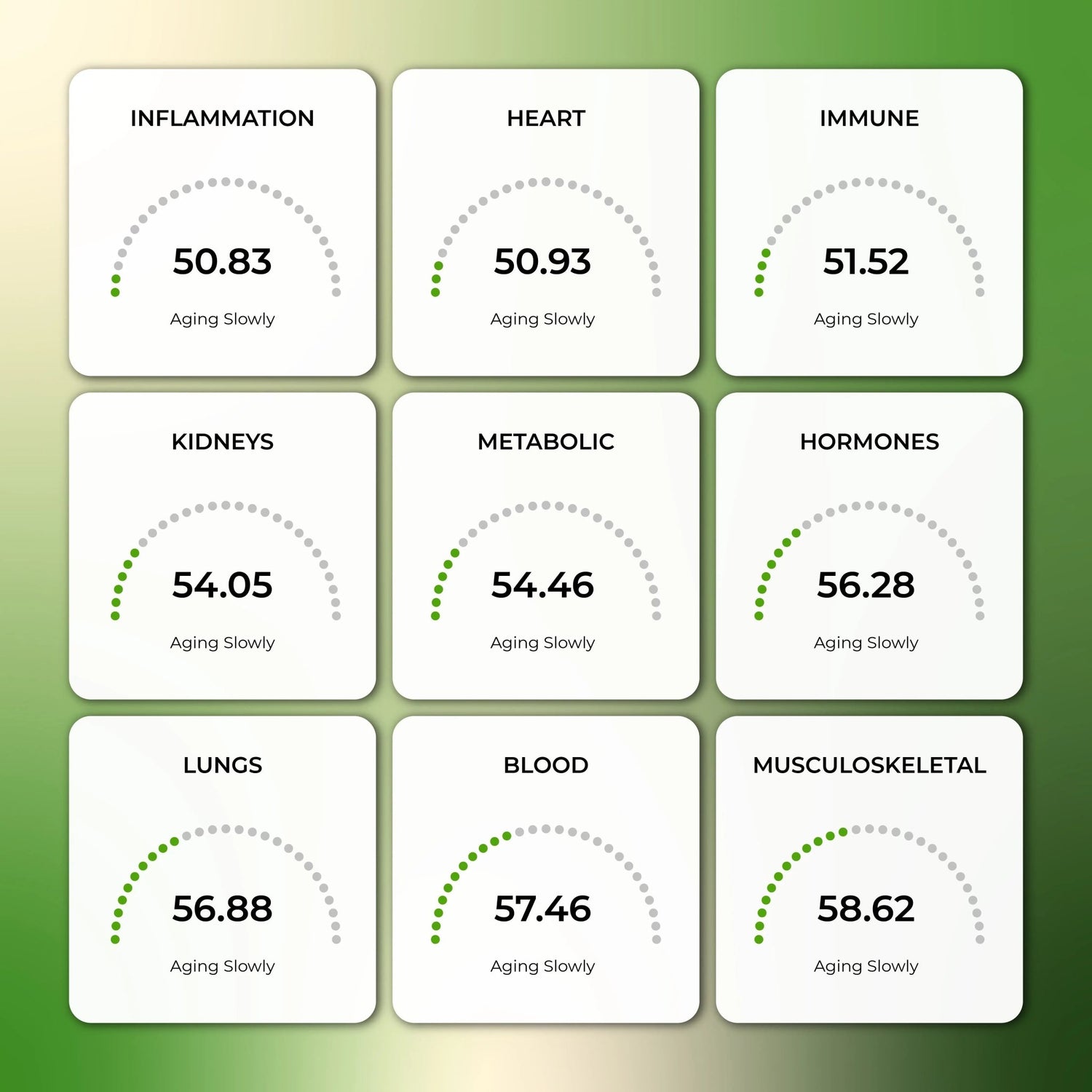
MapmyEpiGenome by MapmyGenome measures your telomere length, DNA methylation patterns, and biological age — giving you a precise picture of how fast your cells are ageing and what you can do about it.