

In the era of precision oncology, two foundational tools remain indispensable: a thorough family history and comprehensive genetic panel testing. Together, they identify individuals at elevated hereditary cancer risk, guide surveillance and prevention strategies, and increasingly inform treatment decisions. Understanding their importance is essential for both clinicians and patients navigating cancer risk.
The Power of Family History in Oncology
A detailed family history is the most cost-effective cancer risk assessment tool available. It captures patterns of cancer occurrence across generations that may indicate an inherited predisposition — even before genetic testing is performed. Key features that suggest hereditary cancer risk include:
- Multiple family members with the same or related cancers
- Cancer occurring at an unusually young age (e.g., breast cancer before 50, colorectal cancer before 45)
- Bilateral cancer (e.g., cancer in both breasts or both kidneys)
- Multiple primary cancers in the same individual
- Cancer in the less commonly affected sex (e.g., breast cancer in a man)
- Rare cancers associated with specific syndromes (e.g., male breast cancer, ovarian cancer, adrenocortical carcinoma)
A three-generation family history — covering parents, siblings, children, grandparents, aunts, uncles, and cousins — provides the most complete picture. Ethnic background is also relevant, as certain mutations are more prevalent in specific populations (e.g., BRCA1/2 founder mutations in Ashkenazi Jewish individuals).
Limitations of Family History Alone
Family history has important limitations. Small family size may obscure hereditary patterns. Family members may be unaware of their diagnoses or reluctant to share them. De novo mutations (new mutations not inherited from either parent) will not be reflected in family history. And some hereditary cancer syndromes have variable expressivity — not all mutation carriers develop cancer. These limitations make genetic panel testing an essential complement to family history assessment.
The Utility of Hereditary Cancer Panel Testing
Hereditary cancer gene panels use next-generation sequencing to simultaneously analyze multiple cancer predisposition genes. Panels range from focused (e.g., BRCA1/2 only) to comprehensive (covering 30+ genes associated with hereditary cancer risk). Key genes included in comprehensive panels include:
- Breast/Ovarian cancer: BRCA1, BRCA2, PALB2, CHEK2, ATM, RAD51C, RAD51D
- Colorectal cancer: MLH1, MSH2, MSH6, PMS2, EPCAM (Lynch syndrome); APC (FAP); MUTYH
- Multiple cancer types: TP53 (Li-Fraumeni), PTEN (Cowden), STK11 (Peutz-Jeghers), CDH1 (hereditary diffuse gastric cancer)
- Pancreatic cancer: BRCA1, BRCA2, PALB2, ATM, CDKN2A
- Prostate cancer: BRCA1, BRCA2, ATM, HOXB13, CHEK2
Clinical Impact of Panel Testing
Identifying a pathogenic variant in a hereditary cancer gene has profound clinical implications. It guides surveillance intensity and modality (e.g., annual MRI for BRCA1 carriers), informs risk-reducing interventions (medications, surgery), guides treatment selection (PARP inhibitors for BRCA-mutant cancers), and enables cascade testing of at-risk family members.
FAQs
Who should have hereditary cancer panel testing?
Testing is recommended for individuals with a personal or family history suggesting hereditary cancer risk, those with cancer at a young age, and those with specific cancer types associated with hereditary syndromes. Genetic counselling before and after testing is strongly recommended.
Know Your Genetic Cancer Risk — Before Symptoms Appear
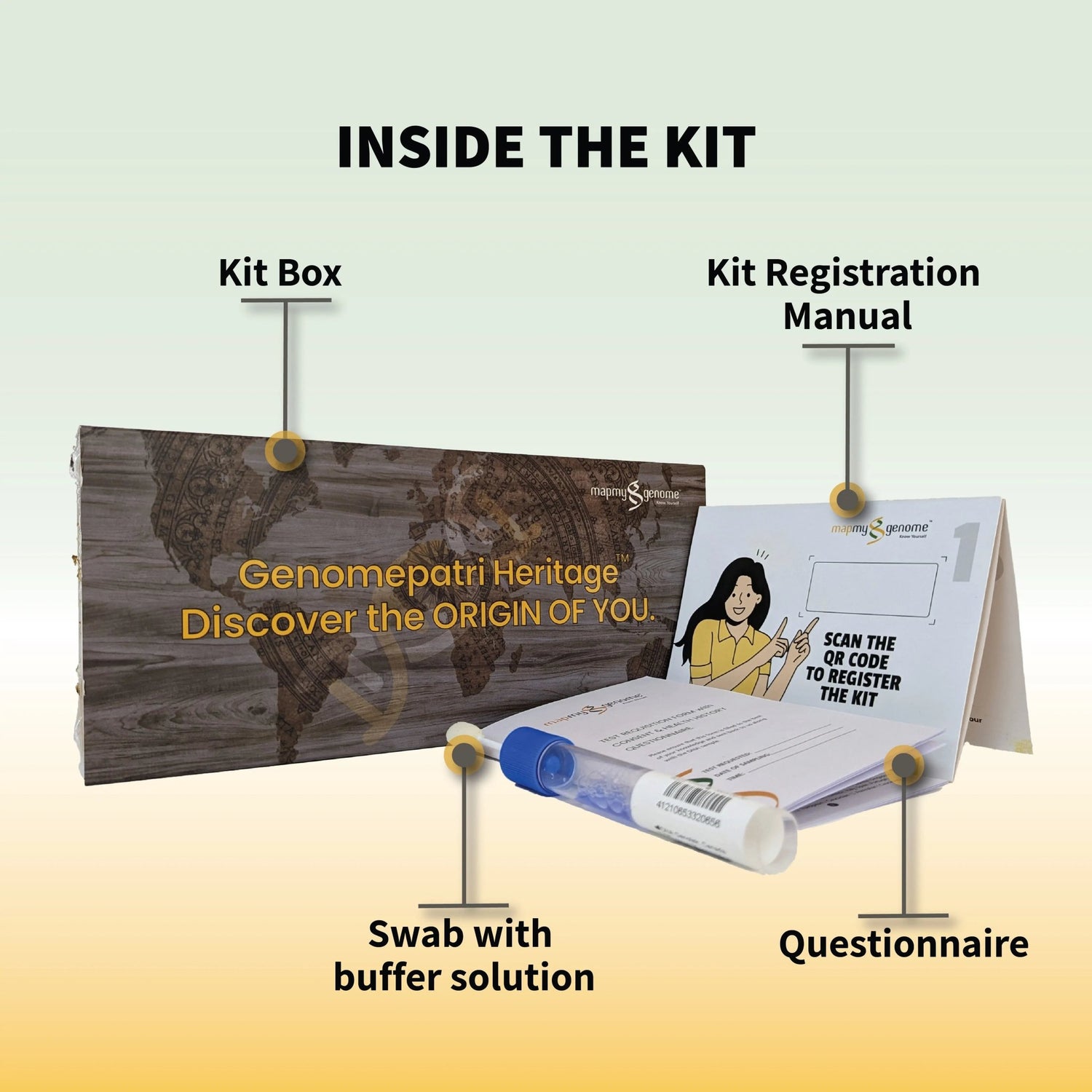
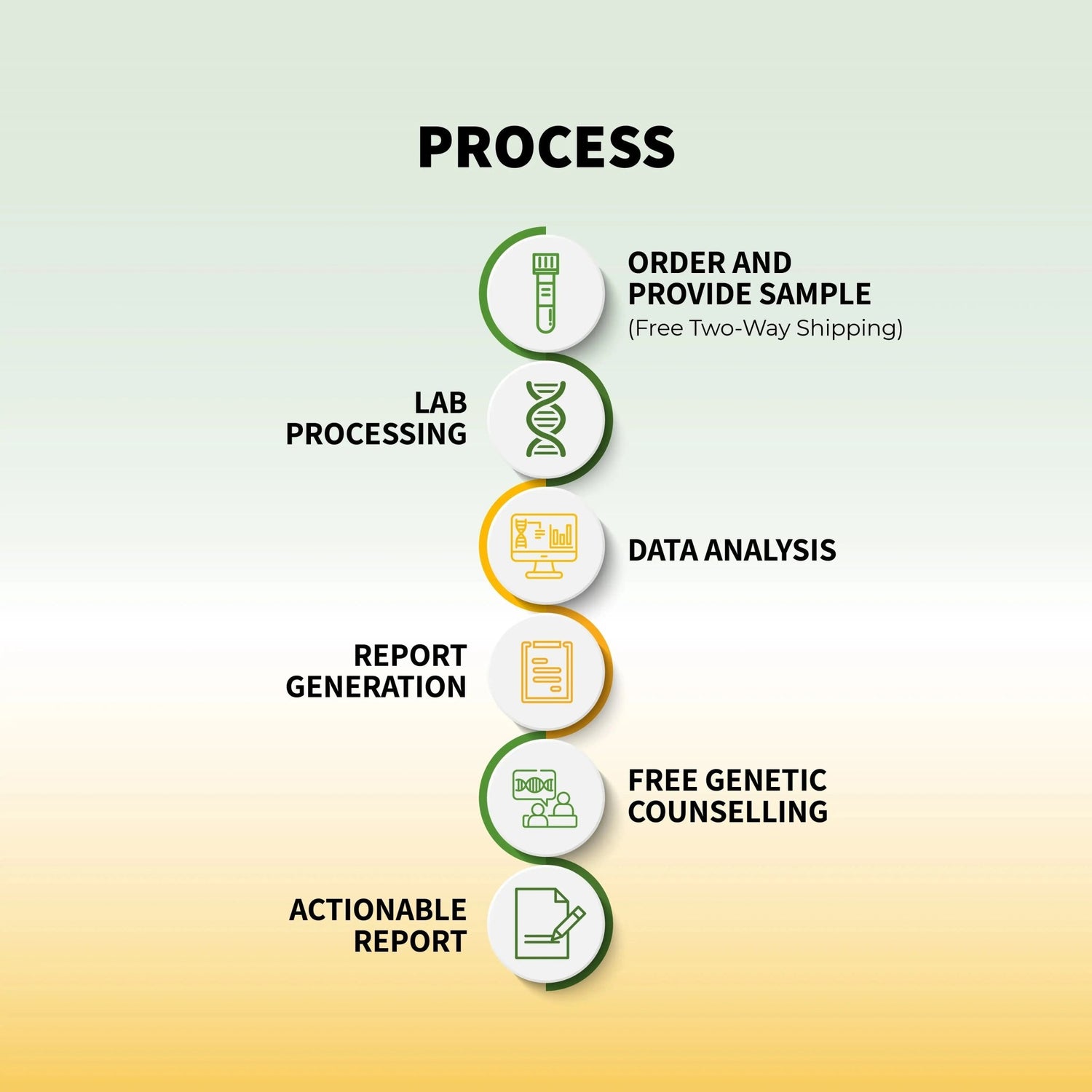
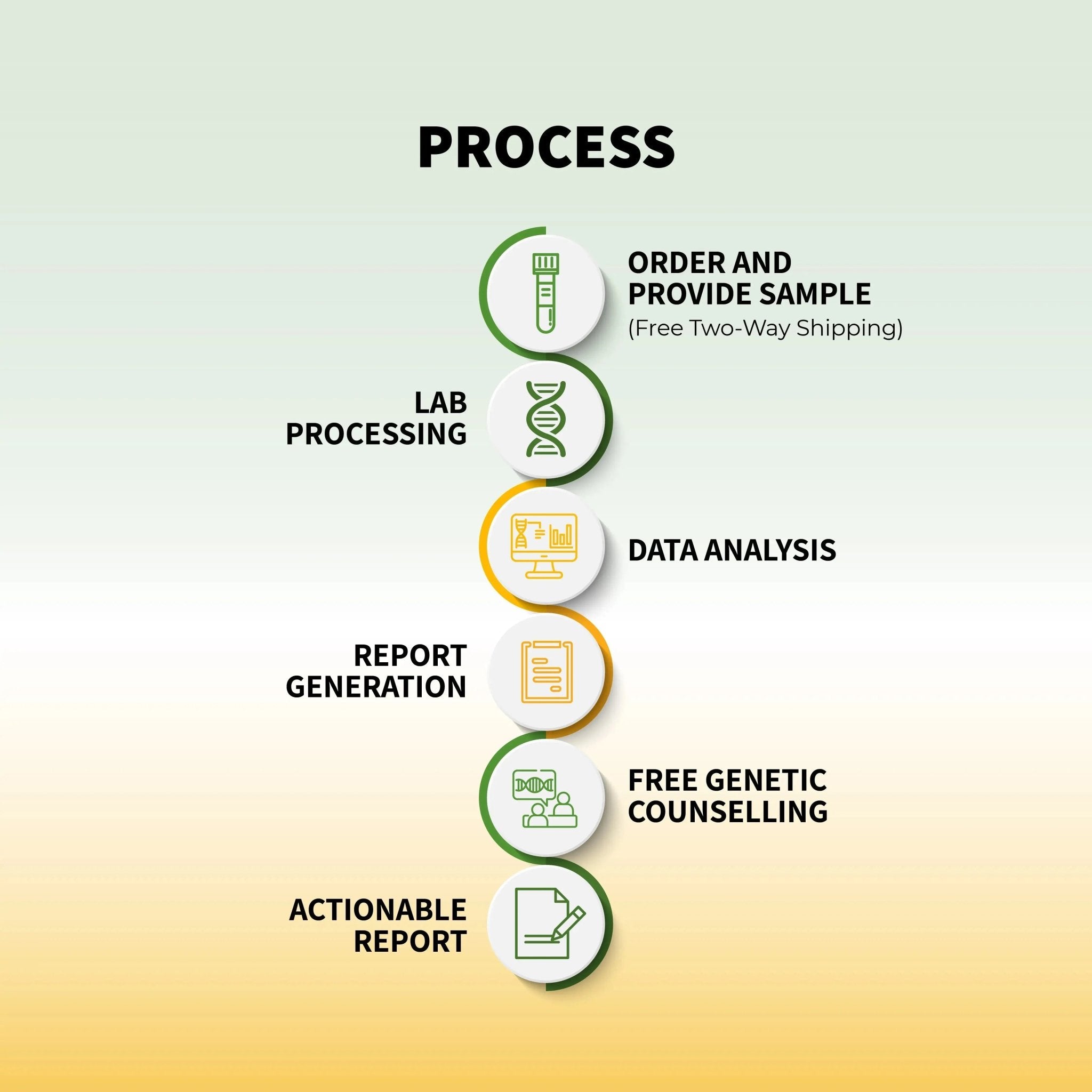
Genomepatri by MapmyGenome includes genetic risk assessment for hereditary cancer syndromes — backed by NABL-certified labs and expert genetic counsellors who help you understand your family's cancer history and build a personalised prevention plan.