

Lifestyle Disorders: Venous Thromboembolism (VTE)
Venous Thromboembolism (VTE) is a condition in which blood clots form in the veins. It encompasses two related conditions: Deep Vein Thrombosis (DVT) — where clots form in the deep veins, usually in the legs — and Pulmonary Embolism (PE) — where a clot breaks off and travels to the lungs. VTE is one of the leading causes of preventable hospital deaths worldwide and is increasingly recognised as a lifestyle disorder with a significant genetic component.
Symptoms
DVT: Swelling, pain, tenderness, and redness in the affected leg; warmth over the clot area
PE: Sudden shortness of breath, chest pain (especially on breathing in), rapid heart rate, coughing up blood, dizziness or fainting
Many cases of DVT are asymptomatic and are only discovered when PE occurs
Risk Factors
Prolonged immobility — long flights, bed rest, sedentary lifestyle
Surgery or hospitalisation
Obesity
Smoking
Oral contraceptive use or hormone replacement therapy
Pregnancy and the postpartum period
Cancer and cancer treatments
Family history of VTE
The Genetic Component
Inherited thrombophilias — genetic conditions that increase the tendency of blood to clot — are present in a significant proportion of VTE patients. The most common include:
Factor V Leiden mutation: The most common inherited thrombophilia, increasing VTE risk 4–8 times in heterozygous carriers and 80 times in homozygous carriers
Prothrombin G20210A mutation: Increases prothrombin levels and VTE risk 2–3 times
MTHFR variants: Associated with elevated homocysteine levels, which can damage blood vessel walls and promote clotting
Protein C and Protein S deficiency: Inherited deficiencies of these natural anticoagulants increase clotting risk
Antithrombin deficiency: One of the highest-risk inherited thrombophilias
Knowing your inherited thrombophilia status is particularly important before surgery, pregnancy, or starting hormonal contraception — all situations where VTE risk is already elevated.
Prevention and Management
Stay active — avoid prolonged sitting or immobility
Stay hydrated, especially during long flights
Maintain a healthy weight
Avoid smoking
Wear compression stockings if at risk
Anticoagulant therapy (blood thinners) for those at high risk or with a history of VTE
Genetic testing to identify inherited thrombophilias, especially with a family history of VTE
Know Your Genetic Clotting Risk
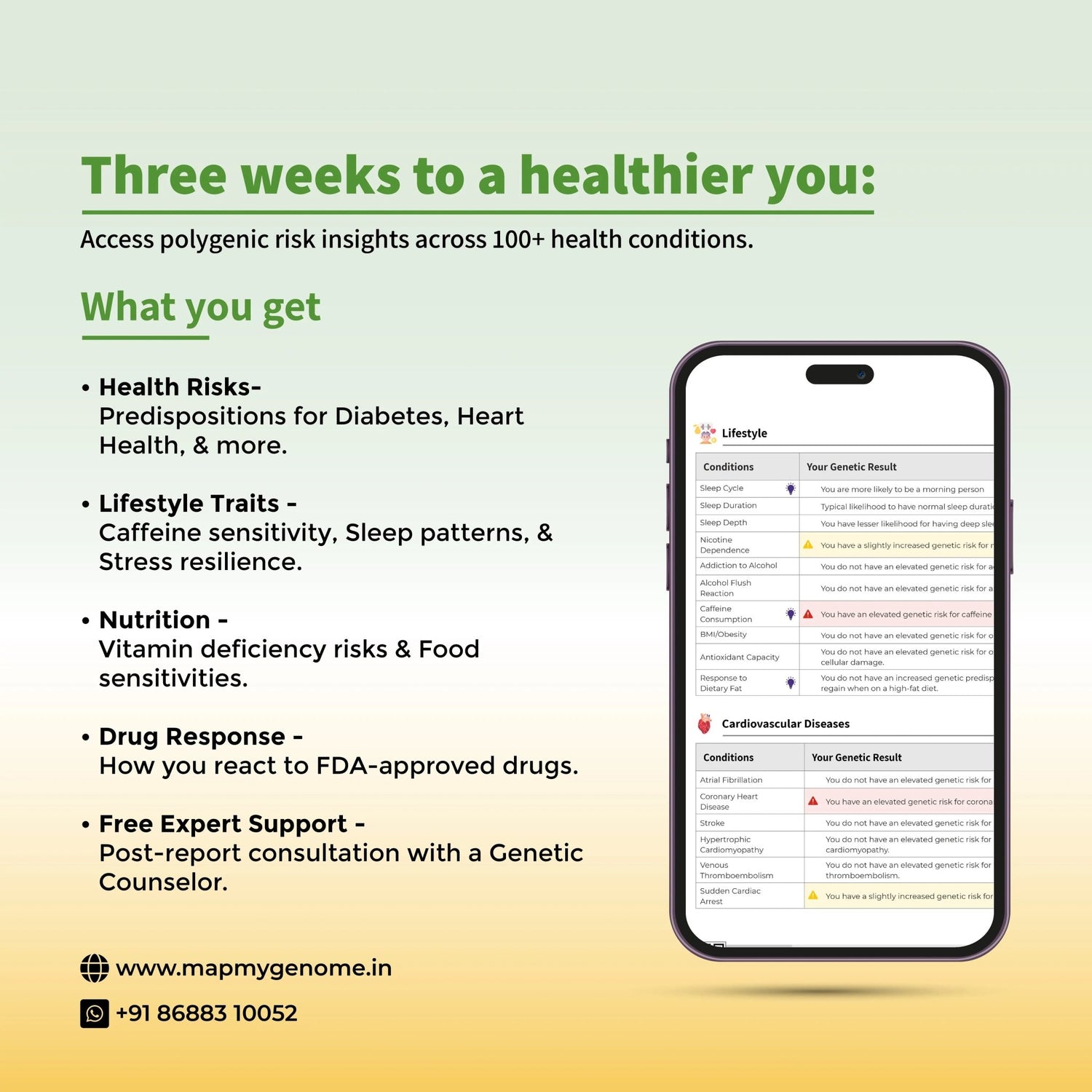
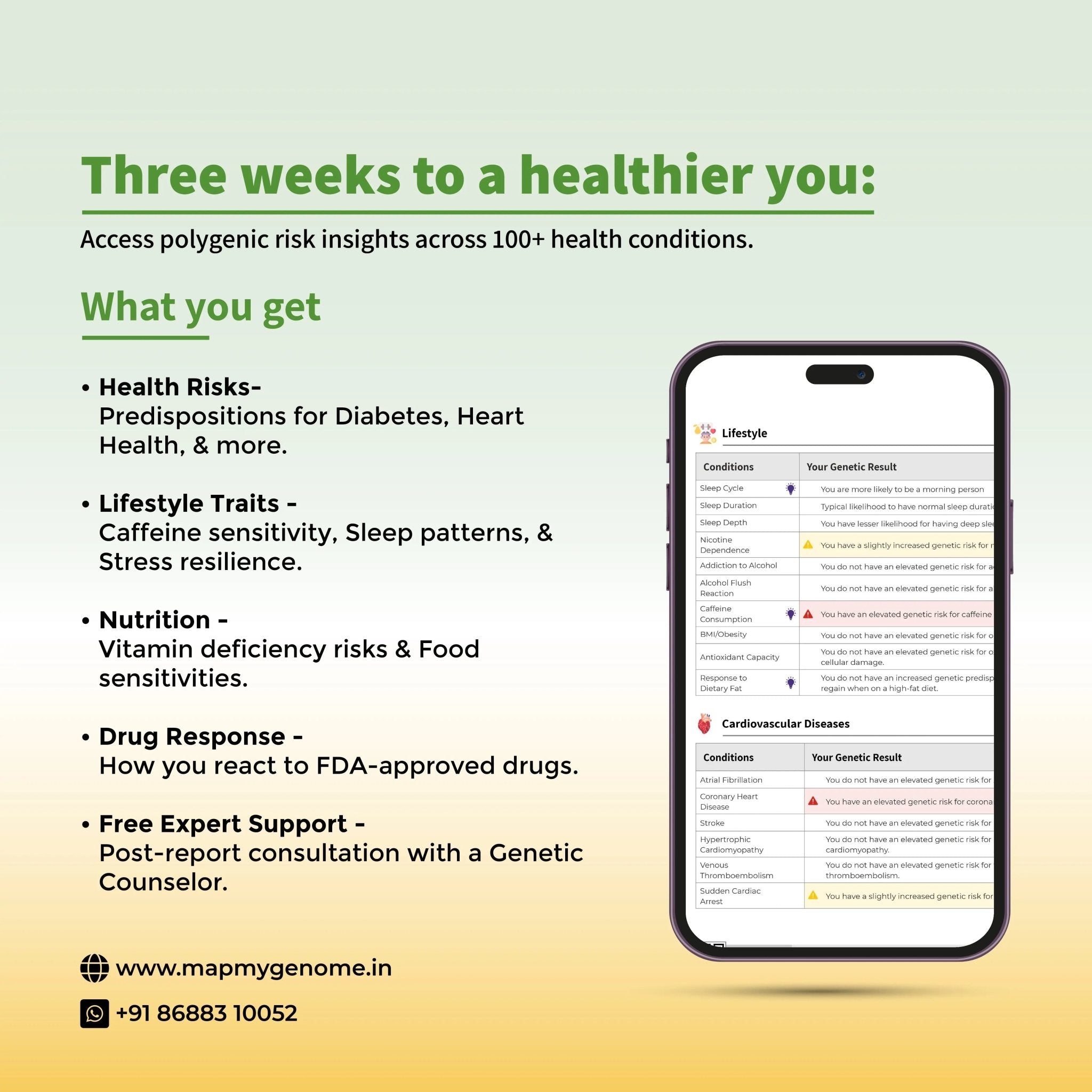
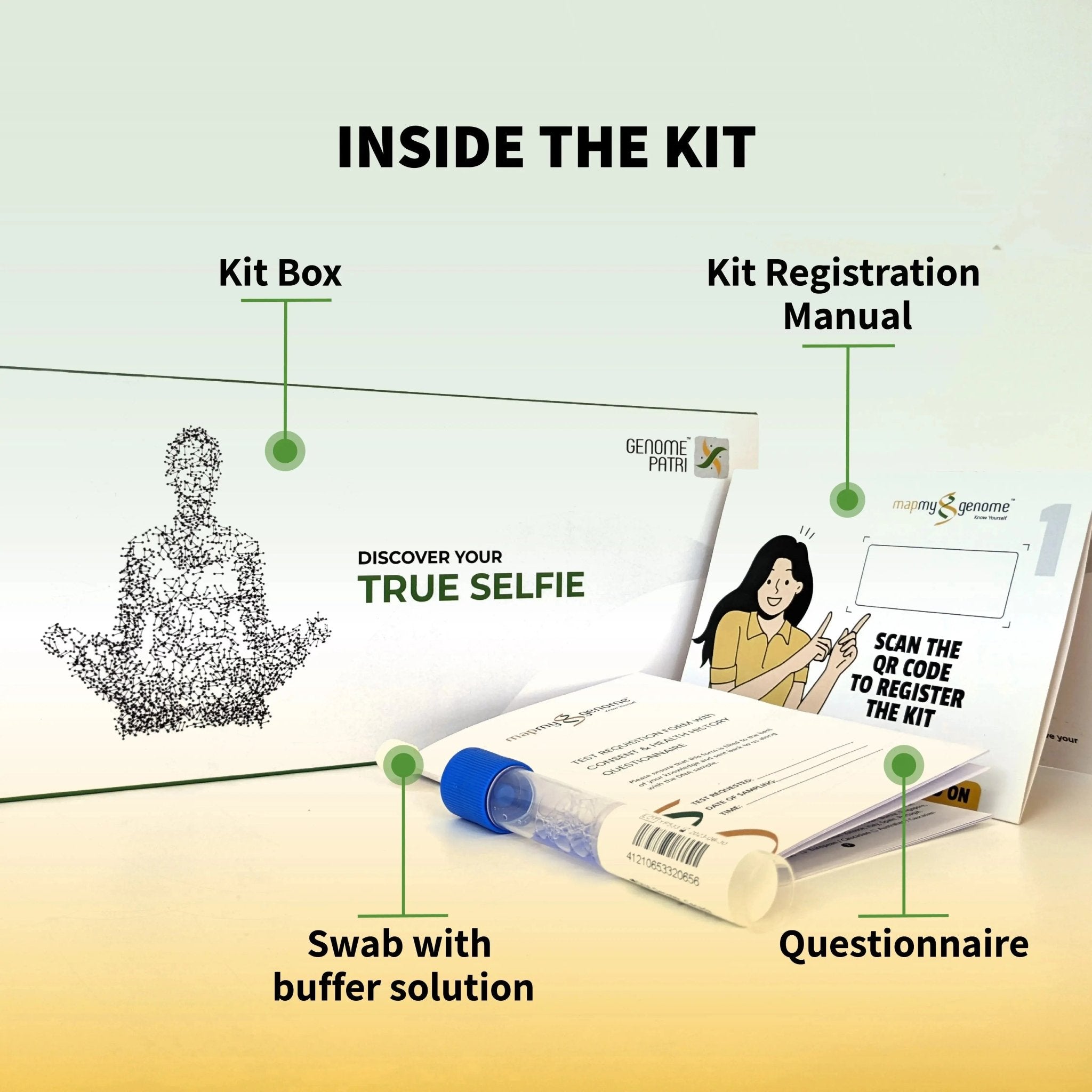
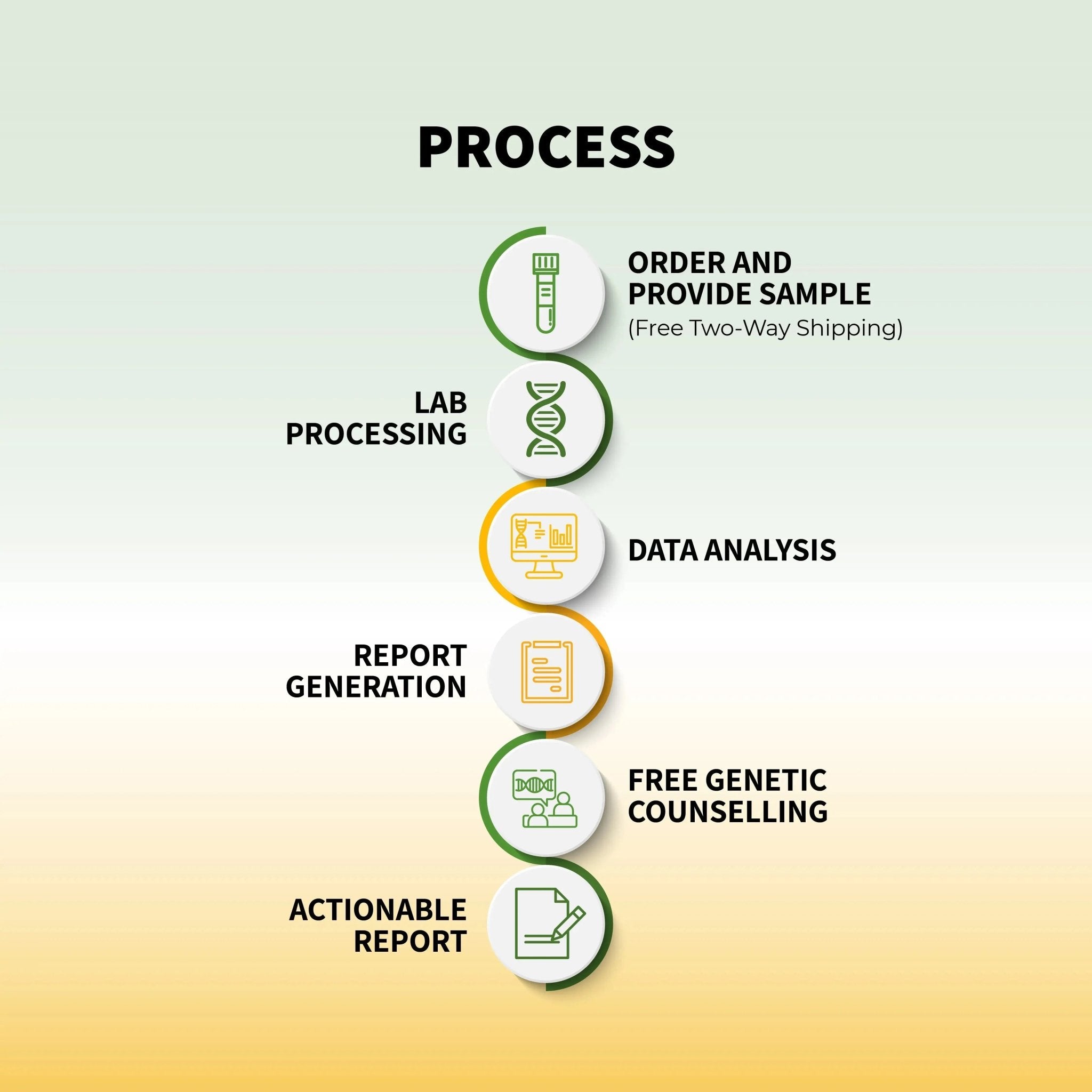
Genomepatri by MapmyGenome screens for Factor V Leiden, Prothrombin G20210A, MTHFR, and other inherited thrombophilia variants — helping you and your doctor assess your VTE risk and take targeted preventive action before it becomes a crisis.