

Obesity, BMI, and Genes
Obesity is one of the most pressing public health challenges of our time — and one of the most misunderstood. It is not simply a matter of eating too much and exercising too little. Genetics plays a profound role in determining body weight, fat distribution, metabolism, and response to diet and exercise. Understanding the genetic basis of obesity is essential for developing truly effective, personalised weight management strategies.
What Is BMI?
Body Mass Index (BMI) is a simple measure of body weight relative to height (weight in kg ÷ height in m²). While BMI is widely used as a screening tool, it has significant limitations — it does not distinguish between fat mass and muscle mass, and it does not account for fat distribution (visceral vs. subcutaneous fat). Two people with the same BMI can have very different metabolic health profiles.
The Genetics of Obesity
Heritability estimates for BMI range from 40–70% — meaning that 40–70% of the variation in body weight between individuals is attributable to genetic factors. Key genetic contributors include:
FTO gene — the most well-studied obesity gene; variants in FTO are associated with increased BMI, higher fat mass, and increased appetite
MC4R gene — mutations in the melanocortin-4 receptor gene are the most common cause of monogenic (single-gene) obesity
ADIPOQ gene — encodes adiponectin, a hormone involved in glucose regulation and fatty acid oxidation; variants affect metabolic risk
PPARG gene — involved in fat cell differentiation and insulin sensitivity; variants influence obesity and type 2 diabetes risk
Polygenic risk — hundreds of common genetic variants each contribute a small effect to overall obesity risk
Genes, Environment, and Lifestyle
Genetic predisposition to obesity does not mean obesity is inevitable. Lifestyle factors — diet, physical activity, sleep, and stress management — interact with your genetic profile to determine your actual weight and metabolic health. Understanding your genetic obesity risk profile allows you to make targeted lifestyle modifications that work with your biology, not against it.
Know Your Genetic Obesity and Metabolism Profile
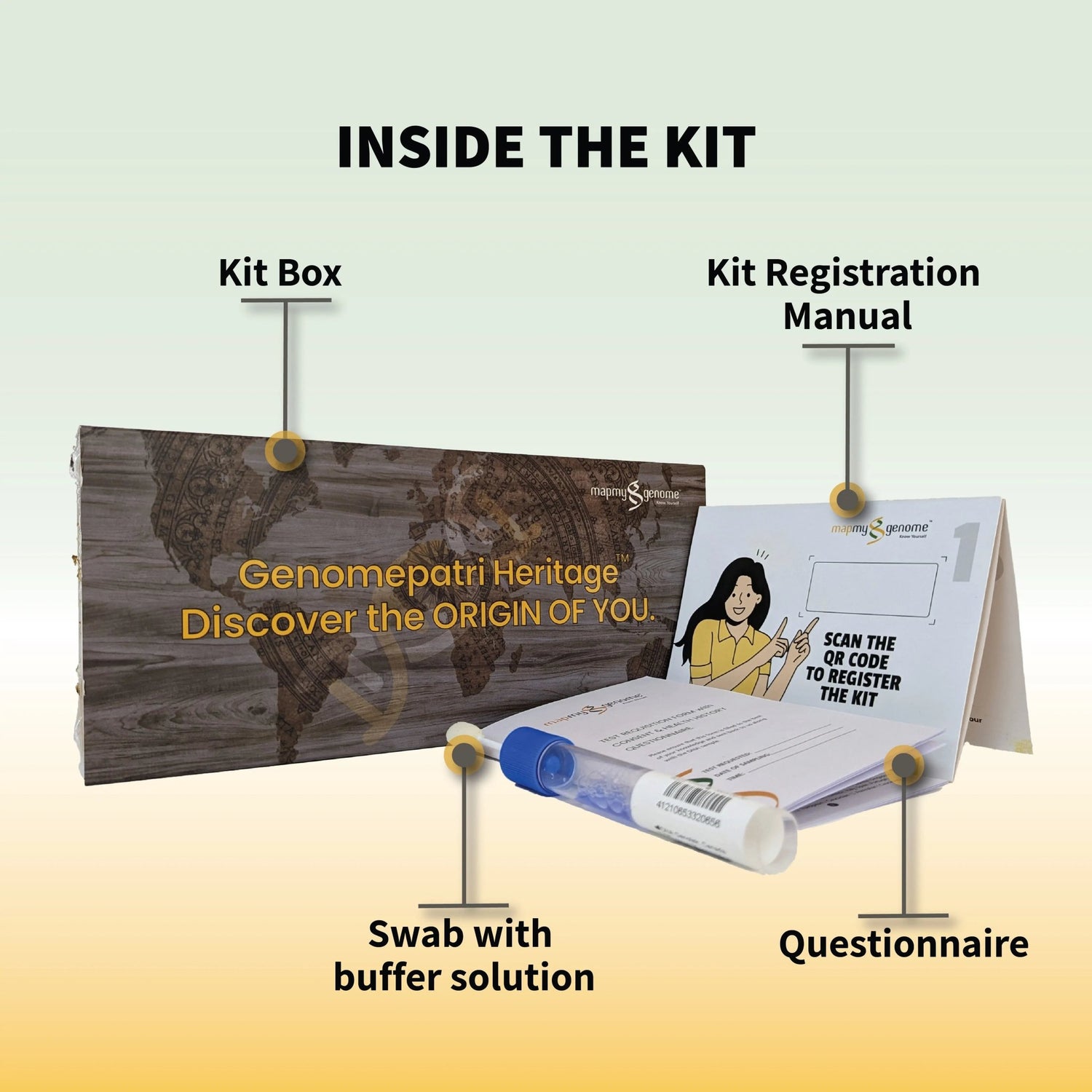
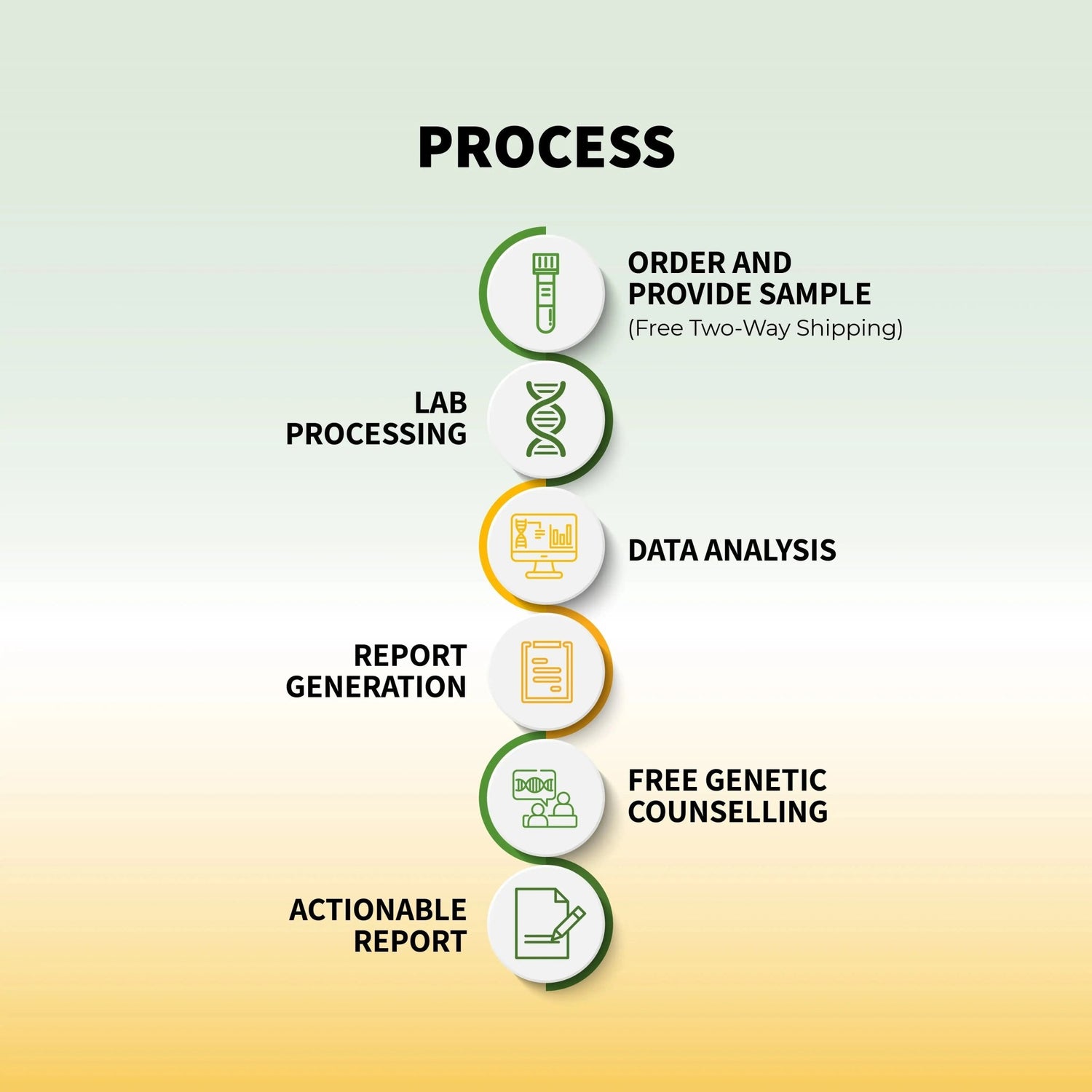
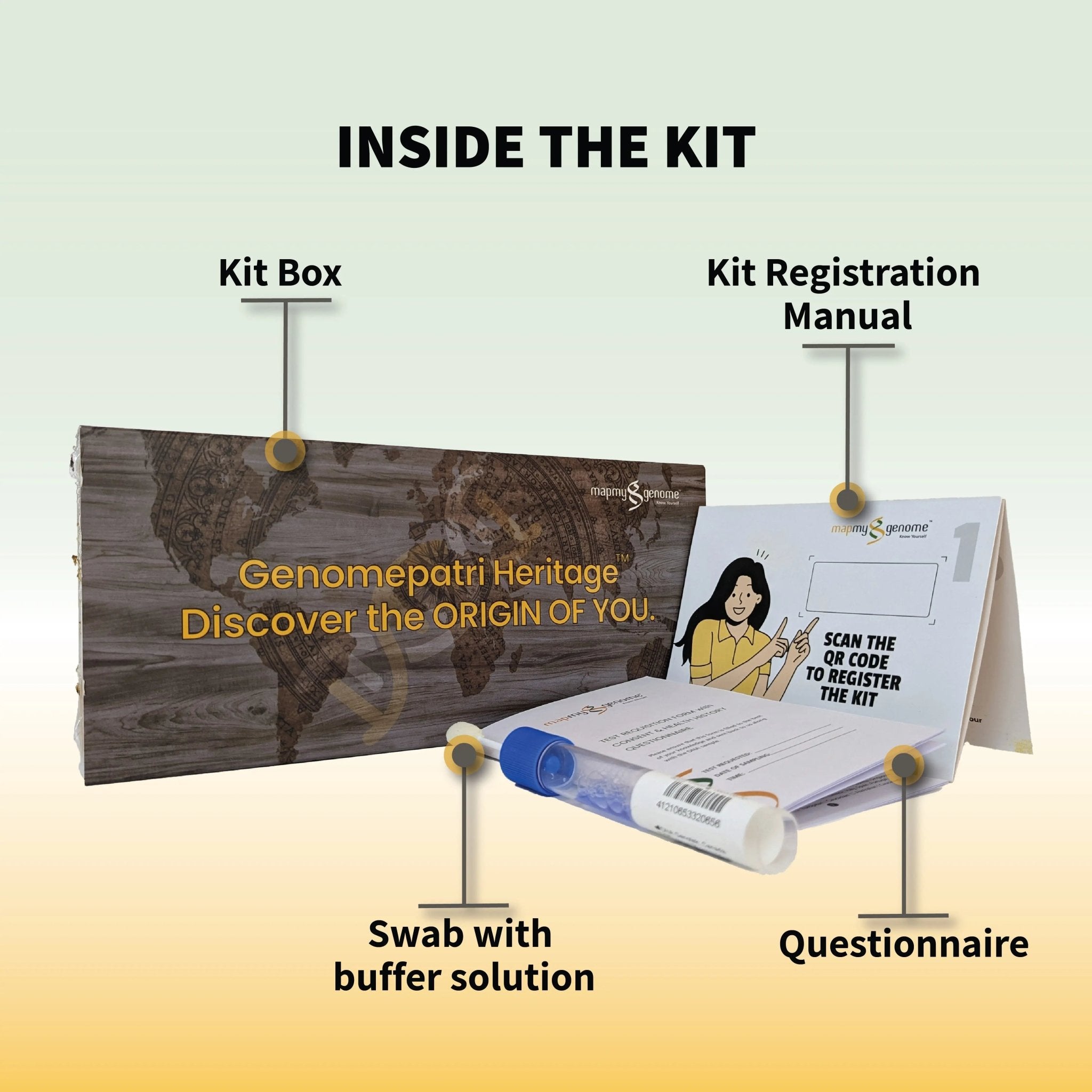
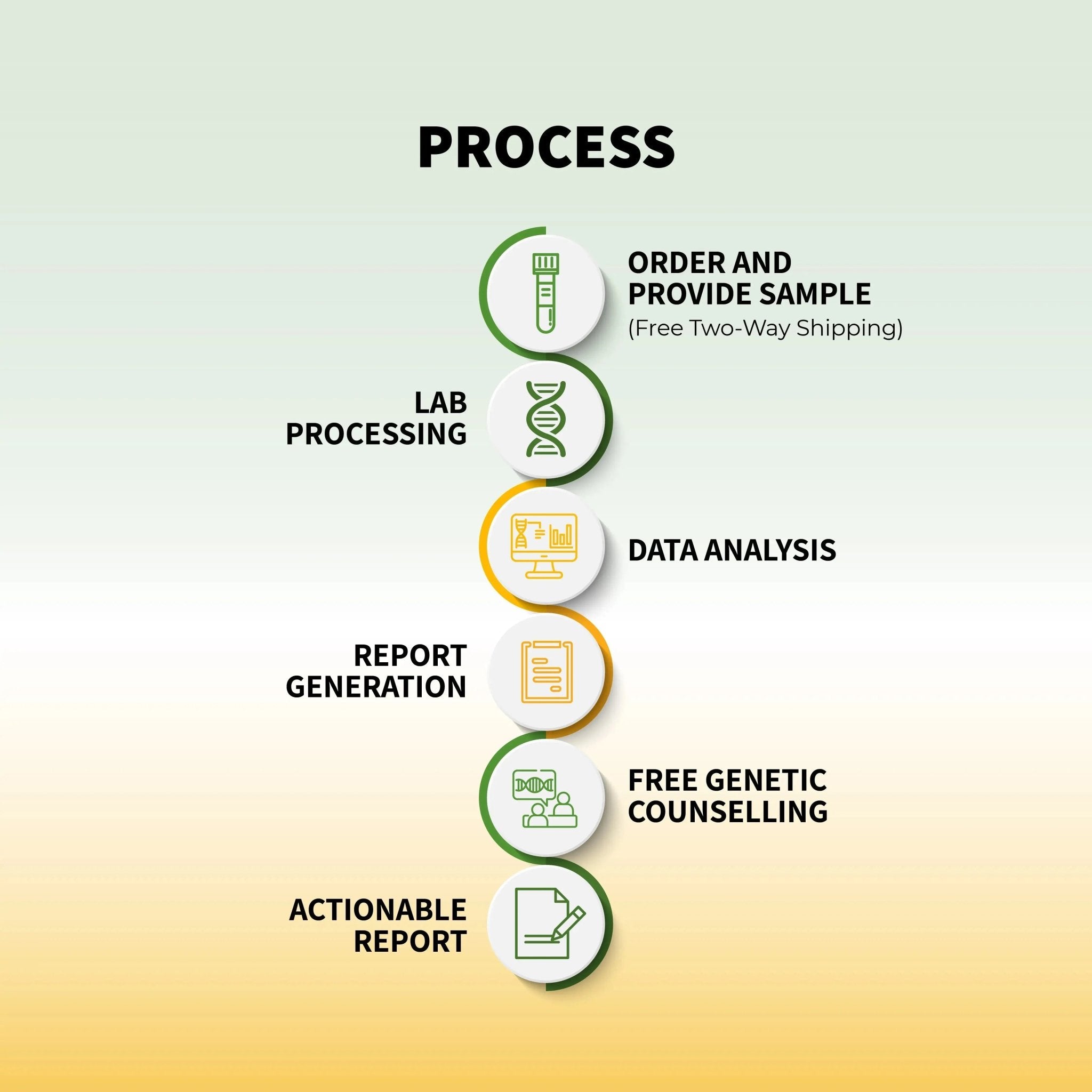
Genomepatri by MapmyGenome covers genetic predisposition to obesity, BMI, fat metabolism, insulin resistance, and 100+ other health and nutrition traits. Includes certified genetic counselling to help you build a personalised weight management plan.