

Plasma Therapy in COVID-19 Treatment
As COVID-19 continues to wreak havoc, many scientists and researchers across the world are doing their best to find solutions to lessen the effects of the disease. One such treatment is the use of convalescent plasma therapy — a technique dating back to the 1800s, first used to treat diphtheria, and later used for the Spanish flu, measles, influenza, H1N1, H5N1 avian flu, and Ebola.
What Is Convalescent Plasma Therapy?
Convalescent plasma (immune plasma) refers to plasma collected from individuals who have been infected and developed antibodies. The therapy involves passive antibody transfer — antibodies from the blood of recovered patients are transfused to those critically affected by the virus. It is a form of passive immunisation and a preventive measure; it cannot be used as a standalone treatment for the overall disease. The therapy can also be used to immunise those at higher risk of contracting the virus, such as healthcare workers.
How It Works
The antibodies produced in recovered individuals show their therapeutic action through several mechanisms: binding to pathogens and killing them, antibody-mediated cytotoxicity, activation of complement cascades, and neutralising the effect of the virus. When donated to patients, they help fight the infection and may reduce disease severity.
Convalescent Plasma Collection Workflow
Donor eligibility: Individuals must have a clinical history of infection and be virus-free at the time of donation — no sooner than 14 days after resolution of symptoms
Pre-donation screening: Donors are screened for the virus and other diseases such as hepatitis and HIV
Collection: Apheresis (rather than whole blood donation) is recommended to optimise plasma yield. Approximately 400–800 ml of plasma from a single apheresis donation provides 2–4 units of convalescent plasma. Units are frozen within 24 hours and quarantined
Dosing: Based on experience with SARS, 5 ml/kg of plasma at a titer of 1:160 was utilised. Prophylactic doses are typically a quarter of the proposed treatment dose
Evidence and Limitations
In a study of five COVID-19 patients in China treated with convalescent plasma, body temperature normalised and viral load decreased following transfusion. However, the limited sample size and study design preclude a definitive statement about effectiveness — these observations require evaluation in clinical trials. It was also unclear whether improvement was due to plasma therapy alone, as patients were treated with multiple agents simultaneously.
Potential risks include inadvertent infections, suppression of natural innate immune responses, serum sickness, allergic transfusion reactions, and transfusion-associated circulatory overload.
Know Your Genetic Immune Profile
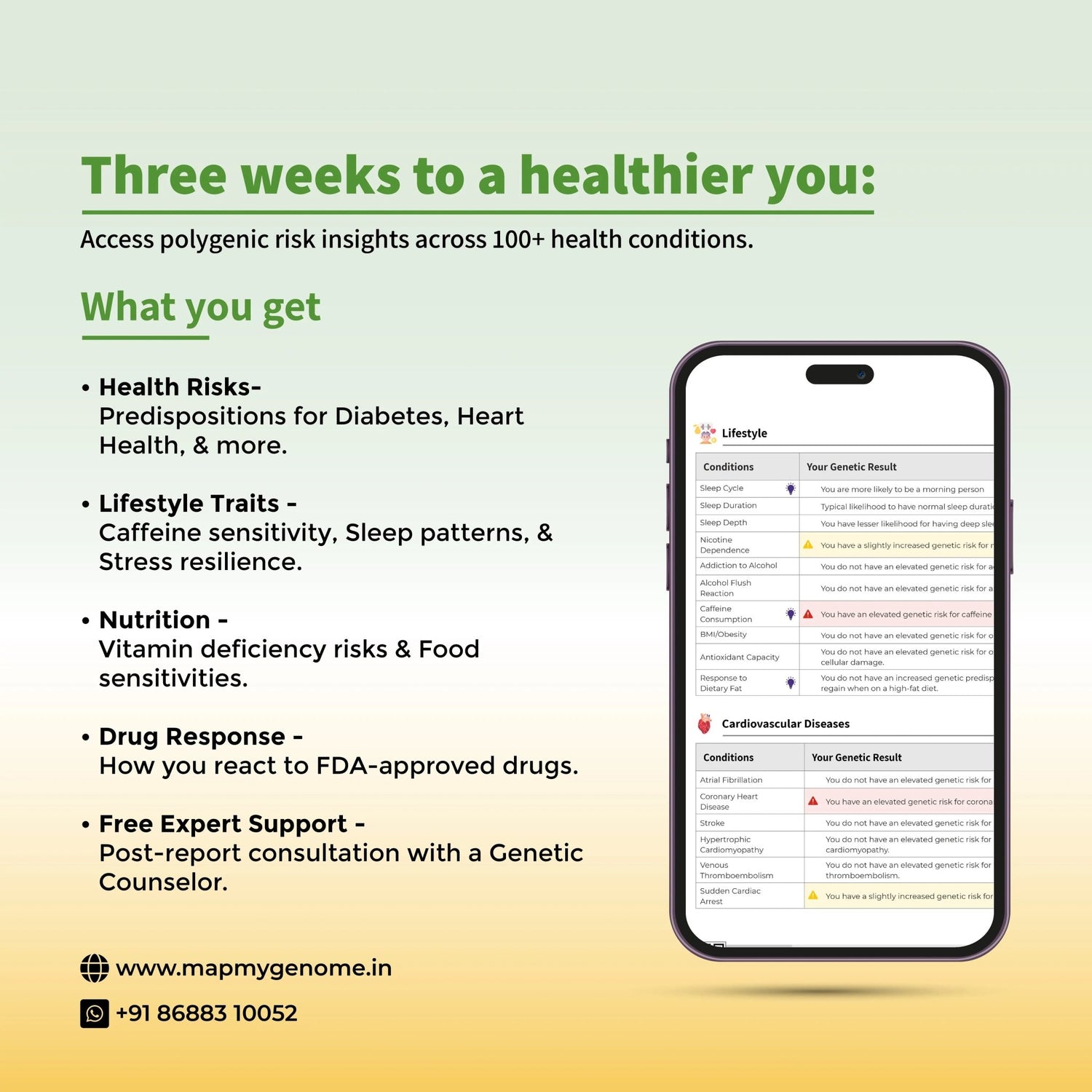
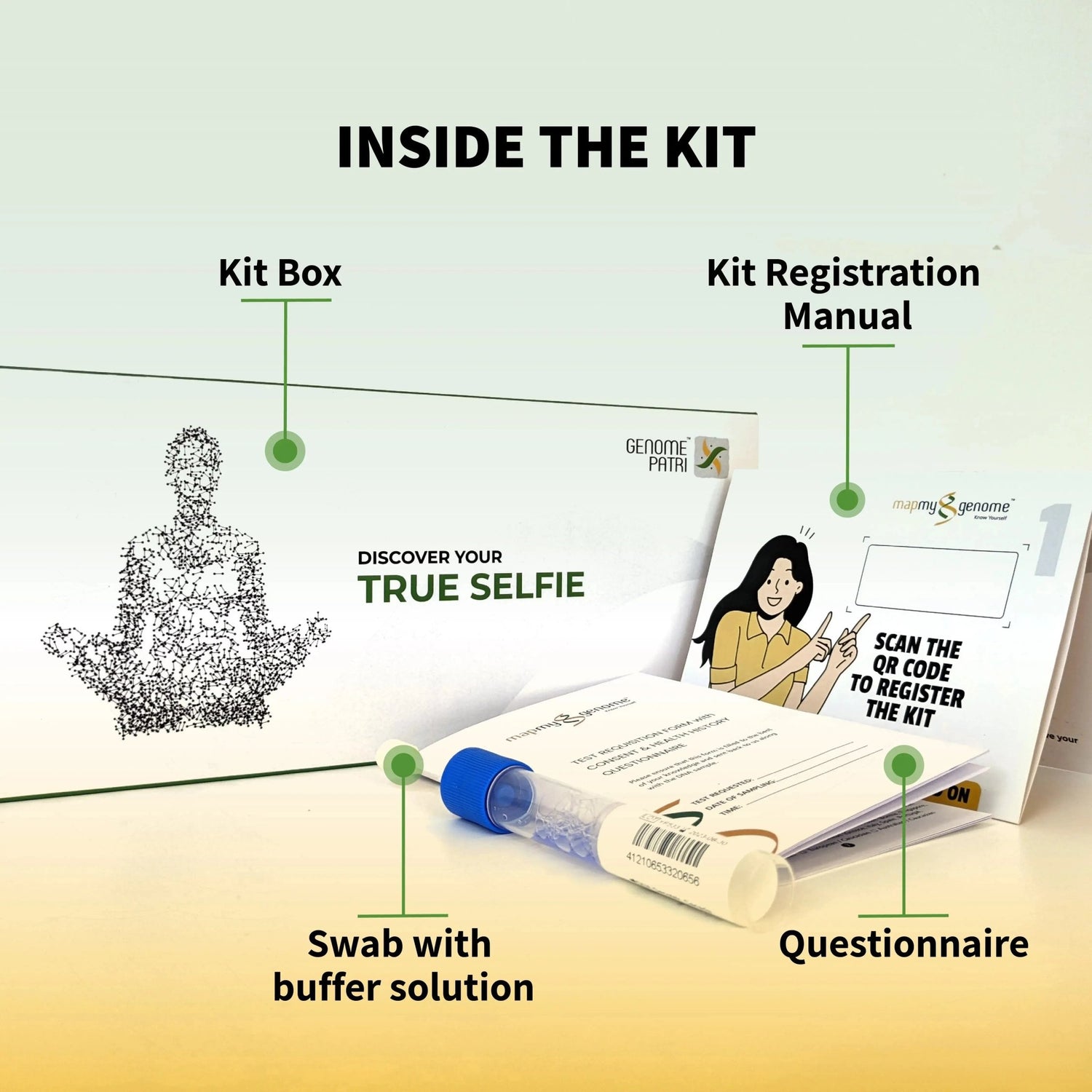
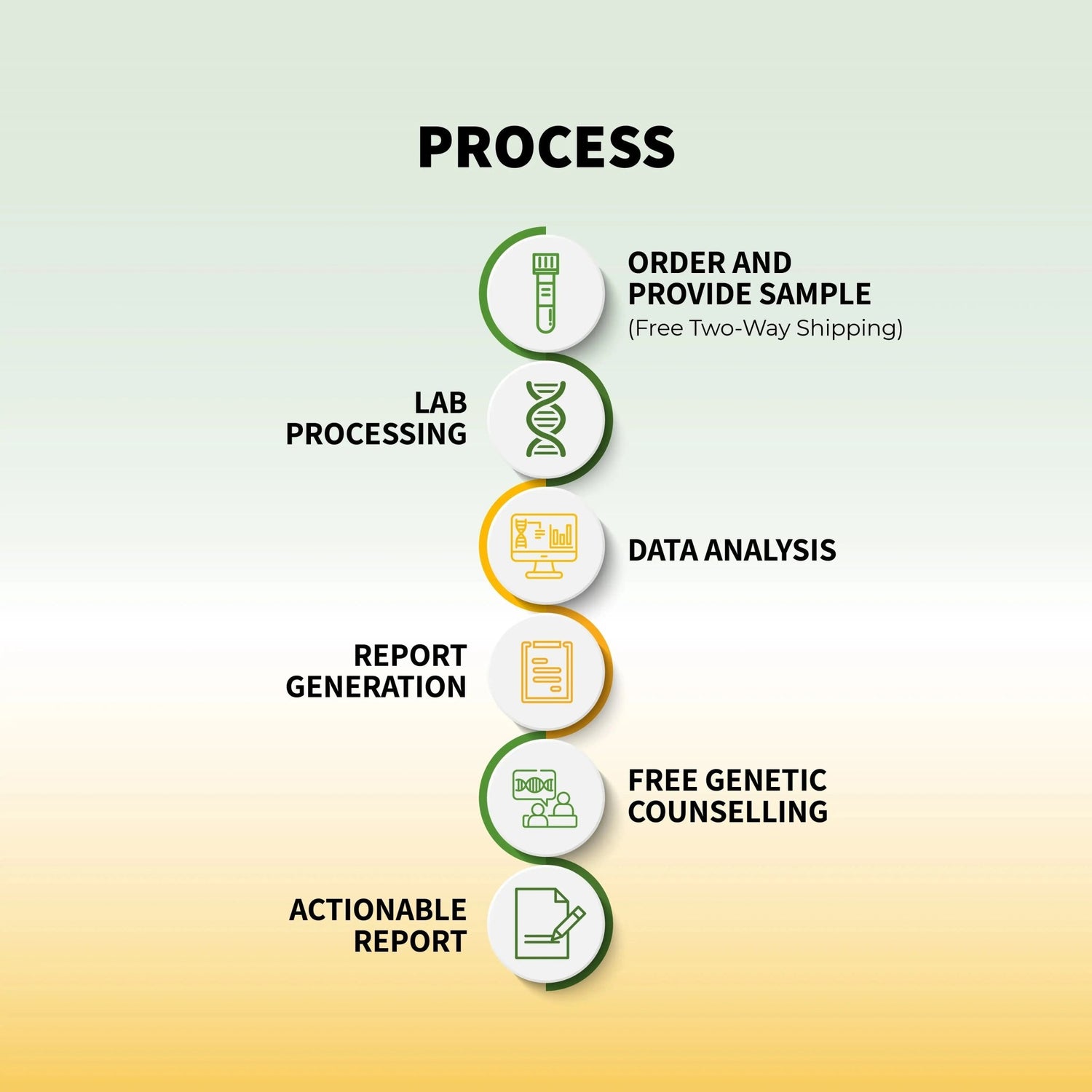
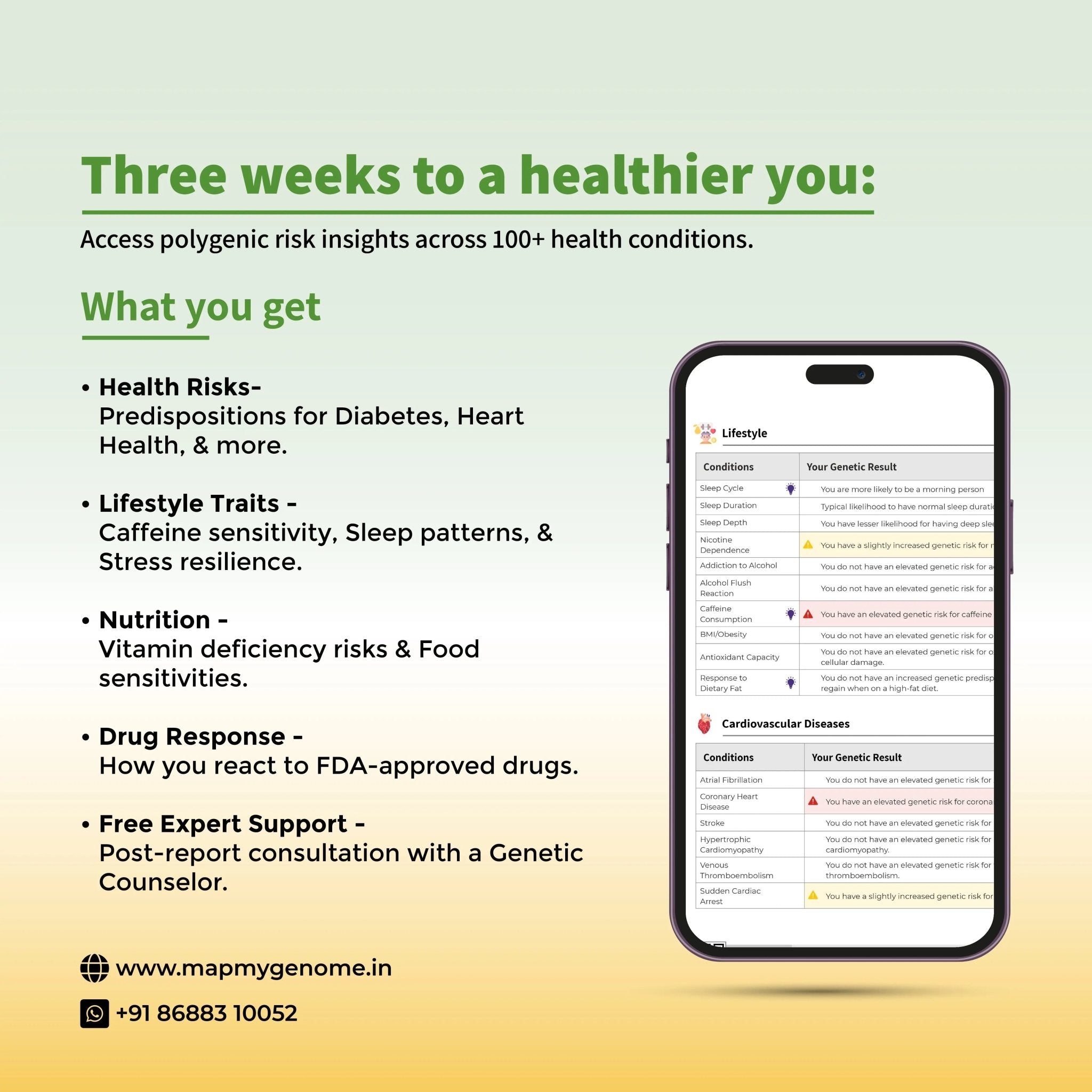
Genomepatri by MapmyGenome includes immune-related genetic traits — helping you understand your predisposition to infections, inflammatory conditions, and how your body responds to environmental challenges including viral infections.