Plate It Right! Understanding Hunger, Fullness & Your Eating Phenotype
To bite or not to bite — that’s a question most of us answer without thinking, several times a day. But why do some people feel hungry every two hours while others can comfortably skip a meal? And why do two people on the exact same diet respond so differently? A lot of it comes down to how your body manages two key hunger hormones: leptin and ghrelin.
The Hormones Behind Hunger
Ghrelin is often called the “hunger hormone” — it’s released mainly by the stomach when it’s empty, signalling the brain that it’s time to eat. Leptin, produced by fat cells, does the opposite — it signals fullness and helps regulate long-term energy balance. In a well-functioning system, these two hormones work in balance: ghrelin rises before a meal and falls after eating, while leptin rises as fat stores increase to help suppress appetite.
Genetic variation can affect how sensitive the brain is to leptin’s fullness signal, meaning some people need to eat more before feeling satisfied, even with adequate fat stores. Chronic poor sleep and stress can also blunt leptin sensitivity and elevate ghrelin — which is part of why sleep-deprived days often come with stronger cravings.
Common Eating Phenotypes
Understanding your own eating pattern can make a real difference in how you approach food:
Frequent grazer — Feels hungry often, even after eating. Higher protein/fibre meals help extend satiety
Big-meal eater — Prefers fewer, larger meals. Balanced macronutrients help avoid energy crashes
Stress eater — Eating driven by emotional state more than hunger cues. Identifying triggers separate from physical hunger is key
Late-night eater — Hunger peaks in the evening. Adjusting meal timing and protein earlier in the day can help
None of these patterns are “wrong” — they’re just different starting points, and the right approach looks different depending on which one describes you.
Where Genetics Fits In
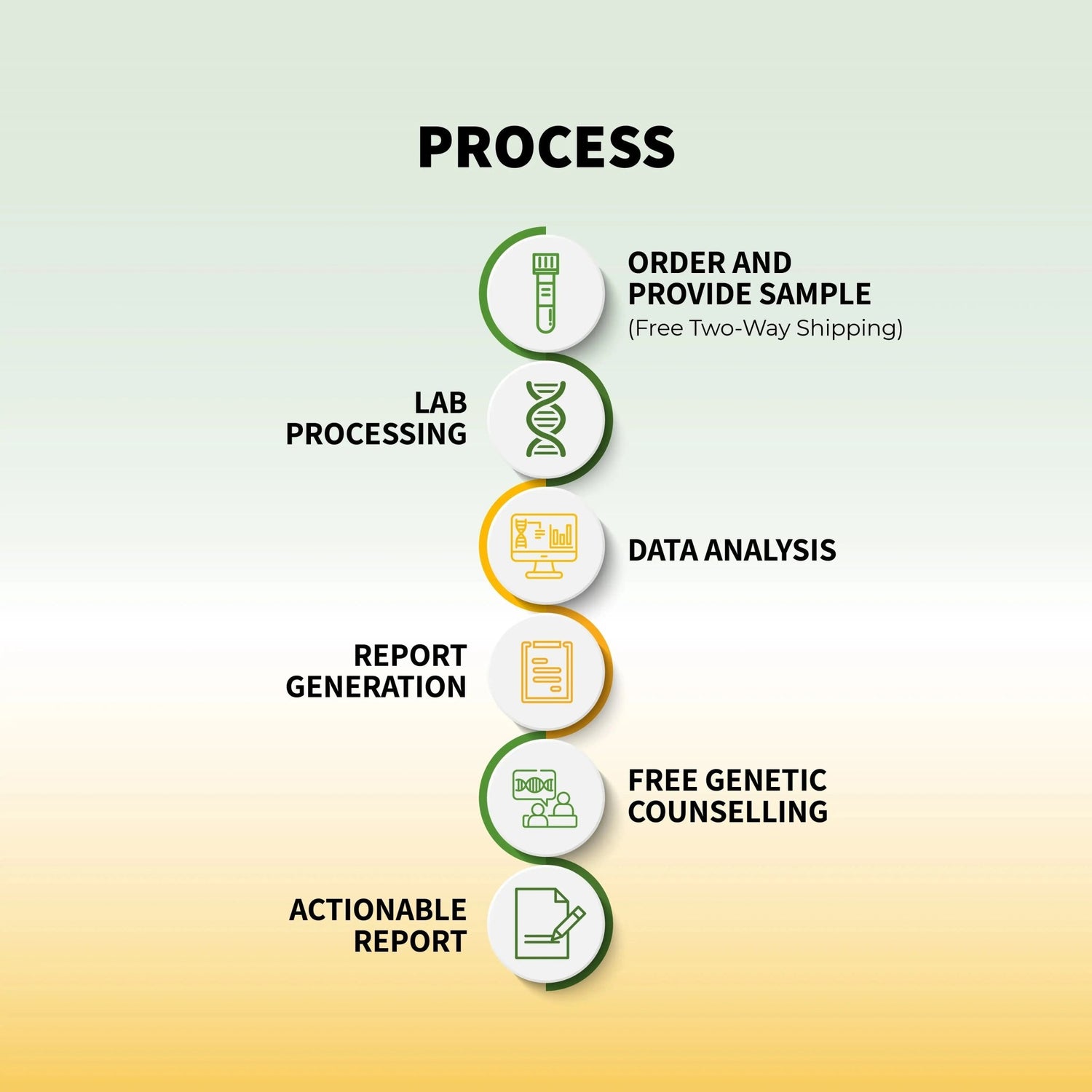
Genetic testing can help identify variants linked to appetite regulation, satiety signalling, and how your body responds to different macronutrients — turning “why do I always feel hungry” from a guessing game into something you can actually work with. Rather than following generic diet advice that may work against your natural eating pattern, understanding your own phenotype lets you build an approach suited to how your body actually operates.
Eat Right for Your DNA
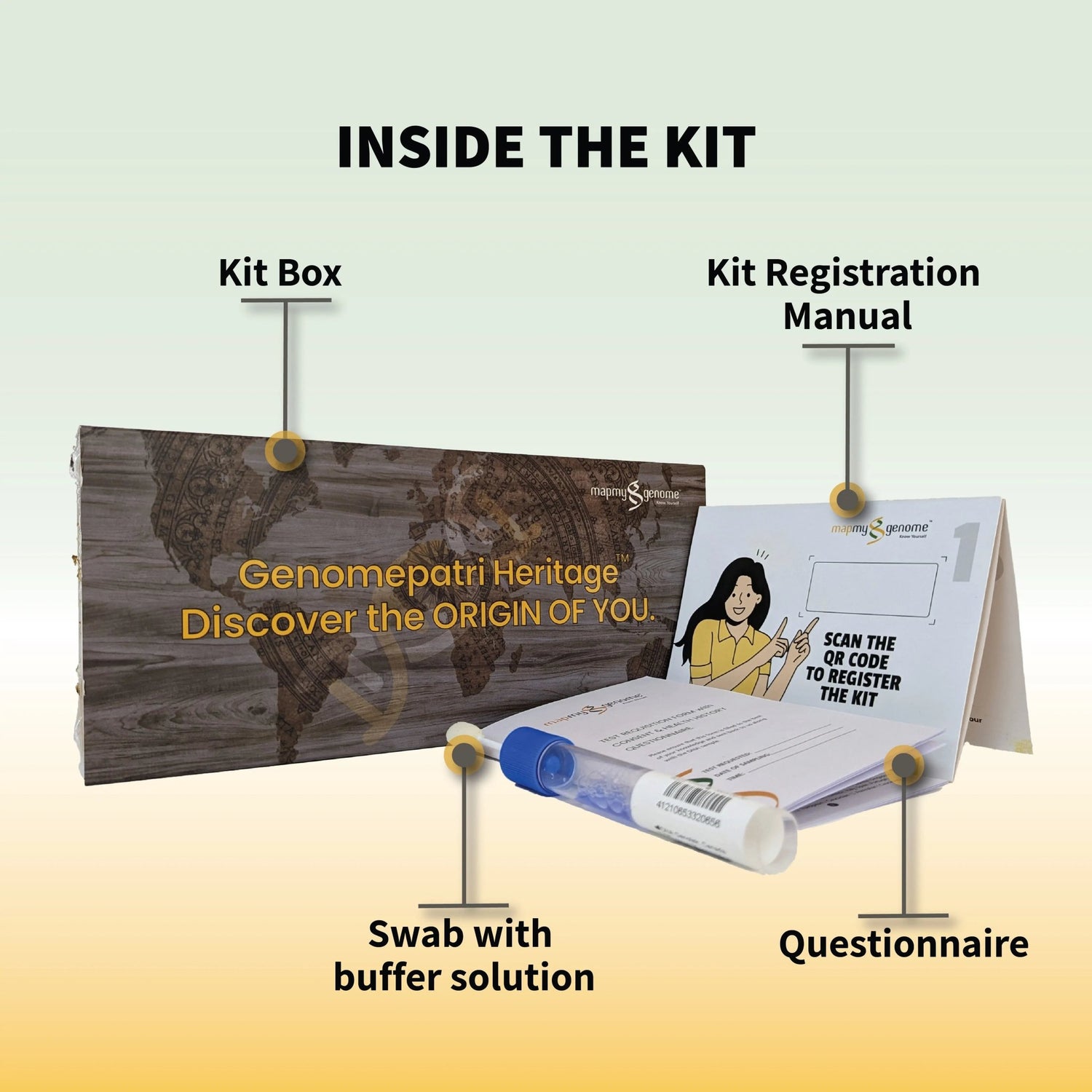
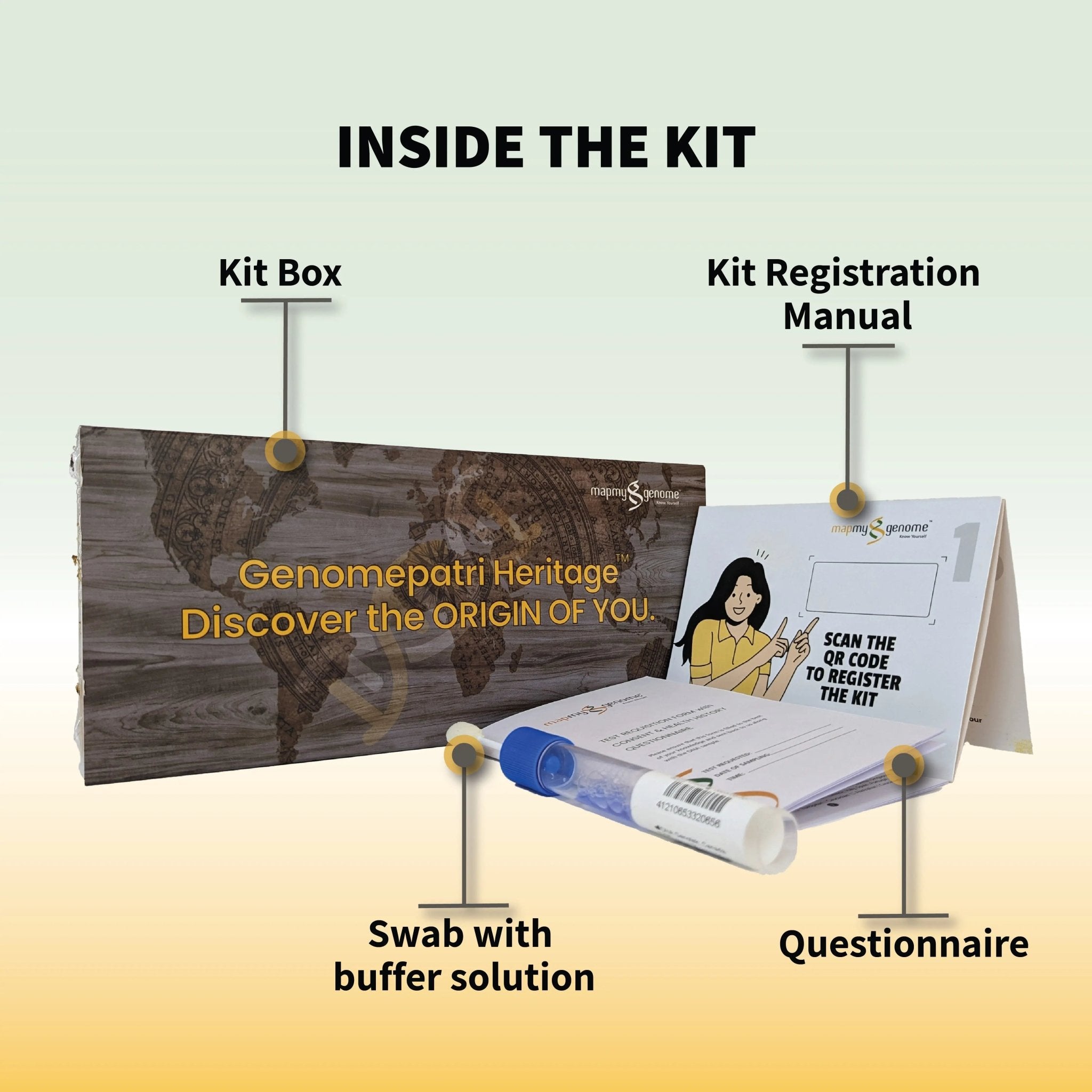
Genomepatri by MapmyGenome reveals your personalised nutrition profile — including satiety genetics, carbohydrate and fat metabolism, and eating behaviour traits — so you can build a diet plan that truly fits your biology.