

Role of Cardiac Biomarkers in Diagnosing Heart Attack
When someone presents to an emergency department with chest pain, one of the first things doctors do is order cardiac biomarker tests. These blood tests measure proteins released by damaged heart muscle cells — providing critical information about whether a heart attack has occurred, how severe it is, and how the heart is recovering.
Key Cardiac Biomarkers
Troponin (cTnI and cTnT)
Troponin is the gold standard cardiac biomarker. Cardiac troponin I (cTnI) and troponin T (cTnT) are proteins found almost exclusively in heart muscle cells. When heart muscle is damaged — as in a heart attack — troponin is released into the bloodstream. High-sensitivity troponin (hs-cTn) tests can detect even tiny amounts of troponin, enabling earlier and more accurate diagnosis of heart attack. Troponin levels rise within 3–4 hours of a heart attack and remain elevated for 10–14 days.
CK-MB (Creatine Kinase-MB)
CK-MB is an enzyme found predominantly in heart muscle. It rises within 3–6 hours of a heart attack, peaks at 12–24 hours, and returns to normal within 48–72 hours. CK-MB is useful for detecting reinfarction (a second heart attack) because it normalises faster than troponin.
BNP and NT-proBNP
Brain natriuretic peptide (BNP) and its precursor NT-proBNP are released by the heart in response to increased wall stress — as occurs in heart failure. Elevated BNP/NT-proBNP levels indicate heart failure and help guide treatment decisions.
Myoglobin
Myoglobin is an early marker of heart muscle damage, rising within 1–3 hours of a heart attack. However, it is less specific than troponin as it is also found in skeletal muscle.
The Genetic Angle
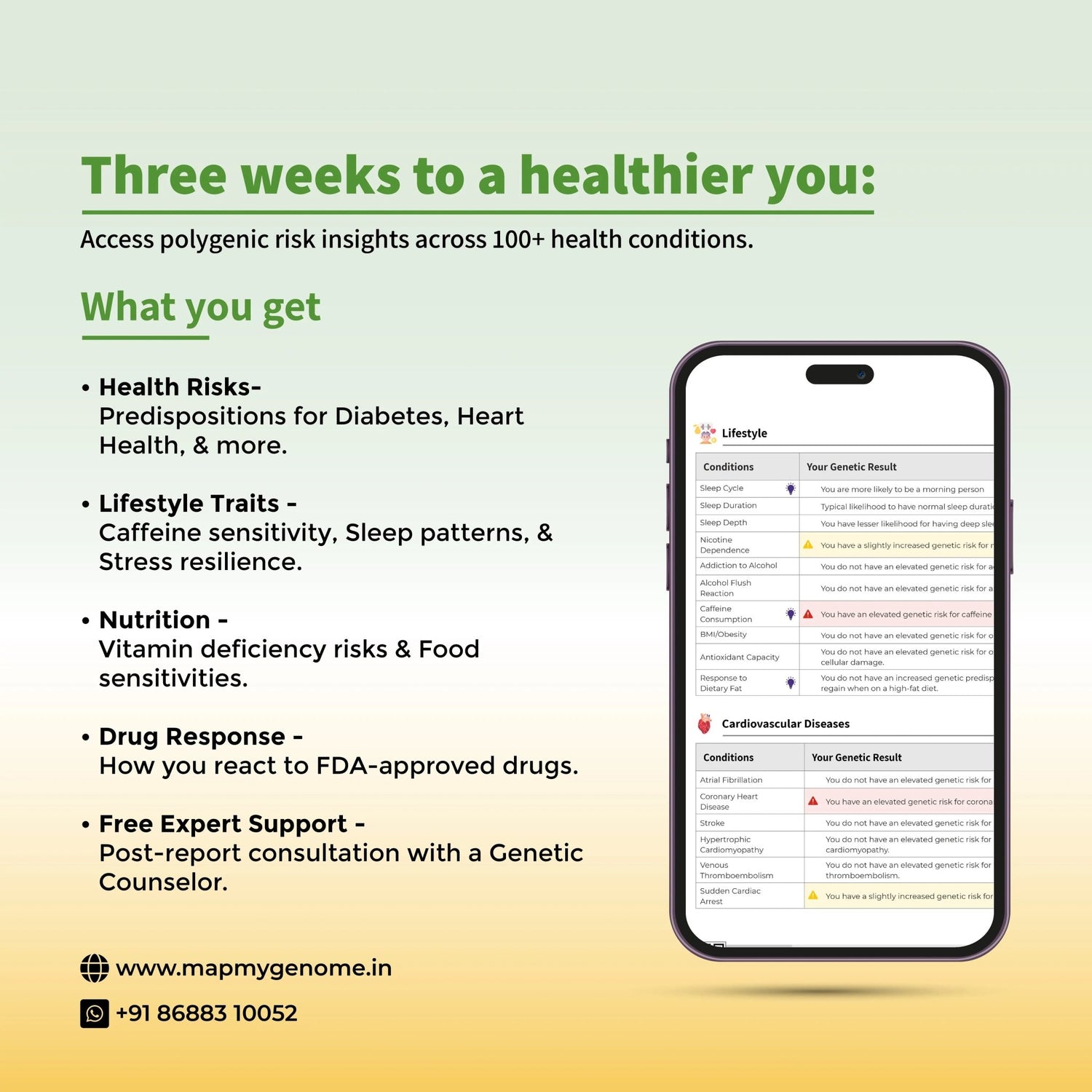
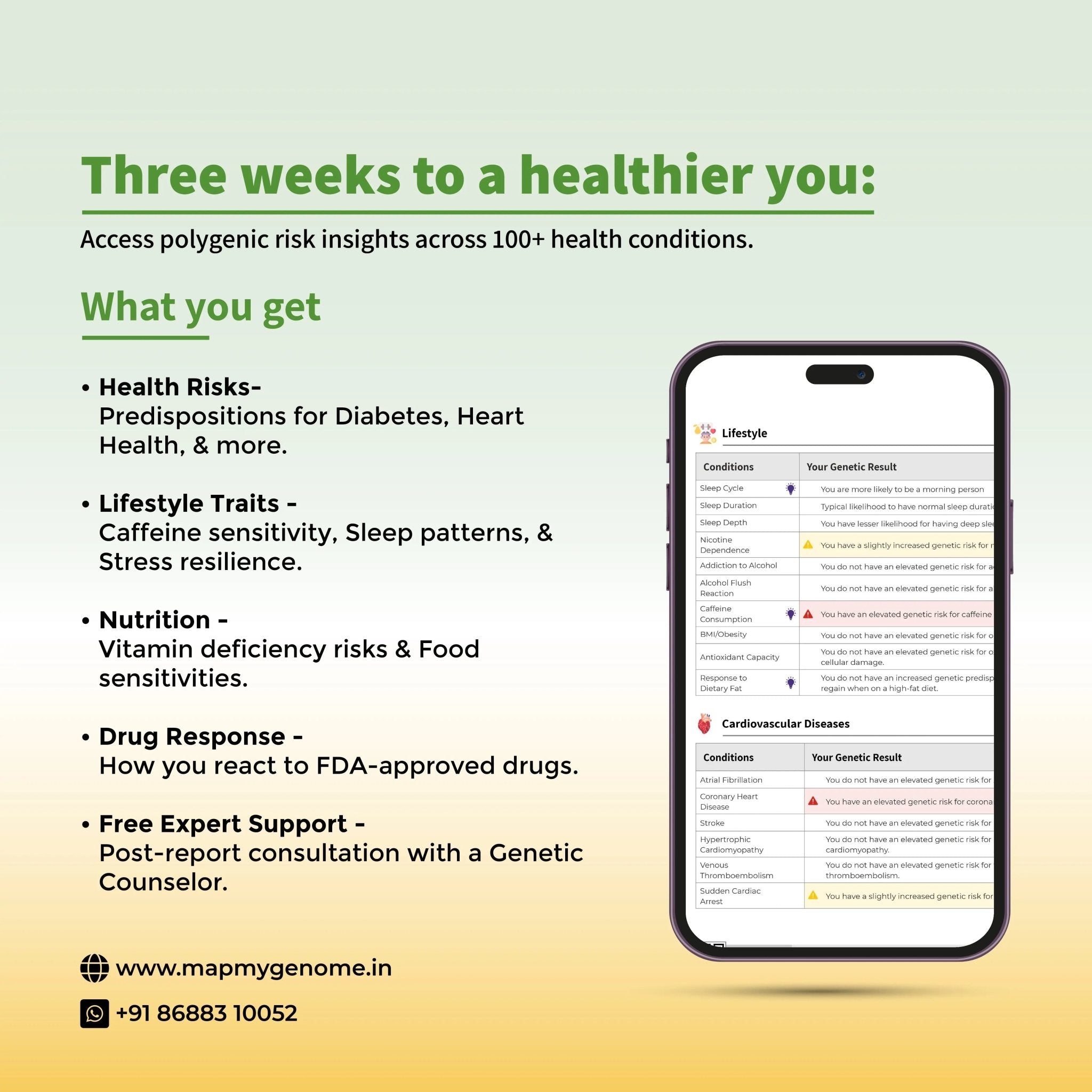
Genetic variants influence baseline troponin levels, cardiovascular risk, and the likelihood of developing heart disease. Understanding your genetic cardiovascular risk profile — including predisposition to coronary artery disease, hypertension, and dyslipidaemia — allows you to take targeted preventive action before a cardiac event occurs.
Know Your Genetic Heart Health Profile
Cardiomap by MapmyGenome offers a comprehensive hereditary cardiovascular risk panel. Genomepatri covers genetic predisposition to cardiovascular disease, hypertension, cholesterol, and 100+ other health conditions. Both include certified genetic counselling.