

Mental health conditions like depression and anxiety are among the most common and most complex health challenges globally. While environmental factors, life experiences, and stress play significant roles, genetics is a critical and often underappreciated contributor to mental health risk and treatment response.
DNA testing is opening new doors in mental health — from understanding your inherited risk to personalizing your treatment approach.
The Genetic Basis of Depression and Anxiety
Depression and anxiety are polygenic conditions — influenced by hundreds of genetic variants, each contributing a small effect. Key genetic factors include:
- Serotonin transporter gene (SLC6A4) — Variants in this gene affect how efficiently serotonin is recycled in the brain, influencing susceptibility to depression and anxiety, particularly in response to stress.
- COMT gene — Influences dopamine metabolism in the prefrontal cortex, affecting stress resilience, emotional regulation, and cognitive function.
- BDNF gene — Brain-derived neurotrophic factor supports neuroplasticity. Certain variants are associated with increased vulnerability to depression.
- HPA axis genes — Regulate the stress response. Variants here influence cortisol levels and how your body responds to chronic stress.
Pharmacogenomics: Personalizing Mental Health Treatment
One of the most clinically significant applications of DNA testing in mental health is pharmacogenomics — understanding how your genes affect your response to psychiatric medications. Key genes include CYP2D6 and CYP2C19, which metabolize many antidepressants and anxiolytics. Variants in these genes determine whether you're a poor, normal, or rapid metabolizer — directly affecting drug efficacy and side effect risk.
Pharmacogenomic testing can help your psychiatrist choose the right medication and dosage from the start, reducing the trial-and-error process that many patients experience.
The Gut-Brain-Gene Connection
Emerging research highlights the role of the gut microbiome in mental health — via the gut-brain axis. Your gut produces over 90% of your body's serotonin. Genetic variants can influence your gut microbiome composition, which in turn affects neurotransmitter production and mood regulation. This means that gut health and genetic health are deeply interconnected when it comes to mental wellness.
What DNA Testing Can and Cannot Tell You
DNA testing for mental health provides probabilistic risk information — not certainties. A genetic predisposition to depression or anxiety does not mean you will develop these conditions. Environmental factors, lifestyle, and social support all play significant roles. However, knowing your genetic vulnerabilities allows you to take targeted preventive action and make more informed treatment decisions.
FAQs
Can a DNA test diagnose depression or anxiety?
No. Genetic testing provides risk information and treatment guidance — it cannot diagnose mental health conditions. Diagnosis requires clinical evaluation by a qualified mental health professional.
Is pharmacogenomic testing available in India?
Yes. MapmyGenome's Medicamap includes pharmacogenomic insights for psychiatric medications, helping guide treatment decisions for depression, anxiety, and other mental health conditions.
Should I share my genetic results with my psychiatrist?
Yes — especially pharmacogenomic results. This information can meaningfully guide medication selection and dosing decisions.
Understand Your Mental Health at the Genetic Level
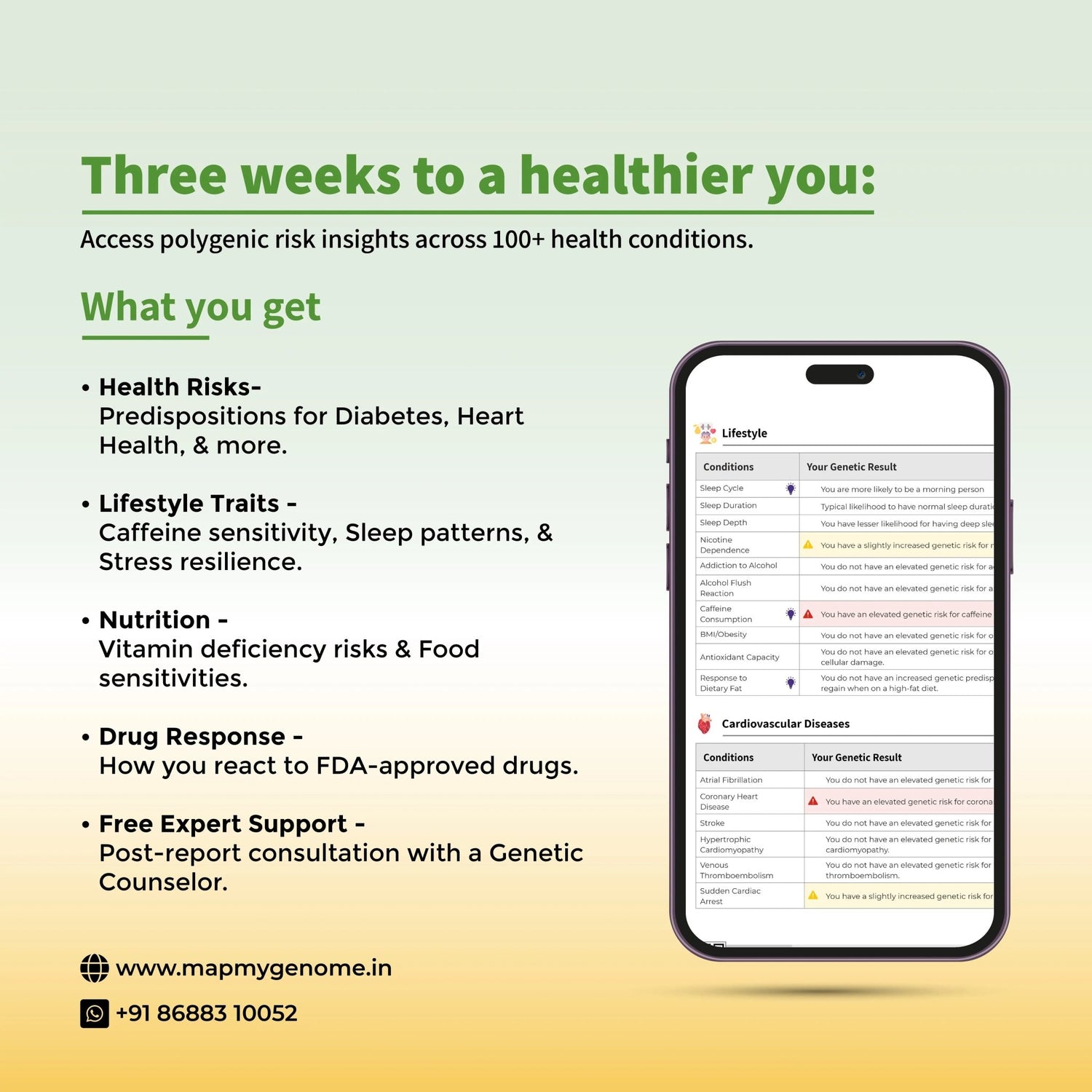
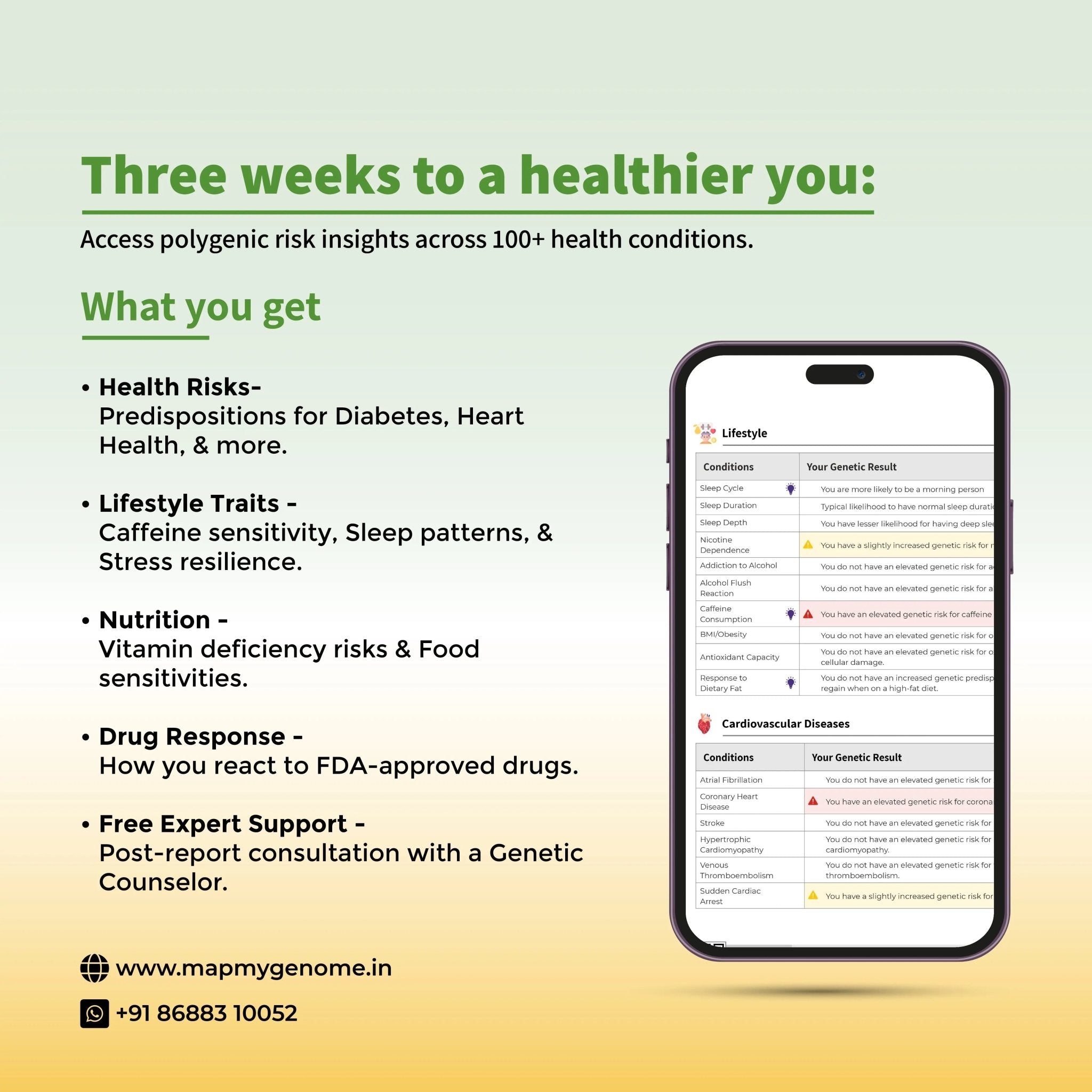
Genomepatri by MapmyGenome includes insights into your genetic stress response, mental wellness traits, and neurotransmitter metabolism. MapmyBiome maps your gut microbiome — a key driver of mood and cognition via the gut-brain axis.