

Tobacco Cessation Tricks That Work: The Science of Quitting For Good
“When you fail to give up the habit, don’t give up. Try again and again!” — A former smoker
Why Quitting Is So Hard: The Dopamine Hijack
When you inhale tobacco smoke or chew gutkha, nicotine enters your bloodstream and reaches your brain within seconds, triggering a massive release of dopamine — the brain’s feel-good chemical. Over time, your brain adapts by reducing natural dopamine production and creating more nicotine receptors. When you try to quit, your brain finds itself starved of dopamine, leading to intense cravings, irritability, anxiety, and difficulty concentrating.
The Missing Link: Your Genes and Nicotine Dependence
Why do some people become heavily dependent after just a few cigarettes while others can walk away easily? The answer is largely in your DNA.
CHRNA5-CHRNA3-CHRNB4 (Nicotine Receptor Sensitivity): Variations in the CHRNA5 gene can alter how satisfying nicotine feels. Individuals with high-risk variants often need more tobacco to achieve the same effect, predisposing them to heavy, long-term dependence
CYP2A6 (Nicotine Metabolism Speed): Fast metabolisers clear nicotine quickly, experience harsher withdrawal, and typically need higher-dose NRT. Slow metabolisers smoke fewer cigarettes and have higher success rates with behavioural modification alone
Evidence-Based Cessation Strategies
1. Master the “4 D’s” for Acute Cravings
An intense craving typically peaks for only 3–5 minutes. Use the 4 D’s to ride it out:
Delay: Wait at least 10 minutes before giving in
Deep Breathe: Inhale slowly through your nose and exhale out your mouth
Drink Water: Slowly sip cold water to occupy your hands and mouth
Distract: Shift your environment immediately — walk into another room, call a friend
2. Tailor Your Nicotine Replacement Therapy (NRT)
NRTs (nicotine gums, patches, lozenges) double your chances of quitting successfully. For heavy users or fast metabolisers, a combination approach works best: a 24-hour patch for steady baseline nicotine, paired with gum for acute cravings.
3. Deconstruct Your Behavioural Triggers
Smoking is heavily tethered to daily habits. Break the pairing: if you always smoke with morning coffee, switch to green tea or drink in a different room. If you reach for gutkha after meals, immediately pop a strong mint or fennel (saunf).
4. Change Your Internal Narrative
Instead of “I am trying to quit smoking,” switch to “I am a non-smoker.” Reframing the habit as no longer part of your identity drastically reduces the psychological friction of deprivation.
Tips That Work — Summary
Don’t give up on giving up — it may take more than one try
Do it for a reason — find your “why” and hold onto it
Set short-term goals — start with a 15–20% reduction
Identify your triggers and plan alternatives for each one
Keep your environment smoke-free
Build a support network of people who care about your wellbeing
Quit Smarter with Your Genetic Profile
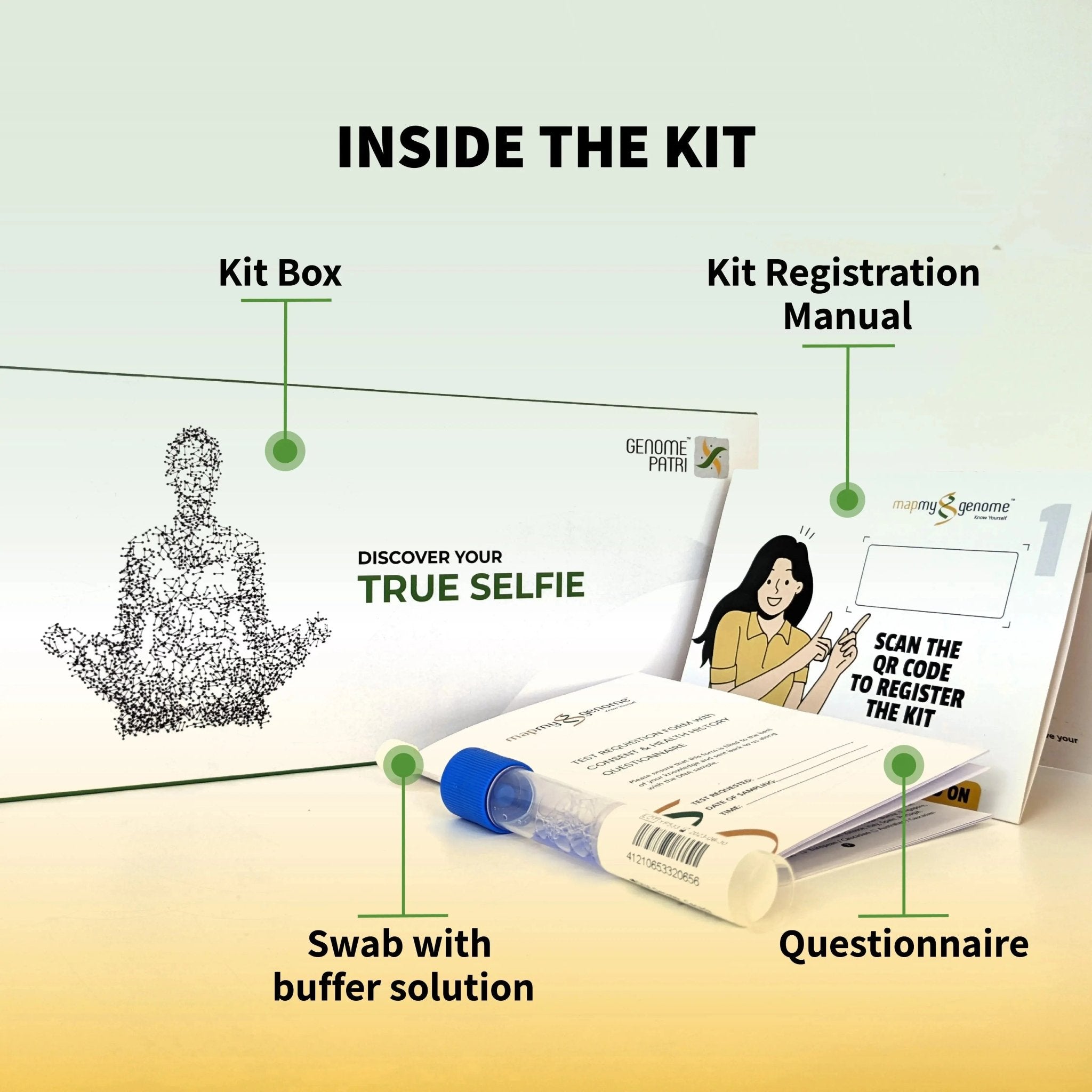
Genomepatri by MapmyGenome reveals your genetic predisposition to nicotine dependence and your nicotine metabolism speed — so you and your doctor can choose the most effective cessation strategy for your unique biology.