

Understanding Down Syndrome: Causes, Symptoms and Support
Down syndrome is the most common chromosomal condition — affecting approximately 1 in 700 babies worldwide. It occurs when a person has three copies of chromosome 21 instead of the usual two. With the right medical care, education, and community support, individuals with Down syndrome can lead meaningful and fulfilling lives.
Causes of Down Syndrome
Down syndrome is caused by an extra copy of chromosome 21, which occurs in three forms:
Trisomy 21 (95% of cases) — Every cell has three copies of chromosome 21, caused by an error in cell division (nondisjunction) during egg or sperm formation.
Mosaic Down syndrome (1–2%) — Only some cells have the extra chromosome, resulting in milder features.
Translocation Down syndrome (3–4%) — Part of chromosome 21 attaches to another chromosome. This is the only form that can be inherited from a parent.
Maternal age is the strongest risk factor — the chance of having a baby with Down syndrome increases significantly after age 35. However, because younger women have more children overall, most babies with Down syndrome are born to mothers under 35.
Common Features and Symptoms
Characteristic facial features (upward-slanting eyes, flat nasal bridge, small ears)
Low muscle tone (hypotonia) at birth
Intellectual disability (mild to moderate in most cases)
Congenital heart defects (present in ~50% of cases)
Increased risk of thyroid disorders, hearing loss, and vision problems
Higher risk of leukaemia and Alzheimer’s disease in later life
Prenatal Screening and Diagnosis
Down syndrome can be detected before birth through:
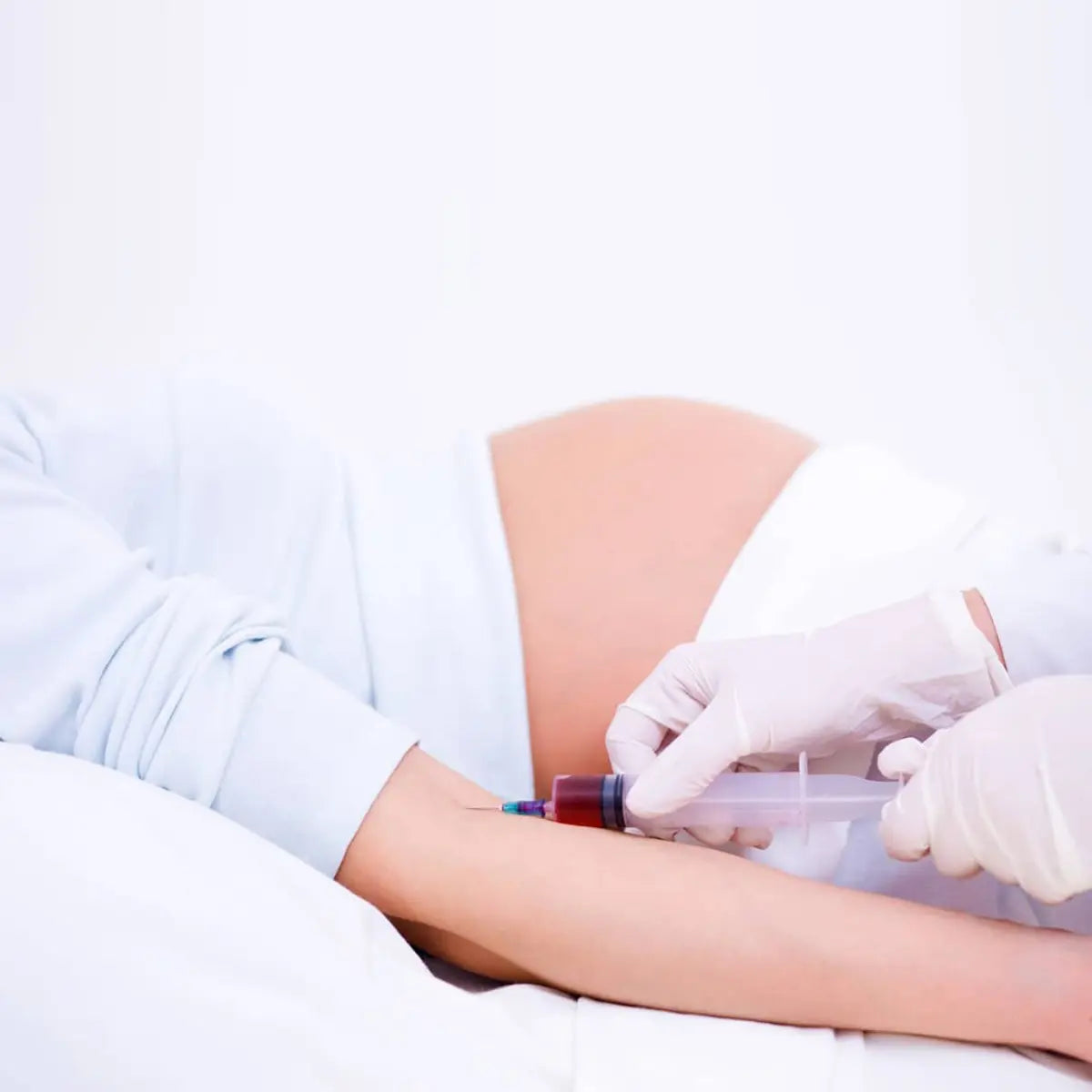
Non-invasive prenatal testing (NIPT) — A blood test analysing foetal DNA in maternal blood; highly accurate from 10 weeks
First-trimester combined screening — Nuchal translucency ultrasound + blood tests
Amniocentesis or chorionic villus sampling (CVS) — Diagnostic tests that provide definitive results
Support and Inclusion
Early intervention is key. Speech therapy, occupational therapy, physiotherapy, and specialised education programmes from infancy significantly improve developmental outcomes. Many individuals with Down syndrome work, live independently, and enjoy fulfilling relationships. Raising awareness and promoting acceptance ensures a brighter future for those affected.
Common Myths
Myth: People with Down syndrome can’t lead independent lives. Fact: Many individuals work, live independently, and enjoy fulfilling relationships.
Myth: Only older parents have babies with Down syndrome. Fact: Most babies with Down syndrome are born to mothers under 35, simply because younger women have more children overall.
Genetic Counselling for Chromosomal Conditions
If you have a family history of chromosomal conditions or are planning a pregnancy, MapmyGenome’s certified genetic counsellors can guide you through prenatal screening options, carrier testing, and what your results mean for your family.