

Unlocking Genetic Clues: Genomepatri’s Role in Understanding Parkinson’s Risk
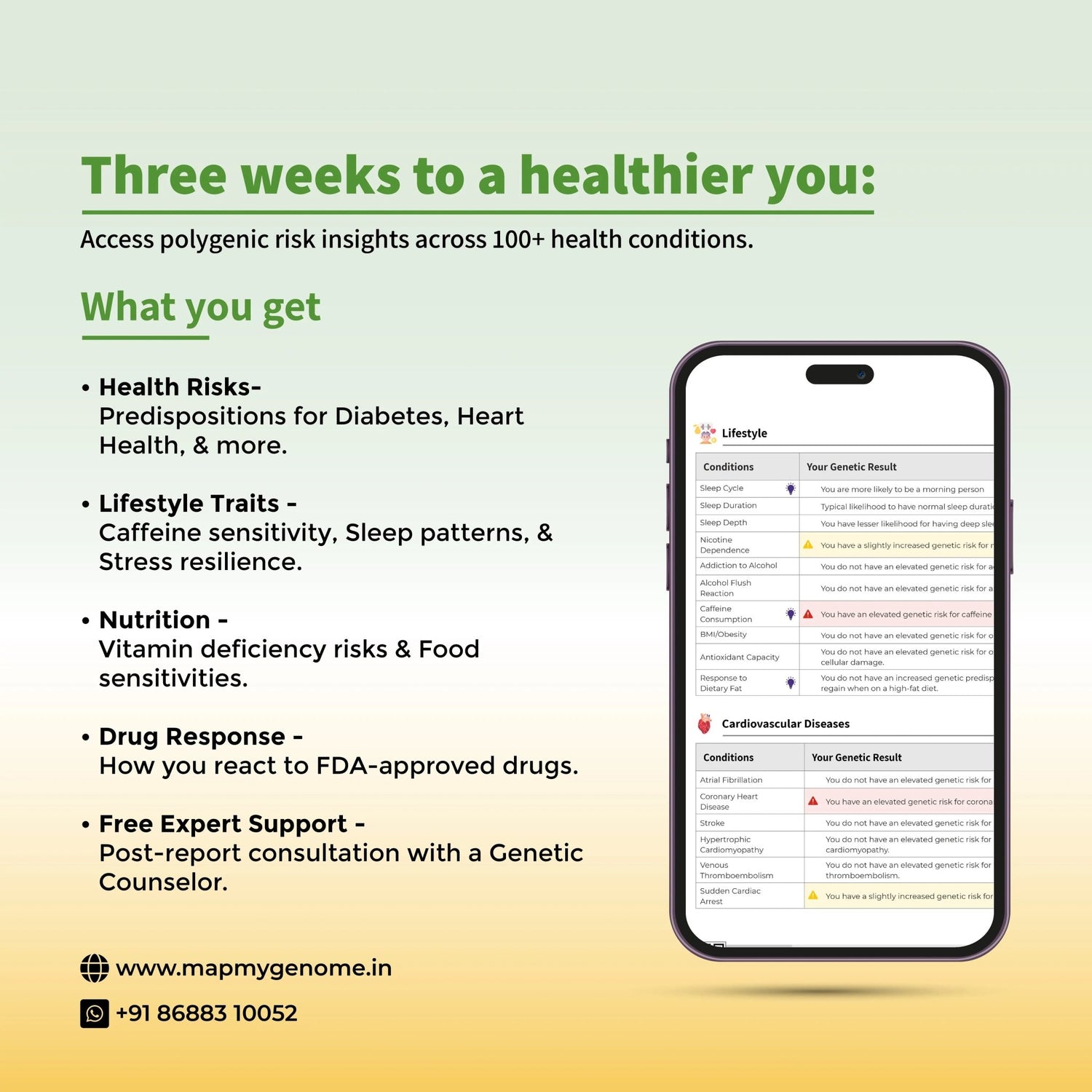
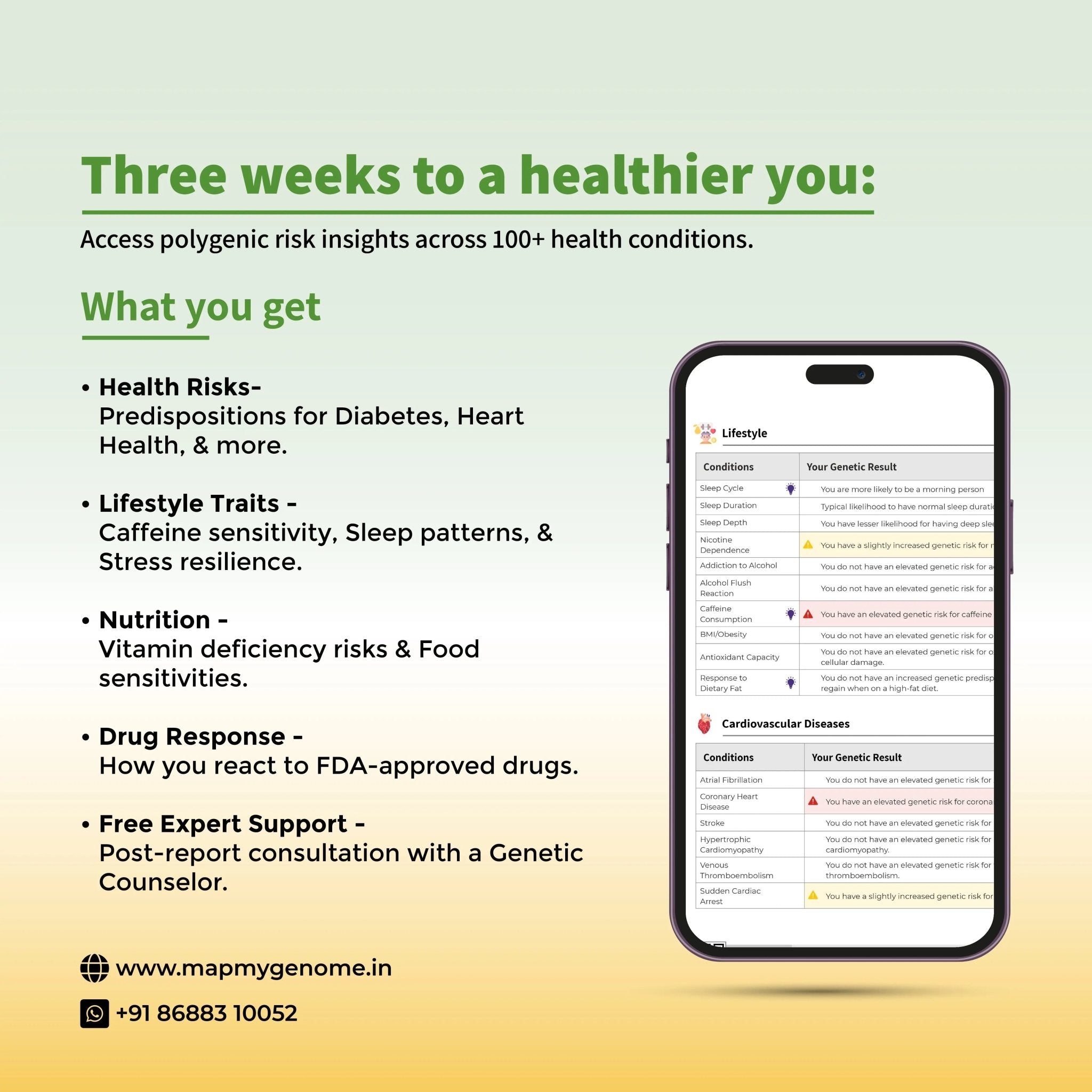
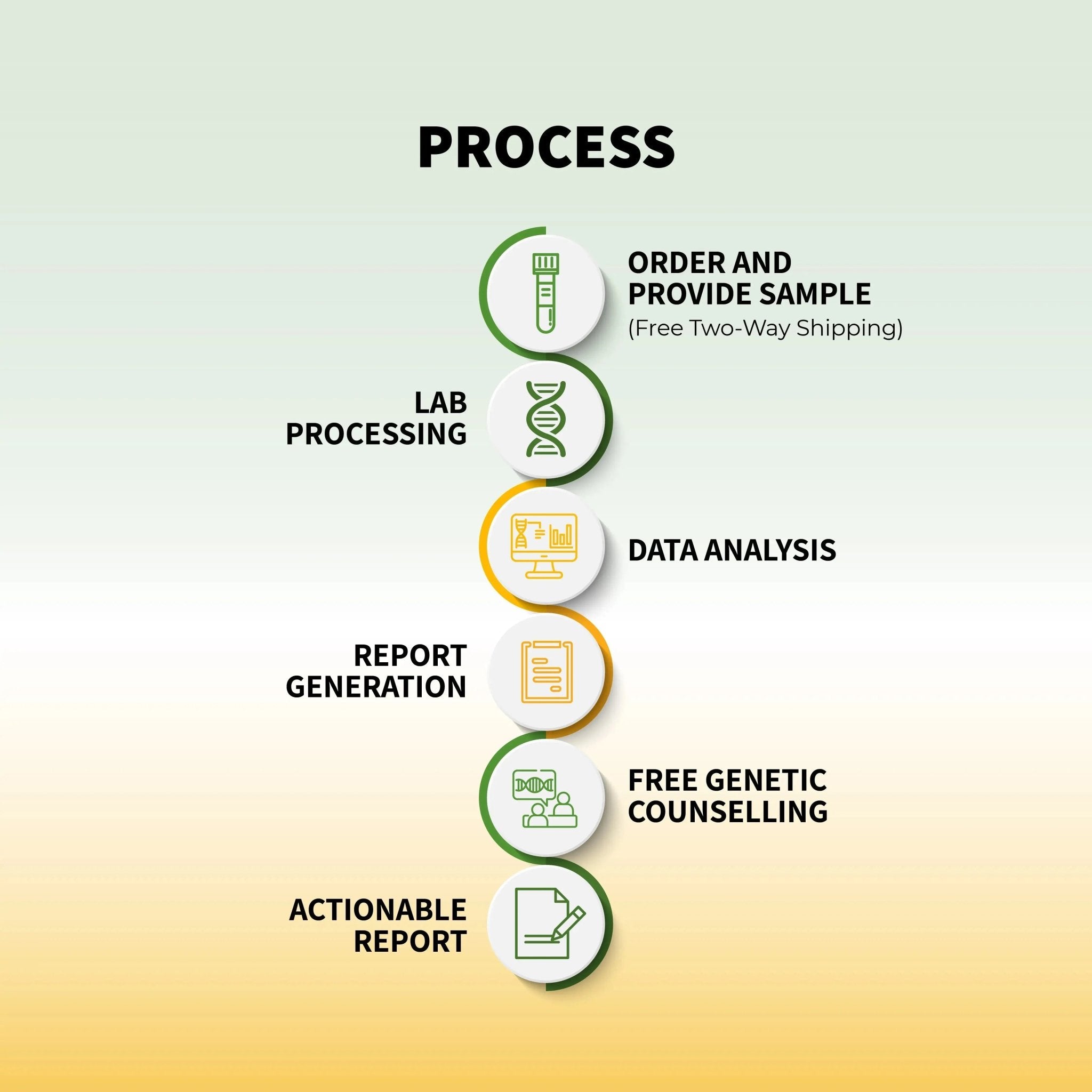
In the realm of personalised healthcare, genetic testing has emerged as a revolutionary tool — providing insights into one’s genetic predispositions to various health conditions. MapmyGenome’s Genomepatri is at the forefront of this innovation in India, offering a comprehensive DNA-based health and wellness solution with over 100 easy-to-read reports covering genetic makeup, disease susceptibility, and medication responses.
Parkinson’s Disease: Not a Rare Disease
Parkinson’s disease (PD) is a neurodegenerative disorder affecting millions worldwide. In India alone, an estimated 1.2 million individuals over the age of 65 grapple with PD — and men are more susceptible, with a 3:1 ratio compared to women. Crucially, the average age at PD onset in India is nearly a decade younger than in other countries, with 40–45% of Indian PD patients experiencing motor symptom onset between ages 22–49 (Early-Onset Parkinson’s Disease, EOPD).
A Glimpse into History
The roots of Parkinson’s disease trace back to 1817, when British physician James Parkinson penned his groundbreaking essay, “An Essay on the Shaking Palsy.” He described six cases of “paralysis agitans” — characterised by resting tremors, abnormal posture, muscle weakness, and relentless progression.
The Genetic Landscape of Parkinson’s in India
With a prevalence rate varying between 15–43 per 100,000 population, India is likely to have the highest absolute number of PD patients in the world. Genetic testing can play a crucial role in understanding novel and common variants that predispose individuals to PD risk. Key genes associated with Parkinson’s include:
LRRK2 (PARK8): The most common cause of familial PD; the G2019S variant is found across multiple ethnic populations
SNCA (alpha-synuclein): Mutations and multiplications cause familial PD; SNCA protein aggregation is central to all forms of PD
PINK1 and Parkin (PARK2): Recessive genes associated with early-onset PD; particularly relevant for the Indian EOPD population
GBA: Variants in the glucocerebrosidase gene are the most common genetic risk factor for PD globally, increasing risk 5–10x
Beyond Neurodegeneration: Genomepatri’s Broader Role
Genomepatri’s impact extends far beyond PD. It offers a panoramic view of an individual’s health — helping understand risk factors that significantly contribute to PD progression, including diabetes, stroke, hypertension, and nicotine addiction. Its pharmacogenomics component helps identify drugs better suited to your genetic profile, optimising treatment response and dosage.
Challenges in Early Diagnosis and Care for PD in India
No definitive biomarkers: Currently, there are no specific lab tests for diagnosing PD in its early stages. Clinicians rely on clinical history, signs, and symptoms.
Similarities with other disorders: Early PD symptoms can mimic other movement-related disorders or normal ageing, leading to misdiagnosis.
Under-representation in research: The Indian population is under-represented in PD research. Initiatives like the Genetic Architecture of PD in India (GAP-India) aim to address this gap.
Clinical Benefits of Early Intervention
Medications: Initiating treatment early can reduce symptoms. Options include levodopa-based regimens, dopamine agonists, and monoamine oxidase type-B inhibitors.
Non-pharmacological therapies: Physiotherapy, occupational therapy, and lifestyle changes can significantly improve quality of life and slow symptom progression.
Genetic counselling: For families with a history of early-onset PD, genetic counselling can clarify recurrence risks and guide cascade testing of at-risk relatives.
As we navigate the intricate strands of our DNA, Genomepatri illuminates the path toward better health — one gene at a time.
Understand Your Genetic Risk for Parkinson’s and Neurological Conditions
Genomepatri by MapmyGenome screens your genetic predisposition to Parkinson’s disease, stroke, diabetes, and 100+ other conditions — giving you and your doctor the insights needed for early intervention and personalised care.