

Your digestive system is one of the hardest-working systems in your body — processing food, absorbing nutrients, housing 70% of your immune system, and communicating constantly with your brain. But when it becomes overburdened, it sends out warning signals that are easy to dismiss as "normal" or "just stress."
Here are 5 key warning signs that your digestive system is struggling — and what you can do about it.
1. Chronic Bloating and Gas
Occasional bloating after a heavy meal is normal. But if you feel bloated most days — especially after meals that shouldn't cause it — your gut microbiome may be out of balance. An overgrowth of gas-producing bacteria, poor motility, or food intolerances can all contribute. Fix it by reducing ultra-processed foods, increasing fiber gradually, and adding fermented foods like yogurt or kefir to your diet.
2. Irregular Bowel Movements
Healthy digestion typically means regular, comfortable bowel movements. Chronic constipation, diarrhea, or alternating between the two are signs your gut is struggling. These patterns are often linked to dysbiosis (microbial imbalance), low fiber intake, dehydration, or stress. Fix it by hydrating consistently, eating diverse plant foods, and managing stress through regular movement and sleep.
3. Persistent Fatigue and Brain Fog
If you're sleeping enough but still feel exhausted and mentally sluggish, your gut may be the culprit. The gut-brain axis means that microbial imbalances directly affect neurotransmitter production — including serotonin and dopamine. An overburdened gut can also impair nutrient absorption, leaving you deficient in energy-critical vitamins like B12 and iron. Fix it by addressing gut health first before assuming the cause is purely mental or sleep-related.
4. Frequent Skin Breakouts or Rashes
The gut-skin axis is real. Chronic inflammation in the gut often manifests on the skin as eczema, rosacea, adult acne, or unexplained rashes. When the gut lining becomes permeable ("leaky gut"), inflammatory molecules enter the bloodstream and trigger skin reactions. Fix it by reducing inflammatory foods (refined sugar, alcohol, processed oils) and increasing anti-inflammatory foods like leafy greens, berries, and omega-3 rich fish.
5. Food Intolerances That Keep Growing
If you find yourself reacting to more and more foods over time — dairy, gluten, certain vegetables — this is a sign your gut lining may be compromised and your microbiome is losing diversity. A healthy gut can tolerate a wide variety of foods. Fix it by working with a healthcare provider to identify root causes, and consider a comprehensive gut microbiome test to understand exactly what's happening inside.
The Bottom Line
These warning signs are your gut's way of asking for help. The good news is that the gut microbiome is remarkably resilient — with the right dietary and lifestyle changes, significant improvements are possible within weeks. But to truly personalize your approach, you need to know what's actually living in your gut.
Stop Guessing — Know What’s in Your Gut
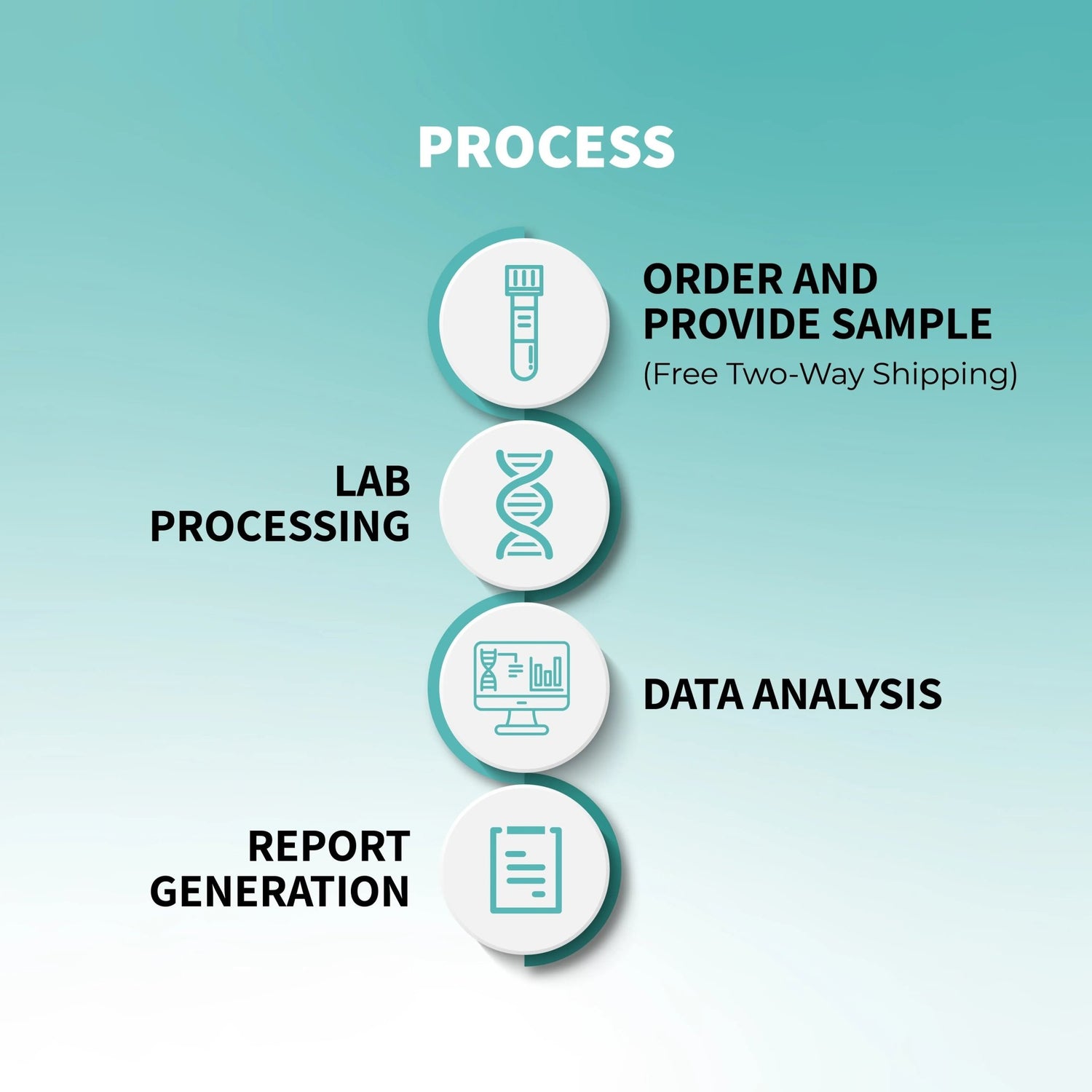
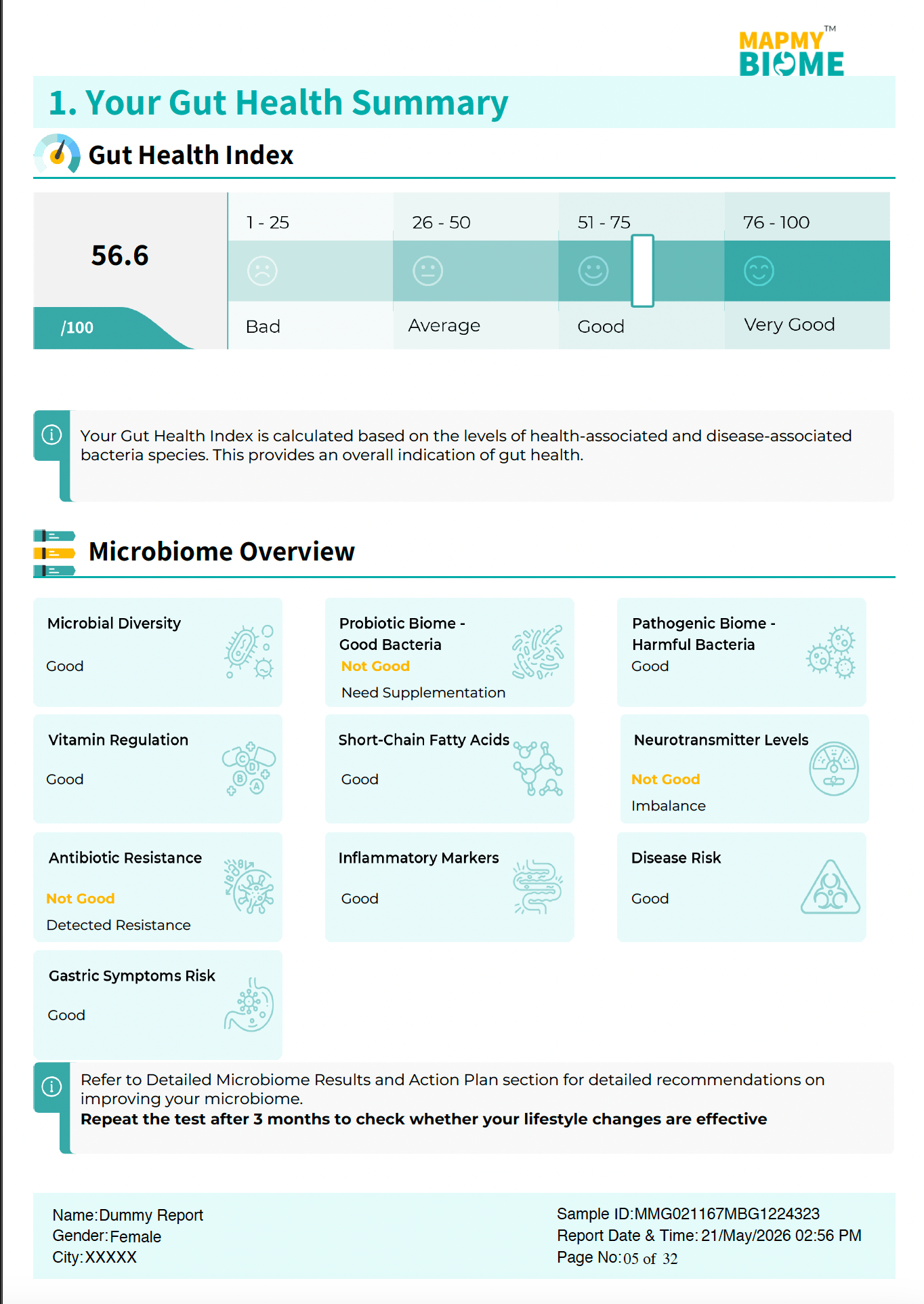
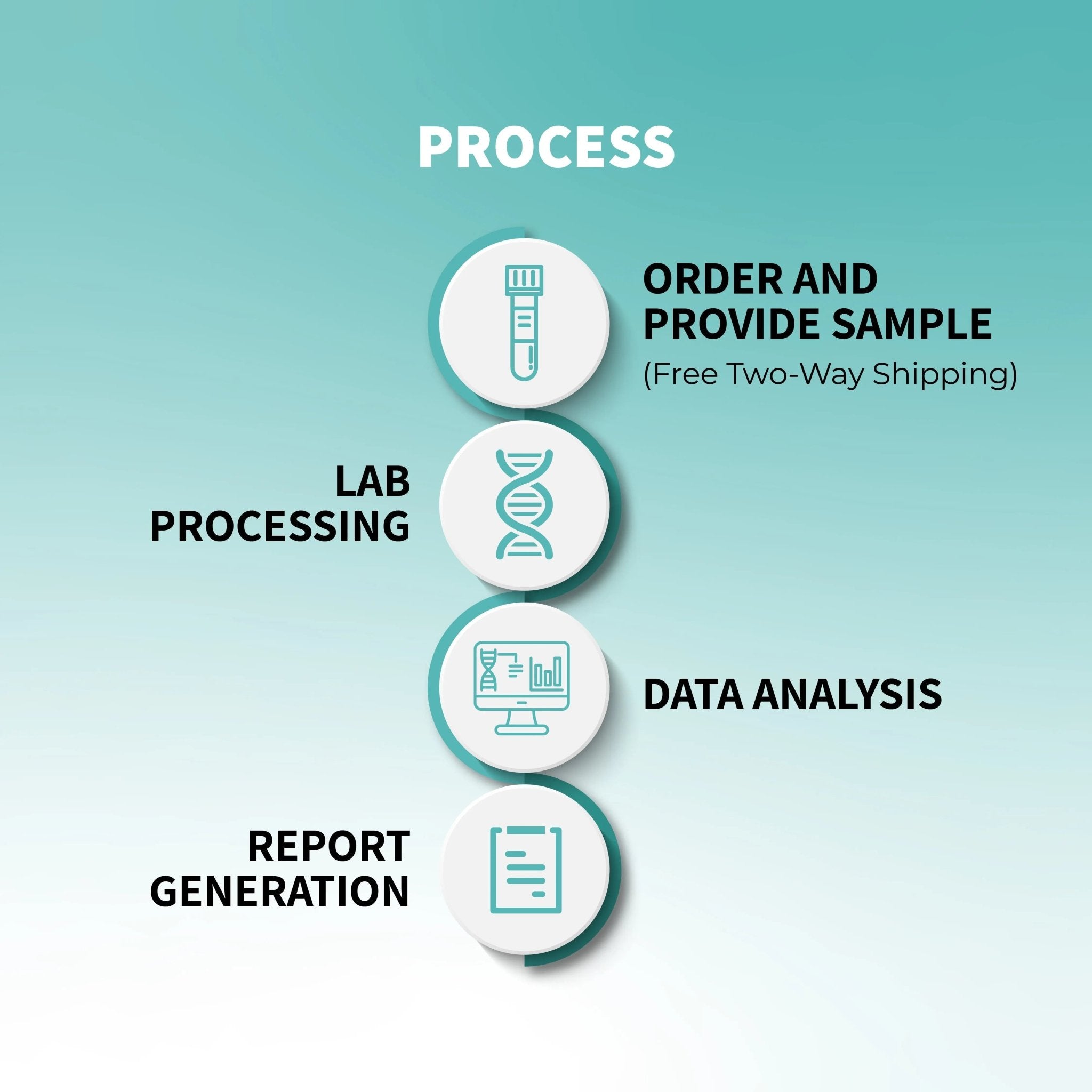
MapmyBiome uses advanced shotgun sequencing to map your unique gut microbiome — identifying imbalances, missing bacterial communities, and giving you personalised food, probiotic, and lifestyle recommendations to restore digestive health.