

Author: Dr Satyavardhan Rao
There is something uniquely humbling about being a pharmacogenomics expert who discovers they are a poor responder to a medication they’ve been prescribing or recommending for years. This is a story about exactly that — and what it teaches us about the power and importance of pharmacogenomic testing.
Dr. Satyavardhan Rao is a clinical pharmacogeneticist who actively promotes the importance of precision medicine in the healthcare system. So when Satya decided to take Medicamap (Pharmacogenomics testing), he wasn't surprised to see his report indicating he would be a poor responder to clopidogrel, one of the common medicines used in India.
"I now know how my body reacts to some commonly prescribed medications.” Many people who take multiple medications have little understanding of their medicine’s response, which may result in ineffectiveness or toxicity. “Through my example, I hope to raise awareness about preemptive pharmacogenomic testing to improve medication efficacy, reduce toxicity, lower medical costs, and save lives," says Dr.Satyavardhan.
Clinicians often prescribe clopidogrel as a blood thinner. Routinely used alongside aspirin to treat acute coronary syndrome and ischemic stroke, clopidogrel relies on the patient’s CYP2C19 liver enzyme for activation before exhibiting its intended effect.
“Surprisingly, people often show poor responses to clopidogrel, rendering it entirely useless. Genetic differences can affect how a person responds to medicines. Many common medicines used in Indian households can be ineffective because of the individual’s genetic variation,” Satya says.
Consider this scenario:
-
Indians have a higher risk for medicine-induced cardiovascular events compared with the west.
-
Almost every acute coronary syndrome(ACS) patient will be on Clopidogrel
-
Response to medicines varies within Indian subpopulations
-
Indians carrying a common genetic variant are prone to medicine-induced bleeding with blood thinner administration
-
A third of the Indian population has a genetic variant that reduces the effect of an antiplatelet drug.
-
In India, the population shows variations of the marker connected with warfarin(blood thinner) metabolism.
-
Most of the information, particularly about the dosage of medicines in the market, is based on information derived from clinical trials carried out in other countries.
Imagine the significant impact of replacing an ineffective medication with a better-suited one in treating those resistant to the intended effects? Or, more poignantly, knowing if a person will suffer a severe drug reaction and avoiding it altogether. Here Pharmacogenomics can be the catalyst in delivering a modern personalized health care system in India.
The varied response to medicines in the Indian population highlights the significance of creating India-specific comprehensive pharmacogenetic data.
Knowing the efficacy and toxicity of different medicines benefit clinicians in creating personalized treatment plans, ultimately giving patients the best possible chances for a positive outcome.
Pharmacogenomics is now widely used in major specialties like cancer, psychiatry, and cardiovascular treatments. 
Take some big swings on personalized medicine with Medicamap
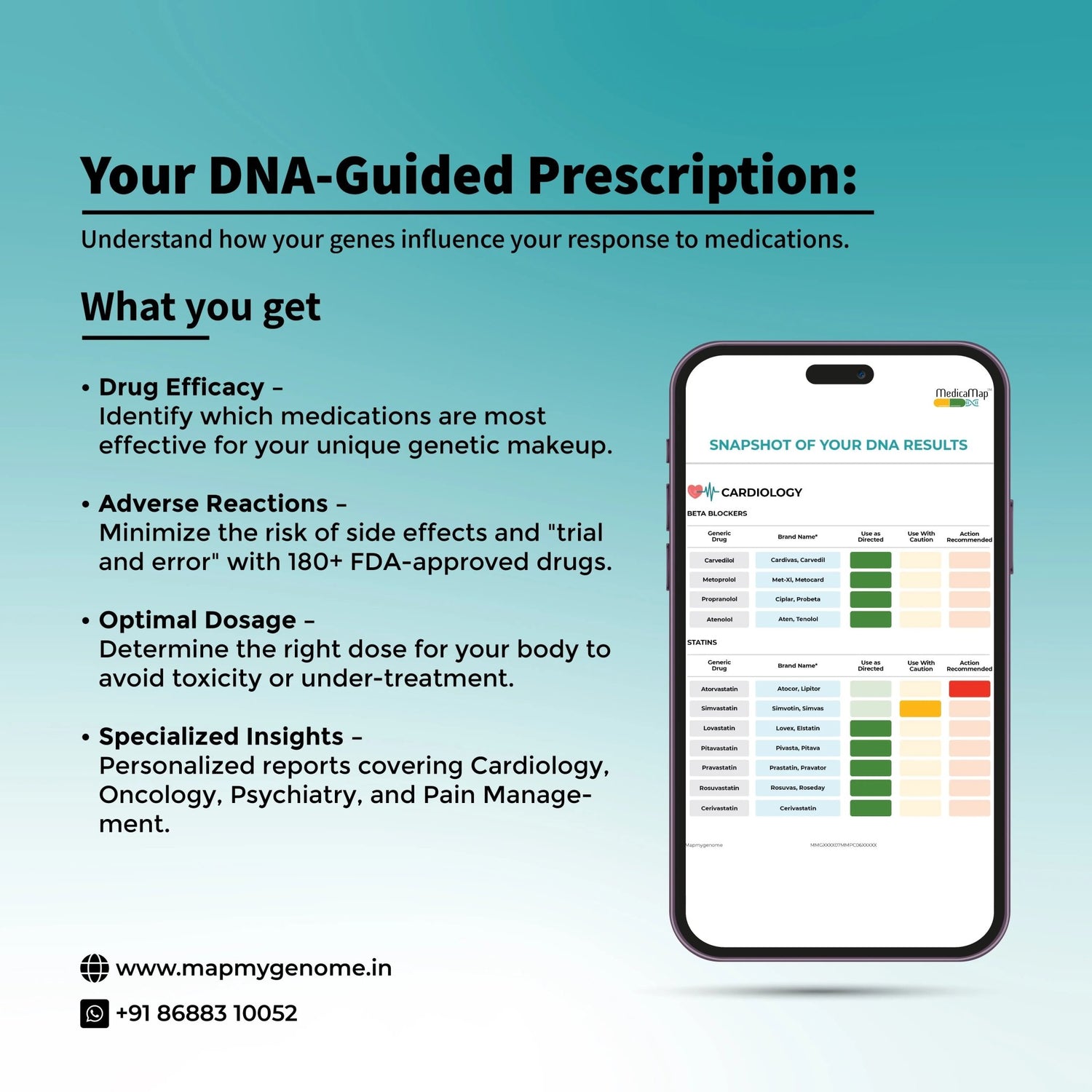
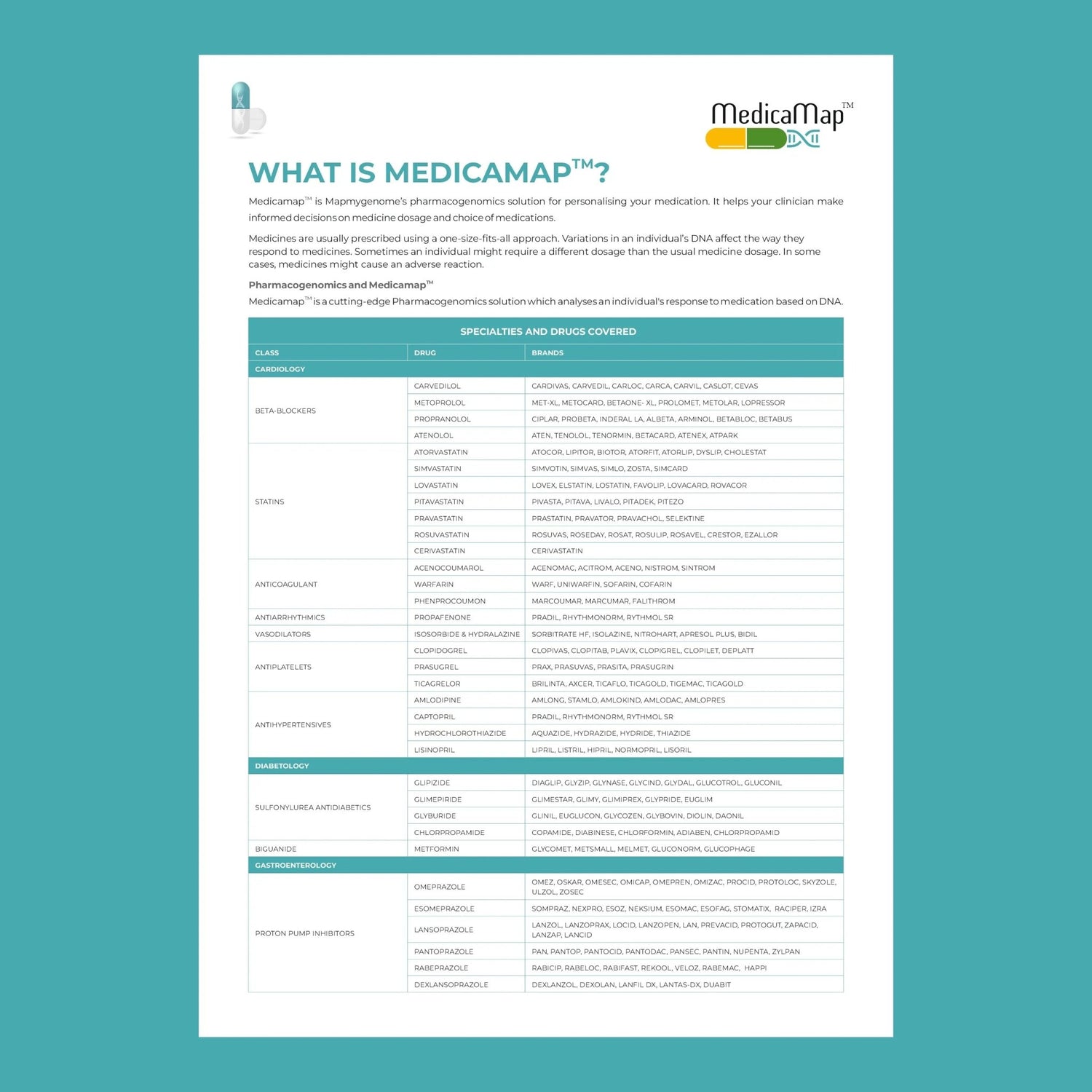
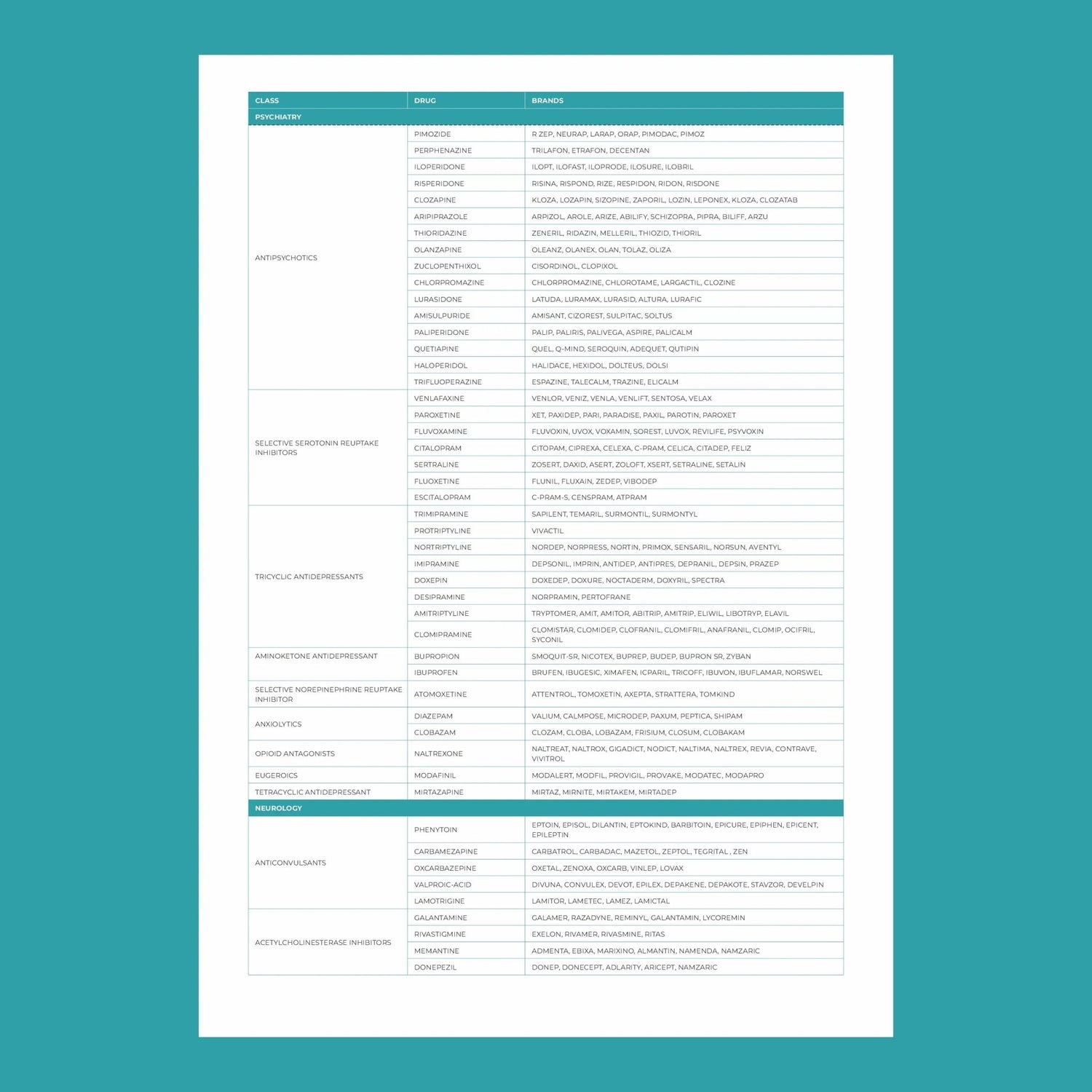
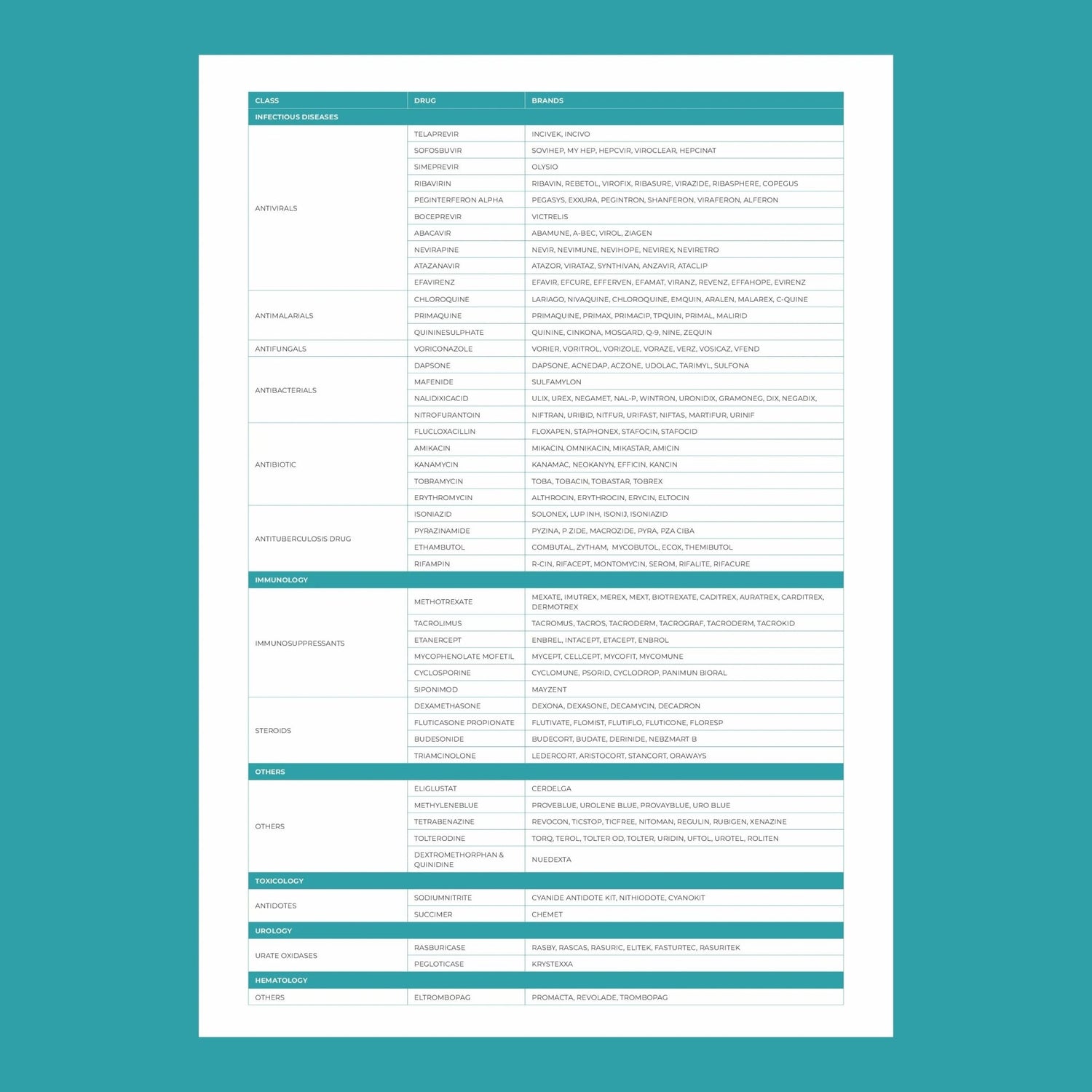
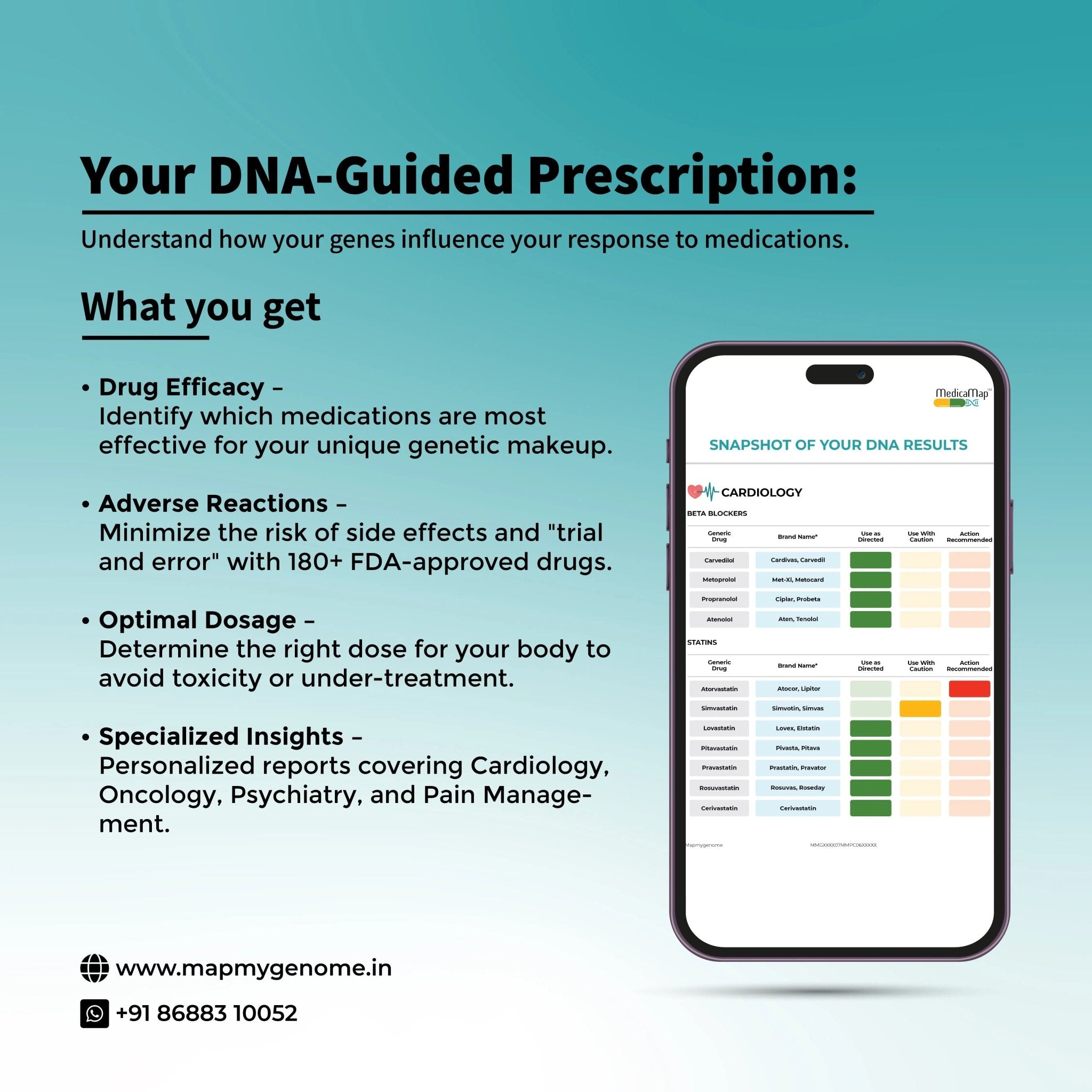
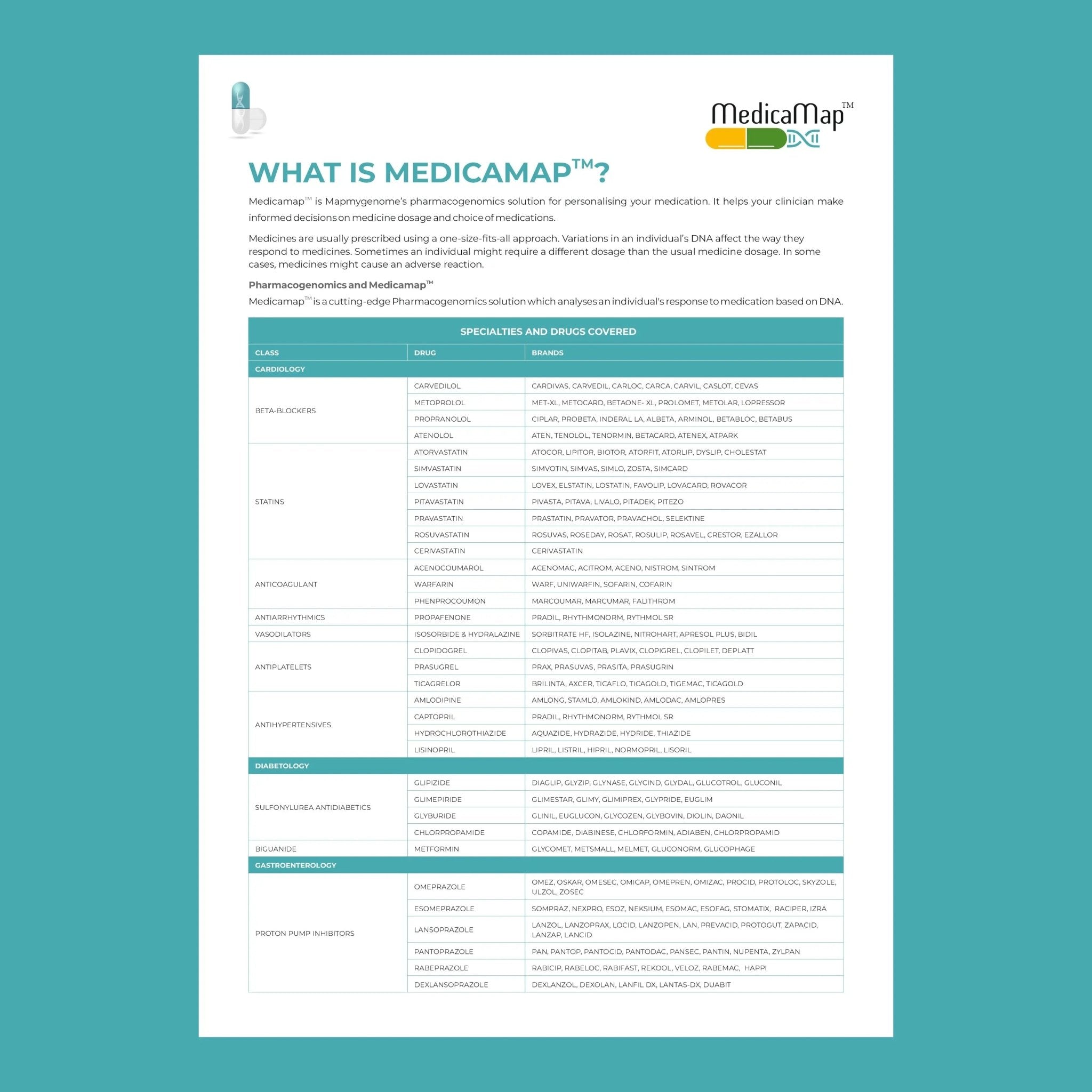
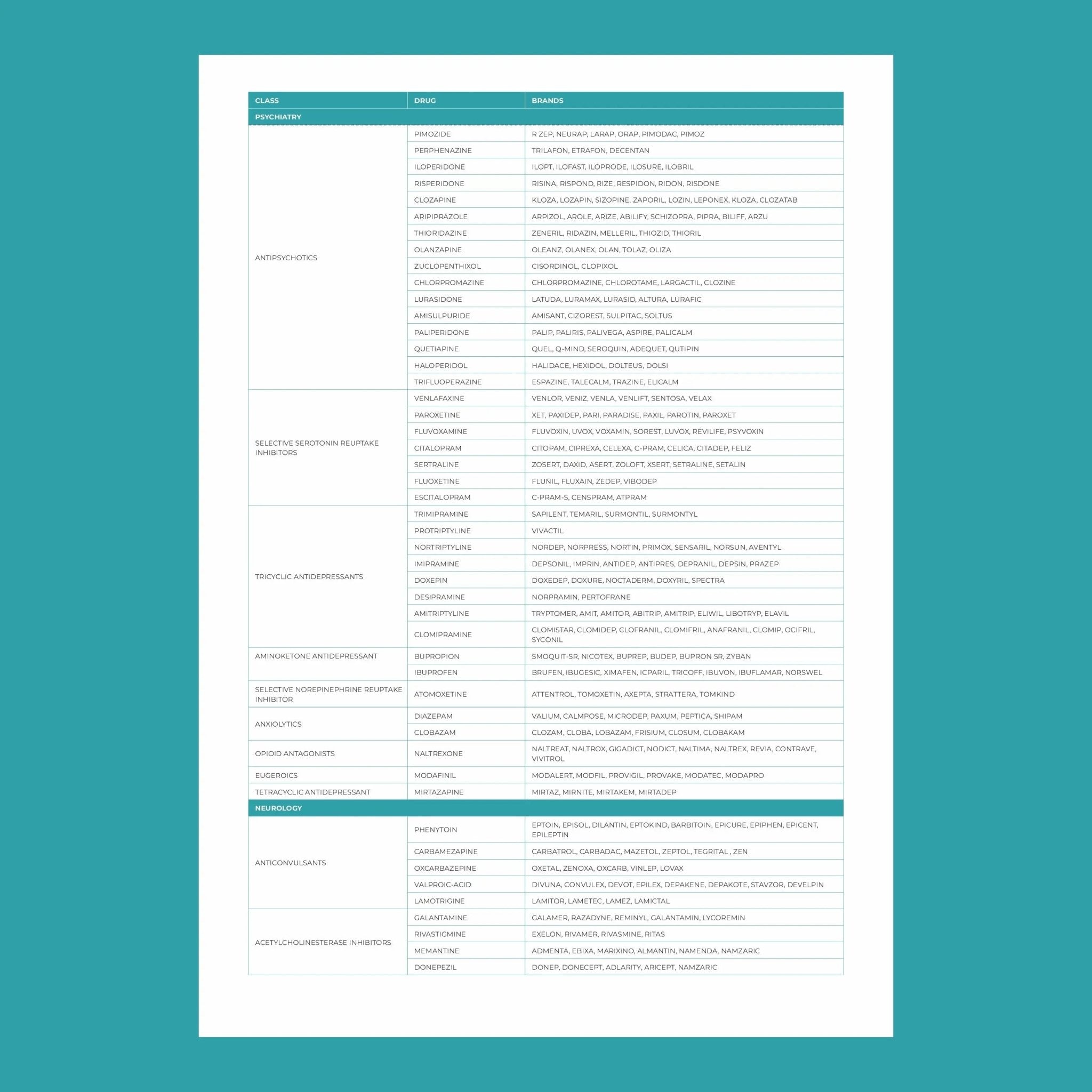
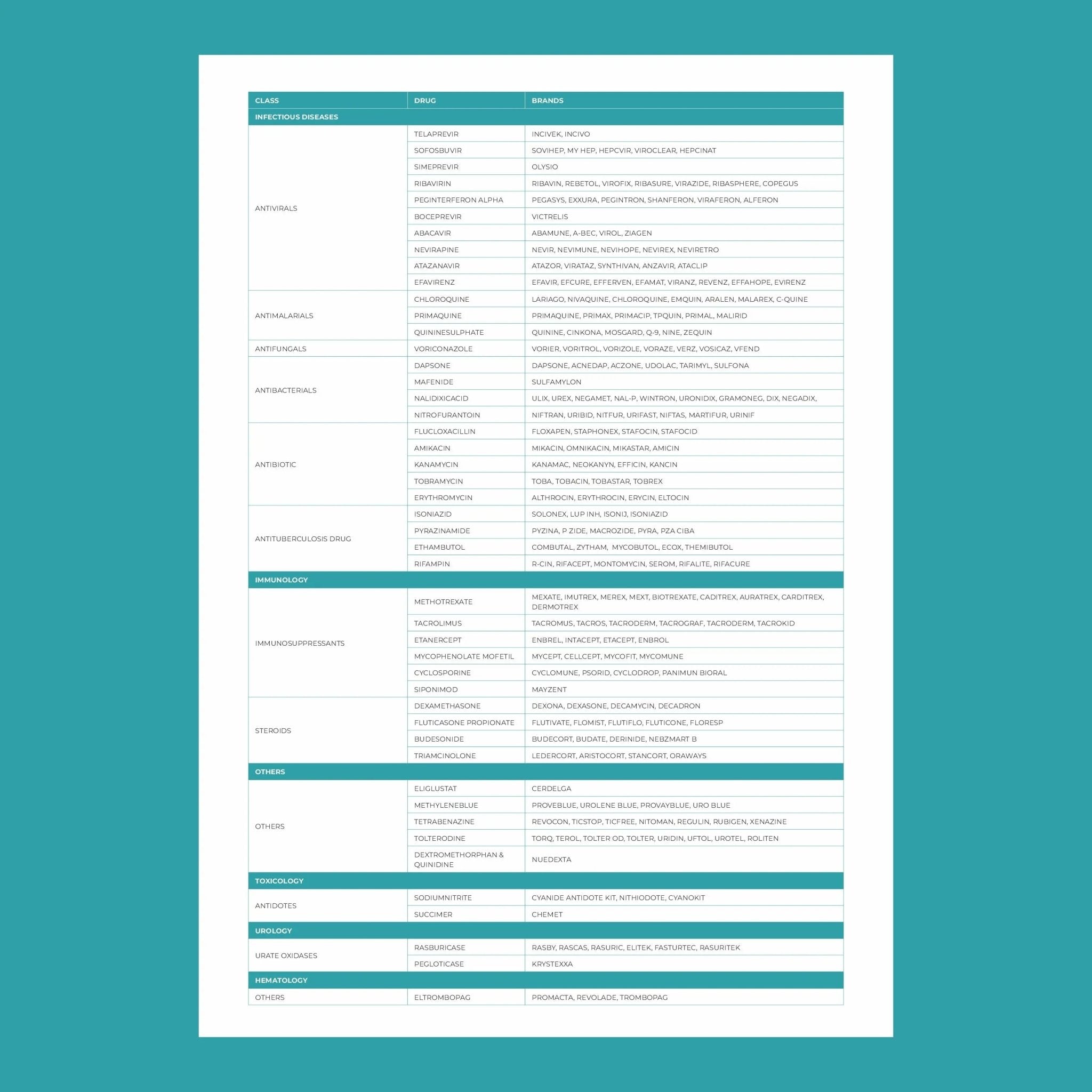
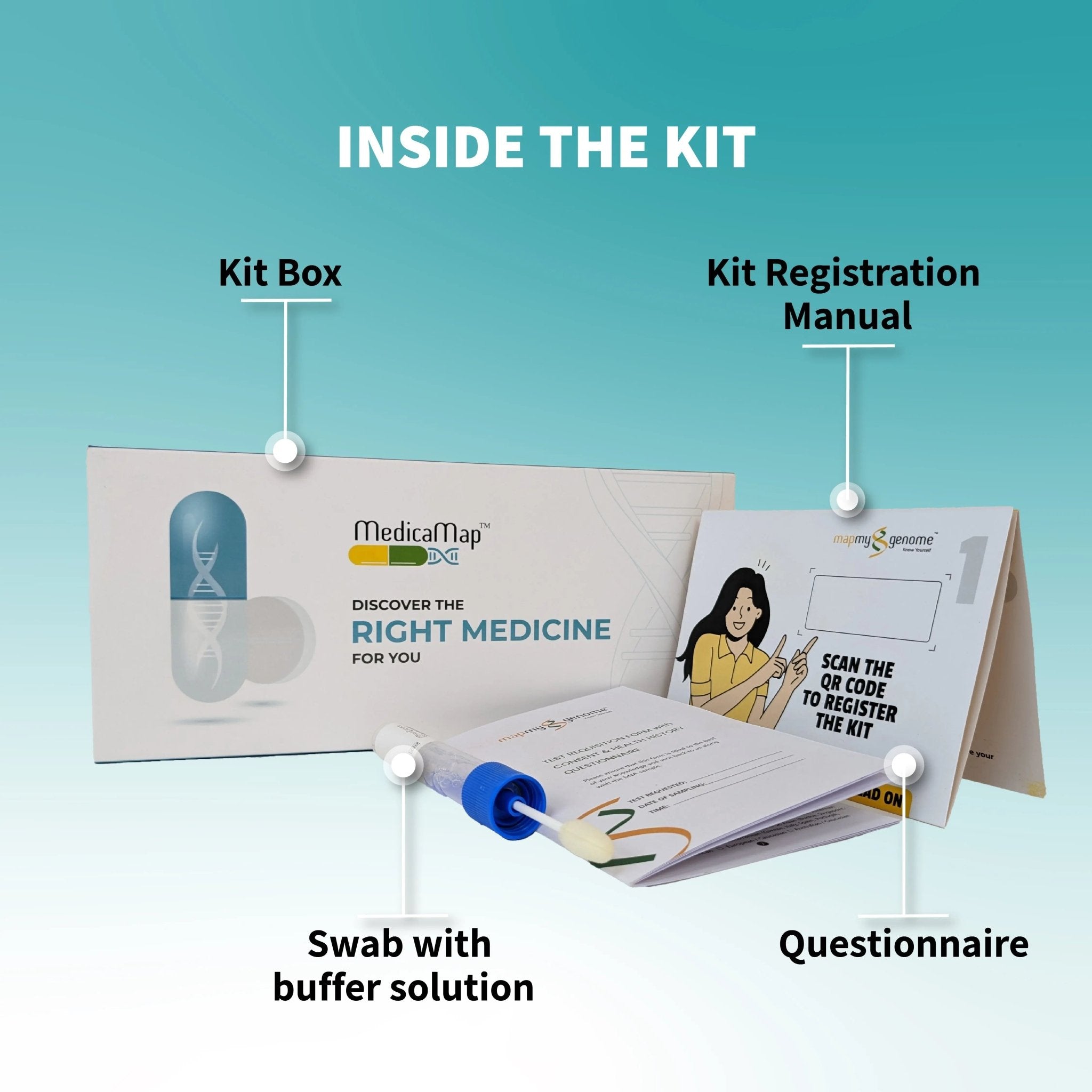
Medicamap is Mapmygenome’s DNA-based pharmacogenomics solution that analyses an individual’s response to medicines. This genomic solution provides an individual’s body’s toxicity and efficacy for 100+ medicines across 12 different specialties. Medicamap helps doctors/physicians identify the drug that will have maximum efficacy and minimal side effects.
Advantages of Medicamap
-
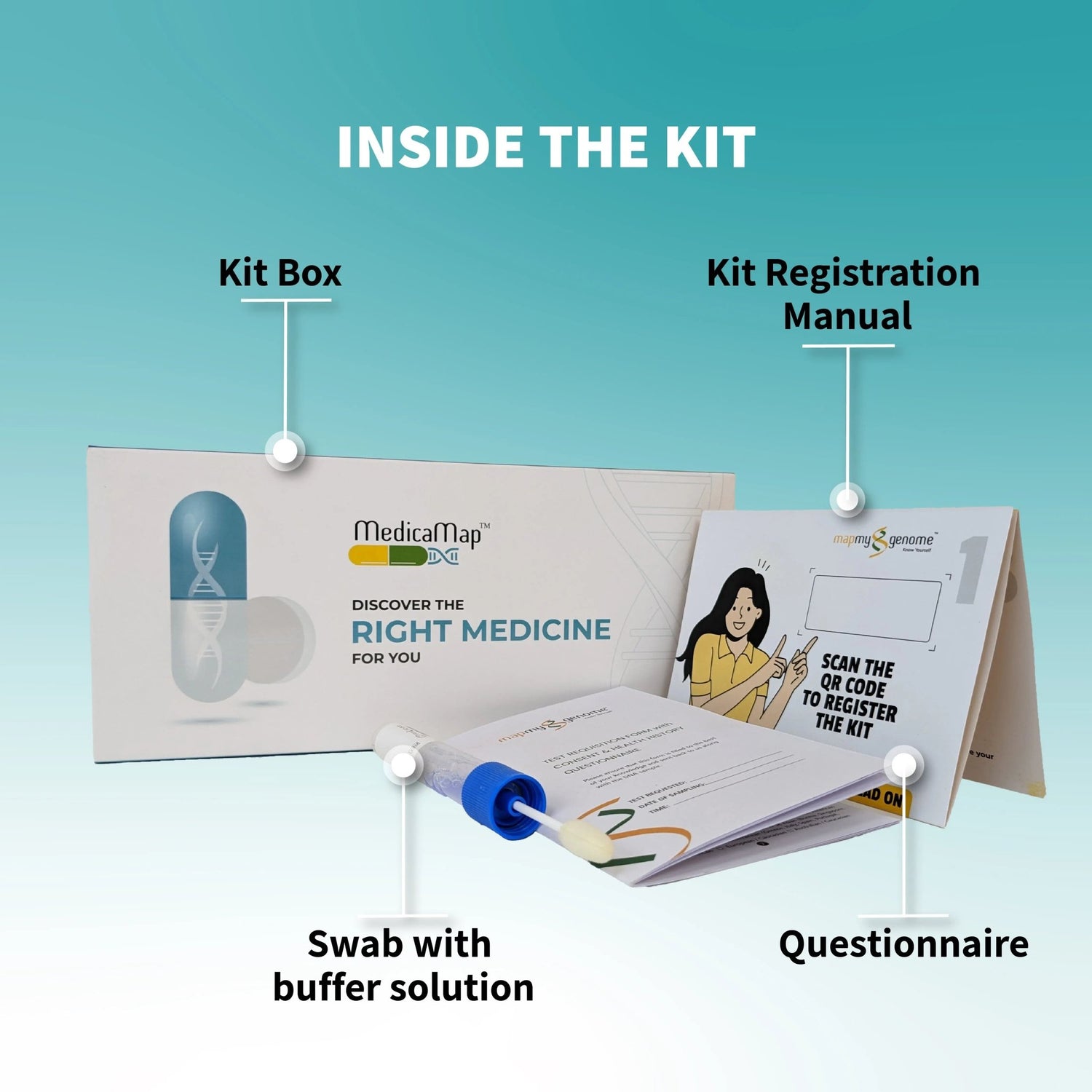
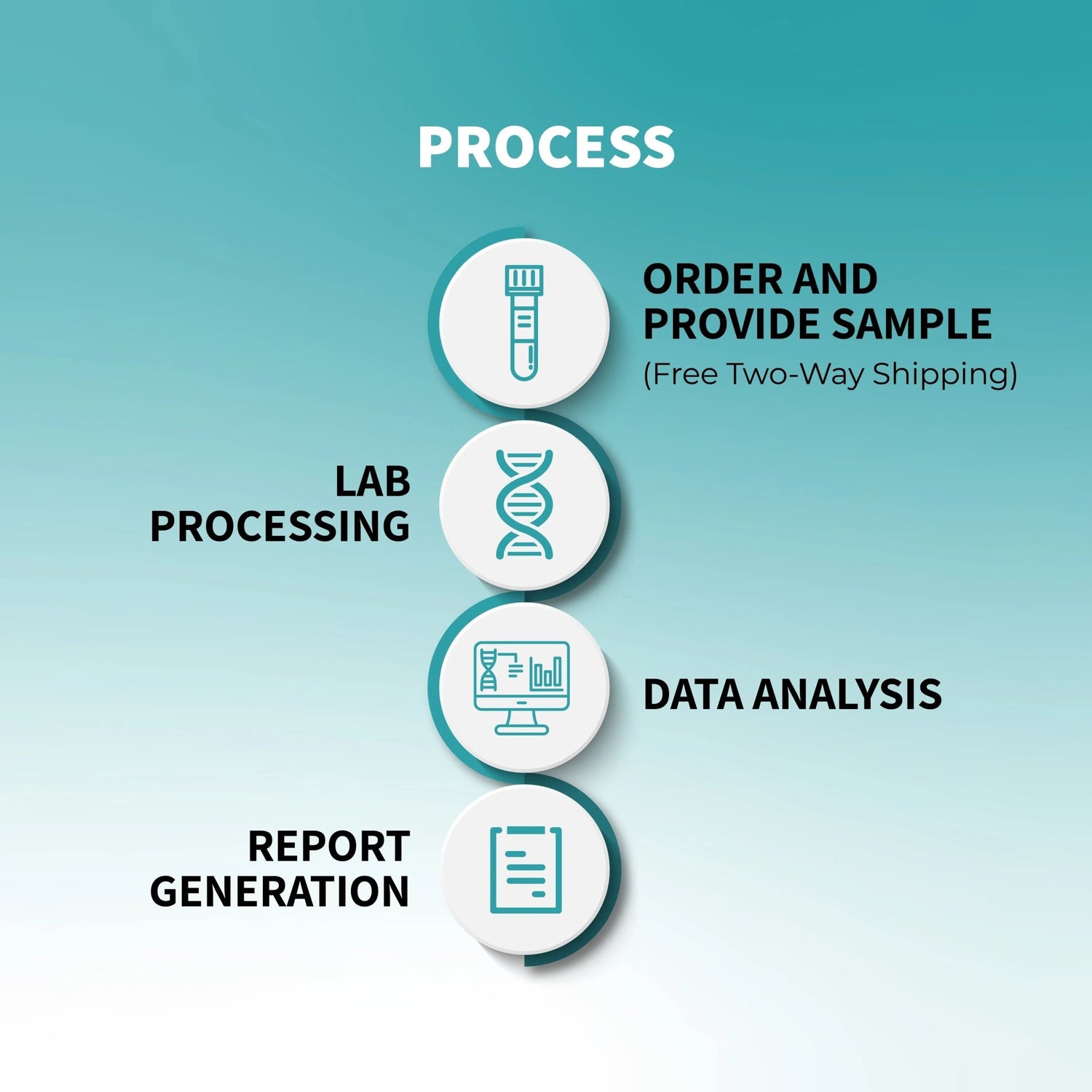
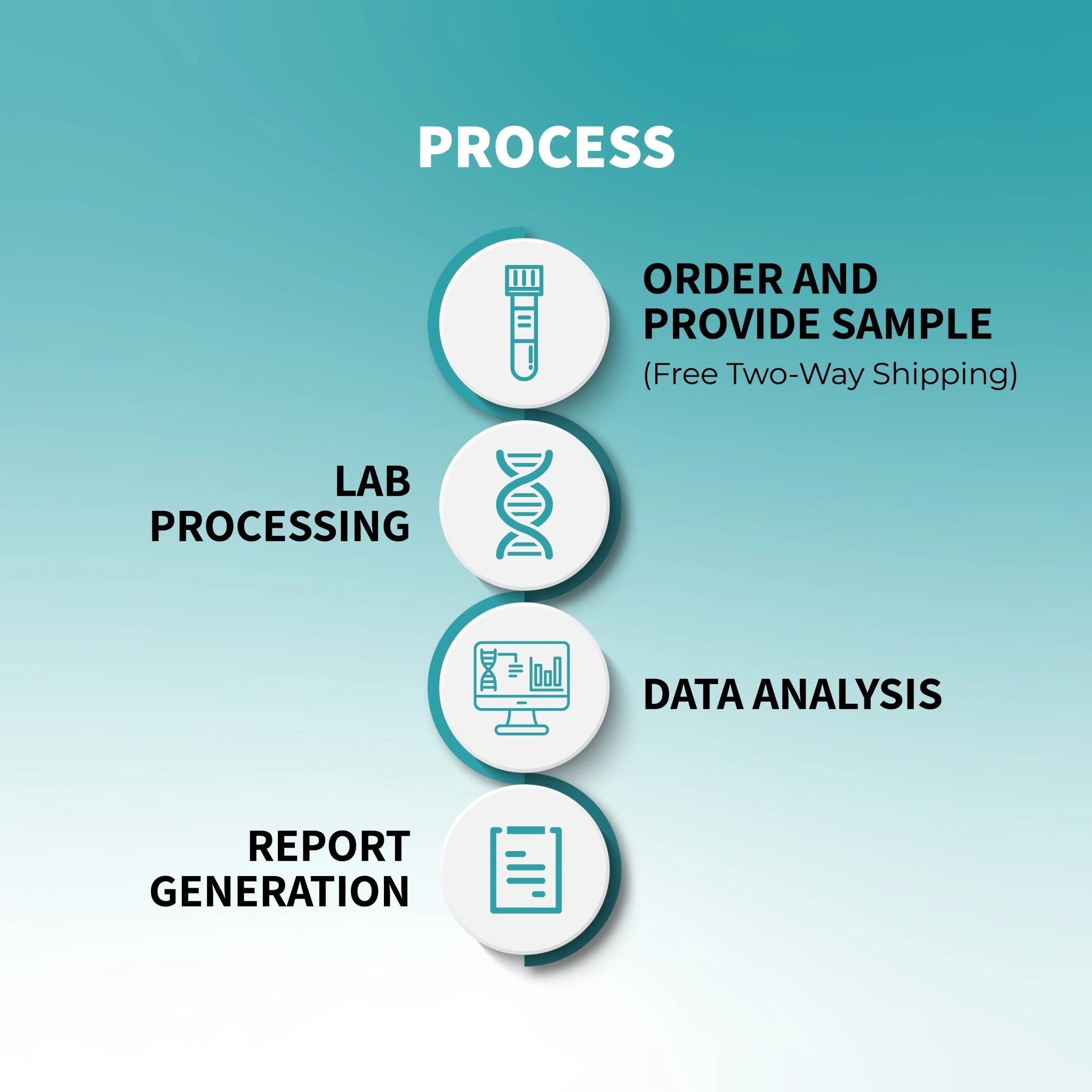
Once in a lifetime. Non-invasive. No pain. No needles
-
Cover 170+ medicines
-
Uses Mapmygenome’s patented Algorithm called SNaPpy
-
A gold standard dataset for analysis
-
Easy to understand report
-
Genetic Counseling support with actionable information
Clinical Benefits of Medicamap
-
Personalized insights - Comprehensive prescription review analyses of medicines to improve rational decision-making.
-
Provides information about DNA variations associated with medicine’s metabolism, tolerance, adverse reactions, and contraindications based on internal factors such as enzyme activity.
-
Minimize risk of drug-induced adverse reactions
-
Reduce trial-and-error cycles by choosing the drug most likely to elicit a positive clinical response
-
Optimize dosage- for eg, reduce the dose for poor metabolizers, and increase the dose for ultra-rapid metabolizers.
-
Help comply with black-box warnings such as those from the FDA.
What Is a Poor Responder?
In pharmacogenomics, a “poor responder” (or “poor metaboliser”) is someone whose genetic variants cause them to metabolise a drug more slowly or less effectively than average — resulting in either reduced drug efficacy or increased risk of side effects. Poor metaboliser status is determined by variants in drug-metabolising enzyme genes, most commonly the CYP450 family (CYP2D6, CYP2C19, CYP2C9, CYP3A4).
Why This Matters
Approximately 7% of the population are poor metabolisers of CYP2D6 — a gene involved in the metabolism of over 25% of all commonly prescribed drugs, including antidepressants, antipsychotics, beta blockers, opioids, and tamoxifen. For these individuals, standard doses of CYP2D6-metabolised drugs can accumulate to toxic levels, or — in the case of prodrugs like codeine — fail to be activated at all.
The lesson is clear: genetic testing should precede prescribing, not follow adverse events. Pharmacogenomic testing is a once-in-a-lifetime test that can inform drug selection and dosing for the rest of a patient’s life.
The MapmyGenome Solution
Medicamap by MapmyGenome is India’s most comprehensive pharmacogenomic test — covering almost 100 FDA-approved drugs across 20+ drug classes. With Medicamap, your doctor can prescribe the right drug at the right dose for you — based on your genetic profile, not trial and error.
Know Your Drug Response Profile
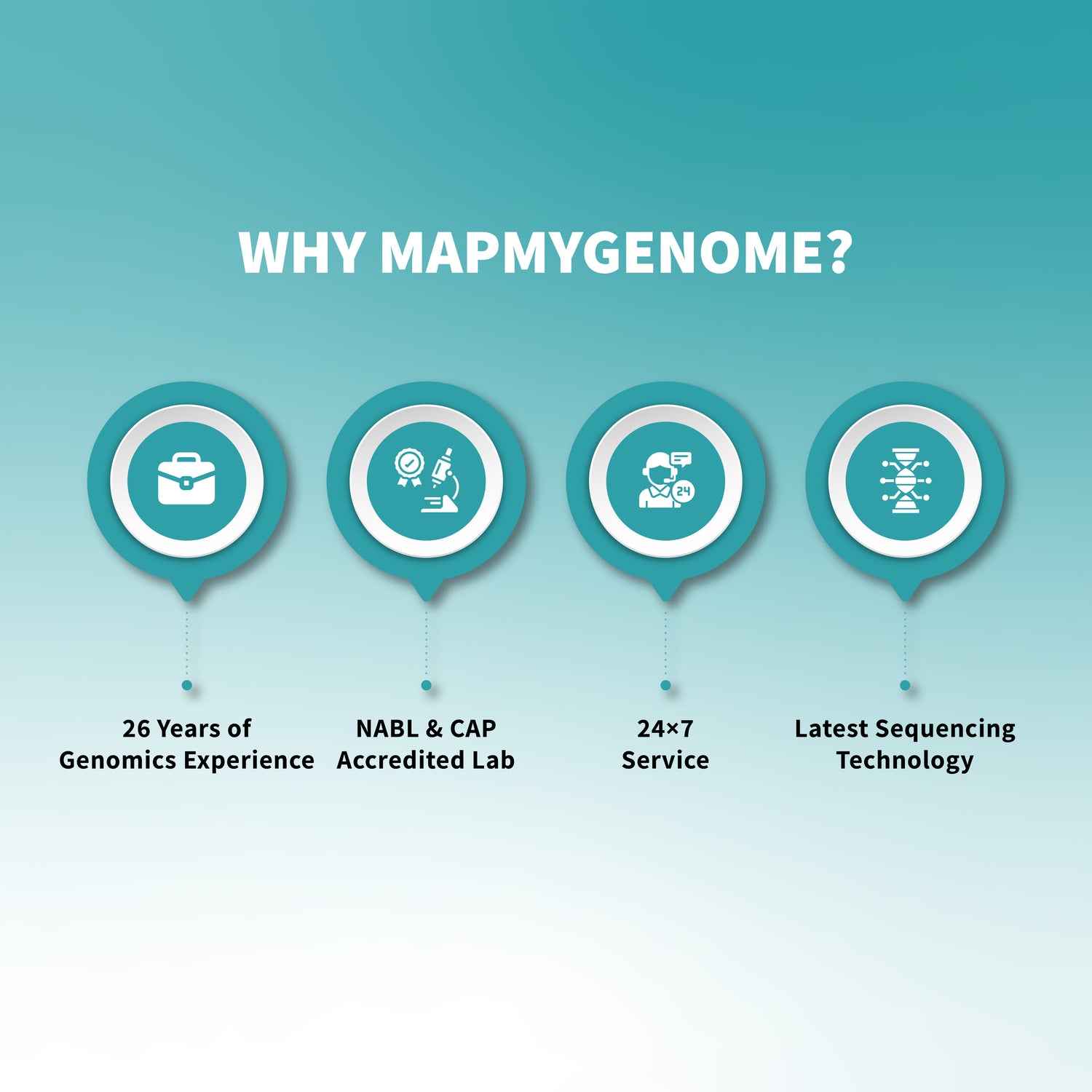
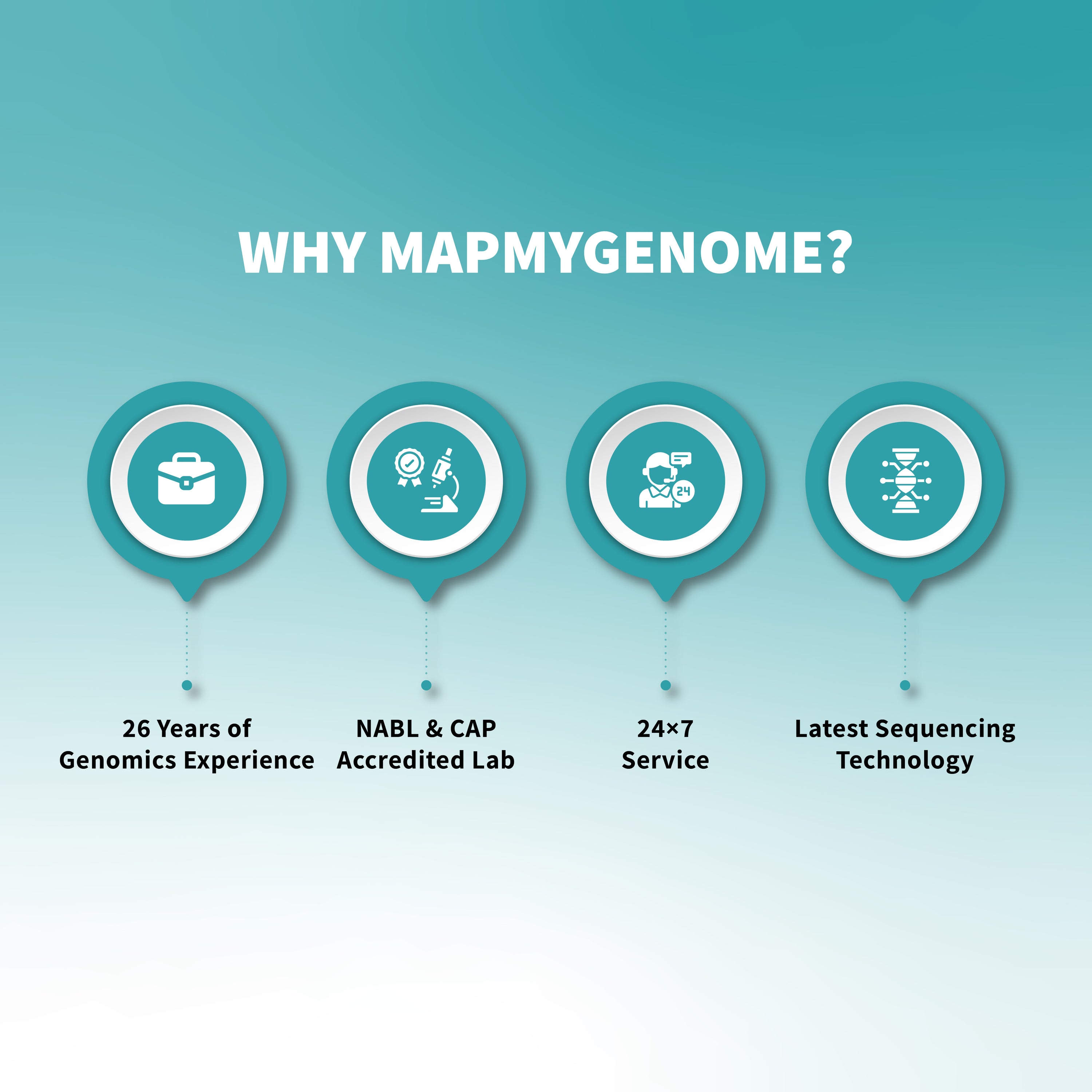
Medicamap by MapmyGenome reports your pharmacogenomic profile for almost 100 FDA-approved drugs across 20+ drug classes. Includes certified genetic counselling and a CAP & NABL-accredited laboratory.