

When to Take Your Headaches Seriously
Almost everyone gets headaches. Most are benign — tension headaches, dehydration, eye strain, or stress. But some headaches are warning signs of serious underlying conditions that require urgent medical attention. Knowing the difference could save your life.
Types of Headaches
Primary Headaches (Not Caused by Another Condition)
Tension headache — the most common type; a dull, aching pain around the head, often described as a tight band; triggered by stress, poor posture, or eye strain
Migraine — moderate to severe throbbing pain, usually on one side of the head; often accompanied by nausea, vomiting, and sensitivity to light and sound; can last 4–72 hours
Cluster headache — severe, excruciating pain around one eye, occurring in clusters (multiple times per day for weeks or months); one of the most painful conditions known to medicine
Secondary Headaches (Caused by Another Condition)
Hypertension (high blood pressure) headaches
Meningitis or encephalitis (infection of the brain or its coverings)
Subarachnoid haemorrhage (bleeding around the brain)
Brain tumour
Medication overuse headache (rebound headache)
Red Flag Symptoms — Seek Emergency Care Immediately
Thunderclap headache — a sudden, severe headache that reaches maximum intensity within seconds (“worst headache of my life”); may indicate subarachnoid haemorrhage
Headache with fever, stiff neck, rash, confusion, or sensitivity to light — may indicate meningitis
Headache with neurological symptoms (weakness, numbness, vision changes, speech difficulty) — may indicate stroke or brain tumour
New headache after age 50
Headache that worsens progressively over days or weeks
Headache after head injury
The Genetics of Migraine
Migraine has a strong genetic component — if one parent has migraines, a child has a 50% chance of developing them; if both parents have migraines, the risk rises to 75%. Variants in genes including CACNA1A, ATP1A2, and SCN1A are associated with familial hemiplegic migraine. Understanding your genetic migraine risk can help you and your doctor develop a personalised prevention and treatment plan.
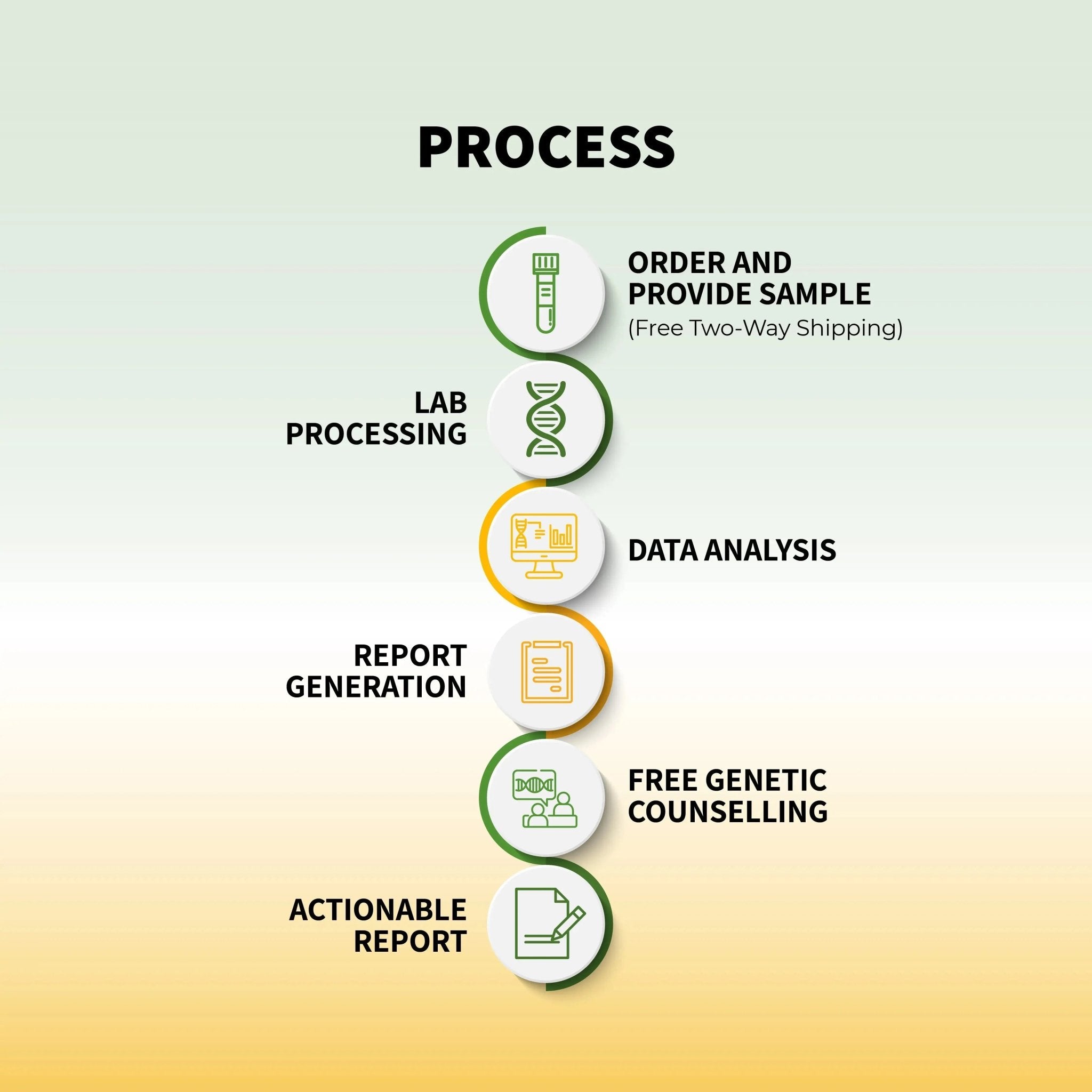
Know Your Genetic Neurological Health Profile
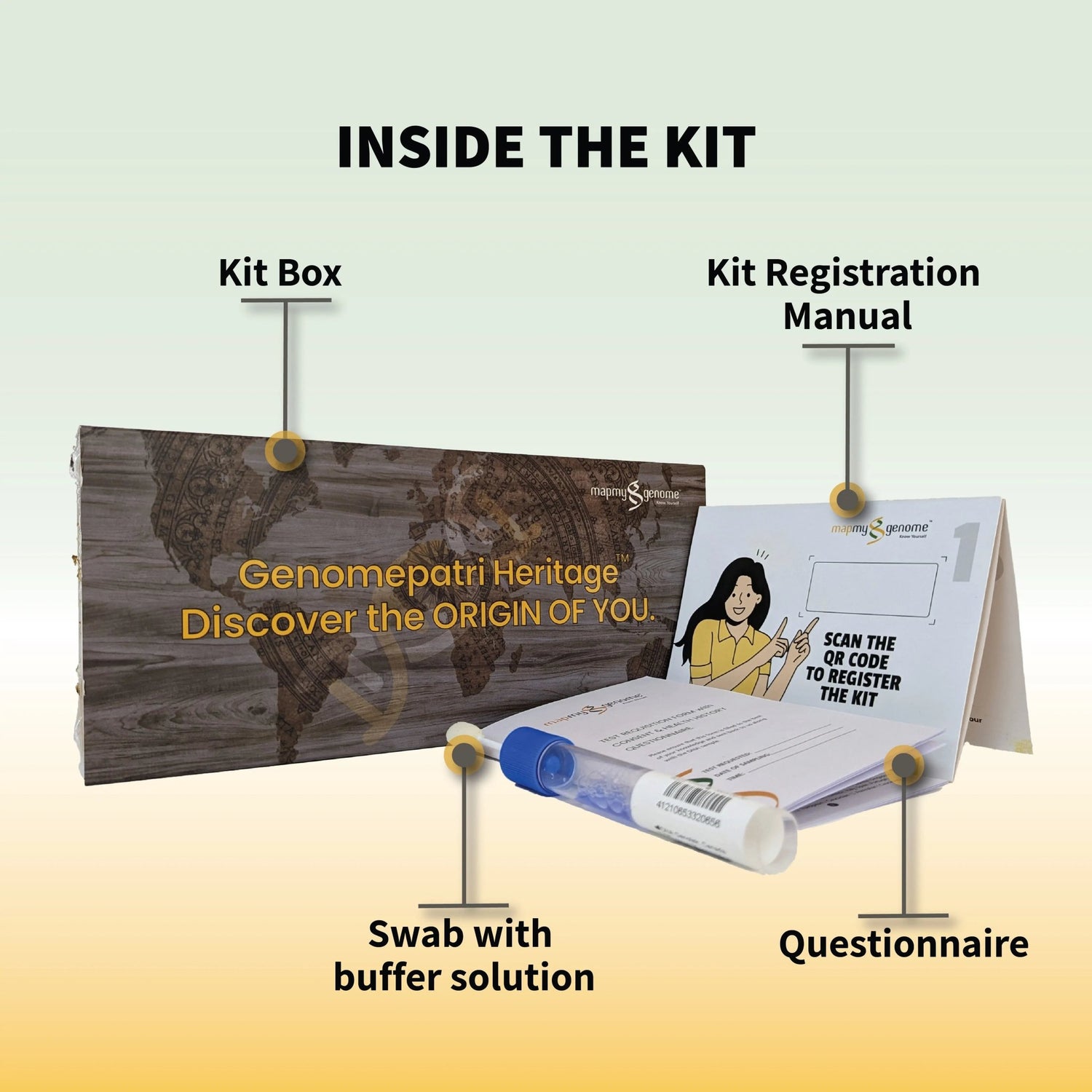
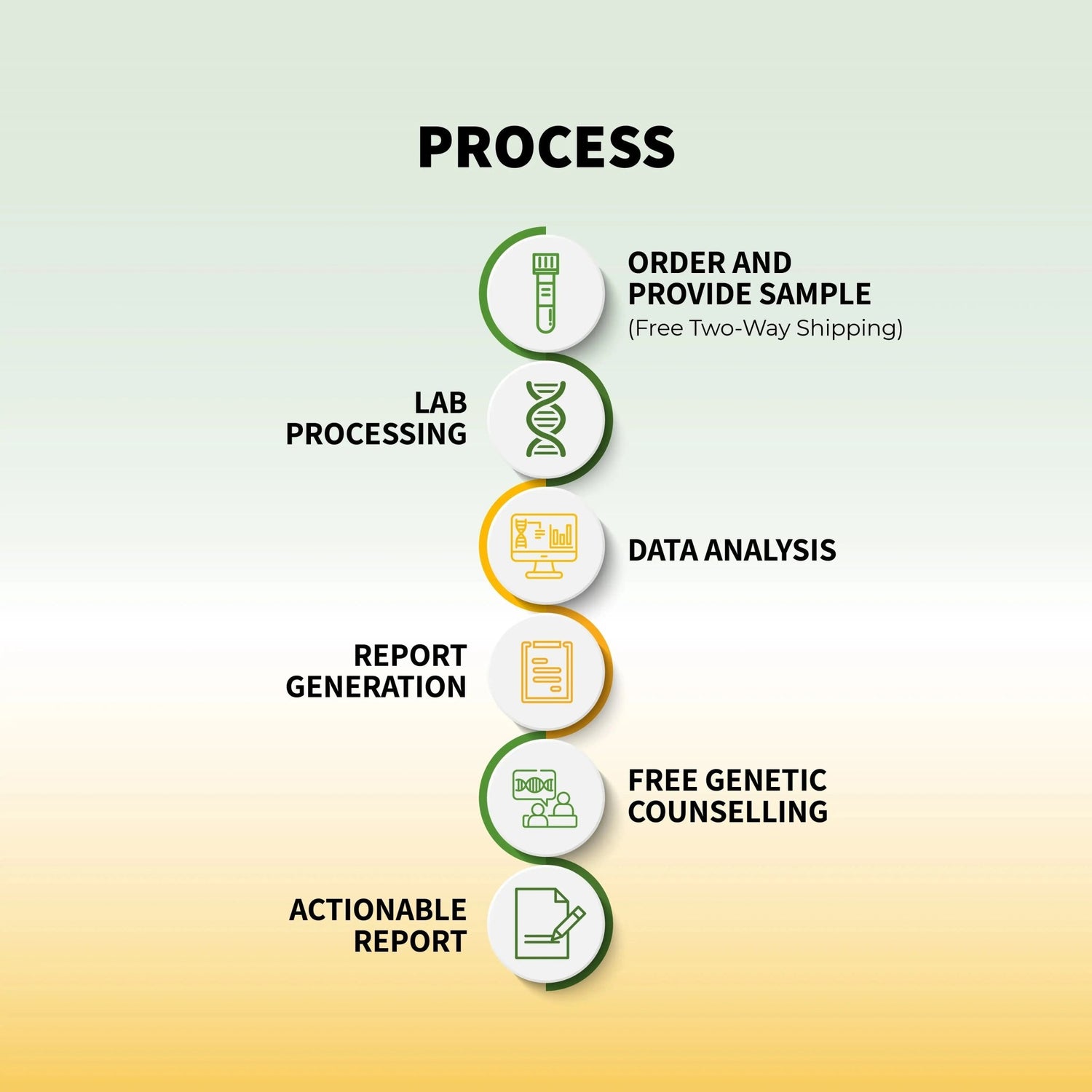
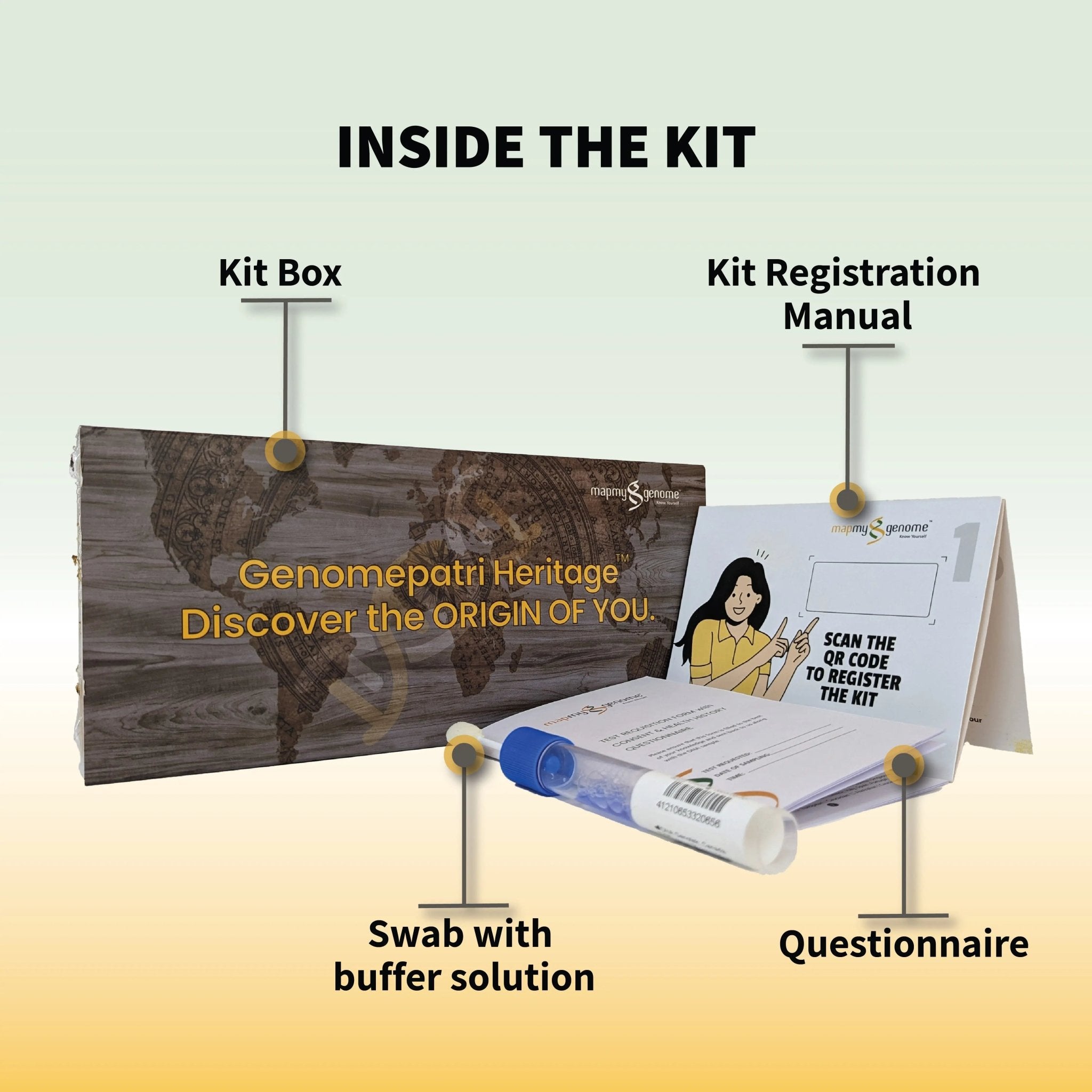
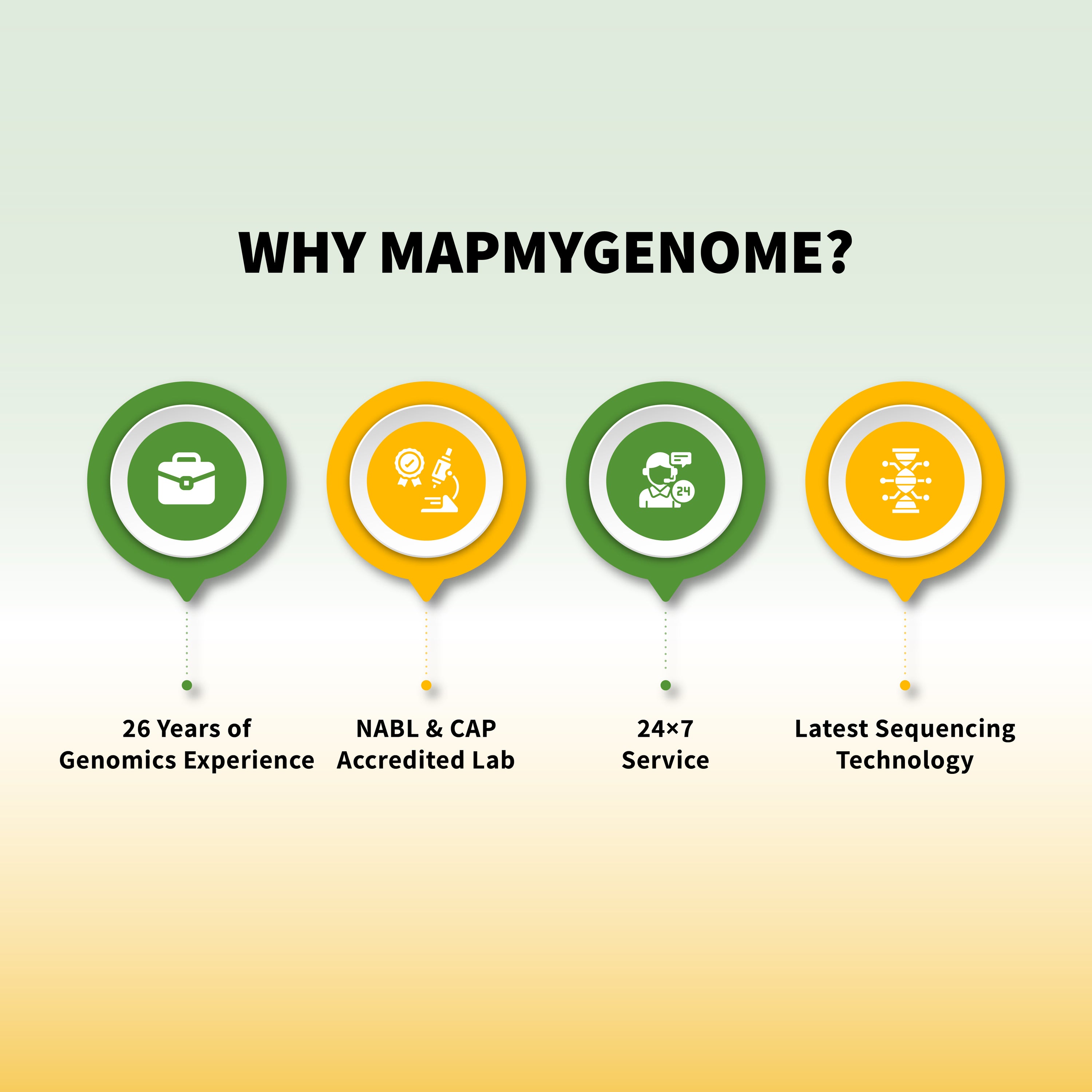
Genomepatri by MapmyGenome covers genetic predisposition to migraine, neurological conditions, and 100+ other health traits. Medicamap covers pharmacogenomics for migraine and pain medications. Both include certified genetic counselling.