

Whole Genome vs. Whole Exome Sequencing: Which One Should You Choose?
Two of the most comprehensive genetic tests available today are whole genome sequencing (WGS) and whole exome sequencing (WES). Both analyse your DNA at an unprecedented level of detail — but they differ significantly in scope, cost, and clinical application. Here’s how to choose the right one.
What is Whole Genome Sequencing (WGS)?
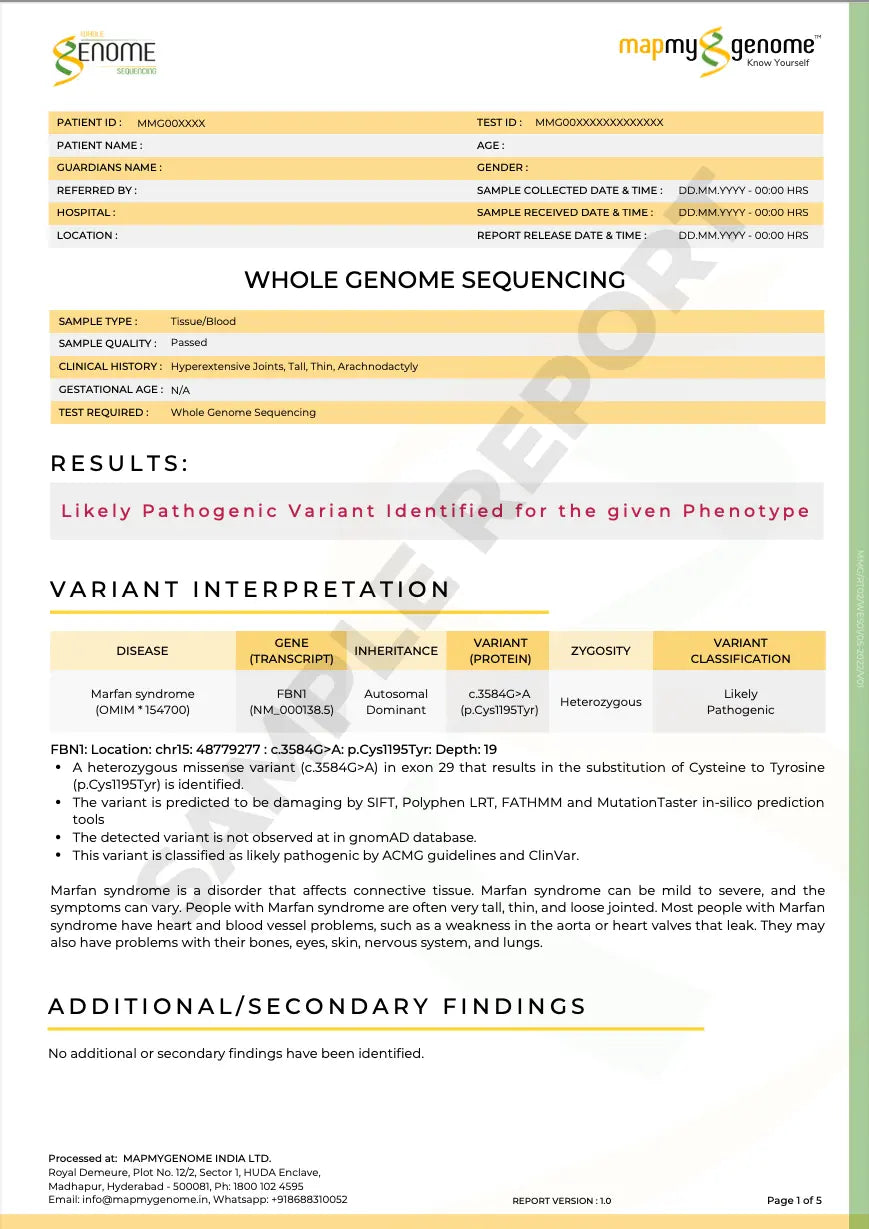
WGS sequences your entire genome — all 3 billion base pairs, including both coding and non-coding regions. It provides the most complete picture of your DNA, capturing variants in regulatory regions, introns, and structural variations that WES would miss.
What is Whole Exome Sequencing (WES)?
WES sequences only the exome — the 1–2% of your genome that codes for proteins. While this sounds limited, the exome contains approximately 85% of all known disease-causing mutations, making WES highly efficient for clinical diagnosis.
Key Differences
| Feature | WGS | WES |
|---|---|---|
| Coverage | Entire genome | Protein-coding regions only |
| Cost | Higher | Lower |
| Data volume | Very large | Manageable |
| Diagnostic yield (rare disease) | Slightly higher | 25–40% |
| Best for | Research, complex cases | Clinical diagnosis |
Which Should You Choose?
Choose WES if you have a suspected rare genetic disorder, a child with unexplained developmental delay, or a family history of hereditary disease. It’s more cost-effective and clinically validated.
Choose WGS if WES has returned inconclusive results, or if you need the most comprehensive analysis possible for a complex or unresolved case.
The Role of Genetic Counselling
Both WGS and WES generate large amounts of data that require expert interpretation. Variants of uncertain significance (VUS) are common — and a certified genetic counsellor is essential to help you understand your results and decide on next steps.
Whole Exome Sequencing with Expert Guidance
MapmyGenome offers whole exome sequencing through NABL-accredited laboratories, with certified genetic counsellors to interpret your results and guide your next steps — whether for rare disease diagnosis, cancer, or family planning.