

Mental health has long been a topic that men are expected to handle in silence. "Man up." "Don't be weak." "Just get on with it." These messages, absorbed from childhood, create a culture where men are far less likely to seek help for mental health struggles — with devastating consequences. Men die by suicide at nearly 3× the rate of women globally. It's time to change the conversation.
The Scale of the Problem
Men are significantly underrepresented in mental health treatment despite being at high risk. In India, men account for approximately 70% of suicide deaths. Globally, men are less likely to be diagnosed with depression and anxiety — not because they experience these conditions less, but because they are less likely to recognize symptoms, less likely to seek help, and more likely to express distress through externalizing behaviors (substance use, aggression, risk-taking) rather than the classic symptoms that mental health screening tools are designed to detect.
Why Men Don't Talk About Mental Health
Masculine Norms and Stigma
Traditional masculine norms — self-reliance, emotional stoicism, strength — create powerful barriers to help-seeking. Admitting to mental health struggles can feel like admitting weakness or failure. The fear of being judged, losing respect, or appearing vulnerable keeps many men suffering in silence.
Symptom Recognition
Men often experience depression differently from women — with more irritability, anger, risk-taking, and substance use, and less sadness and tearfulness. These "atypical" presentations are less likely to be recognized as depression by the man himself, his family, or even his doctor.
Practical Barriers
Men are more likely to work in jobs with inflexible hours, less likely to have health insurance that covers mental health care, and more likely to live in areas with limited mental health services. The practical barriers to accessing care compound the psychological ones.
The Genetic Component of Mental Health
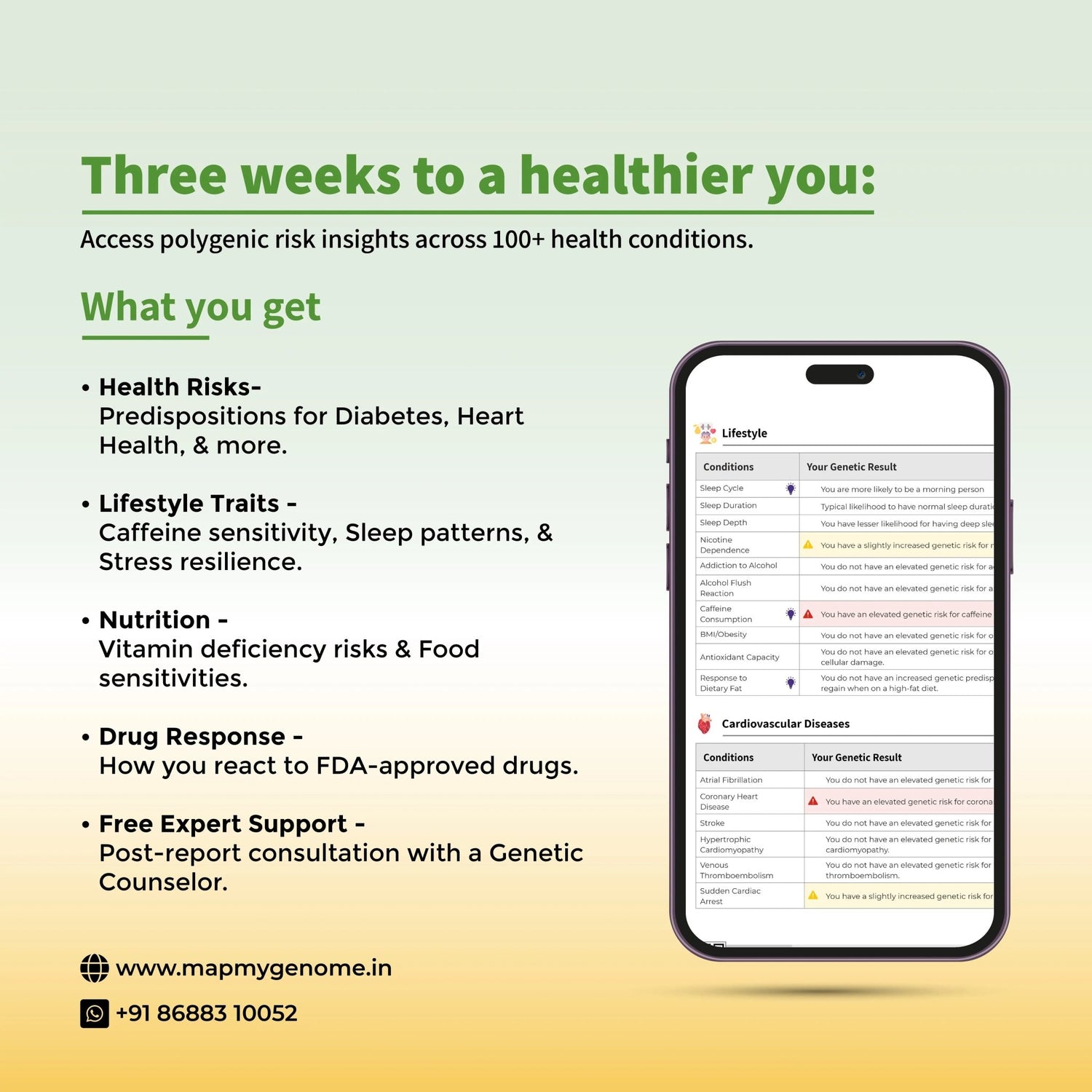
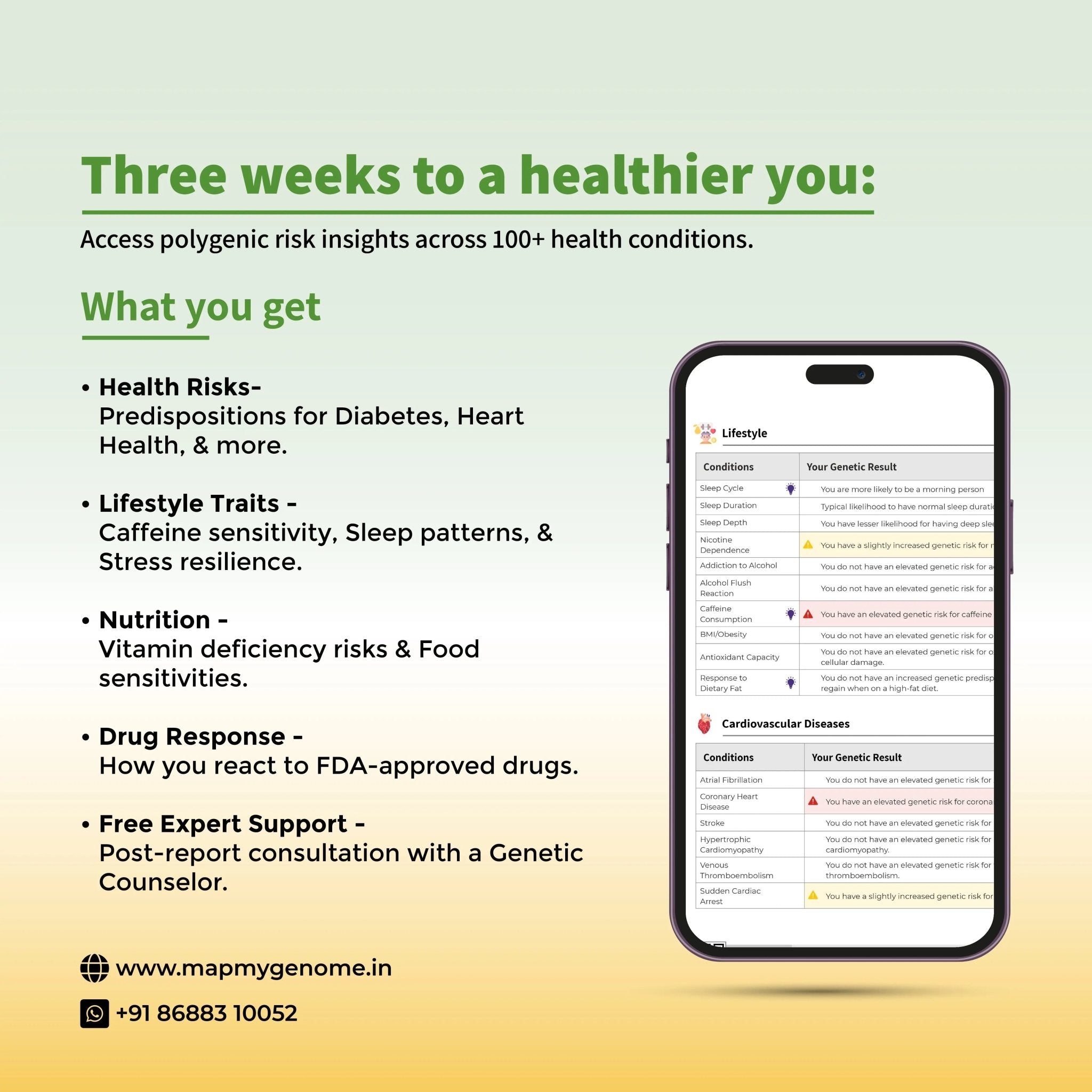
Mental health conditions have significant genetic components. Depression, anxiety, bipolar disorder, schizophrenia, and ADHD all run in families. Understanding your genetic predispositions doesn't mean your fate is sealed — but it does mean you can be more alert to early warning signs and more proactive about prevention and early intervention.
Pharmacogenomics — the study of how genes affect medication response — is also transforming mental health treatment. Genetic variants in CYP2D6 and CYP2C19 affect how antidepressants and antipsychotics are metabolized, influencing both efficacy and side effect risk. Knowing your pharmacogenomic profile can help your doctor choose the right medication from the start, reducing the trial-and-error that often discourages men from continuing treatment.
How to Start the Conversation
- Start small: You don't have to share everything at once. Start with "I've been feeling off lately" with someone you trust.
- Talk to your doctor: A GP is often the easiest first step. Frame it as a health issue — because it is.
- Use digital resources: Apps, online therapy, and text-based counselling reduce the face-to-face barrier that many men find difficult.
- Be there for other men: Check in on your male friends and family. Ask twice — "Are you really okay?"
FAQs
Is it normal for men to feel depressed or anxious?
Absolutely. Depression and anxiety are among the most common health conditions globally, affecting men and women equally. The difference is that men are less likely to recognize and report these feelings. Mental health conditions are medical conditions — not character flaws.
What should I do if I'm worried about a man in my life?
Ask directly and listen without judgment. Don't minimize what he's sharing. Help him access professional support — offer to help find a therapist or accompany him to a doctor's appointment. Follow up consistently.
Understand Your Genetic Mental Health and Medication Profile
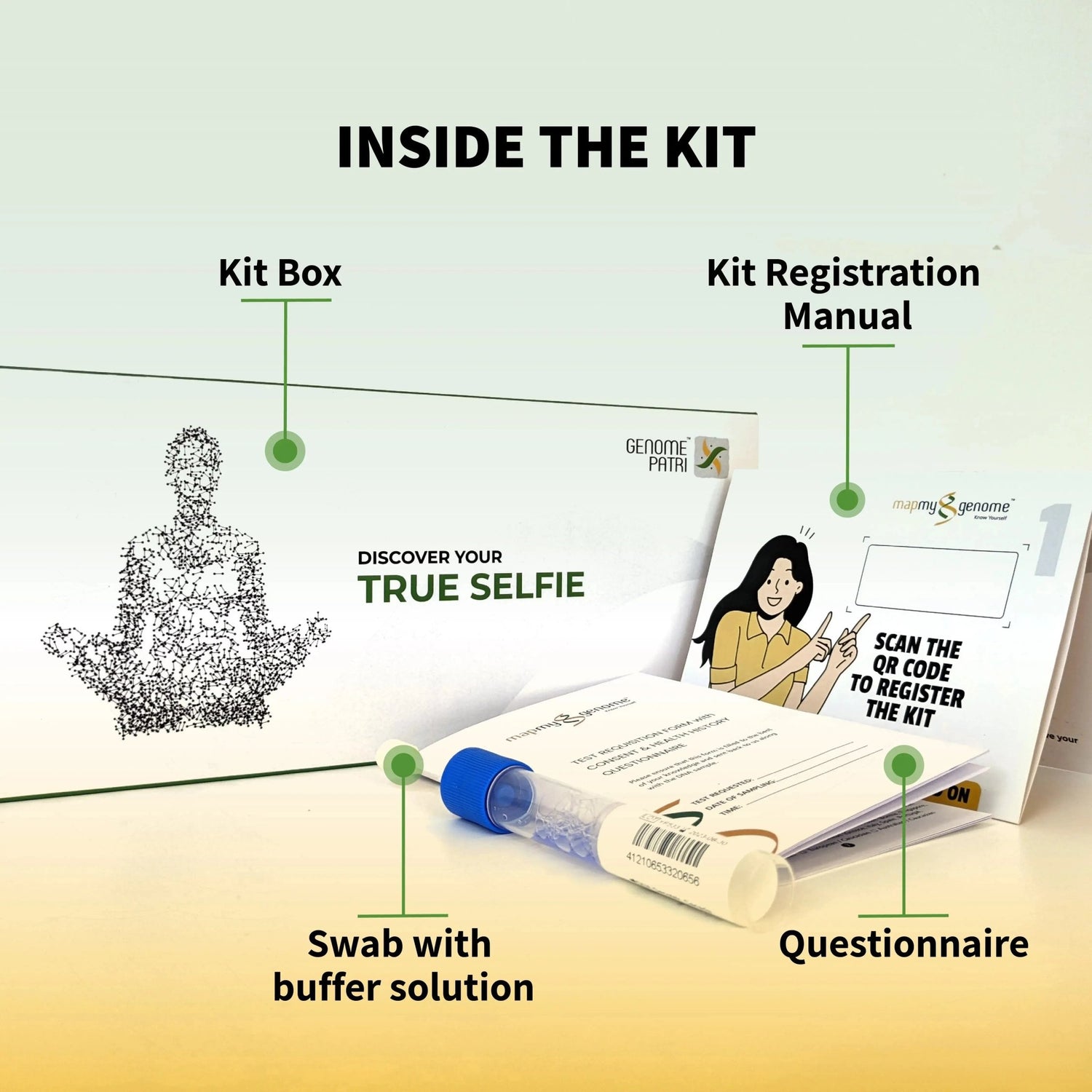
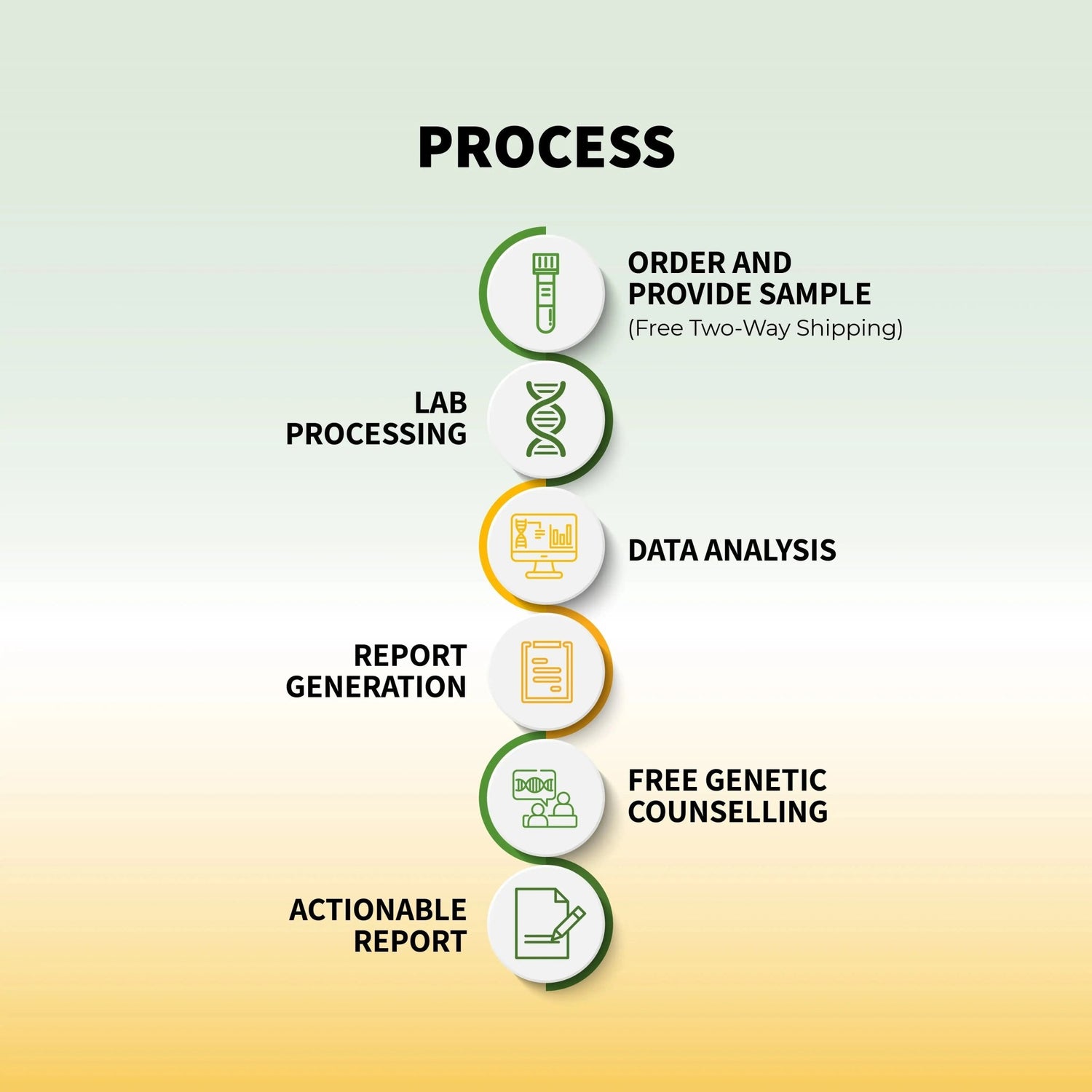
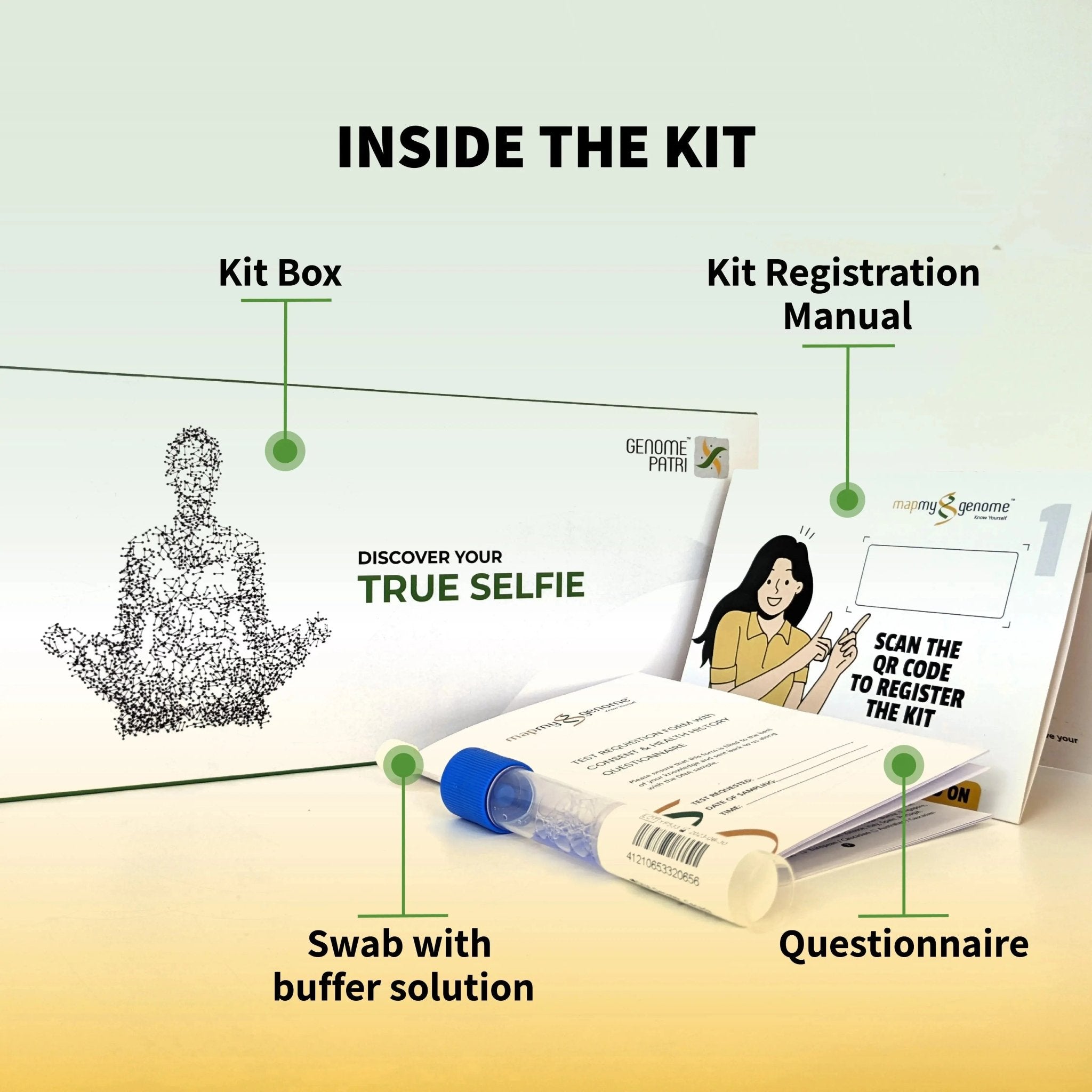
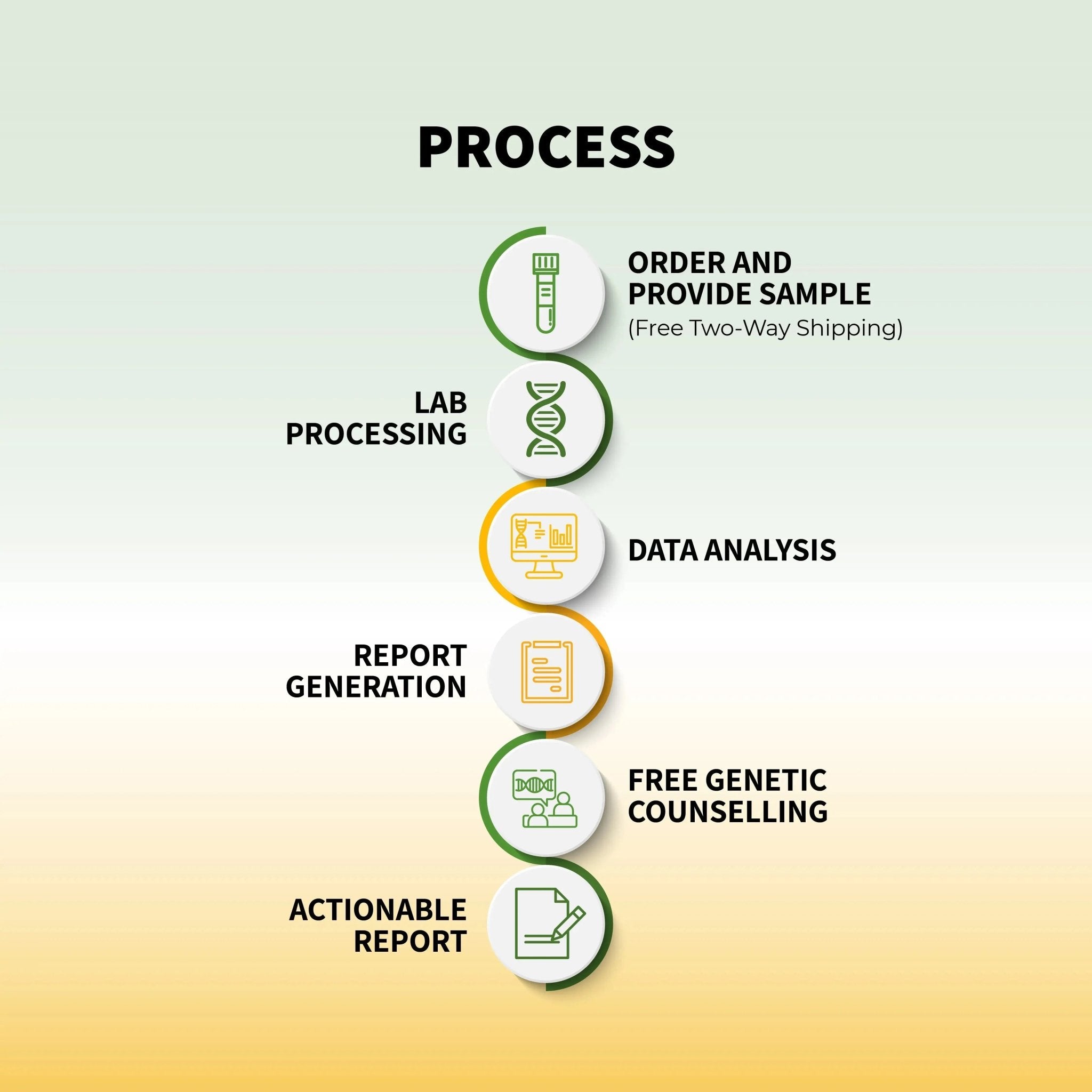
Genomepatri and MedicaMap by MapmyGenome include genetic insights into mental health predispositions and pharmacogenomic profiles for psychiatric medications — helping you and your doctor make more informed decisions about prevention and treatment.