

मैं बहुत कॉफी पीता हूँ। जो कोई भी मेरे साथ काम कर चुका है, वह यह जानता है - मेरी हर मीटिंग में मेरे हाथ में आमतौर पर एक कप होता है, और मैं लंबे समय से यह मज़ाक करता रहा हूँ कि मैपमाईजीनोम डेटा और कैफीन के बराबर भागों पर चलता है। इसलिए जब मैंने कॉफी और पेट के माइक्रोबायोम पर शोध करना शुरू किया, तो मुझे मानना पड़ेगा कि मैं आंशिक रूप से आत्म-हित के लिए पढ़ रहा था। क्या मेरी आदत मेरे पेट के साथ कुछ कर रही थी? और इससे भी महत्वपूर्ण बात - एक ऐसे व्यक्ति के रूप में जिसने दो दशकों तक जीनोम के बारे में सोचने में बिताया है - क्या यह मेरे लिए विशेष कुछ कर रहा था?
पता चला, यहाँ का विज्ञान वास्तव में आकर्षक है, और यह इस बात का एक आदर्श उदाहरण है कि मैं व्यक्तिगत, जीनोमिक्स-संचालित स्वास्थ्य में इतनी दृढ़ता से विश्वास क्यों करता हूँ।
कॉफी आपको जगाने से कहीं ज़्यादा कर रही है
यह बात मुझे हैरान कर गई: कॉफी सिर्फ आपके सिस्टम से गुजरने वाला कैफीन नहीं है। यह पौधों के यौगिकों - क्लोरोजेनिक एसिड, ट्राइगोनेलाइन, मेलानोइडिन, फाइबर - से भरा है जो ज्यादातर पाचन से बच जाते हैं और पेट में बरकरार रहते हैं, जहाँ आपके पेट के बैक्टीरिया उन्हें किण्वित करते हैं। उस किण्वन प्रक्रिया से जो कुछ भी निकलता है, वह वास्तव में आपके स्वास्थ्य को आकार देता है।
बड़े जनसंख्या अध्ययनों में पाया गया है कि कॉफी पेट के माइक्रोबायोम की संरचना पर सबसे प्रभावशाली आहार कारकों में से एक है। अमेरिका और ब्रिटेन में 20,000 से अधिक लोगों पर किए गए एक विश्लेषण में पाया गया कि कॉफी पीने का संबंध विभिन्न आबादी में एक लाभकारी पेट बैक्टीरिया, लॉसनियाबैक्टेर असैकैरोलाइटिकस के उच्च स्तर से लगातार जुड़ा हुआ था।
जिस अध्ययन ने वास्तव में मेरा ध्यान खींचा
यूनिवर्सिटी कॉलेज कॉर्क के एपीसी माइक्रोबायोम आयरलैंड के 2026 के एक अध्ययन ने दो सप्ताह की कॉफी abstinence अवधि और फिर फिर से शुरू करने के माध्यम से कॉफी पीने वालों का पता लगाया। कुछ बातें सामने आईं:
- नियमित कॉफी पीने वालों में एक विशिष्ट पेट माइक्रोबियल सिग्नेचर था - विभिन्न बैक्टीरियल प्रजातियाँ, विभिन्न मेटाबोलाइट स्तर, गैर-पीने वालों की तुलना में।
- यह सिर्फ कैफीन के बारे में नहीं था। कैफीनयुक्त और डिकैफ़िनेटेड दोनों कॉफी ने पेट की माइक्रोबियल गतिविधि को बदल दिया, जो पॉलीफेनोल और फाइबर के बहुत सारे काम करने की ओर इशारा करता है।
- ये पेट के बदलाव मूड, तनाव और संज्ञानात्मकता से जुड़े थे - पेट-मस्तिष्क अक्ष के कार्य में वास्तविक प्रमाण।
- प्रभाव प्रतिवर्ती और तेज़-अभिनय वाले थे। कॉफी बंद करो, माइक्रोबायोम बदल जाता है। फिर से शुरू करो, यह वापस बदल जाता है।
मेरी कॉफी की आदत आपकी कॉफी की आदत क्यों नहीं है
यह CYP1A2 जीन में है। यह जीन निर्धारित करता है कि आप कैफीन को तेज़ी से या धीरे-धीरे चयापचय करते हैं। मैं तेज़-चयापचय करने वाले प्रकार को धारण करता हूँ - जो शायद इस बात का हिस्सा है कि मैं दिन भर कॉफी क्यों पी सकता हूँ बिना मेरी नींद खराब किए। धीमे-चयापचय करने वाले प्रकार वाला कोई व्यक्ति समान मात्रा में पीकर घबराहट, चिंता, या बाधित रात से निपट सकता है - इच्छाशक्ति की कोई गलती नहीं, बस जीव विज्ञान।
लेकिन "तेज़ चयापचय" जीन होना कहानी का केवल एक हिस्सा है। यह बताता है कि कैफीन मेरे रक्तप्रवाह से कितनी तेज़ी से साफ होता है - यह नहीं बताता कि मेरे पेट में आगे क्या हो रहा है। कैफीन चयापचय और पेट माइक्रोबियल प्रतिक्रिया दो अलग-अलग प्रणालियाँ हैं। आनुवंशिकी आपको उत्तर का एक हिस्सा देती है; आपका माइक्रोबायोम बाकी को भरता है।
मैं एक और परत जोड़ूंगा: रजोनिवृत्ति ने मेरी नींद को इस तरह से बदल दिया जो मेरी कॉफी की आदत ने कभी नहीं किया। कुछ समय के लिए, मैं यह नहीं बता सका कि क्या कैफीन था, क्या हार्मोन थे, और क्या बस जीवन मेरे साथ पकड़ बना रहा था। मुझे अपनी खुद की डेटा पर अधिक ध्यान देने की आवश्यकता थी बजाय सामान्य सलाह के एक ऐसी दिनचर्या पर पहुँचने के लिए जो अब मेरे लिए वास्तव में काम करती है। हमारा जीव विज्ञान जीवन के विभिन्न चरणों में बदलता रहता है, और 30 साल की उम्र में आपके लिए "सही" आदतें जरूरी नहीं कि वे हों जो 50 साल की उम्र में आपकी सेवा करें।
यह आपके पेट के माइक्रोबायोम बेसलाइन में है। समान मात्रा में कॉफी पीने वाले दो लोगों में पूरी तरह से अलग माइक्रोबियल प्रतिक्रियाएँ हो सकती हैं, क्योंकि हर कोई एक अलग पेट पारिस्थितिकी तंत्र से शुरू होता है, जो आनुवंशिकी, पिछले आहार और पर्यावरण द्वारा आकार लेता है।
यह आपकी पेट की संवेदनशीलता में है। कॉफी पेट के एसिड और आंतों की गतिशीलता को उत्तेजित करती है, जो कुछ लोगों के पाचन के लिए बहुत अच्छी है और दूसरों के लिए वास्तव में असहज है - खासकर जो एसिड रिफ्लक्स या IBS से ग्रस्त हैं।
यह भी पढ़ें: कैफीन की लत: समझना, पहचानना और ठीक होना
मैंने इससे क्या सीखा है
मैं अपनी कॉफी नहीं छोड़ रहा हूँ - शोध, अगर कुछ भी है, तो मुझे यह आश्वस्त करता है कि मेरी जैसी आदत वास्तव में एक विविध, स्वस्थ पेट का समर्थन कर सकती है, खासकर फाइबर युक्त आहार के साथ। लेकिन इसने कुछ ऐसा भी पुष्ट किया है जिस पर मैं पहले से ही गहराई से विश्वास करता था: कोई सार्वभौमिक "स्वस्थ आदत" नहीं है, और कोई भी एक जीन पूरी कहानी नहीं बताता है।
यह ठीक वही अंतर्दृष्टि है जो मुझे लगता है कि हर किसी को उपलब्ध होनी चाहिए - सामान्य सलाह नहीं, बल्कि आपके अपने जीव विज्ञान की समझ। चाहे वह कैफीन को आप कैसे चयापचय करते हैं या आपका पेट माइक्रोबायोम वास्तव में कैसा दिखता है, व्यक्तिगत डेटा प्रश्न को "क्या कॉफी अच्छी है या बुरी?" से बदलकर "क्या कॉफी मेरे लिए अच्छी है या बुरी?" कर देता है - जो पूछने के लिए एक अधिक उपयोगी प्रश्न है।
तो हाँ, मैं अपनी कॉफी पीता रहूँगा। लेकिन अब मुझे थोड़ा और पता है कि यह मेरे माध्यम से जाते हुए क्या कर रहा है।
अपनी खुद की जीन-पेट की कहानी के बारे में उत्सुक हैं?
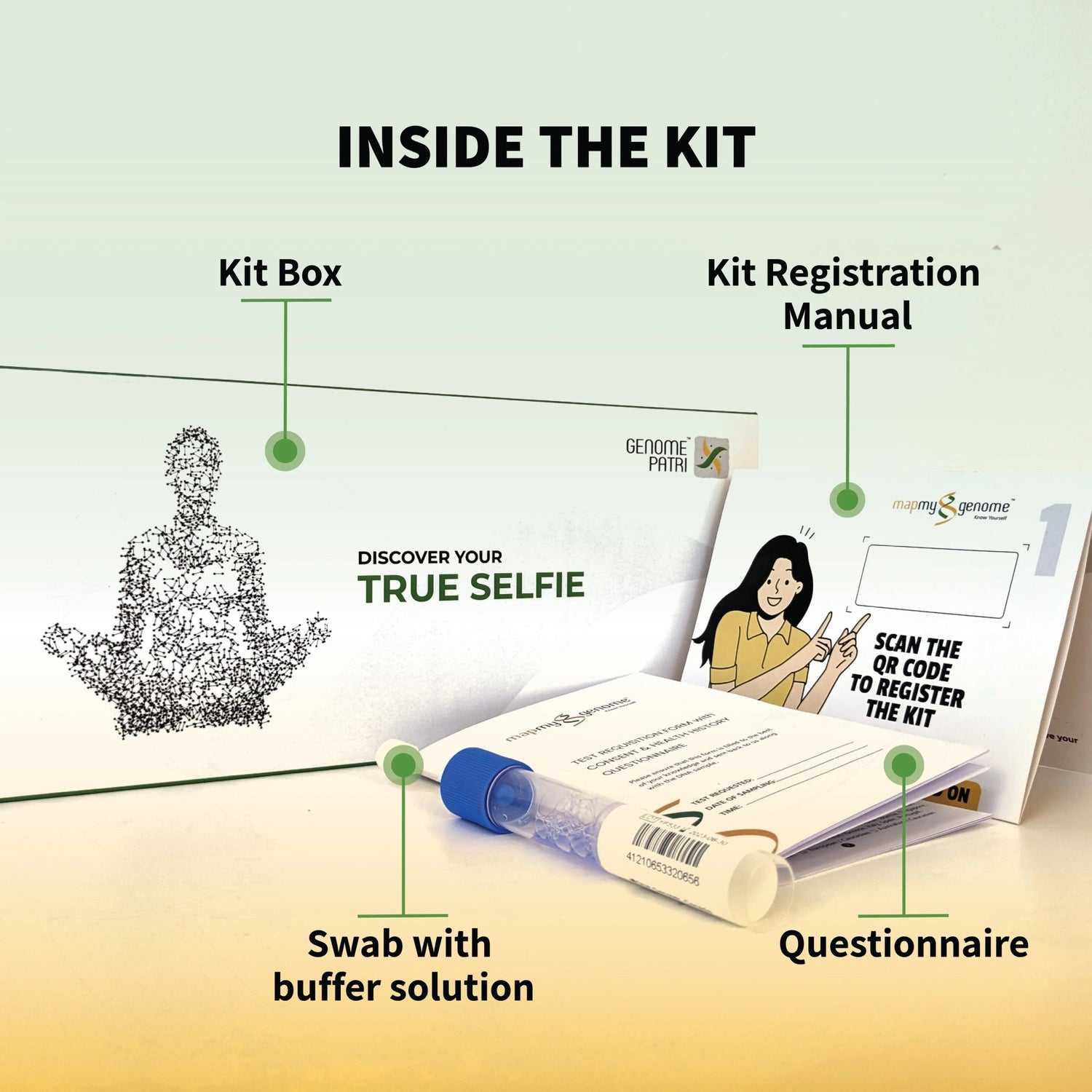
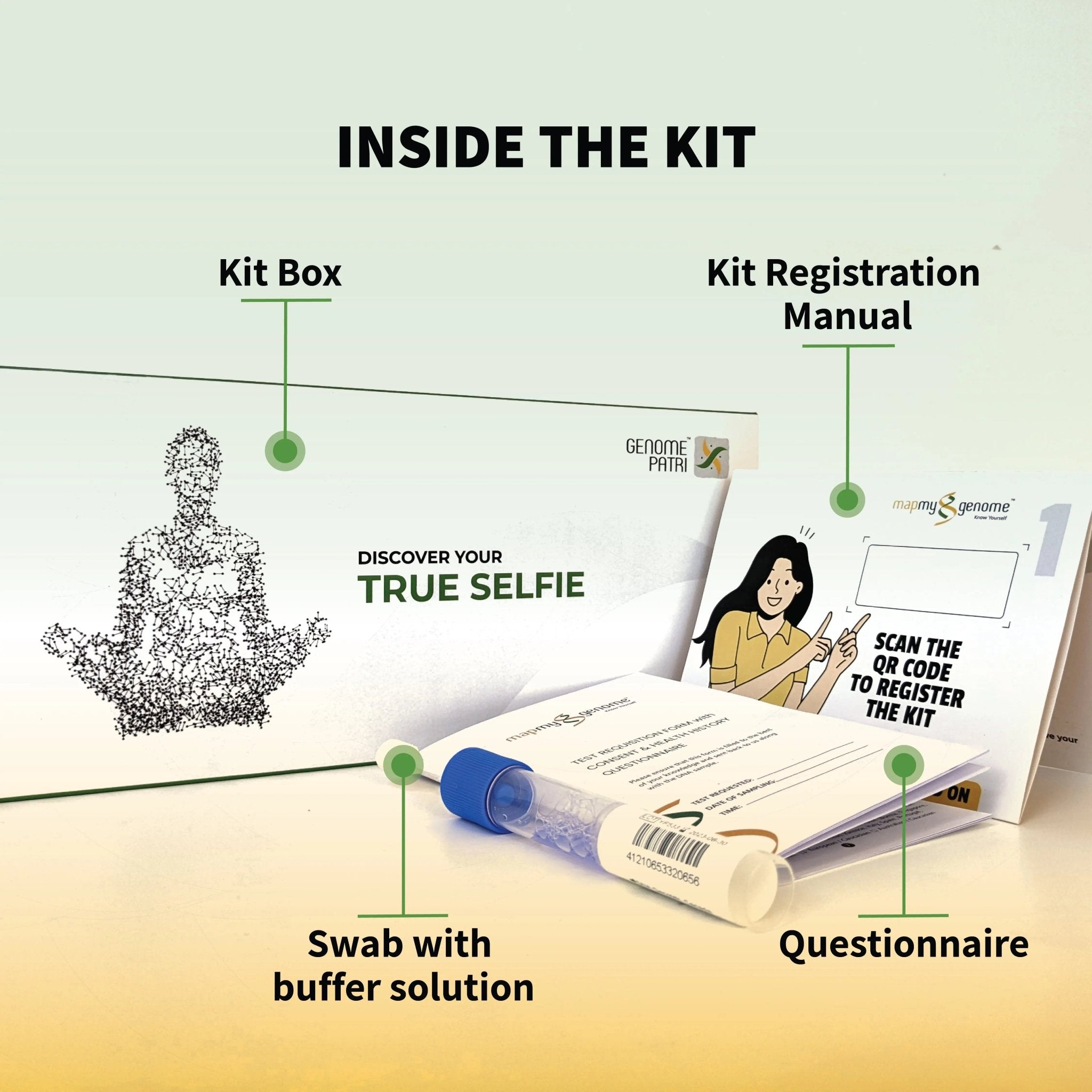
स्टे यंग बंडल जीनोमपत्री (आपकी आनुवंशिक रूपरेखा) को एक पूर्ण मैपमाईबायोम पेट माइक्रोबायोम विश्लेषण के साथ जोड़ता है - ताकि आप एक ही रिपोर्ट में देख सकें कि आपके जीन और आपका पेट वास्तव में कैसे एक साथ काम कर रहे हैं। यह वही संयोजन है जो आपकी कॉफी की आदत, ऊर्जा, मूड और बहुत कुछ पर बिंदुओं को जोड़ता है।