

हर दूसरे हफ़्ते, आपके सर्कल में कोई न कोई GLP-1 की कहानी सुनाता है, और हाल ही में वे कहानियाँ मेल नहीं खातीं। एक सहकर्मी जिसने चार महीने में 12 किलो वज़न कम किया और अब हर लंच टेबल पर इसकी सलाह देना बंद नहीं कर सकता। एक चचेरी बहन जिसने बिल्कुल वही दवा, बिल्कुल वही खुराक, बिल्कुल वही डाइट प्लान आज़माया — और उसने मुश्किल से ही कोई बदलाव देखा, चाहे वह कितनी भी सख़्ती से इसका पालन करती थी। एक दोस्त जिसे हफ़्तों तक जी मिचलाता रहा, उसने हार मान ली, और चुपचाप सोचा कि उसने क्या ग़लत किया था।
उसने कुछ भी ग़लत नहीं किया था। वही अणु, वही निर्देश, बिल्कुल अलग परिणाम — यह इच्छाशक्ति की कहानी नहीं है। यह जीव विज्ञान की कहानी है, और तेज़ी से, यह आनुवंशिकी की कहानी है।
भारत की वज़न की कहानी सुर्खियों से कहीं ज़्यादा बड़ी है
भारत में GLP-1 की बातचीत शून्य में नहीं हो रही है — यह एक ऐसी चयापचय संबंधी वास्तविकता पर आधारित है जो पहले से ही कमज़ोर थी। ICMR-INDIAB अध्ययन, अपनी तरह का सबसे बड़ा राष्ट्रीय प्रतिनिधि सर्वेक्षण, ने देश भर में 1,13,000 से ज़्यादा वयस्कों की जाँच की और लगभग 10 में से 3 भारतीयों में सामान्य मोटापा और लगभग 10 में से 4 में पेट का मोटापा पाया। NFHS-5 का डेटा इसे और भी स्पष्ट रूप से बताता है: आज लगभग चार में से एक भारतीय मोटापे से ग्रस्त है।
यहाँ वह मोड़ है जिसे डॉक्टर कई सालों से उठा रहे हैं: भारतीय शरीर हमेशा वैश्विक मोटापे के नियम पुस्तिका के अनुसार काम नहीं करते हैं। इसे "पतला-मोटा भारतीय फेनोटाइप" कहा जाता है — एक ऐसा शरीर जो तस्वीर में पूरी तरह से पतला दिख सकता है जबकि चुपचाप समान बीएमआई वाले पश्चिमी शरीर की तुलना में शरीर में वसा और आंतों की वसा का अधिक प्रतिशत रखता है, जिसमें इंसुलिन प्रतिरोध अक्सर पैमाने की तुलना में पहले और कम वज़न पर दिखाई देता है। किसी को यह बताया जा सकता है कि वे "चिंता करने के लिए पर्याप्त मोटे नहीं हैं" और फिर भी वे चयापचय संबंधी जोखिम में हो सकते हैं। यह एक बड़ा कारण है कि भारत पर दुनिया के टाइप 2 मधुमेह का इतना असमान बोझ क्यों है — और ठीक यही वह जनसंख्या-विशिष्ट जीव विज्ञान है जिसे वज़न घटाने के लिए एक-आकार-सभी-के-लिए दृष्टिकोण, दवा या आहार, अक्सर अनदेखा कर देता है।
GLP-1 दवाएं वास्तव में क्या करती हैं
यहाँ वह बात है जो शायद ही कभी WhatsApp फॉरवर्ड में आती है: GLP-1 (ग्लूकागन-लाइक पेप्टाइड-1) कोई लैब का आविष्कार नहीं है जिसे किसी फार्मा बोर्डरूम में कल्पना की गई हो। यह एक हार्मोन है जिसे आपकी आंत हर बार खाने पर चुपचाप बनाती रही है, आपके पूरे जीवन भर। यह आपके दिमाग को झकझोर कर कहता है बहुत हो गया, भोजन को आपके पेट से निकलने की गति को धीमा करता है, और रास्ते में आपके इंसुलिन को स्थिर करने में मदद करता है। सेमाग्लूटाइड और तिर्ज़ेपटाइड जैसी दवाएं इस हार्मोन की नकल करके काम करती हैं जो आपके शरीर द्वारा स्वयं उत्पादित होने वाली मात्रा से कहीं अधिक और स्थिर स्तर पर होती हैं — यही कारण है कि भूख को दबाना आमतौर पर पहली चीज़ होती है जिसे लोग नोटिस करते हैं।
लेकिन "हार्मोन की नकल करना" का मतलब कभी भी "हर किसी के लिए समान परिणाम" नहीं होने वाला था। आपका शरीर पहले स्थान पर उस हार्मोन सिग्नल को कितनी ज़ोर से सुनता है, यह आंशिक रूप से आपके जीन में लिखा होता है, किसी भी नुस्खे के आने से बहुत पहले।
भूख के संकेत के पीछे के जीन
GLP-1 दवाओं के अस्तित्व में आने से बहुत पहले, शोधकर्ता भूख और शरीर के वज़न की आनुवंशिकी का मानचित्रण कर रहे थे, और कुछ जीन बार-बार सामने आते रहे:
-
- FTO — बड़े पैमाने पर किए गए आनुवंशिक अध्ययनों के माध्यम से शरीर के वज़न से दृढ़ता से जुड़ा पहला जीन, जो भूख विनियमन और ऊर्जा संतुलन में अंतर से संबंधित है। कुछ FTO वेरिएंट उच्च भोजन सेवन की प्रवृत्ति और कम तृप्ति संकेत से जुड़े होते हैं, जो इच्छाशक्ति से स्वतंत्र होते हैं।
- MC4R — मस्तिष्क के भूख-और-तृप्ति सर्किट के लिए केंद्रीय जीन, जो लेप्टिन और घ्रेलिन जैसे भूख हार्मोन के साथ काम करता है। यहाँ के वेरिएंट आपके शरीर को "मुझे पर्याप्त मिल गया है" को कितनी मज़बूती से दर्ज करते हैं, इसे बदल सकते हैं।
ये दुर्लभ, विदेशी उत्परिवर्तन नहीं हैं — इन जीनों के सामान्य संस्करण आबादी में व्यापक रूप से फैले हुए हैं, जिनमें भारत भी शामिल है, और वे यह समझाने में मदद करते हैं कि समान आहार पर दो लोगों के भूख के साथ बहुत अलग संबंध क्यों हो सकते हैं।
विशेष रूप से GLP-1 रिसेप्टर एगोनिस्ट के साथ इन समान भूख-और-चयापचय जीनों के बातचीत के अनुसंधान अभी भी फार्माकोजेनोमिक्स का एक प्रारंभिक और सक्रिय क्षेत्र है — अभी तक किसी व्यक्ति की दवा प्रतिक्रिया की निश्चितता के साथ भविष्यवाणी करने के लिए पर्याप्त स्थापित नहीं है। हालांकि, यह अच्छी तरह से स्थापित है कि आपका आनुवंशिक प्रारंभिक बिंदु आपके आधारभूत भूख विनियमन, तृप्ति संकेत, और वसा भंडारण प्रवृत्तियों को आकार देता है — जो ठीक वही क्षेत्र है जिसके साथ कोई भी वज़न घटाने का तरीका, दवा या जीवनशैली, काम करना चाहता है न कि उसके ख़िलाफ़।
"उस पर काम किया, तो मुझ पर भी करेगा" क्यों टूट जाता है
यह वह हिस्सा है जो GLP-1 प्रचार चक्र में खो जाता है: वज़न और चयापचय कभी भी 1.4 अरब लोगों की आनुवंशिक रूप से विविध आबादी में एक ही हस्तक्षेप पर समान रूप से प्रतिक्रिया नहीं करने वाले थे। आपके जीन प्रभावित करते हैं:
-
- आप कितनी कुशलता से वसा जमा करते हैं बनाम उसे जलाते हैं
- आप कार्बोहाइड्रेट के प्रति कितने संवेदनशील हैं और आपका शरीर इंसुलिन को कैसे संभालता है
- आपका शरीर विभिन्न प्रकार के व्यायामों पर कैसे प्रतिक्रिया करता है
- आप कुछ दवाओं का चयापचय कैसे करते हैं, जिनमें वज़न प्रबंधन के साथ निर्धारित कुछ दवाएं भी शामिल हैं
वह अंतिम बिंदु लोगों की समझ से कहीं ज़्यादा मायने रखता है। दवा चयापचय जीन — वही CYP450 परिवार जिसके पीछे वही दर्द निवारक एक व्यक्ति के लिए पूरी तरह से काम कर सकता है और दूसरे के लिए कुछ भी नहीं कर सकता — केवल यह प्रभावित नहीं करते कि आप कॉफी या सामान्य दवाओं को कैसे संसाधित करते हैं। वे इस बात का हिस्सा हैं कि लगभग किसी भी चीज़ की मानक खुराक, जिसमें चयापचय और वज़न प्रबंधन में उपयोग की जाने वाली दवाएं भी शामिल हैं, दो लोगों को पूरी तरह से अलग बल के साथ क्यों प्रभावित कर सकती हैं।
इसका आपके लिए वास्तव में क्या मतलब है
इनमें से कोई भी किसी विशिष्ट दवा के पक्ष या विपक्ष में तर्क नहीं है — वह बातचीत आपके और आपके डॉक्टर के बीच की है। यह किस बात का तर्क है, वह है अपनी स्वयं की जीव विज्ञान के बारे में अधिक जानकारी के साथ उस बातचीत में जाना, कम नहीं।
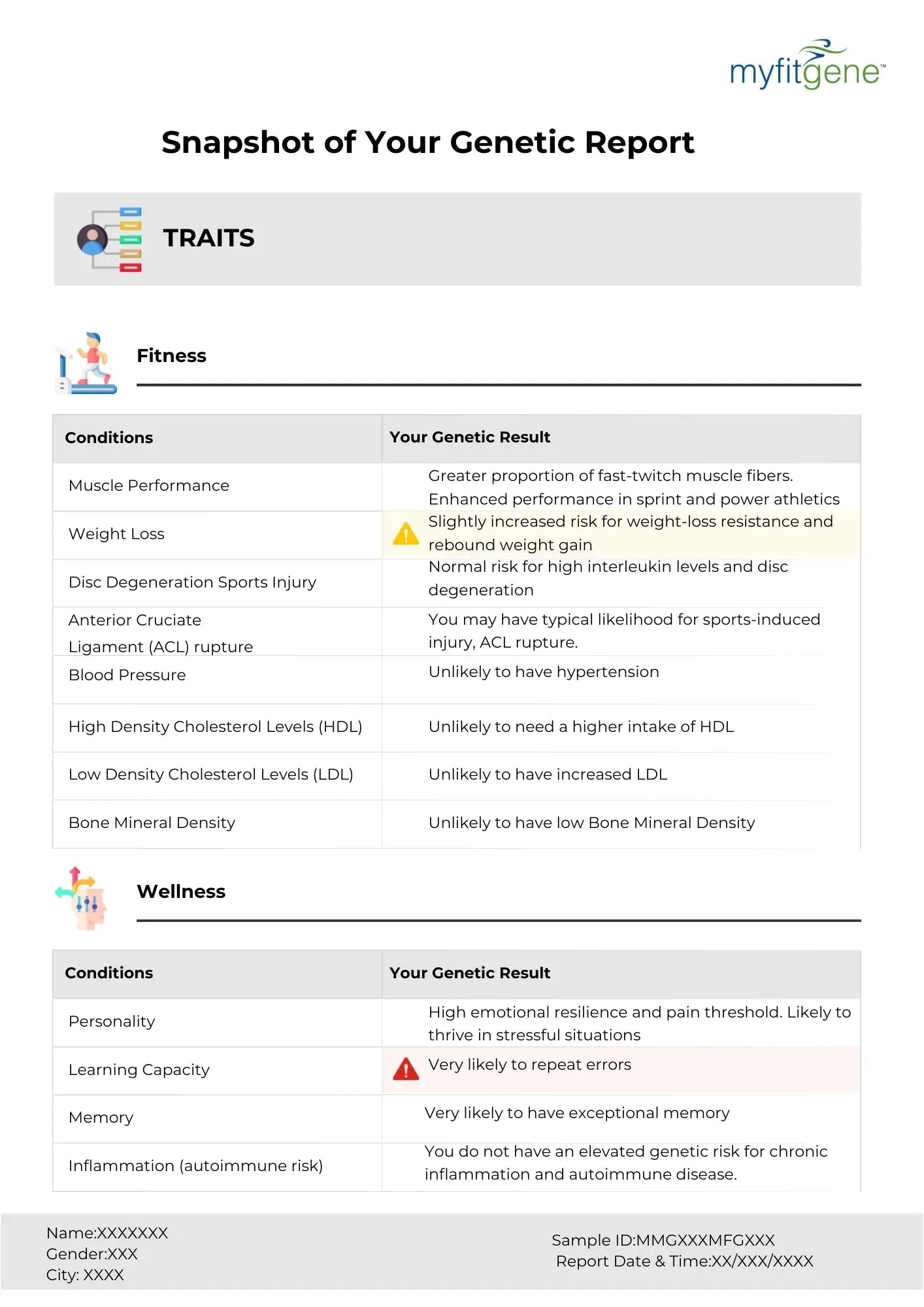
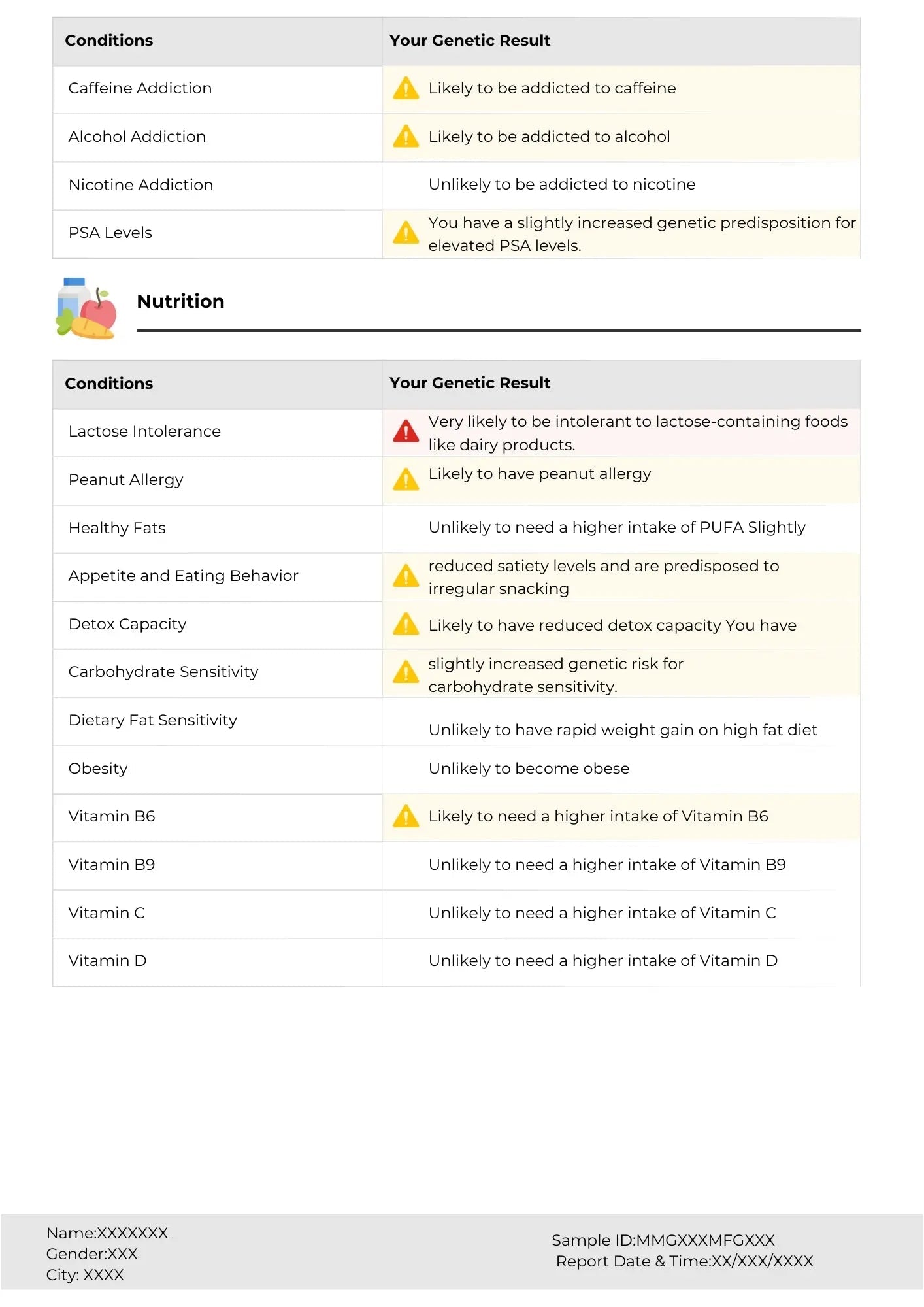
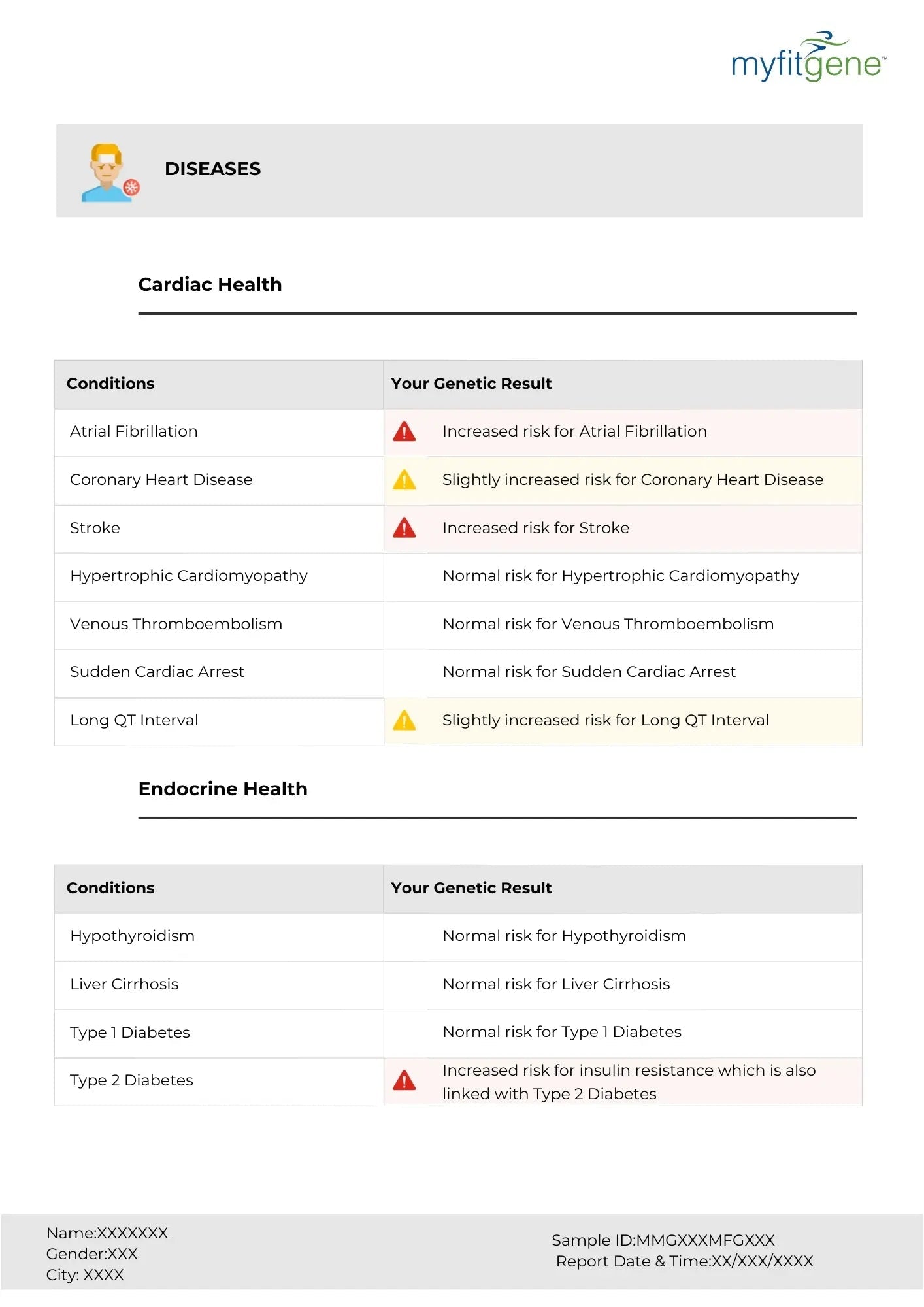
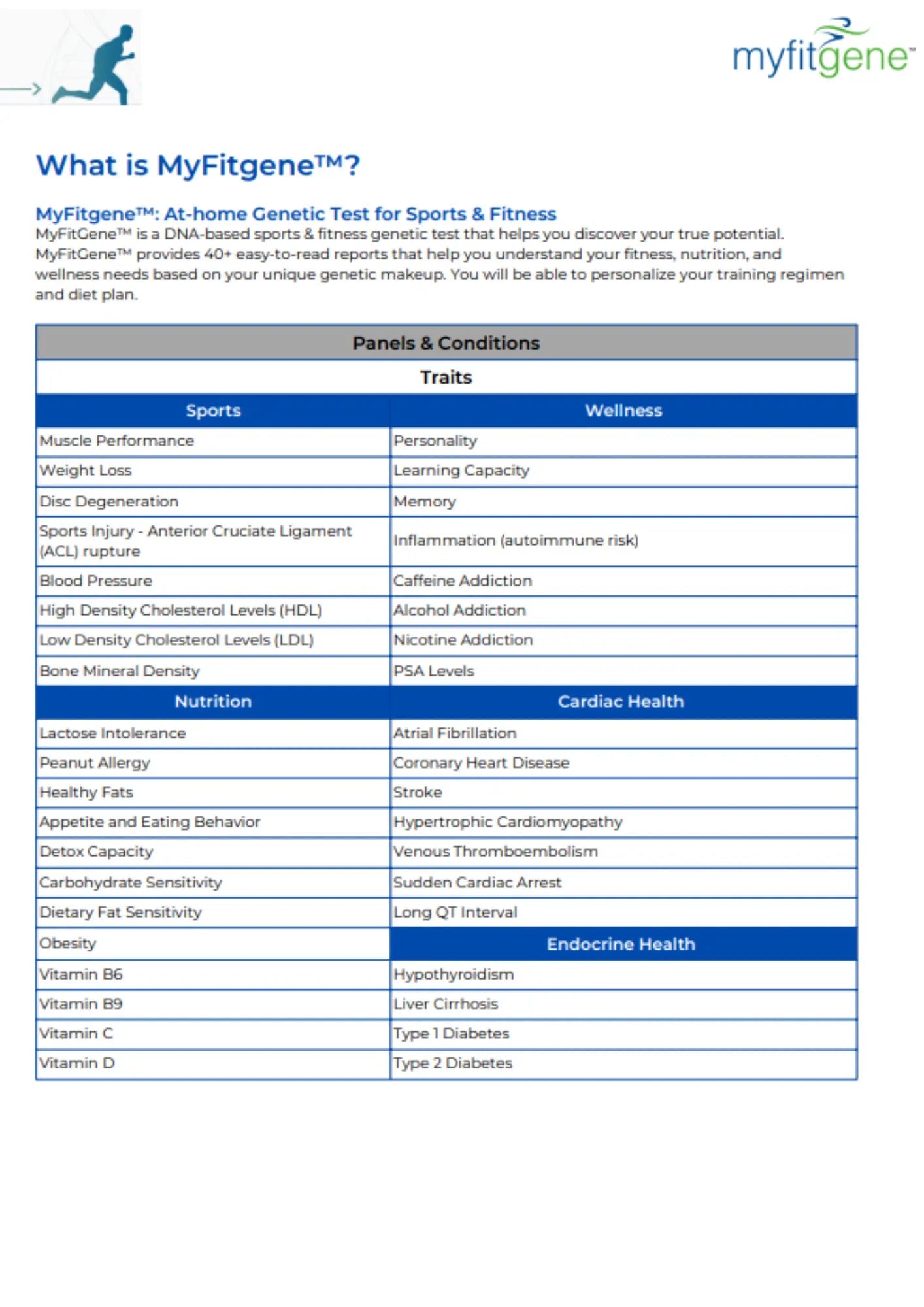
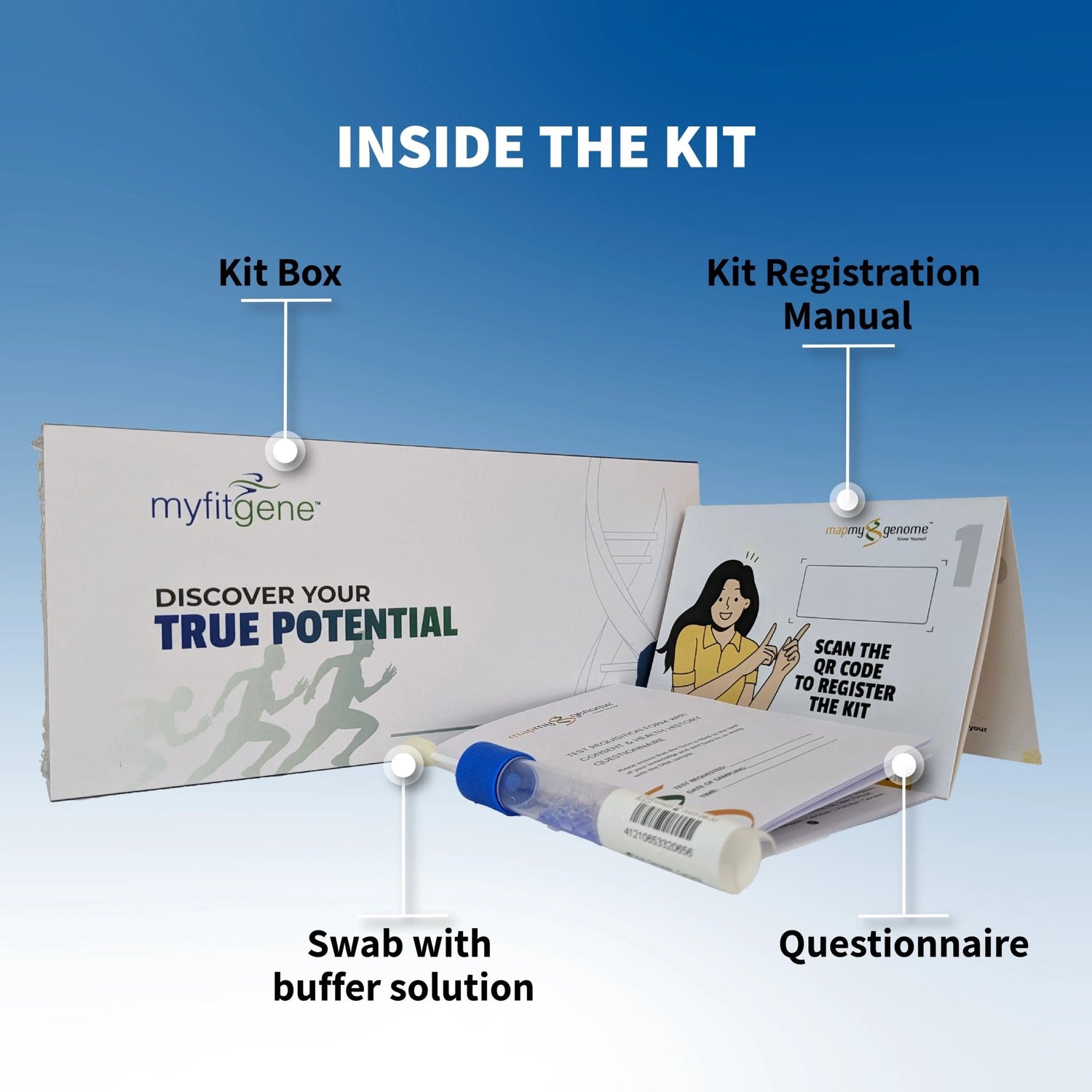
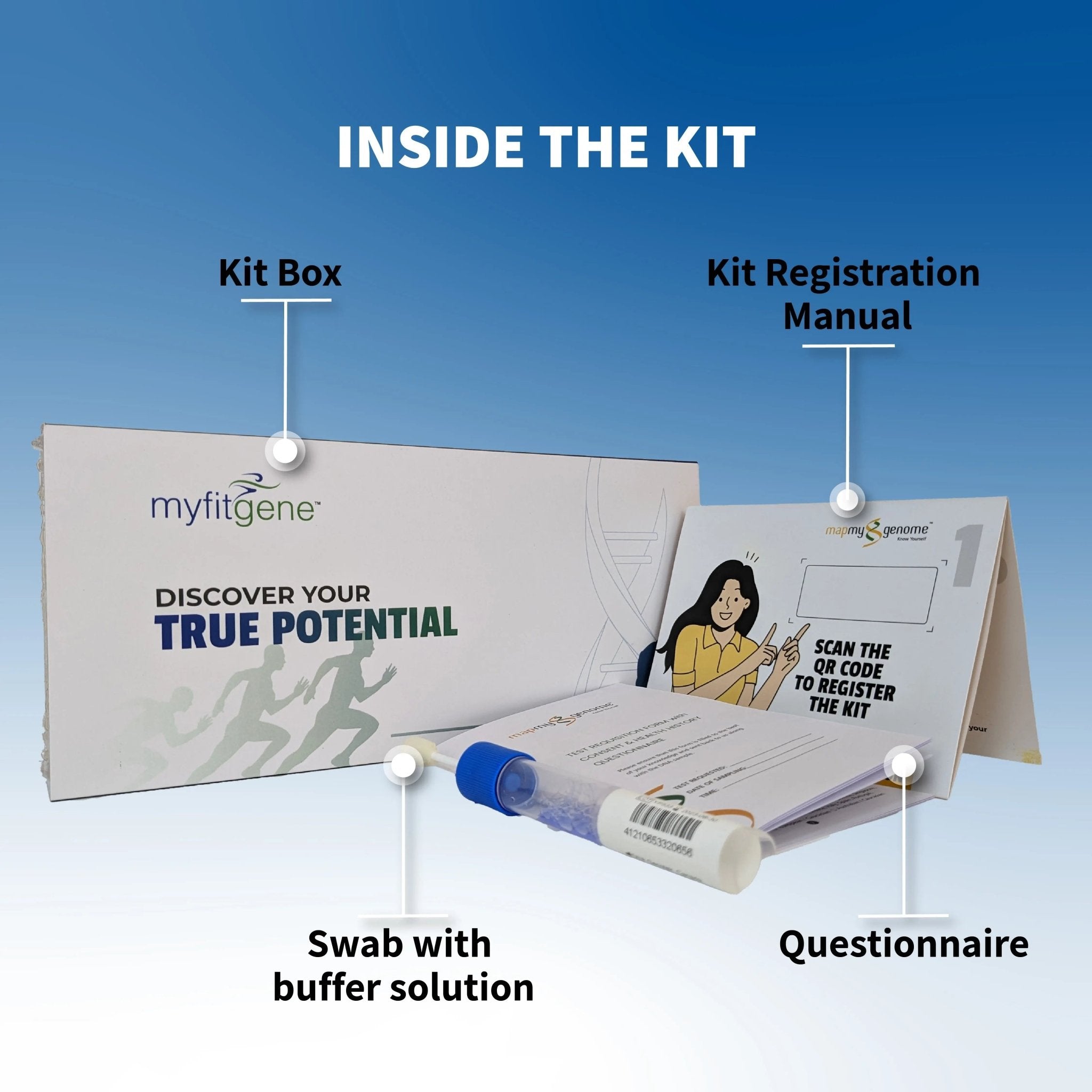
ठीक यही वह कमी थी जिसे पूरा करने के लिए MyFitGene बनाया गया था — एक न्यूट्रिजेनोमिक्स पैनल जो देखता है कि आपके जीन वसा चयापचय, कार्बोहाइड्रेट संवेदनशीलता, व्यायाम प्रतिक्रिया और वज़न-संबंधित लक्षणों को कैसे प्रभावित करते हैं, ताकि आहार और फिटनेस के प्रति आपका दृष्टिकोण एक सामान्य योजना के बजाय आपकी जीव विज्ञान के आसपास बनाया जा सके। इसे MedicaMap की फार्माकोजेनोमिक अंतर्दृष्टि के साथ जोड़ें, और आपको न केवल यह पता चलता है कि आपका शरीर वज़न कैसे प्रबंधित करता है, बल्कि यह भी कि यह रास्ते में आने वाली दवाओं पर कैसे प्रतिक्रिया देगा।
GLP-1 युग ने एक बात को अनदेखा करना असंभव बना दिया है: चयापचय कभी भी सामान्य नहीं था। आपकी आनुवंशिक रिपोर्ट भी नहीं होनी चाहिए।
एक परीक्षण, हर रिपोर्ट
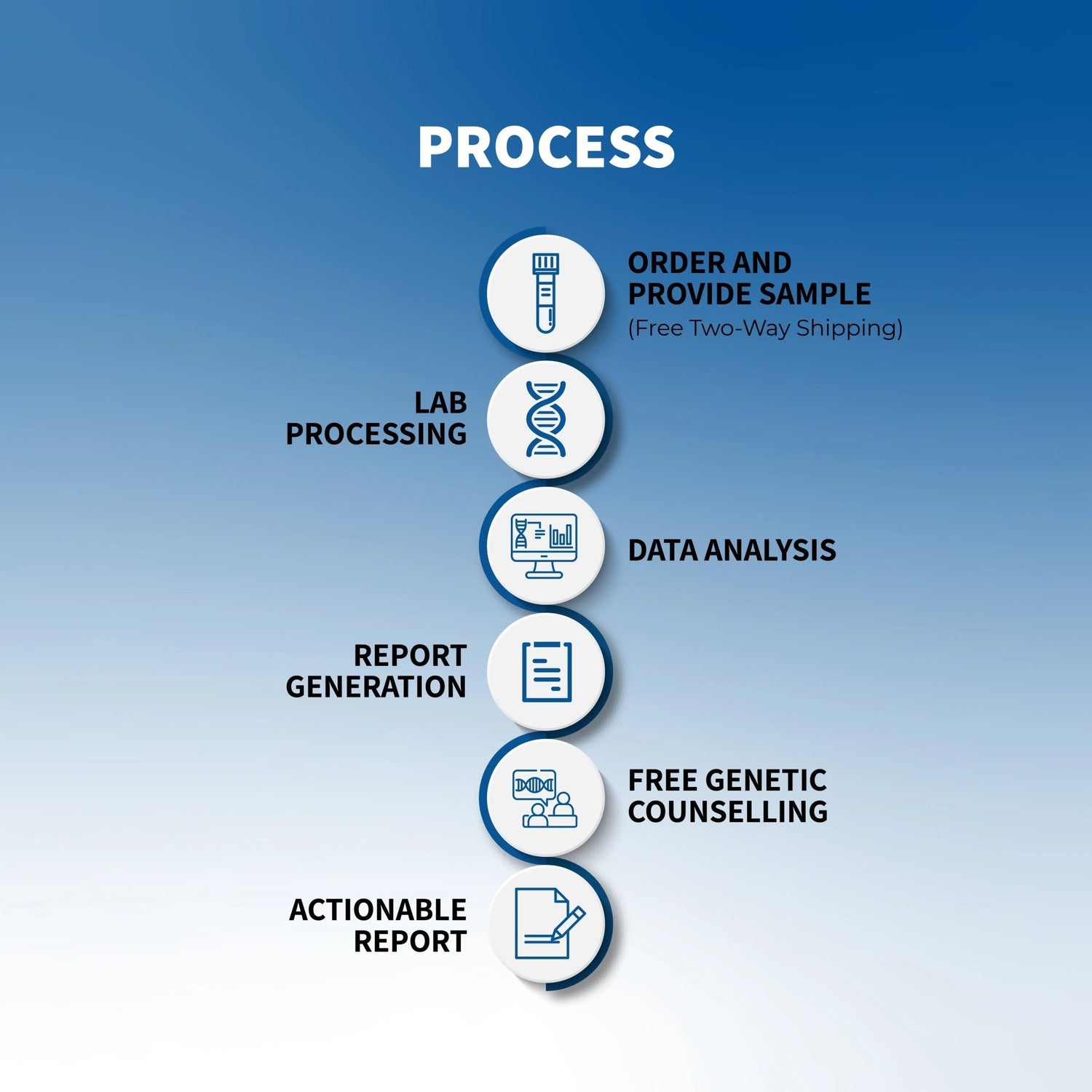
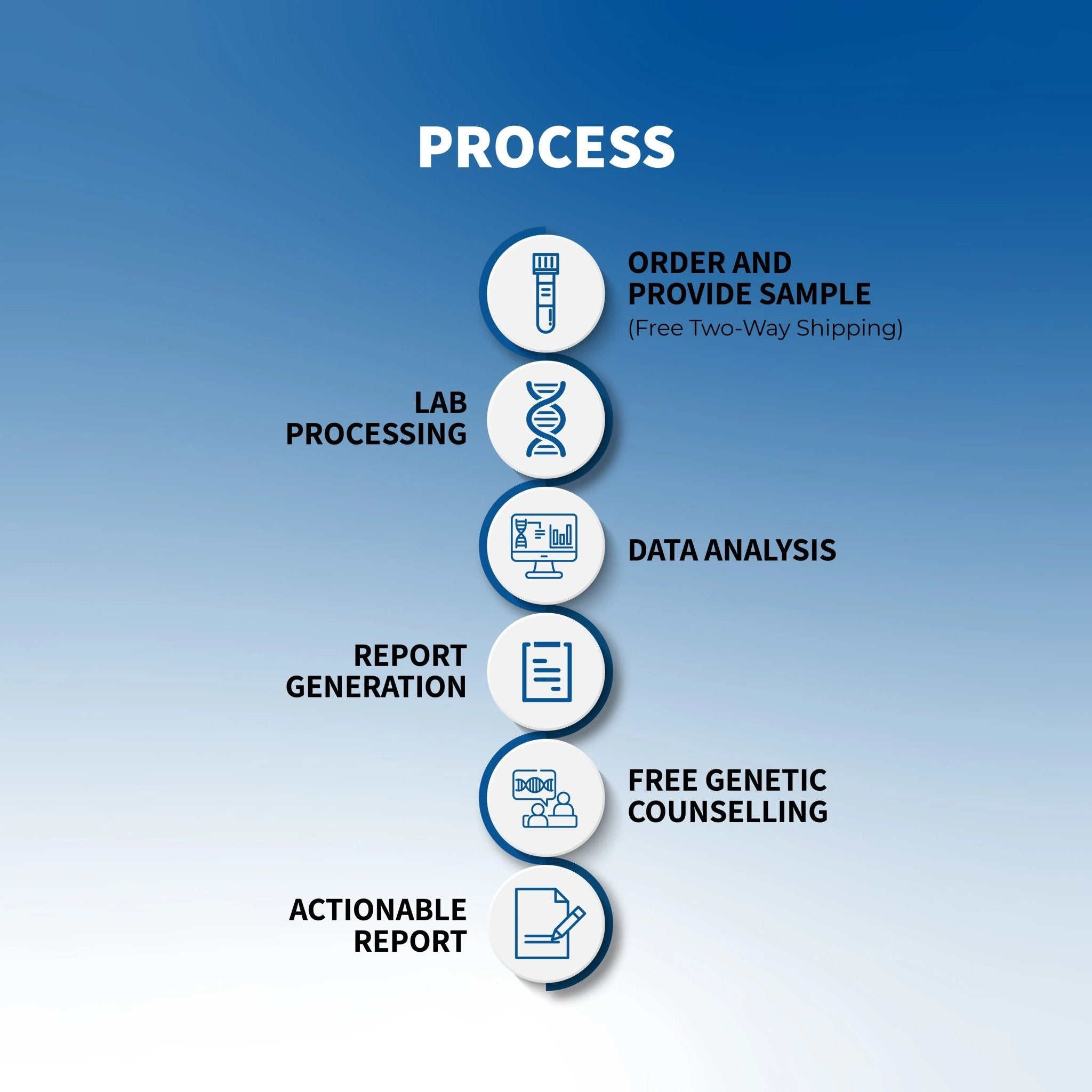
इन सब के माध्यम से एक अधिक सीधा मार्ग भी है: होल जीनोम अनुक्रमण (WGS)। फिटनेस पैनल, फार्माकोजेनोमिक्स परीक्षण, और मोटापे-जोखिम रिपोर्ट के बीच अलग से चुनने के बजाय, WGS आपके जीनोम का 95-98% एक ही बार में अनुक्रमित करता है — जिसका अर्थ है कि इस लेख में चर्चा किए गए हर जीन (FTO, MC4R, आपका CYP450 दवा-चयापचय प्रोफ़ाइल, और MyFitGene और MedicaMap के पीछे के मार्कर) एक ही नमूने से आते हैं। यदि आप नए प्रश्न आने पर परीक्षण-दर-परीक्षण के बजाय एक बार में पूरी तस्वीर बनाना पसंद करते हैं, तो यह एक अच्छा विकल्प है, और यह प्री-टेस्ट जेनेटिक काउंसलिंग के साथ आता है ताकि आपको यह तय करने में मदद मिल सके कि क्या आपको अभी वास्तव में उस गहराई की आवश्यकता है।
लर्निंग हब पर गहराई से जानें
-
- ये हार्मोन आपकी भूख को कैसे नियंत्रित करते हैं — और क्या हम उन्हें प्रभावित कर सकते हैं? — लेप्टिन, घ्रेलिन, कोर्टिसोल, और उन्हें आकार देने वाले जीन वेरिएंट की पूरी तस्वीर।
- आनुवंशिक परीक्षण आपको पेट की चर्बी कम करने में कैसे मदद कर सकता है — FTO और वसा-वितरण आनुवंशिकी एक वास्तविक आहार और कसरत योजना में कैसे परिवर्तित होती है।
- आपके दोस्त के लिए वही दर्द निवारक काम क्यों करता है लेकिन आपके लिए नहीं — CYP450/फार्माकोजेनोमिक्स की दवा प्रतिक्रिया के पीछे की कहानी, अधिक गहराई से।
- व्यक्तिगत दवा में फार्माकोजेनोमिक्स की भूमिका — MedicaMap आपके CYP450 और दवा-प्रतिक्रिया आनुवंशिकी को एक कार्रवाई योग्य रिपोर्ट में कैसे बदलता है।
आपका चयापचय आपके जीनों में लिखा है। इसे पढ़ें।
यह अनुमान लगाना बंद करें कि कौन सा आहार, कसरत या वज़न-प्रबंधन दृष्टिकोण वास्तव में आपकी जीव विज्ञान के अनुकूल है। MedicaMap आपकी फार्माकोजेनोमिक प्रोफ़ाइल को डीकोड करता है ताकि आपको पता चले कि आपका शरीर दवाओं पर कैसे प्रतिक्रिया करता है — और होल जीनोम अनुक्रमण आपको एक परीक्षण में पूरी तस्वीर देता है: चयापचय, दवा प्रतिक्रिया, भूख आनुवंशिकी, और बहुत कुछ।
MedicaMap एक्सप्लोर करें → होल जीनोम अनुक्रमण एक्सप्लोर करें →