

Here's a question I get asked constantly, in some version or another: "I'm eating enough protein. Why isn't it working?"
The person asking is usually doing everything right on paper. They've read the studies. They've hit their macros. They've tried whey, then plant protein, then collagen. And yet — the muscle isn't building the way it should, or the energy isn't there, or their gut is staging a quiet protest every time they drink a shake.
The answer, almost always, is that they're following advice written for someone who doesn't exist. A statistical average. Not them.
Because how much protein you actually need, how well you absorb it, and which sources your body can use efficiently — that's not determined by a general guideline. It's written in your DNA.
The Problem with "Eat More Protein"
The standard recommendation — 0.8g of protein per kilogram of body weight per day — is a population average. It was never designed to be a personal prescription. And the gap between that average and what your body actually needs can be significant.
Two people can eat identical diets, do identical workouts, and get completely different results. Not because one of them is doing it wrong. Because their biology was never the same to begin with.
Their muscles are built differently. Their digestive enzymes work differently. Their cells process amino acids at different rates. And all of that — every bit of it — has a genetic basis.
The Genes That Actually Govern Your Protein Biology
This is the part most nutrition content skips over, so let's actually go through it.
ACTN3 — your muscle fiber blueprint. This is sometimes called the "sports gene," and for good reason. A variant in ACTN3 determines whether your muscles are built predominantly for power or endurance. If you carry the power variant, your muscles respond strongly to resistance training and need more protein to recover and grow. If you carry the endurance variant, your protein needs post-workout look quite different — and loading up on protein the way a power athlete would may not give you the results you're expecting.
LCT — whether dairy protein actually works for you. The LCT gene controls lactase persistence — your ability to digest lactose into adulthood. A significant portion of the global population, particularly in South Asia, carries variants that reduce this ability. If you're one of them, whey protein isn't just suboptimal. It may be actively causing gut inflammation, bloating, and poor absorption — which means the protein you think you're getting isn't being used the way you think it is.
MTHFR — the amino acid metabolism gene most people have never heard of. MTHFR affects how your body processes methionine and homocysteine — two amino acids that sit at the center of cellular repair, cardiovascular health, and DNA synthesis. Variants in MTHFR are extremely common, and they can mean that even with adequate protein intake, certain metabolic pathways aren't running efficiently. This is one of the reasons some people feel genuinely better on plant-forward protein sources — the amino acid profile suits their metabolic genetics better.
FTO — appetite, satiety, and why protein affects your hunger differently. FTO variants influence how strongly your brain responds to satiety signals. For some people, a high-protein meal genuinely suppresses appetite for hours. For others with different FTO variants, that signal is weaker — which affects not just how much they eat, but how protein fits into a weight management strategy.
FADS1/FADS2 — plant protein conversion efficiency. These genes govern how well your body converts the nutrients in plant-based proteins into usable forms. If you've switched to a plant-based diet and feel like something's missing despite hitting your protein numbers, FADS variants may be part of the explanation. Your body may simply be less efficient at extracting what it needs from those sources.
What This Looks Like in Practice
I'll give you a concrete example. Someone comes to us having spent two years on whey protein, doing everything their trainer recommended, and they're frustrated. Their gut is constantly uncomfortable. Their energy is inconsistent. They're not seeing the muscle gains they expected.
Their genetic report comes back with two things worth noting: an LCT variant indicating reduced lactase persistence, and an ACTN3 endurance profile. They've been taking a dairy-based protein designed for power athletes. Their body was fighting both the source and the dose.
Switch to a plant-based protein matched to their FADS profile, adjust the timing and quantity to suit an endurance metabolism — and the picture changes. Not because of a new supplement. Because the strategy finally matched the biology.
That's not a dramatic story. It's just what happens when you stop guessing.
The Protein Trend Is Real — But It's Missing the Point
Protein is having a genuine cultural moment. Protein coffee sales have surged over 500% year-over-year. Women now outnumber men globally in seeking high-protein diets. Collagen, creatine, and plant-based protein products are all seeing triple-digit growth.
None of that is wrong. Protein matters. The trend is pointing at something real.
But the industry is still selling protein as if everyone's biology is the same. It isn't. And the gap between a protein strategy that's generic and one that's built around your actual genetics isn't a small gap — it's the difference between results and frustration.
Where to Start
If any of this is resonating with something you've already been circling — the inconsistent results, the gut issues, the sense that you're doing the right things but not getting the right outcomes — the answer isn't another protein product. It's understanding your baseline first.
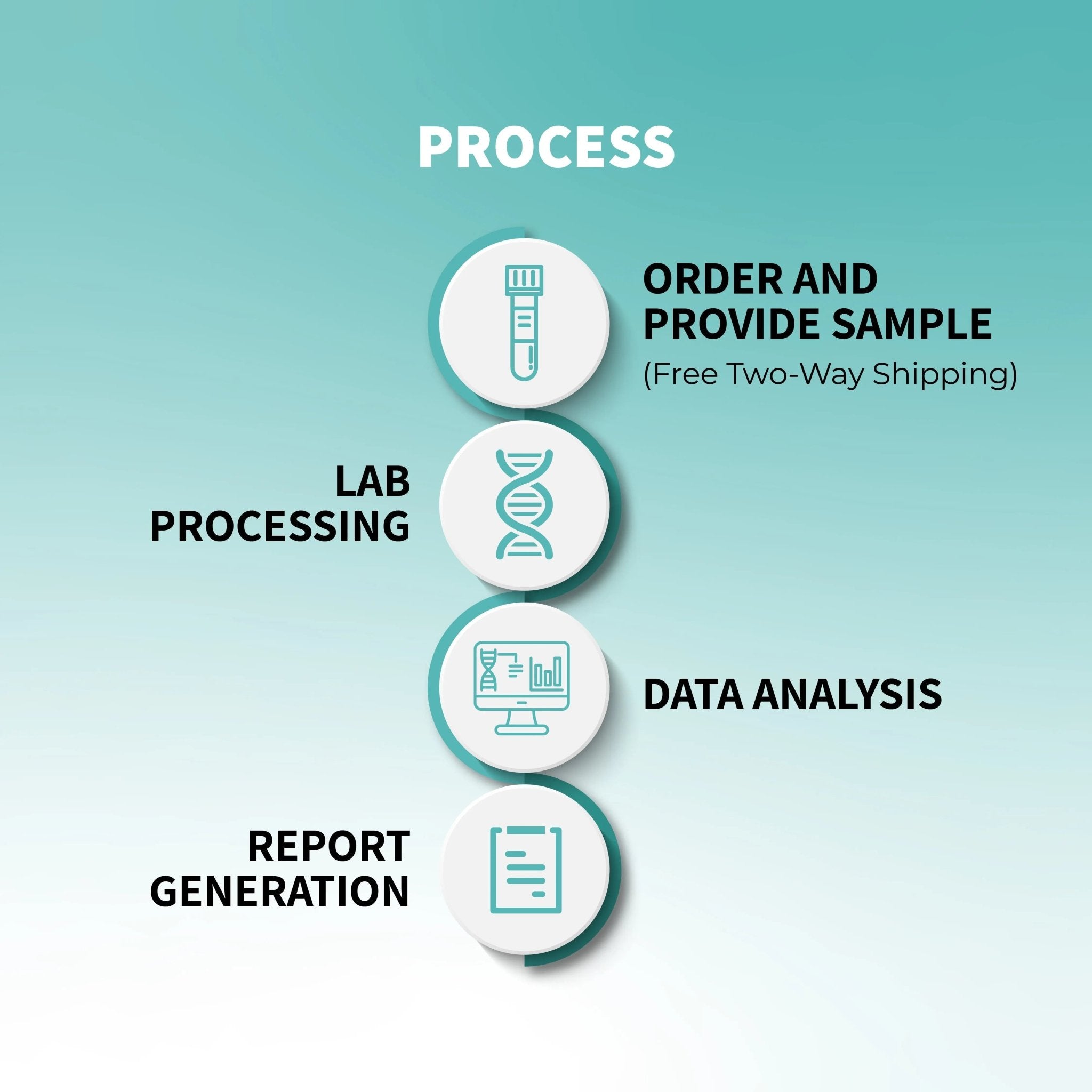
Genomepatri analyses the genetic markers that govern your nutrition — including protein metabolism, muscle fiber type, nutrient absorption, and dietary sensitivities — and gives you a personalised roadmap built around your actual biology, not a population average.
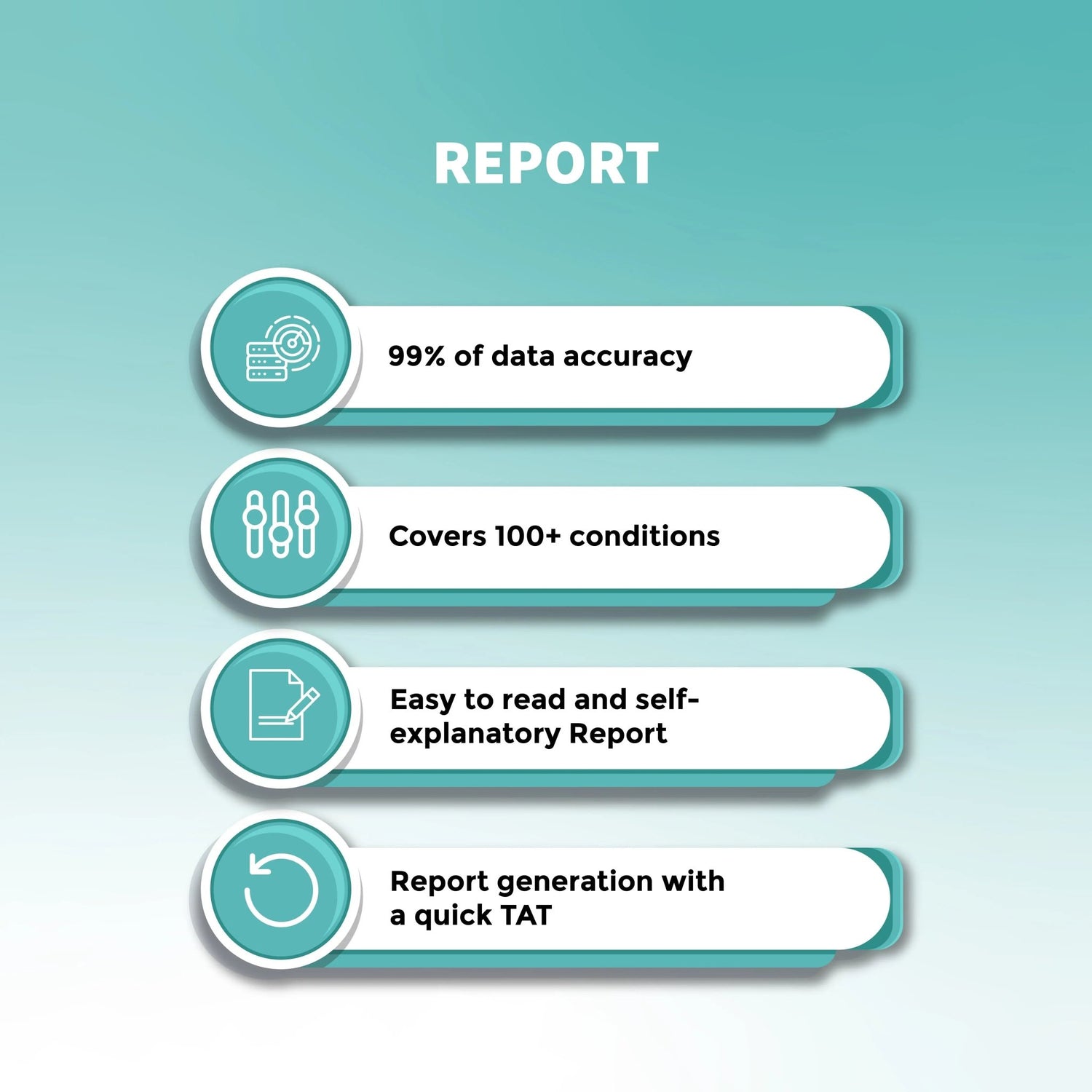
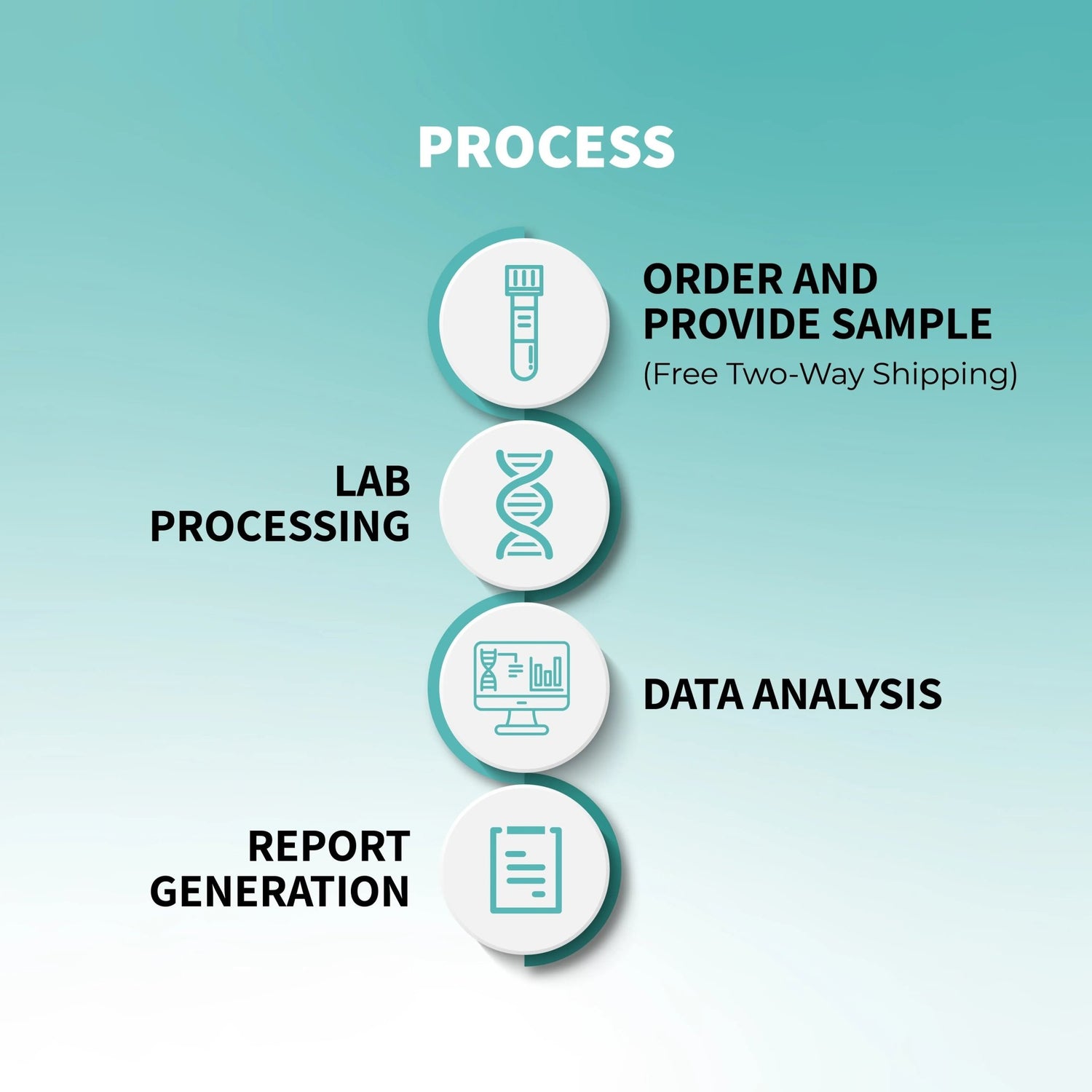
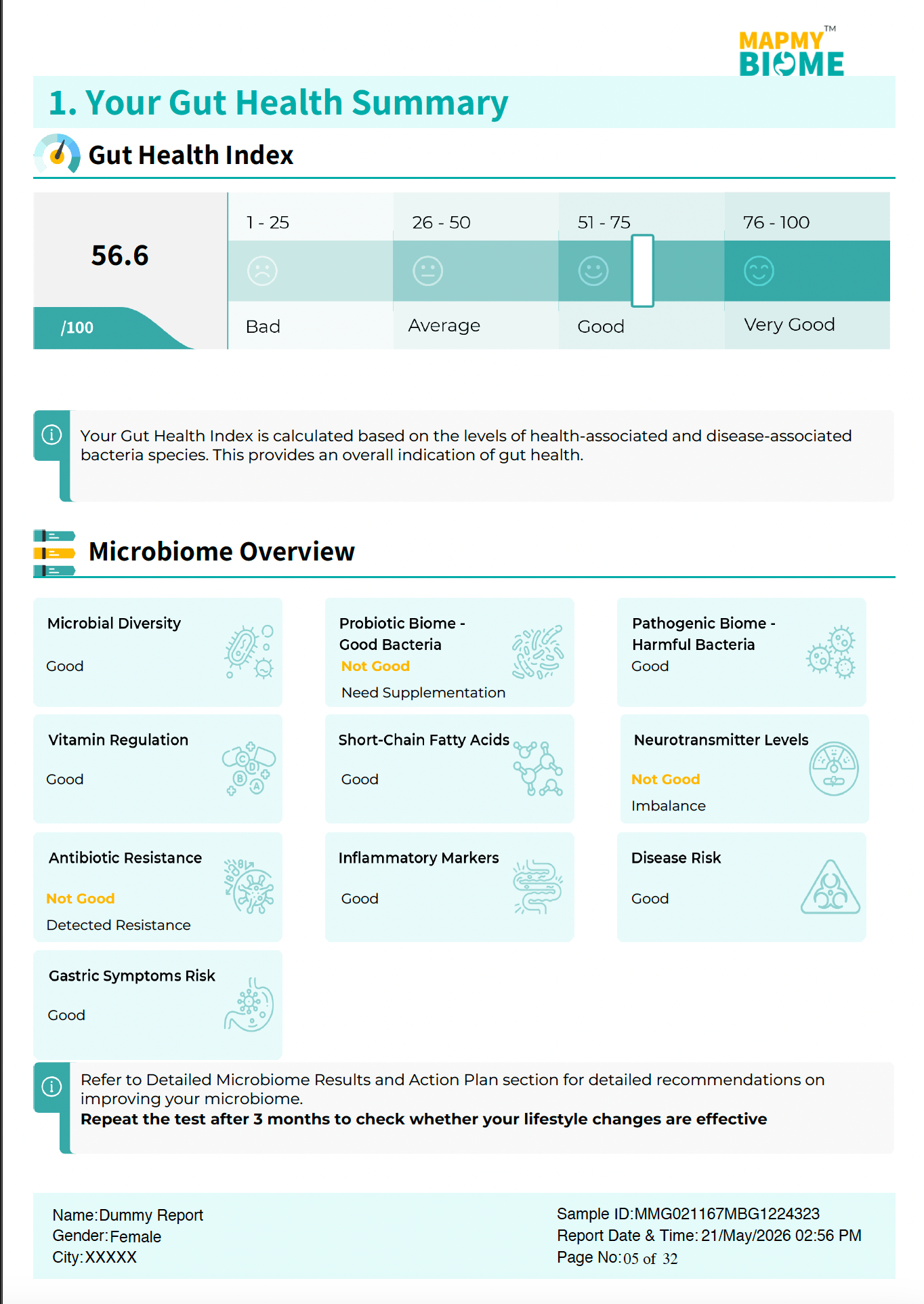
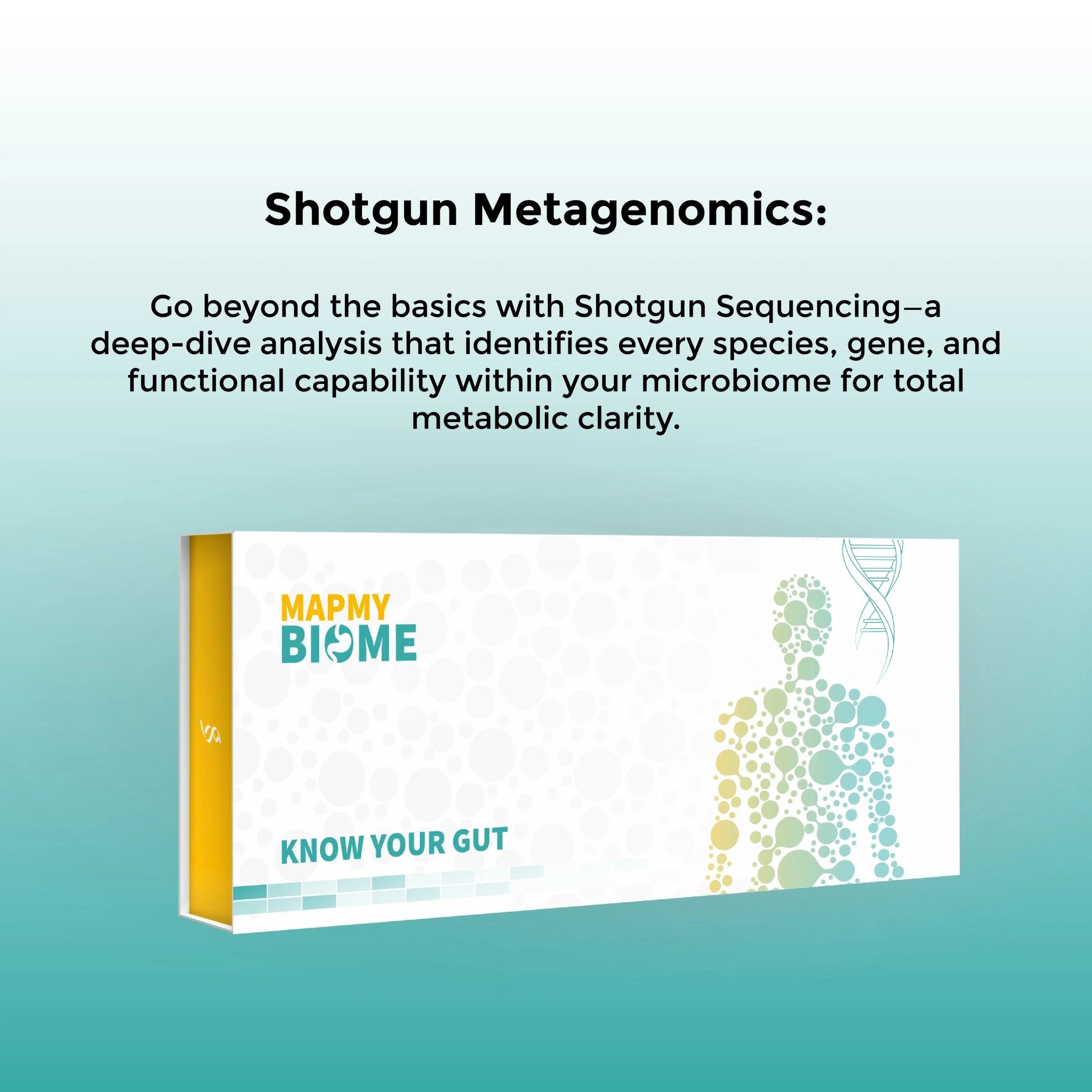
If you've already done Genomepatri, pairing it with MapmyBiome adds the live layer — how your gut microbiome is actually processing the protein you eat right now, which strains are helping or hindering absorption, and what's shifting week to week as you make changes.
Together, they answer the question your protein shake never could: what does your body actually need?
Stop Guessing. Start Eating for Your Genes.
Genomepatri analyses the genetic markers that shape your protein metabolism, muscle type, and nutrient absorption — and gives you a personalised nutrition plan built around your actual biology. Pair it with MapmyBiome to see how your gut is processing what you eat, in real time.