

Busting Some Myths About Breast Cancer
October is observed as Breast Cancer Awareness Month. As we were flooded with queries, here is some relevant information on this condition — and some common myths, busted royally.
The Essential Bit
The term “breast cancer” refers to a malignant tumour that has developed from cells in the breast — usually beginning in the cells of the lobules (milk-producing glands) or the ducts (passages that drain milk from the lobules to the nipple). Breast cancer is always caused by a genetic abnormality. However, only 5–10% of cancers are due to an abnormality inherited from your parents. 85–90% are a result of the ageing process and the “wear and tear” of life in general.
Most people who develop breast cancer have no family history of the disease. However, if heredity is involved, most inherited cases are associated with two abnormal genes: BRCA1 or BRCA2. Women with an abnormal BRCA1 or BRCA2 gene have about a 60% risk of being diagnosed with breast cancer during their lifetimes (compared to 12–13% for women overall). These women are also at an elevated risk of ovarian cancer.
Myths vs Facts
Myth: Most breast cancers run in families.
Fact: Only 5–10% of breast cancers are hereditary. The other 90% are largely due to lifestyle and environmental factors.
Myth: You can’t do anything to prevent breast cancer.
Fact: 90% of breast cancers are due to lifestyle and environmental factors. Maintaining a healthy weight and exercising regularly can keep your risk as low as it can be.
Myth: Regular mammograms prevent breast cancer.
Fact: Mammograms don’t prevent breast cancer, but they can save lives by detecting it as early as possible, when it’s highly responsive to treatments.
Myth: Deodorants/antiperspirants cause breast cancer.
Fact: There is no scientific evidence to support the claim that antiperspirants cause breast cancer, either because of toxin buildup or aluminium exposure.
Myth: Men do not get breast cancer.
Fact: Each year approximately 2,190 men are diagnosed with breast cancer. Men carry a higher mortality than women primarily because awareness among men is less and they are less likely to assume a lump is breast cancer, causing a delay in seeking treatment.
Myth: Mobile phones cause breast cancer.
Fact: There is currently no evidence that radio waves from mobile phones cause breast cancer or increase the risk of developing it.
Myth: Only older (post-menopausal) women get breast cancer.
Fact: Current stats show an alarming reduction in the average age of onset of breast cancer, even in Indian women. Having a first-degree relative diagnosed under 40 years of age indicates a strong genetic risk.
What Can You Do?
Exercise regularly — 4 to 7 hours per week at moderate or intense level is linked to lower breast cancer risk
Maintain a healthy body weight — overweight women have a higher risk of breast cancer, especially after menopause
Avoid binge drinking — women who have three alcoholic drinks per week have a 15% higher risk of breast cancer
Say no to smoking — smoking is linked to a higher risk of breast cancer in younger, premenopausal women
Conduct breast self-exams — make it part of your monthly health care routine, and visit your doctor if you experience breast changes
Know Your Hereditary Breast Cancer Risk
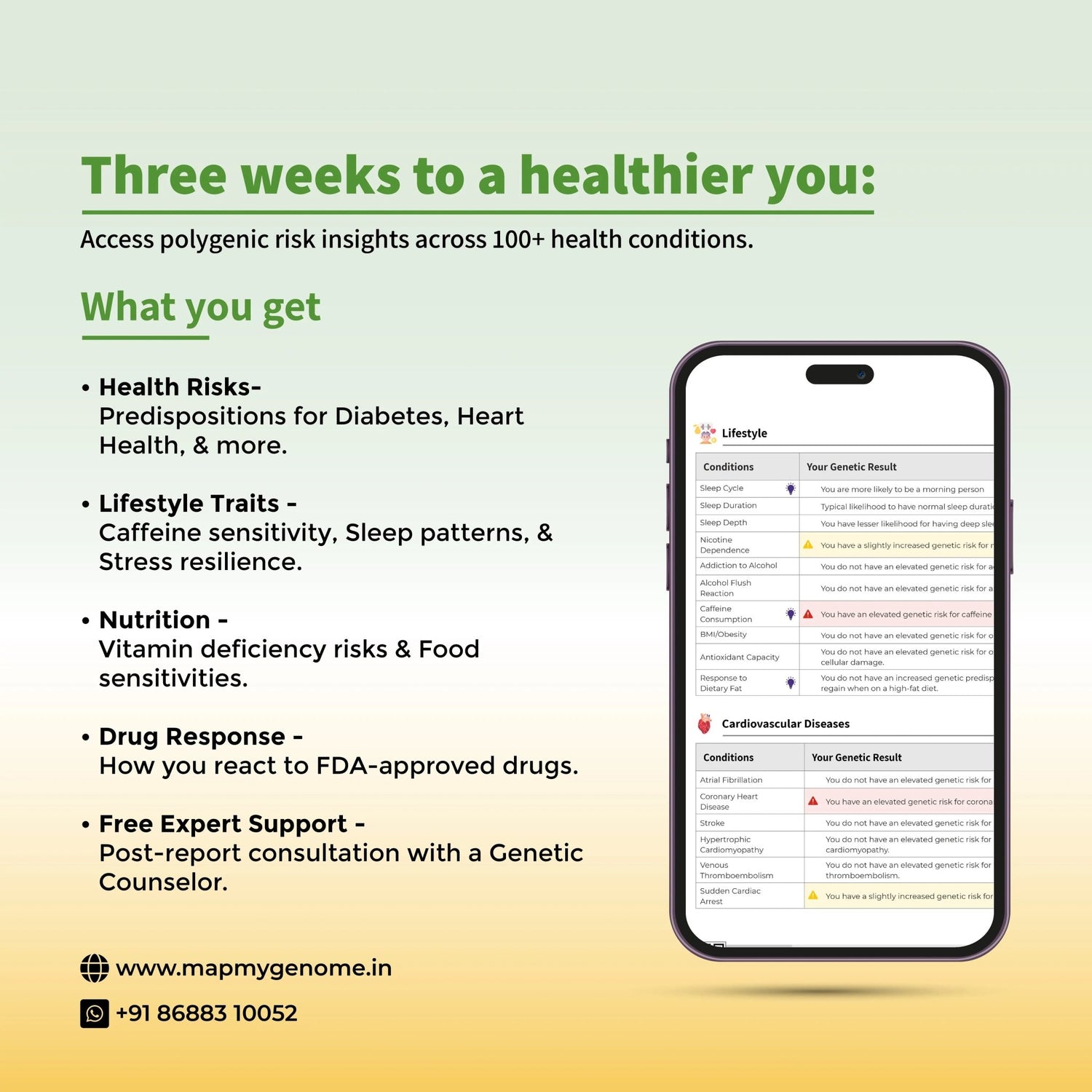
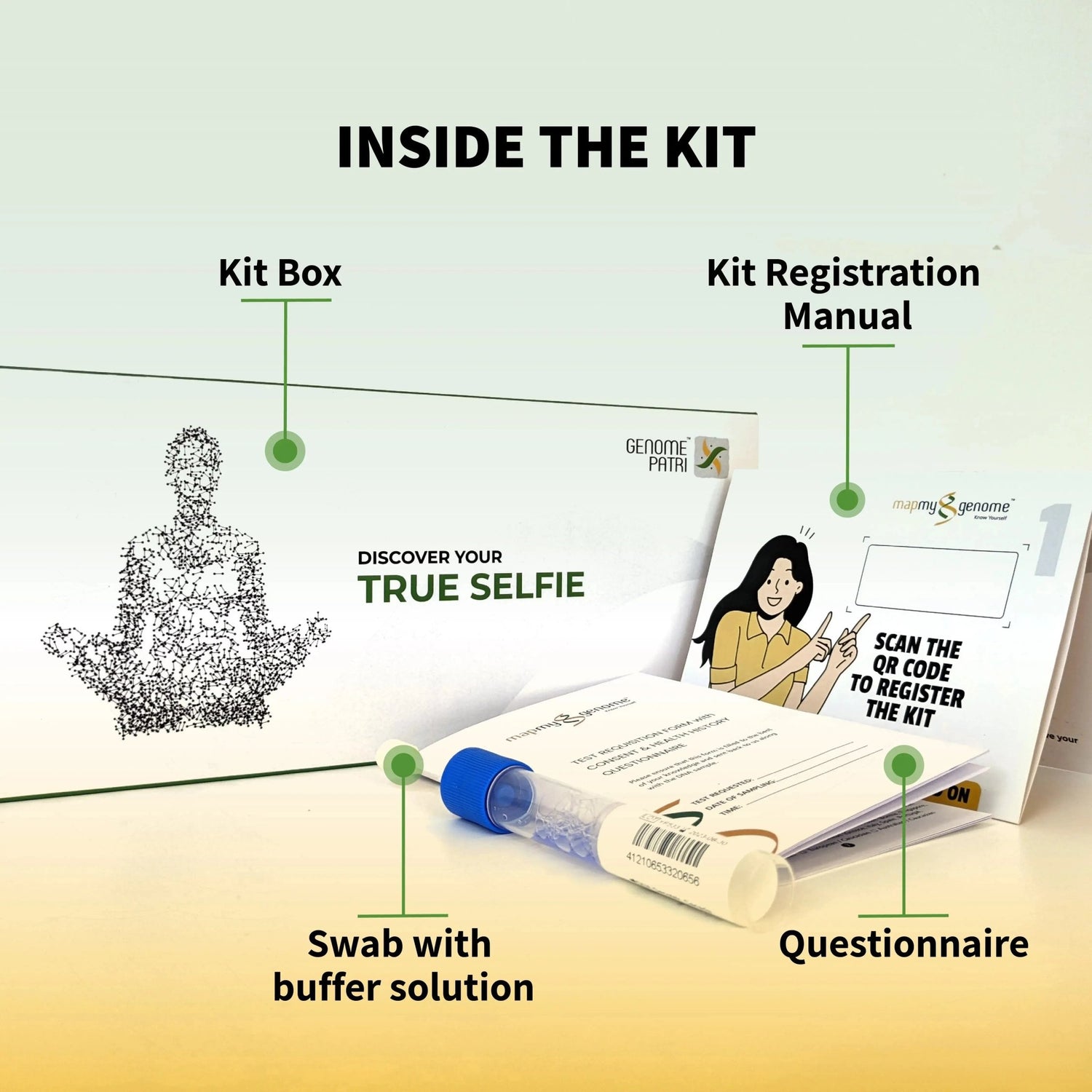
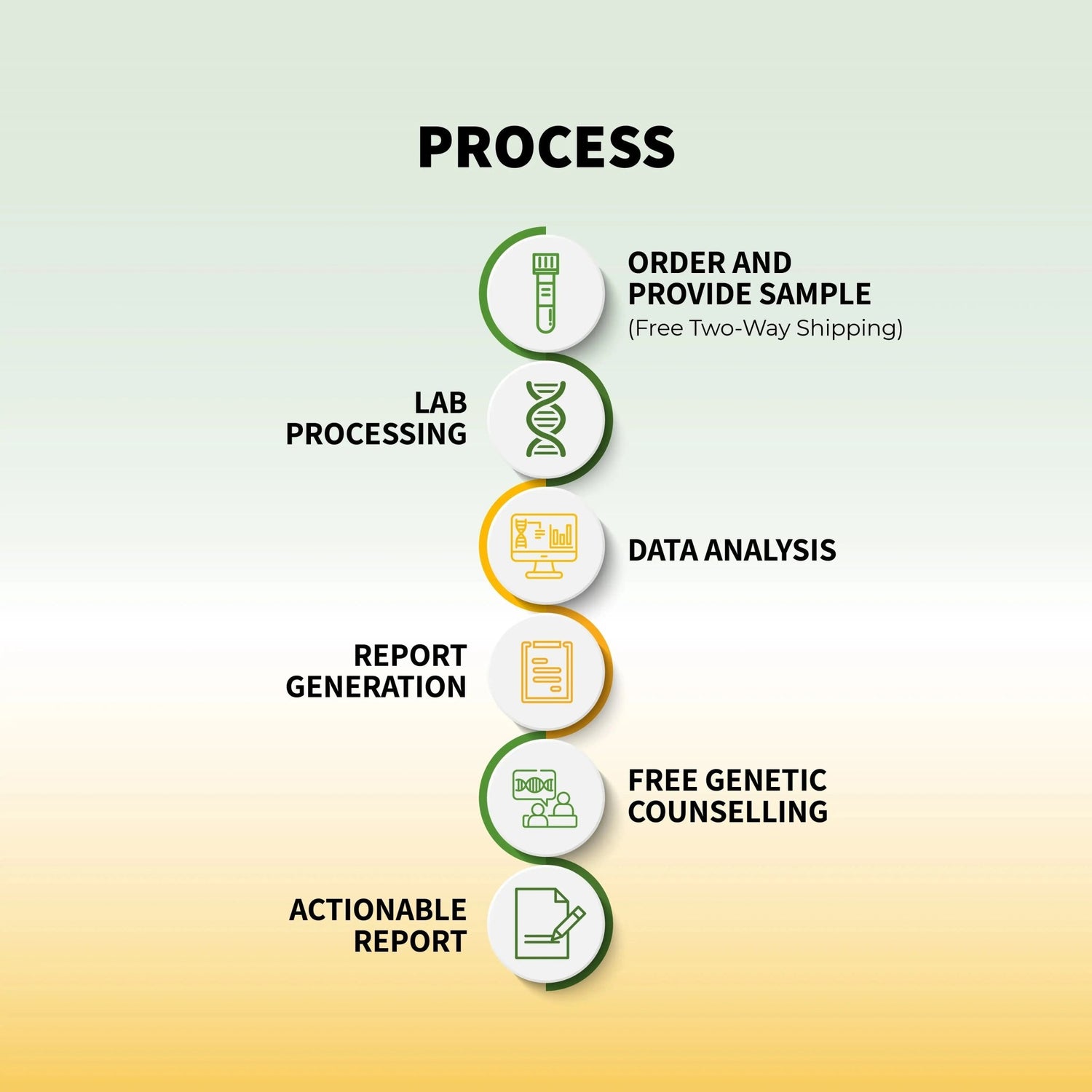
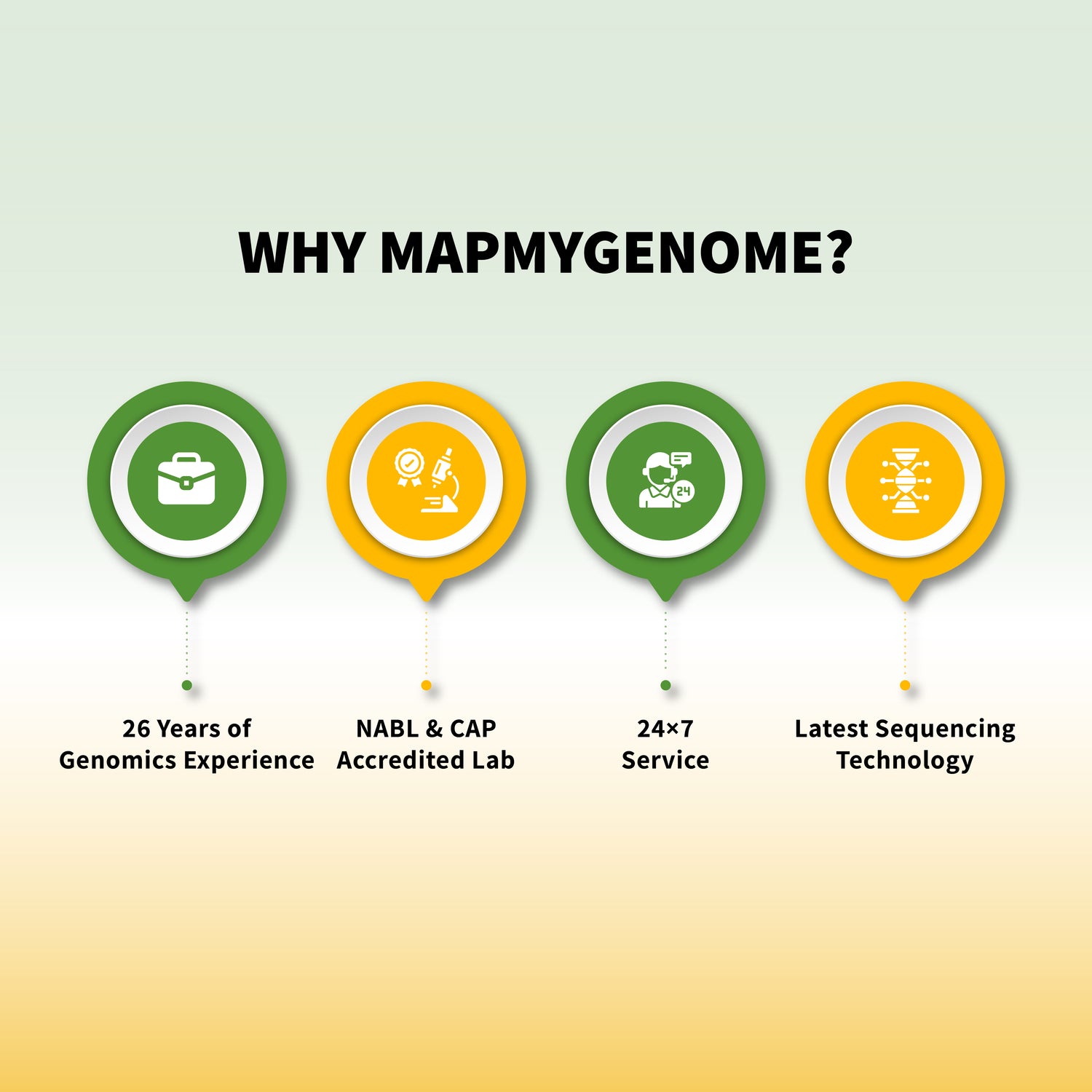
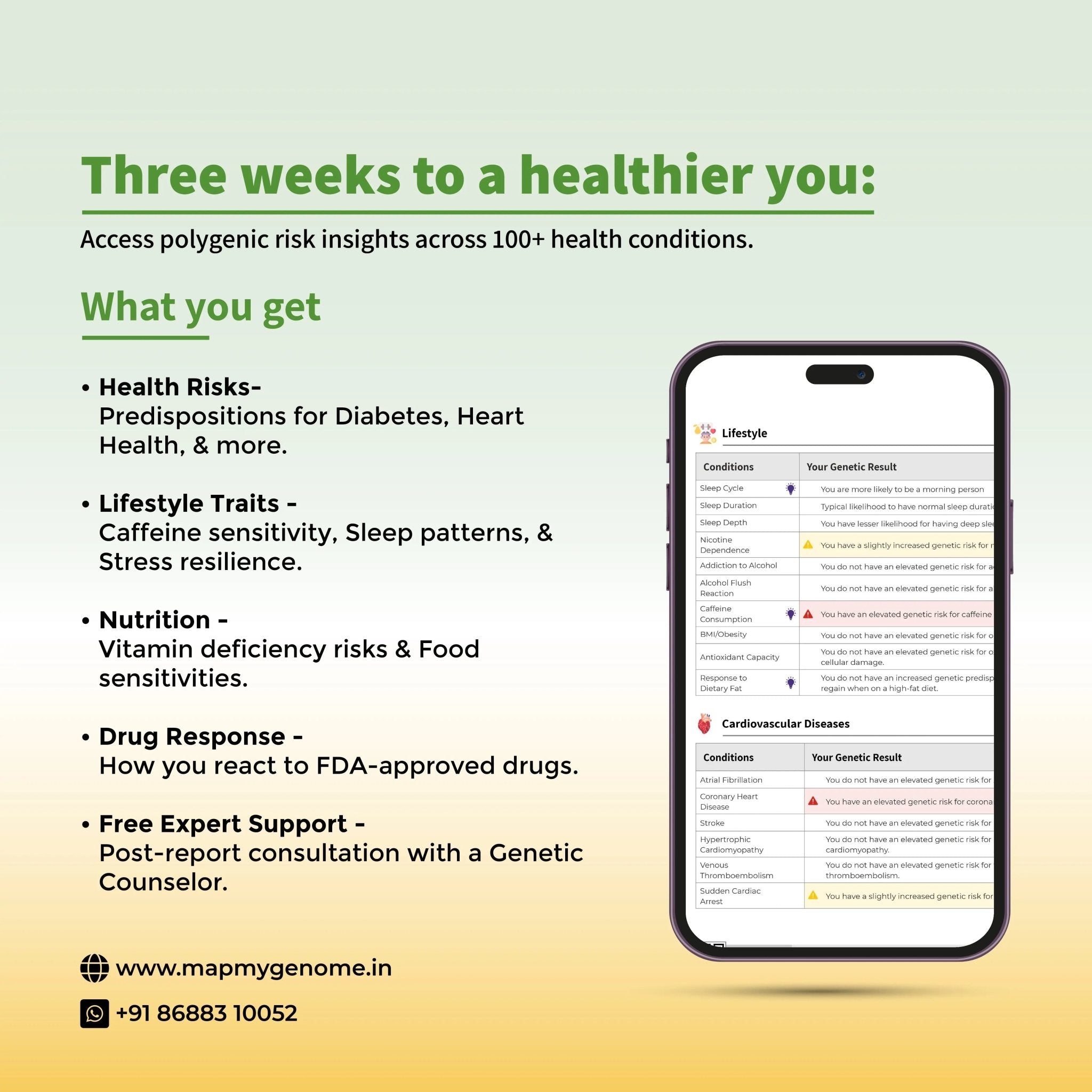
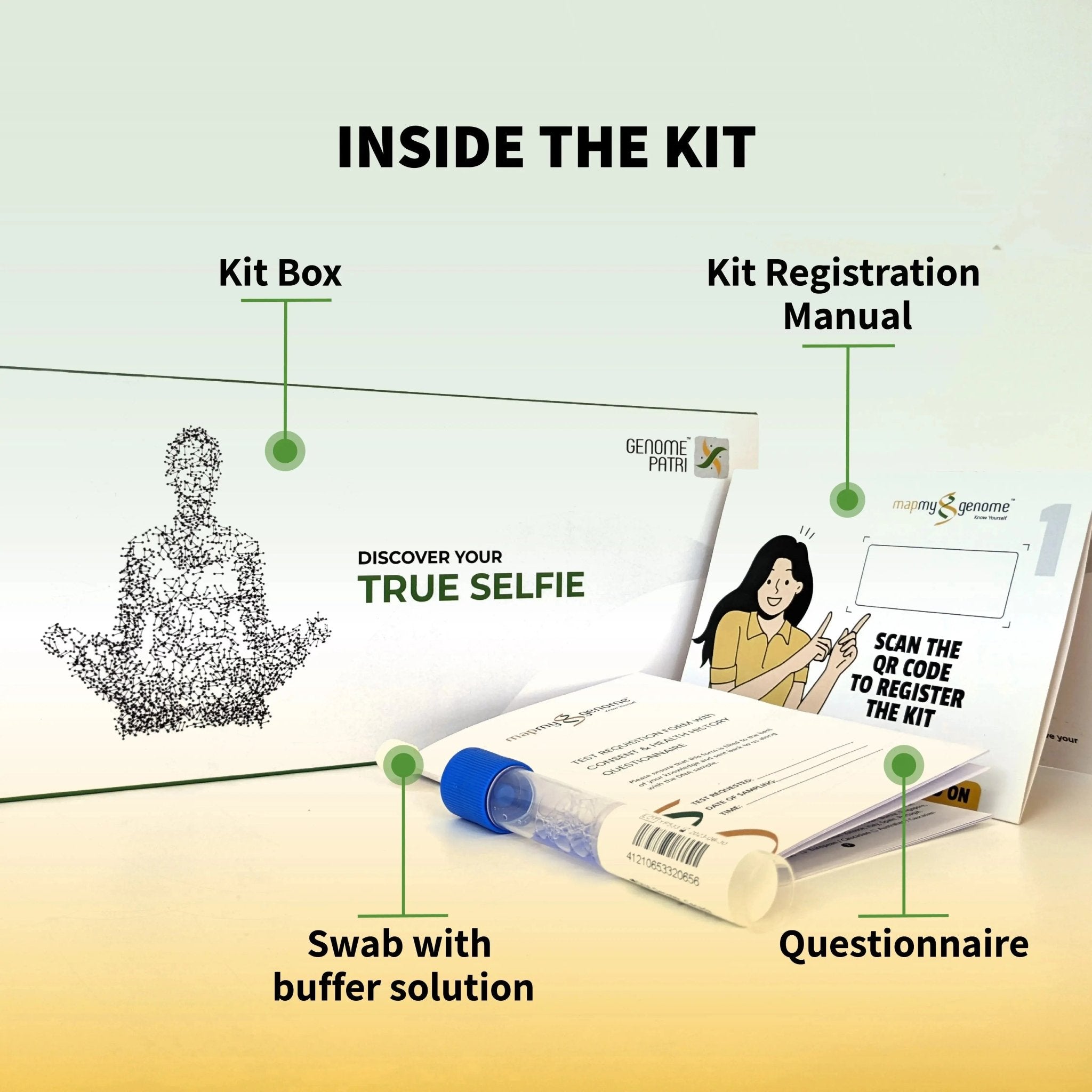
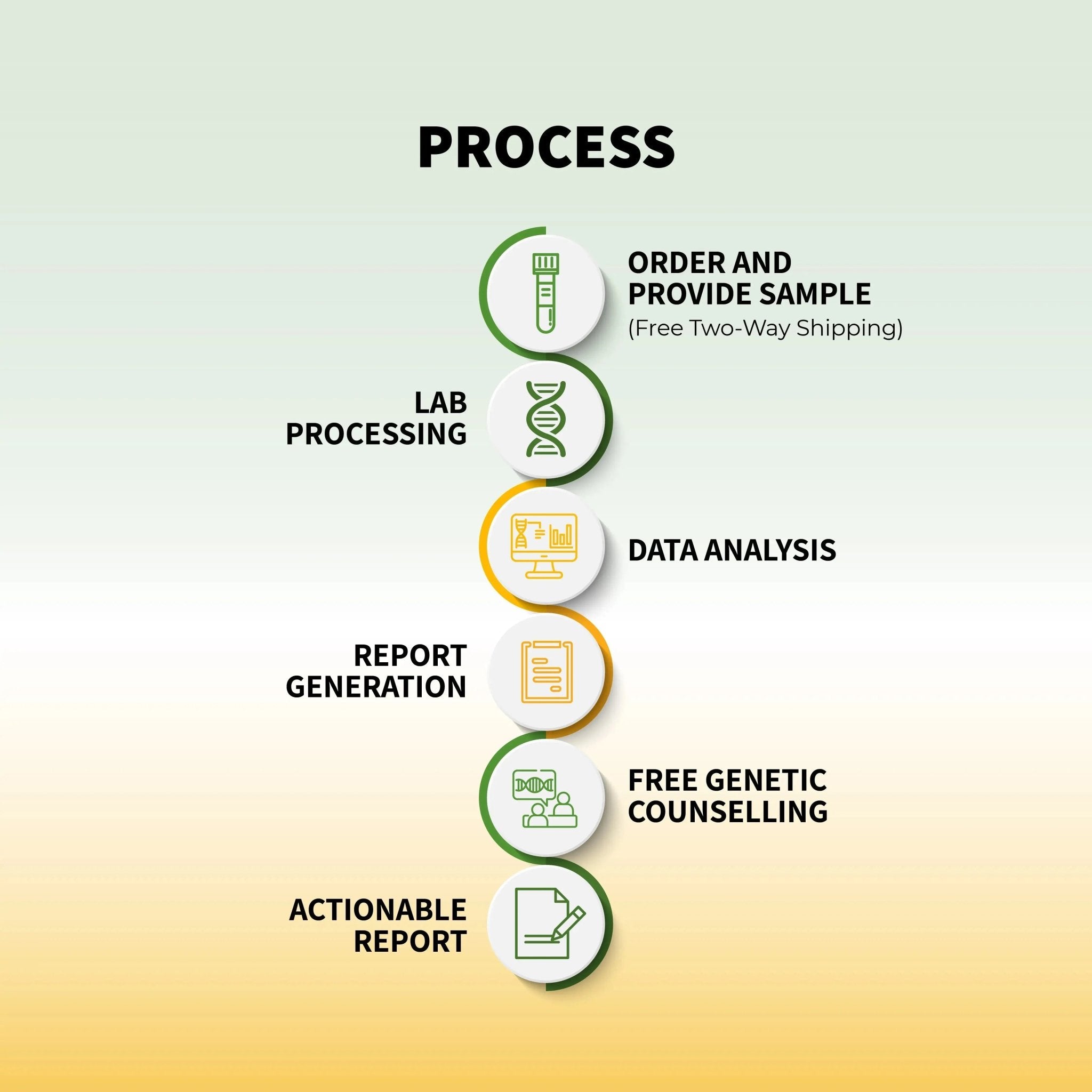
Oncomap by MapmyGenome screens for hereditary risk across multiple cancer types — including breast and ovarian cancer (BRCA1/2 and beyond). Genomepatri covers broader health predispositions. Both include certified genetic counselling.