

Stress on STRESS
“We work better under pressure.” — said every student ever!
“Can you work in a stressful environment?” — asked every interviewer ever.
“You need to cut down on your stress levels.” — every cardiologist to every over-40 patient!
Did you know that anything that poses challenges to our wellbeing or peace of mind is classified as stress? Some triggers get you going, pump up your blood, and try to satiate your thirst for adventure. Most of the time, however, they undermine both our mental and physical health.
Genes do more than just colour your hair and eyes — they help you manage stress by mediating the brain’s response to external stimuli. Two individuals, when placed under similar circumstances, handle stress with varying degrees of tenacity. This is because of multiple facets of their personality such as emotional resilience, pain threshold, learning from errors, and more — traits that have been linked with specific genes which regulate neural signalling and impulse.
Stress on Knowledge
One must understand the difference between “stress” and “a stressor.” A stressor is an agent or stimulus that causes stress. Stress is the feeling we have when under pressure, while stressors are the things we respond to in our environment — noises, unpleasant people, a speeding car, or even going out on a first date. Generally, the more stressors we experience, the more stressed we feel. Understanding your triggers and your reactions to them is itself a powerful tool for managing stress.
Why You Could Be Worried
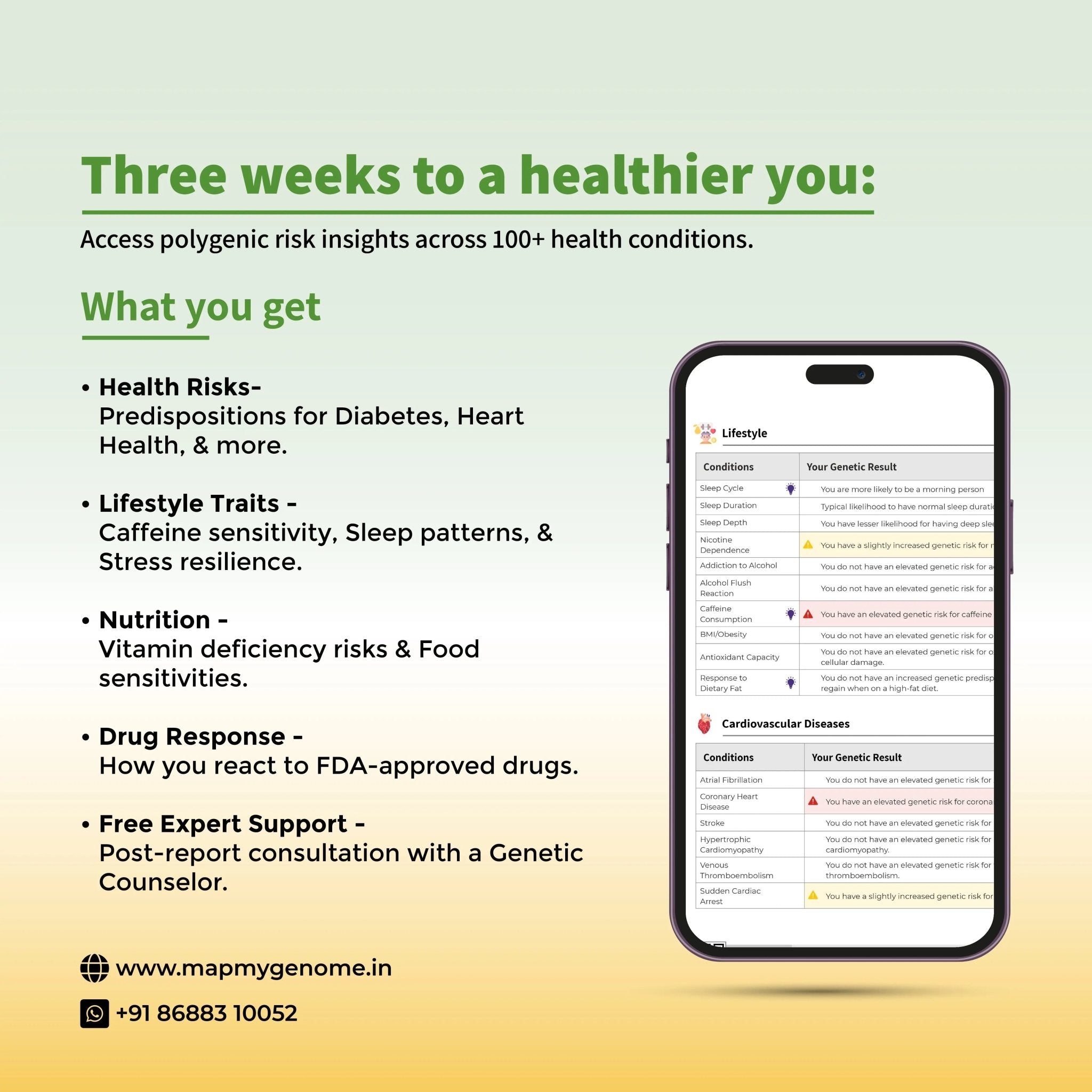
Stress of any kind is related to a plethora of clinical conditions. Migraine and hypertension are well-known triggers. Nicotine and alcohol addiction are the most common forms of dealing with stress. Our diet pattern gets severely affected, further causing vitamin deficiency and weight fluctuation. Such changes in the body and to our regular routine can lead to depression.
Don’t Stress. Breathe. Stop Freaking Out!
We live in a dynamically changing world. Our speedy adaptation and understanding of “change” is key to our consistent survival. Regular exercise (cardio/yoga), a healthy diet, and meditation are some of the most common forms for training your body and calming your mind.
The Genetics of Stress
A large number of studies are being conducted and an association between strain and genes has been noted. Genes influence how we perceive things and our sensitivity to stressful situations. Could it be that the reverse might also be the case — does stress have the capacity to influence our genetic makeup? Believe it or not, genes are not as untouchable as we previously thought.
Tests which evaluate one’s emotional range, memory, reflex response, and adaptability can be an effective way to assess concerns and follow up with appropriate management techniques. Is it possible that you are more prone to stress than others? Do any of your family members have a stress-related or stress-induced clinical condition? Your genes may hold the answer.
Know Your Stress Resilience — It’s in Your DNA
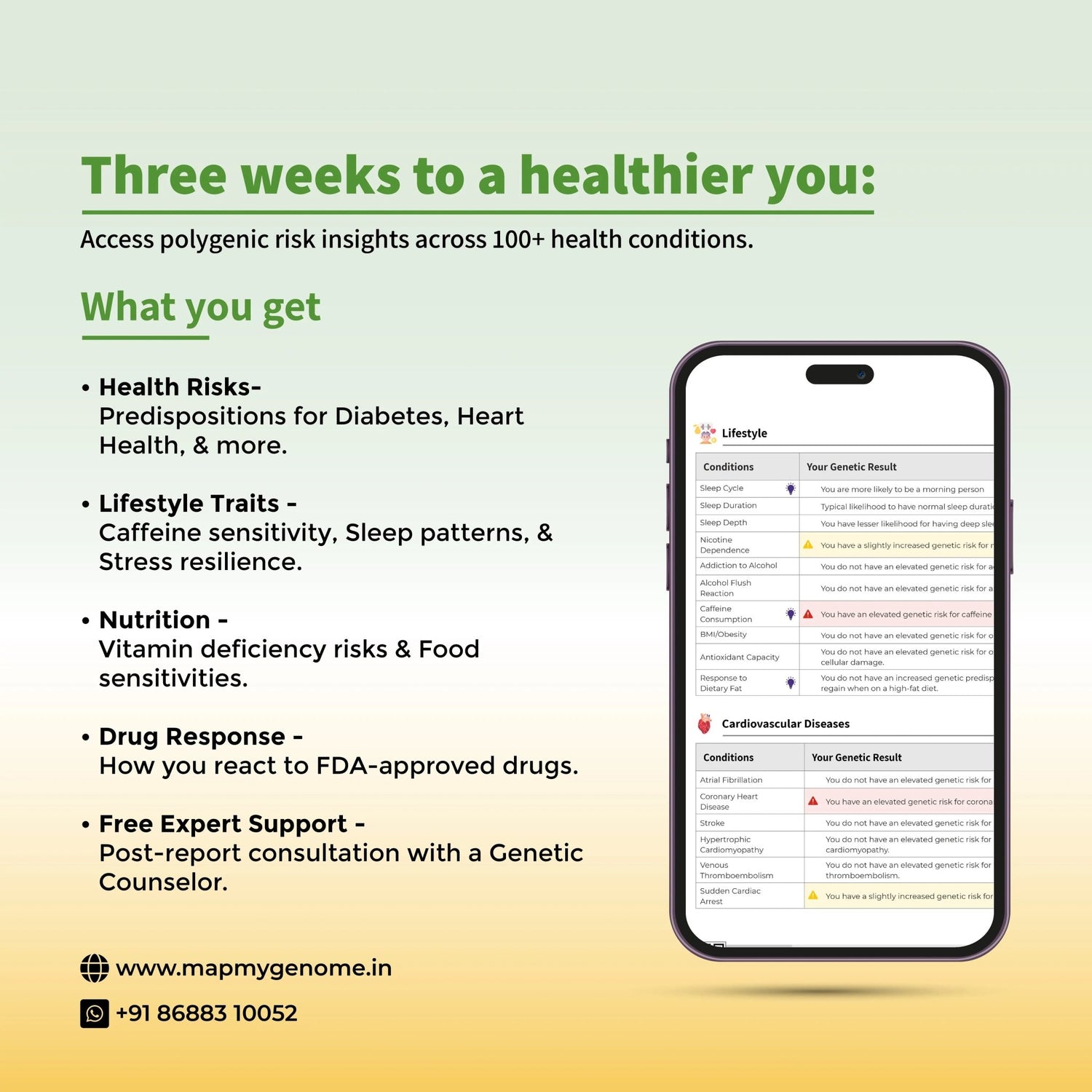
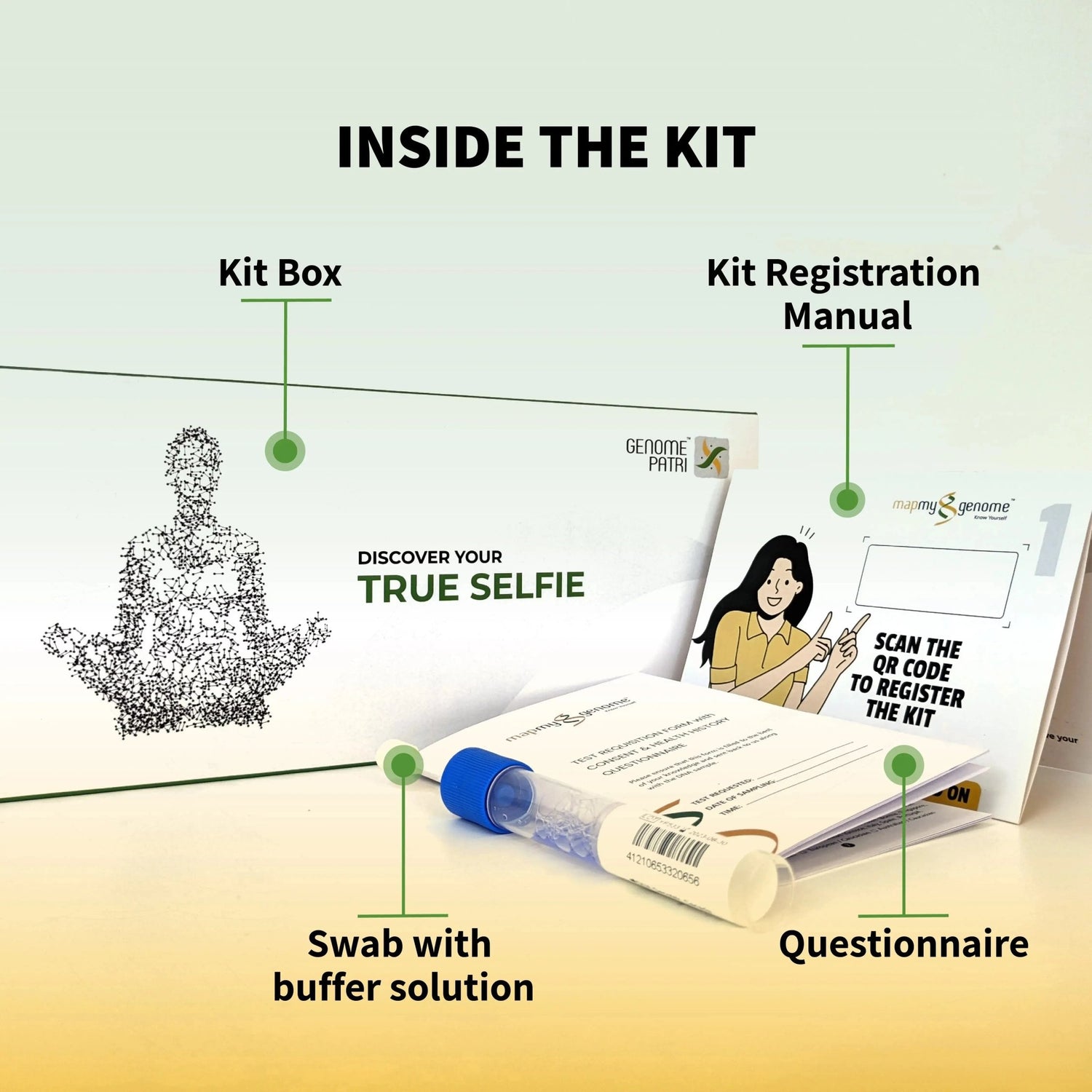
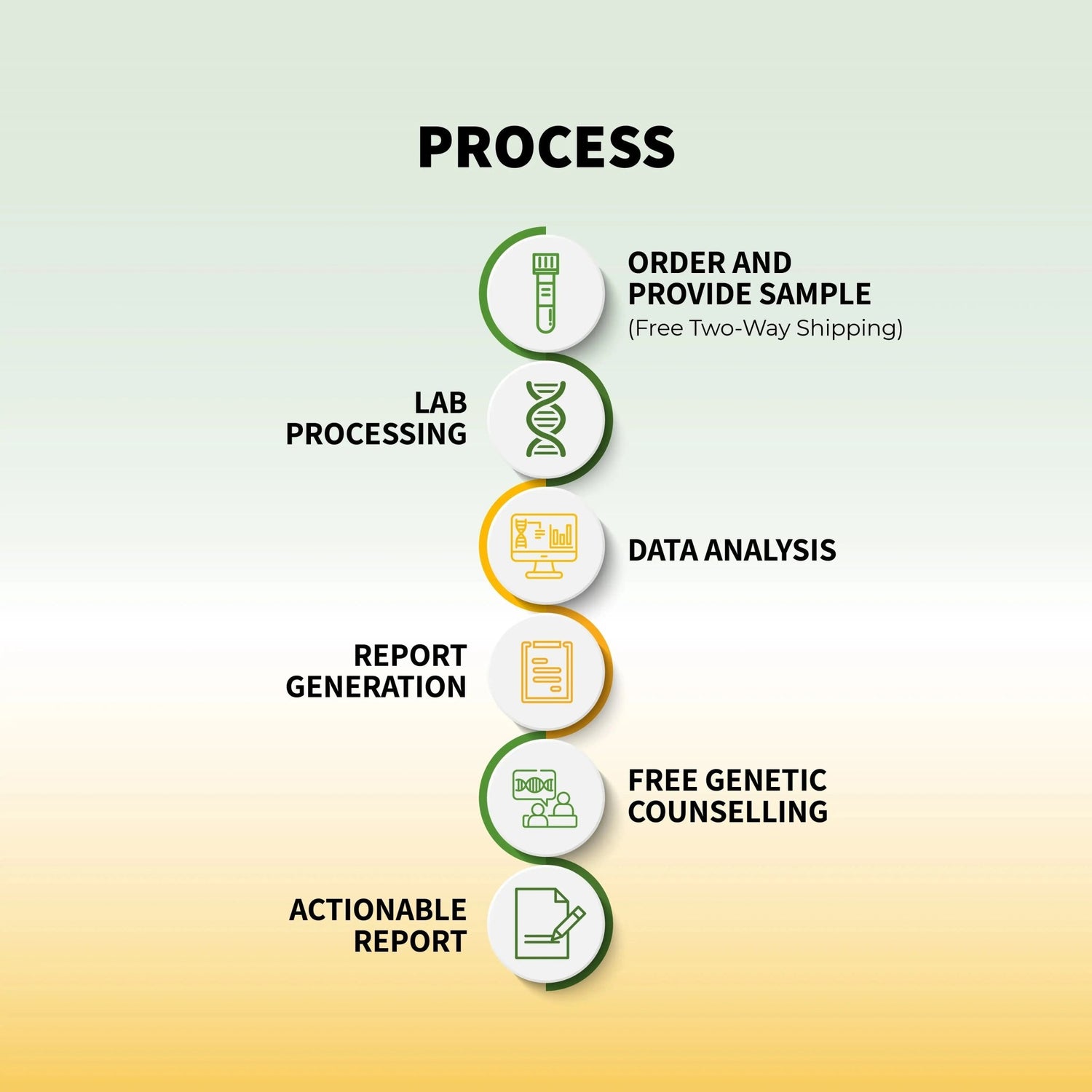
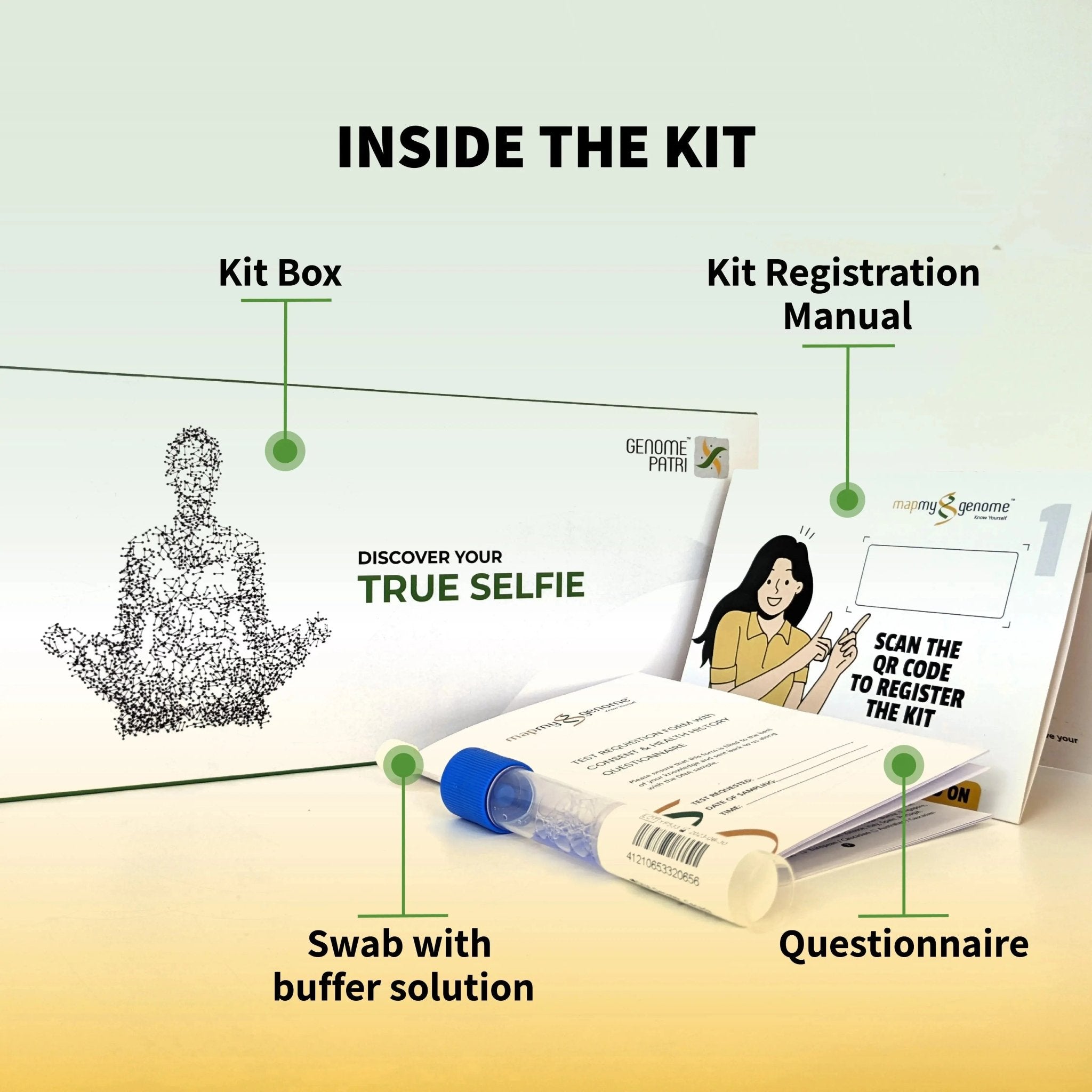
Genomepatri by MapmyGenome reveals your genetic predisposition to stress resilience, mental health traits, and associated conditions like hypertension, nicotine dependence, and depression — helping you and your doctor build a personalised prevention and management plan.