

Genetic Counselling for Reproductive Disorders
Recurrent pregnancy loss (RPL) — defined as two or more consecutive pregnancy losses — is one of the most emotionally and medically challenging experiences a couple can face. While many cases are attributed to chromosomal abnormalities in the embryo, a significant proportion have underlying genetic causes in the parents that can be identified and addressed. Genetic evaluation and counselling is a critical — and often underutilised — component of RPL management.
The Scale of the Problem
The risk of sporadic miscarriage (6–12 weeks of gestation) in young women is 9–12%
This risk increases significantly with age — approaching 50% in women over 40, due to the markedly increased incidence of chromosomal abnormalities in embryos
At least 50% of RPL cases are considered idiopathic (unexplained) — of which many likely have undetected genetic causes
Scientific literature reports a 2–7-fold increased prevalence of recurrent abortions among consanguineous (related) couples compared to the general population
Common Causes of Recurrent Pregnancy Loss
Chromosomal abnormalities — The most common cause; includes trisomies, monosomies, and structural rearrangements
Genetic mutations — Single-gene defects in either parent or the embryo
Thrombophilias — Inherited clotting disorders (Factor V Leiden, Prothrombin G20210A, MTHFR) that increase the risk of placental blood clots
Antiphospholipid syndrome — An autoimmune condition causing recurrent clotting and pregnancy loss
Uterine anomalies — Structural abnormalities of the uterus
Hormonal disorders — Including thyroid dysfunction and PCOS
Advanced parental age — Both maternal and paternal age affect embryo quality and genetic risk
Sperm quality — DNA fragmentation in sperm is associated with RPL
Genetic Evaluation for RPL: What Tests Are Available?
1. Parental Karyotyping
Both partners should undergo peripheral blood karyotyping to detect balanced structural chromosomal abnormalities. Balanced reciprocal translocations and Robertsonian translocations are found in approximately 2–5% of couples with recurrent miscarriage.
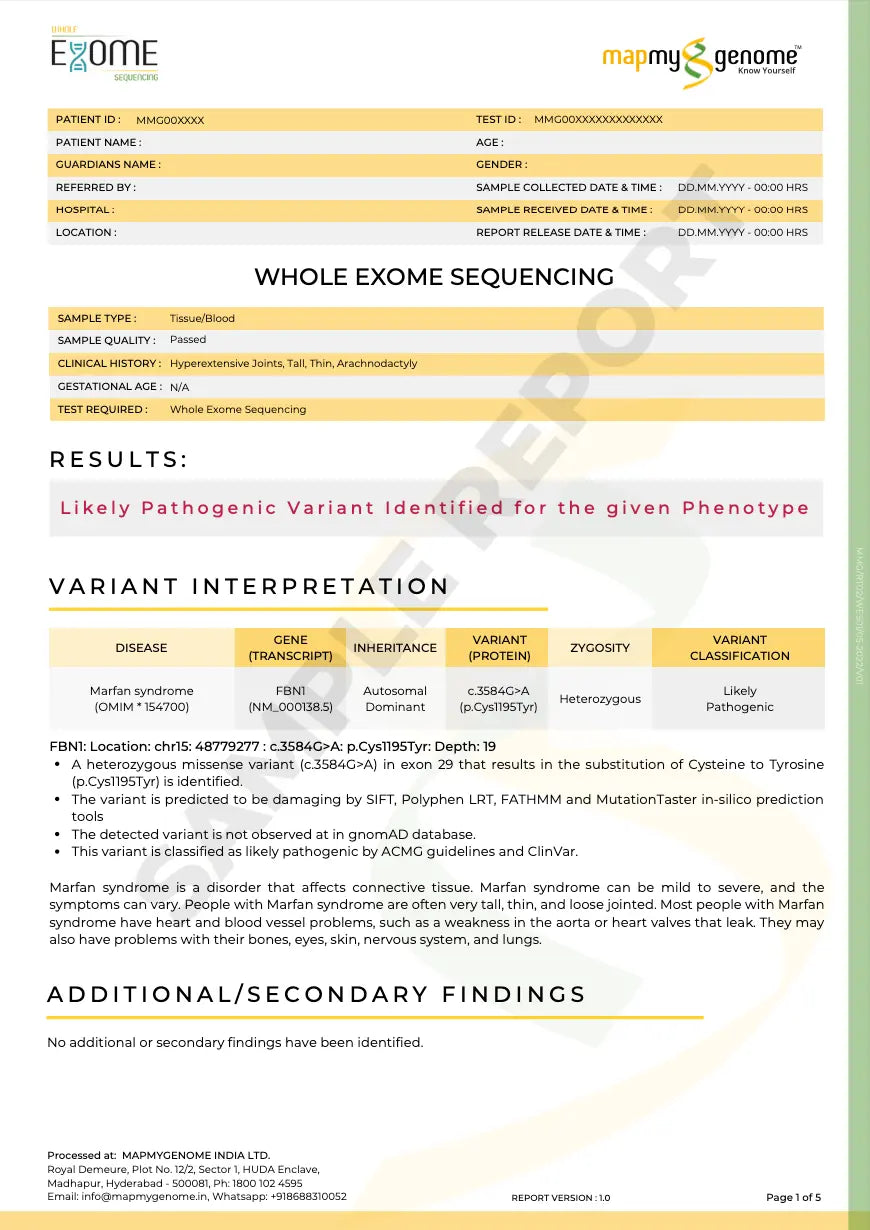
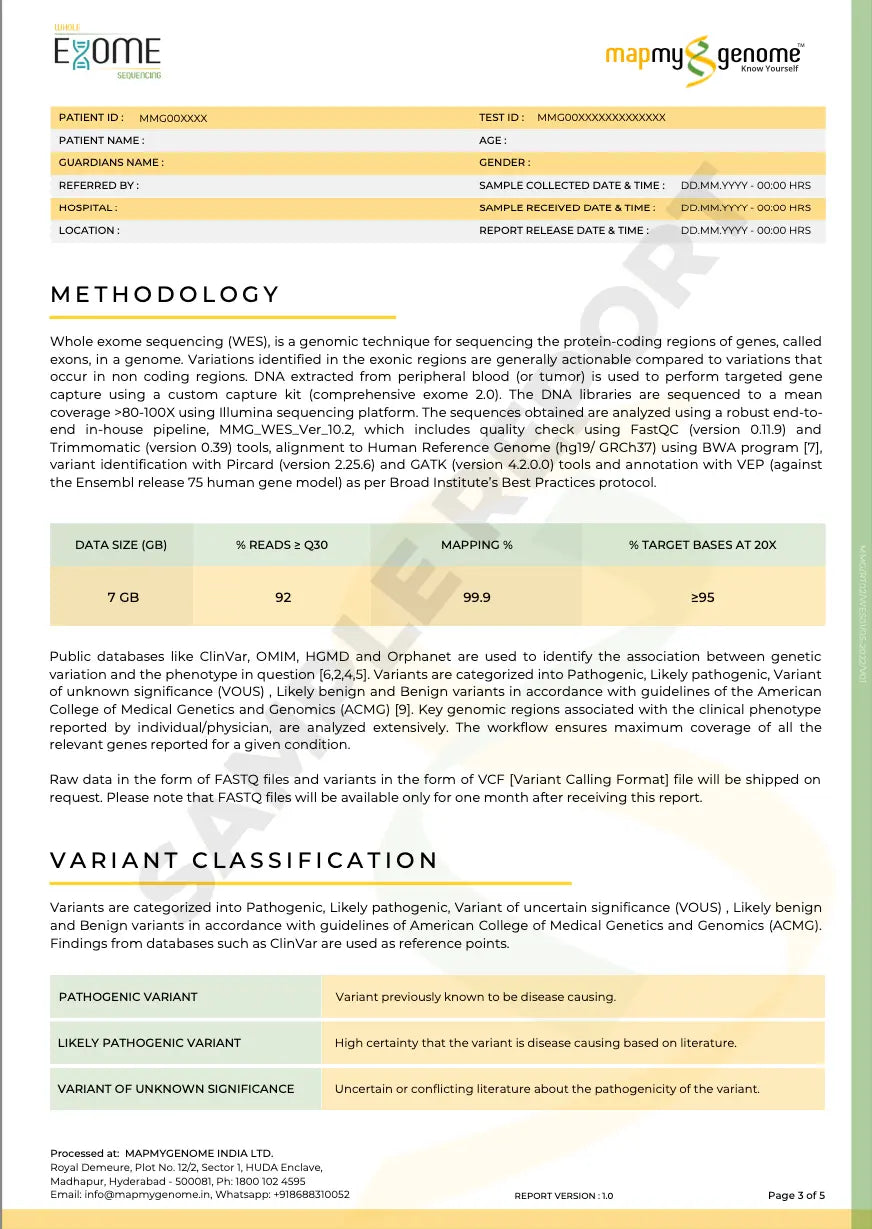
2. Molecular Genetic Testing (Whole Exome Sequencing)
When parental karyotypes are normal, molecular genetic testing is the next step. Whole Exome Sequencing (WES) of both partners, combined with analysis of the products of conception (POC) sample, enables the most accurate molecular diagnosis and informs recurrence risk assessment.
3. Thrombophilia Testing
Genetic testing for inherited thrombophilias — including Factor V Leiden, Prothrombin G20210A, and MTHFR gene variants — is recommended for women with RPL. If identified, appropriate anticoagulant therapy during subsequent pregnancies can significantly improve outcomes.
4. Products of Conception (POC) Testing
Genetic testing of the miscarried tissue is recommended for all cases of intrauterine foetal demise and stillbirth. POC testing identifies whether the loss was due to a sporadic chromosomal abnormality or a recurrent genetic cause requiring further investigation.
Reproductive Options for Couples with Genetic Causes of RPL
IUI with own gametes — To increase the chances of successful pregnancy, followed by invasive prenatal diagnosis to detect the specific genetic abnormality in the foetus
IVF with donor sperm or eggs — When the genetic cause is in one partner’s gametes
Preimplantation Genetic Testing (PGT) — Embryos created through IVF are tested before implantation, allowing selection of genetically healthy embryos
NIPT in subsequent pregnancies — Non-invasive prenatal testing from 10–12 weeks to screen for chromosomal aneuploidies
The Role of Genetic Counselling
A genetic counsellor is an essential partner in the RPL journey. Before ordering genetic tests, a counselling session helps align the needs of the patient and physician with the available diagnostic options. After results are available, genetic counselling helps couples understand their recurrence risk, explore reproductive options, and make informed, autonomous decisions about their family planning.
Genetic Counselling and Testing for Reproductive Disorders
MapmyGenome offers comprehensive genetic evaluation for couples with recurrent pregnancy loss and reproductive disorders — including parental karyotyping, whole exome sequencing, thrombophilia testing, and POC analysis. All tests are processed in our CAP & NABL-accredited laboratory with certified genetic counsellor support.