

Cholesterol: The Good, The Bad (And The Ugly?)
Cholesterol gets a bad reputation — but the truth is more nuanced. Cholesterol is a waxy, fat-like substance found in every cell of your body. Your body needs cholesterol to make hormones, vitamin D, and substances that help you digest food. The problem arises when you have too much of the wrong kind.
The Good, The Bad, and The Ugly
LDL (“bad”) cholesterol — low-density lipoprotein; carries cholesterol to cells but can build up in artery walls, forming plaques that narrow and harden arteries (atherosclerosis), increasing the risk of heart attack and stroke
HDL (“good”) cholesterol — high-density lipoprotein; carries cholesterol away from cells and back to the liver for removal from the body; higher HDL is protective against heart disease
Triglycerides — a type of fat in the blood; high triglycerides combined with low HDL or high LDL are associated with increased cardiovascular risk
VLDL (“the ugly”) — very low-density lipoprotein; carries triglycerides and is associated with plaque formation in arteries
The Genetics of Cholesterol
Cholesterol levels are significantly influenced by genetics. Familial hypercholesterolaemia (FH) — caused by mutations in the LDLR, APOB, or PCSK9 genes — causes very high LDL cholesterol from birth and dramatically increases the risk of early heart disease. Even without FH, variants in genes including APOE, CETP, LPL, and LIPC influence HDL, LDL, and triglyceride levels. Understanding your genetic cholesterol profile allows you to take targeted preventive action.
Managing Cholesterol
Eat a diet low in saturated and trans fats; increase fibre, omega-3s, and plant sterols
Exercise regularly — aerobic activity raises HDL and lowers LDL and triglycerides
Maintain a healthy weight and avoid smoking
Get regular cholesterol checks, especially if you have a family history of high cholesterol or heart disease
Know Your Genetic Cholesterol and Heart Risk Profile
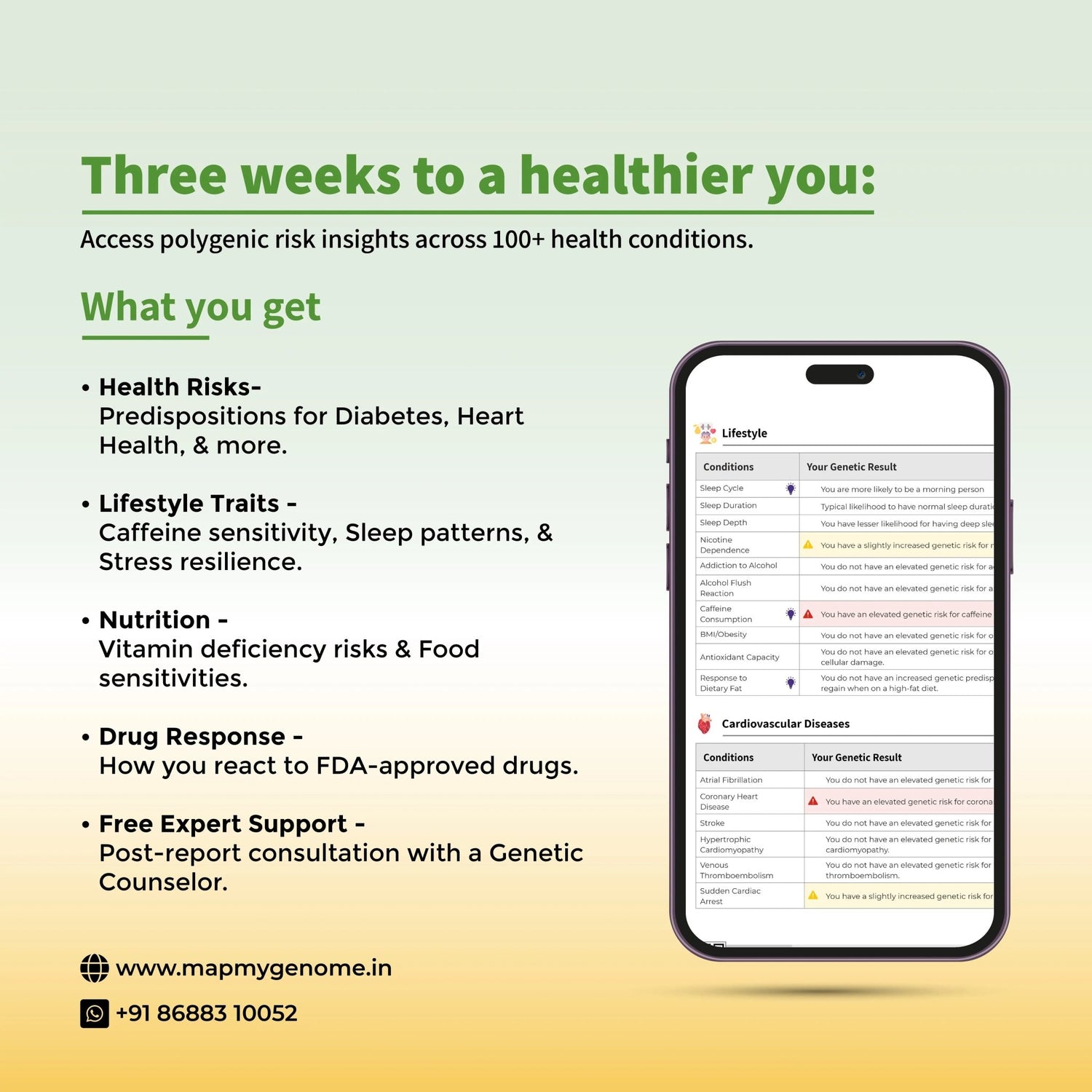
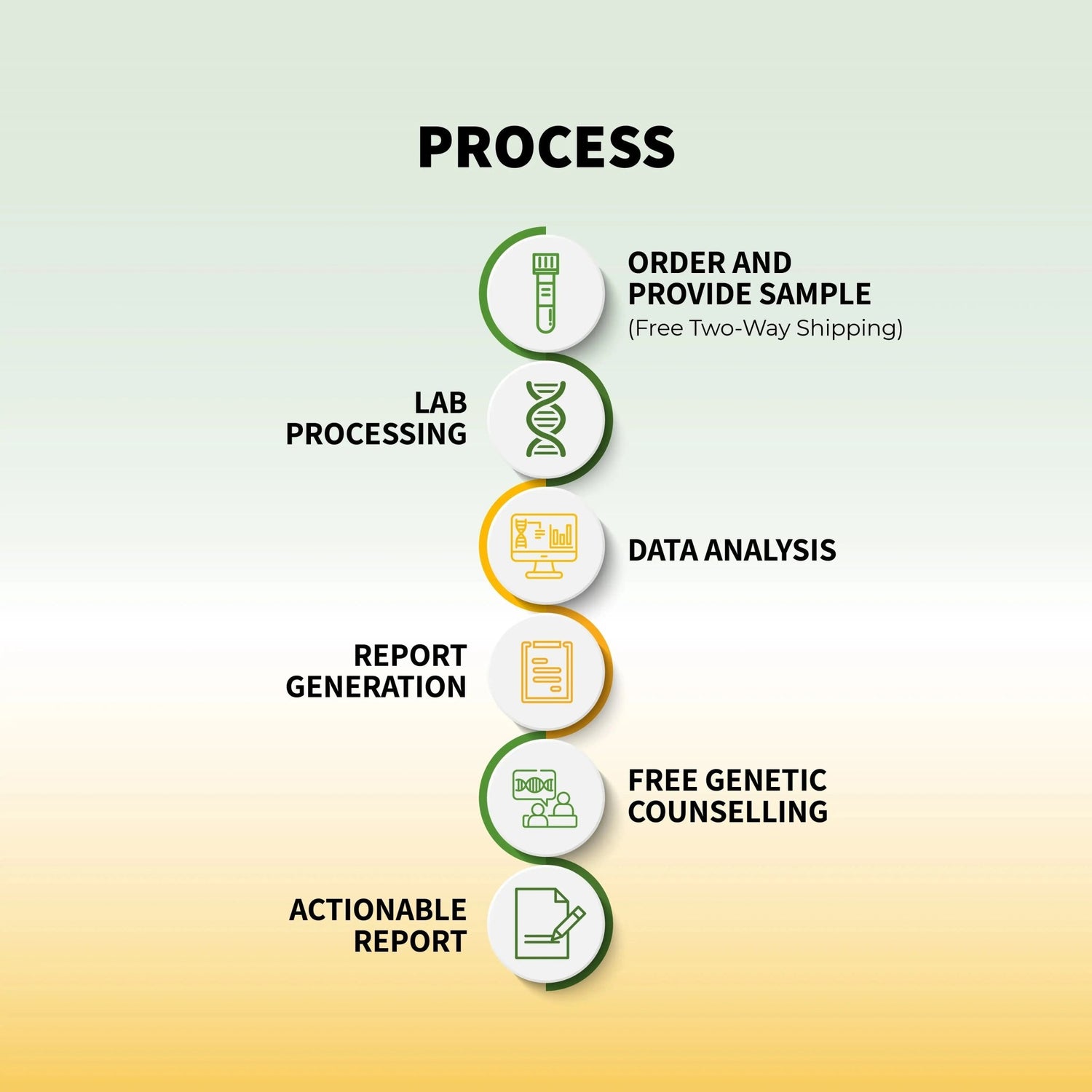
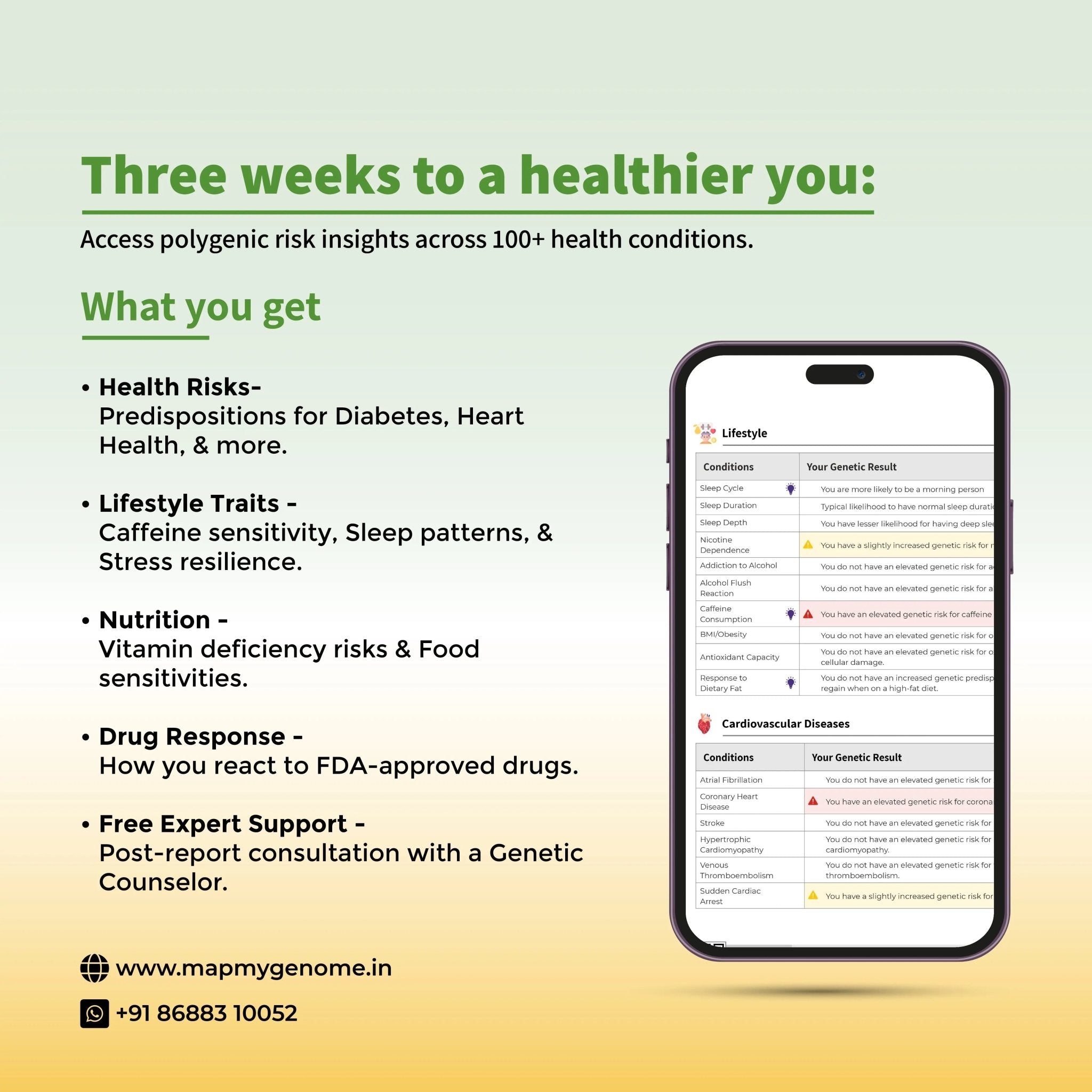
Genomepatri by MapmyGenome assesses your genetic predisposition to dyslipidaemia, cardiovascular disease, and 100+ other health conditions. Cardiomap offers a comprehensive hereditary cardiovascular risk panel. Both include certified genetic counselling.