When it comes to nutritional supplements, there is one chant everywhere!
Omega! Omega! Omega!
Every drugstore, every shop, every nutritionist prescribes it! Its benefits are featured everywhere — today your diet is not complete without it! Though a lot of people are already on these supplements, few know and understand it truly.
Are There Different Types of Fat?
Yes! The lovely butter we spread on toast and the french fries we so crave consist of:
Saturated fatty acids (SFAs)
Monounsaturated fatty acids (MUFAs)
Polyunsaturated fatty acids (PUFAs)
What Are PUFA and MUFA?
MUFA and PUFA are monounsaturated and polyunsaturated fatty acids — a special category called healthy fats. Like vitamins and proteins, we need a certain amount of dietary fat. These fats protect our heart and are diet essentials.

Monounsaturated Fats (MUFA)
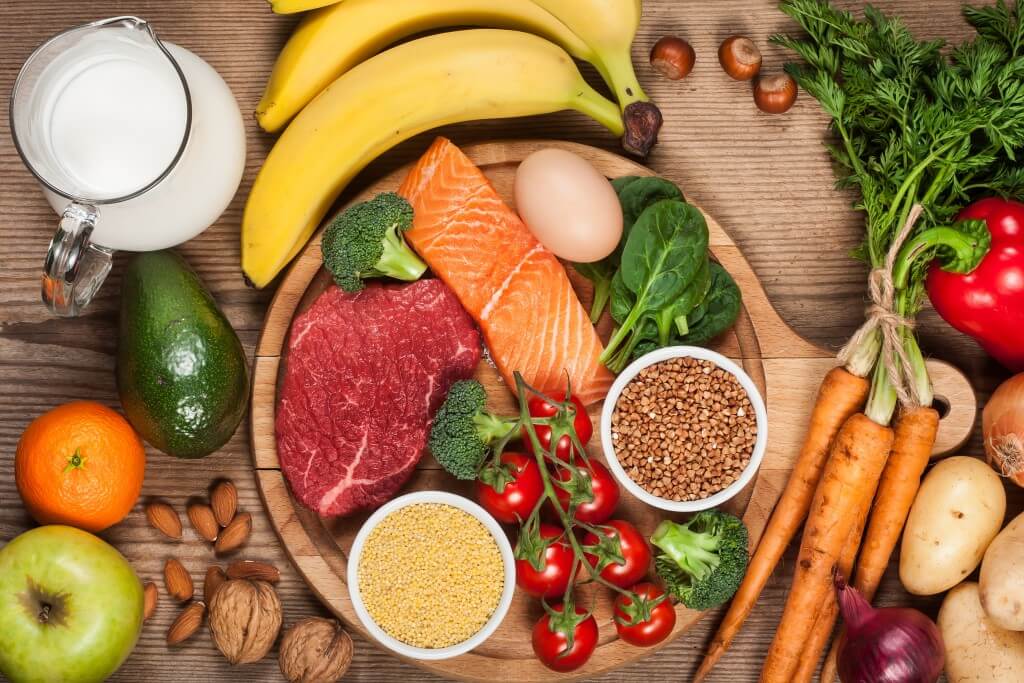
MUFAs have one double-bonded carbon atom and are stable in liquid state at room temperature. They lower cholesterol levels and reduce risk for heart-related disorders. MUFAs are also rich in vitamin E, vitamin A, and antioxidants. Sources: avocados, peanut butter, nuts, seeds, olive oil, peanut oil, canola oil, sesame oil, sunflower oil.
Polyunsaturated Fats (PUFA)
PUFAs have more than one double-bonded carbon atom and are also liquid at room temperature. Consumed in moderation, they help reduce risk for cardiac conditions. Sources: soybean oil, corn oil, safflower oil, fish, walnuts, sunflower seeds.
The human body cannot produce two essential PUFAs: linoleic acid (LA, an omega-6 fatty acid) and alpha-linolenic acid (ALA, an omega-3 fatty acid). Both are crucial components of cell membranes and are involved in blood pressure regulation and inflammatory response. Studies show beneficial results of omega-3-rich diets in heart, diabetic, and cancer patients.
Food for Thought
Approximately 20–35% of our daily calories come from fat. On a standard 2,000-calorie diet, that is 44–78 grams of fat per day. A diet of MUFA and PUFA is healthier than one containing saturated fats and trans fats — but binging on healthy fats will still result in weight gain. Some nuts, some beans, and healthy oil is good enough.
MUFA vs PUFA: Which Is Better?
Studies show that a balance of both constitutes a healthy diet. The key issue is that most Indian diets include too much PUFA/Omega-6 and very low quantities of Omega-3s. We evolved from diets with an Omega-6:Omega-3 ratio of 4:1 to 1:1. Today, we are at 10:1 — an imbalance linked to depression, neurological disorders, inflammatory bowel disease, rheumatoid arthritis, liver disease, and cardiovascular disease. Fine-tuning the ratio between the Omegas is key.
MapmyGenome and the World of Fats
Would it not be more helpful to learn why you are putting on extra pounds and where it is coming from? Why is your metabolism different from your family’s? Do certain heart conditions run in your family? Our products — Genomepatri and Genomepatri Fit — combined with nutrition and genetic counselling, can help you understand your family history and potentially delay or avoid the onset of conditions you worry about.
Our advice: #knowyourself and then join the Ω Hoo-Haa!!
Know Your Genetic Nutrition and Metabolism Profile
Genomepatri by MapmyGenome covers genetic predisposition to obesity, cholesterol, omega-3 metabolism, vitamin deficiencies, and 100+ other health and nutrition traits. Includes certified genetic counselling and a CAP & NABL-accredited laboratory.