

Fasting with Diabetes: A Delicate Balance
Ramzan is a sacred month of fasting observed by millions of Muslims worldwide. For people with diabetes, fasting from dawn to sunset presents unique physiological challenges — including the risk of hypoglycaemia (low blood sugar), hyperglycaemia (high blood sugar), dehydration, and thrombosis.
With the right planning, however, most people with well-controlled type 2 diabetes can fast safely during Ramzan. Here is a holistic, evidence-based approach to dietary management during this period.
Before Ramzan: Consult Your Doctor
- Discuss your intention to fast with your physician and diabetes care team well in advance
- Review and adjust your medication schedule — timing and dosage may need to change significantly
- Monitor your blood glucose more frequently in the weeks leading up to Ramzan to establish your baseline
Suhoor (Pre-Dawn Meal): Eat to Sustain
Suhoor is the most important meal of the fasting day for people with diabetes. Focus on:
- Low-GI carbohydrates — oats, whole grain bread, brown rice — for slow, sustained glucose release
- Protein — eggs, yoghurt, legumes — to promote satiety and stabilise blood sugar
- Healthy fats — nuts, avocado — to slow digestion and reduce glucose spikes
- Plenty of water — hydrate well before the fast begins
- Avoid sugary foods, refined carbohydrates, and salty foods that increase thirst
Iftar (Breaking the Fast): Eat Mindfully
Break the fast gently — as the Prophet’s tradition suggests — with dates and water, then pause before the main meal.
- Avoid large, heavy meals that cause rapid blood sugar spikes
- Choose grilled, baked, or steamed foods over fried options
- Include vegetables, lean protein, and complex carbohydrates
- Limit sweets and desserts — traditional Ramzan sweets are often very high in sugar
Blood Glucose Monitoring During Ramzan
Frequent self-monitoring of blood glucose is essential. Break the fast immediately if blood glucose falls below 70 mg/dL or rises above 300 mg/dL. Know the warning signs of hypoglycaemia: shakiness, sweating, confusion, and rapid heartbeat.
When to Avoid Fasting
People with type 1 diabetes, poorly controlled type 2 diabetes, recent hypoglycaemic episodes, or significant complications should consult their physician before deciding to fast. In some cases, fasting may not be medically advisable.
🧬 Know Your Genetic Diabetes Risk
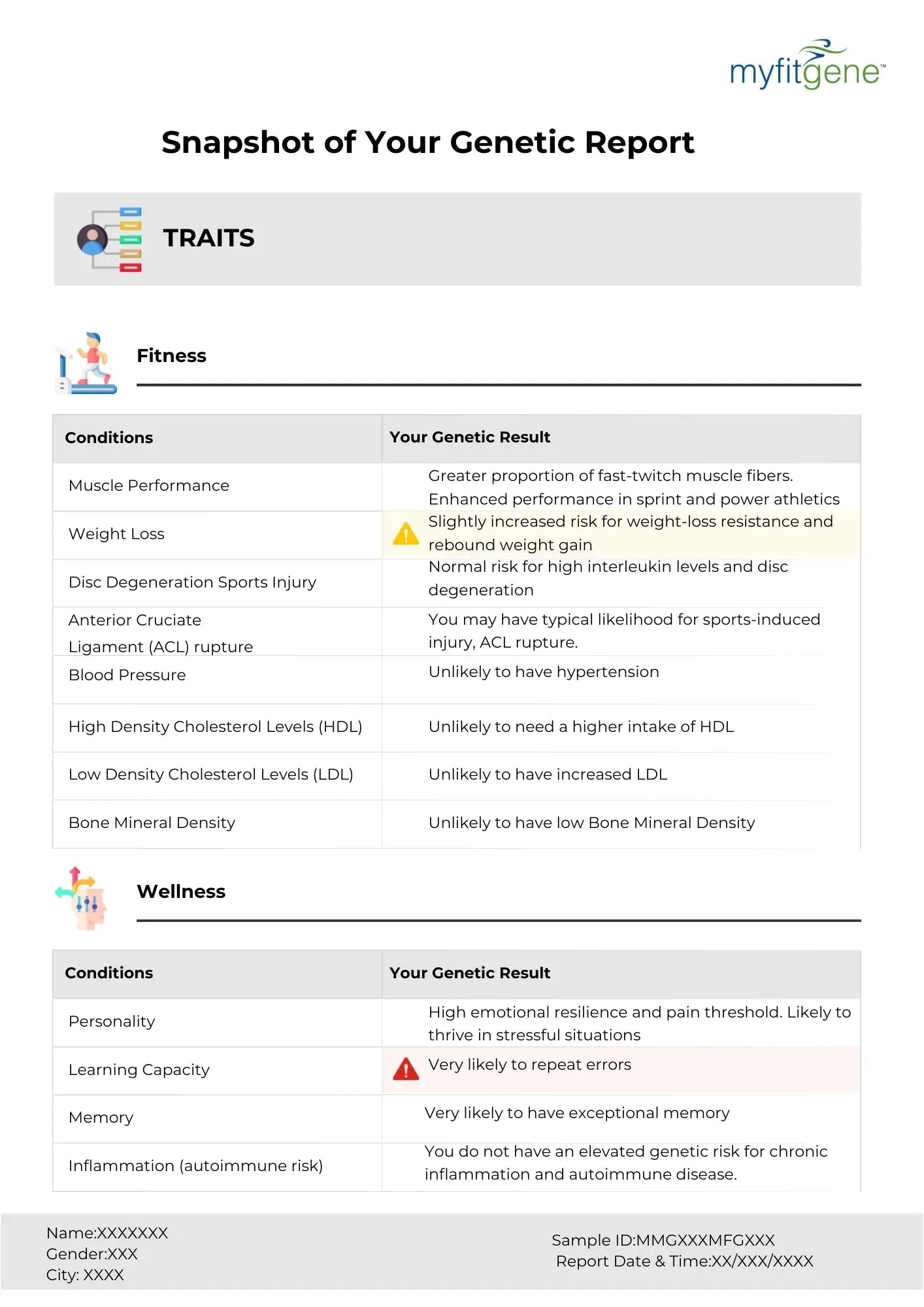
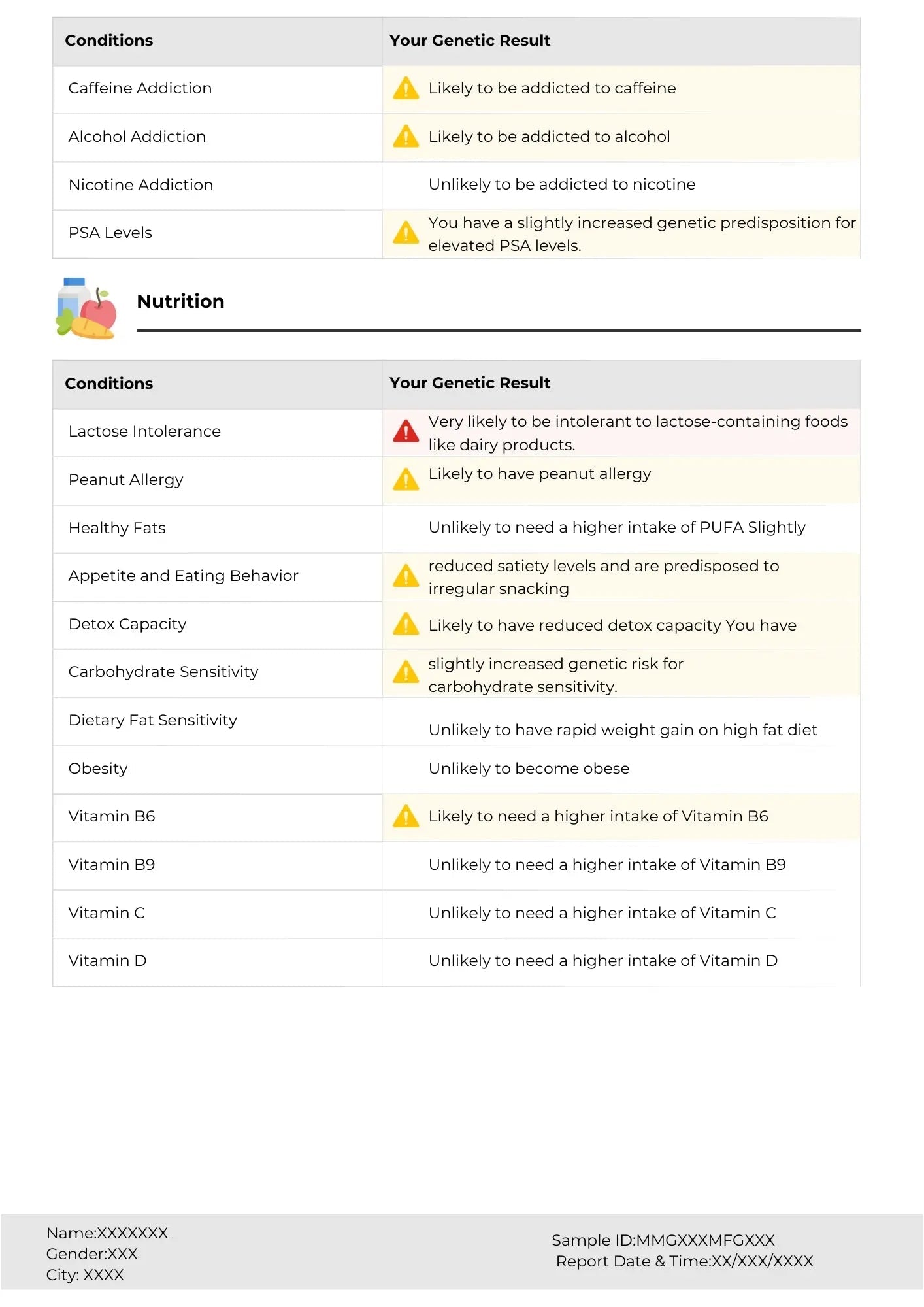
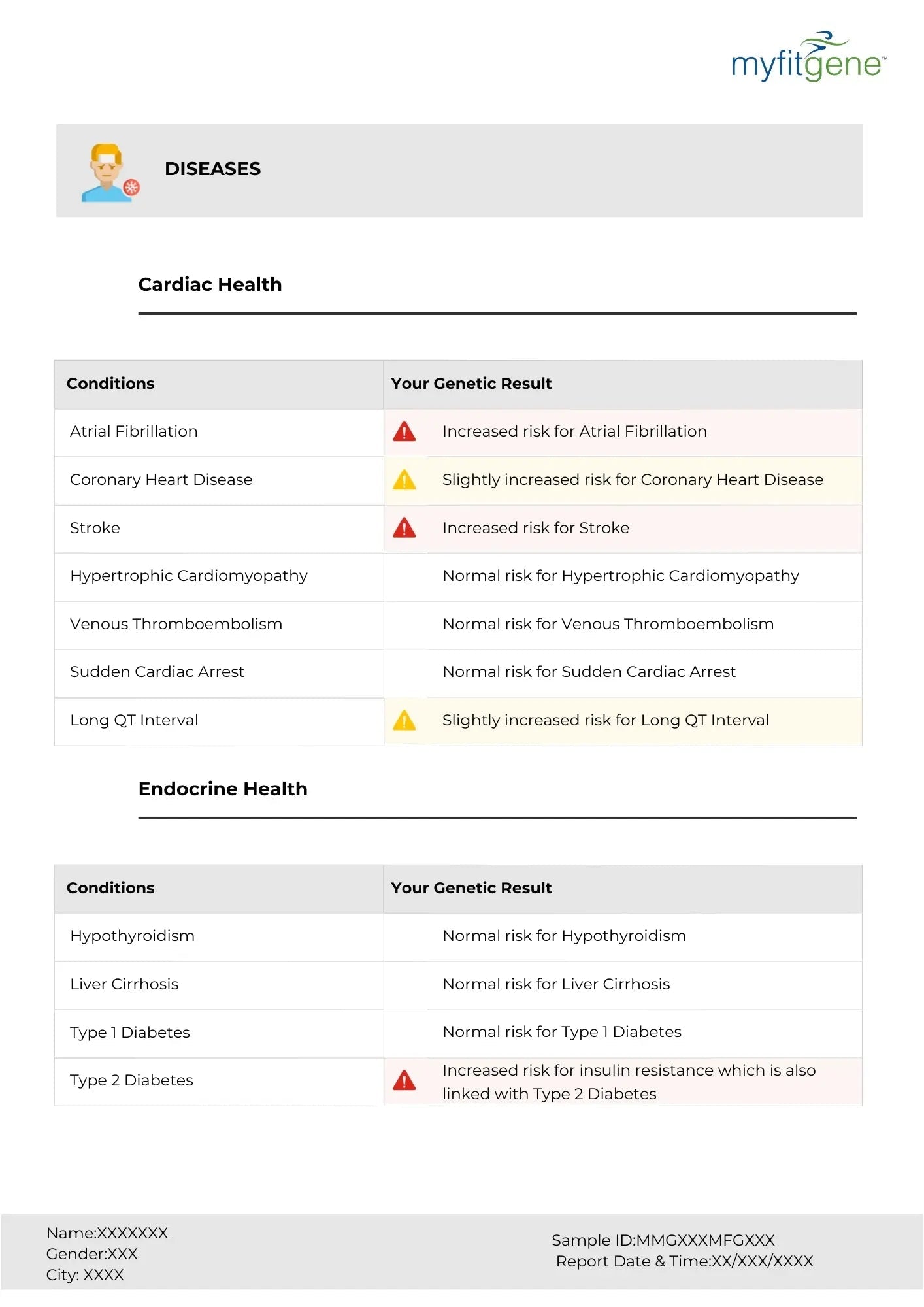
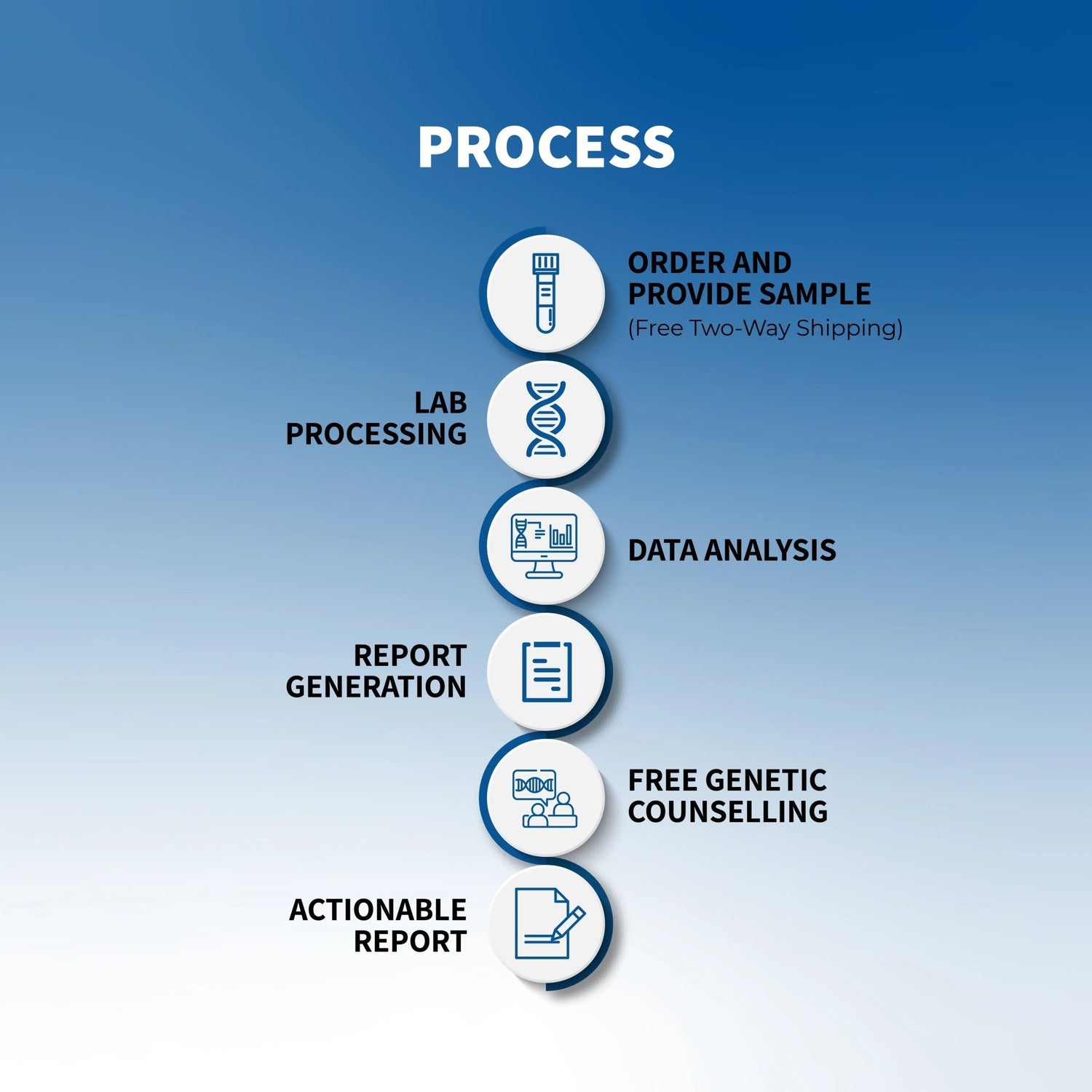
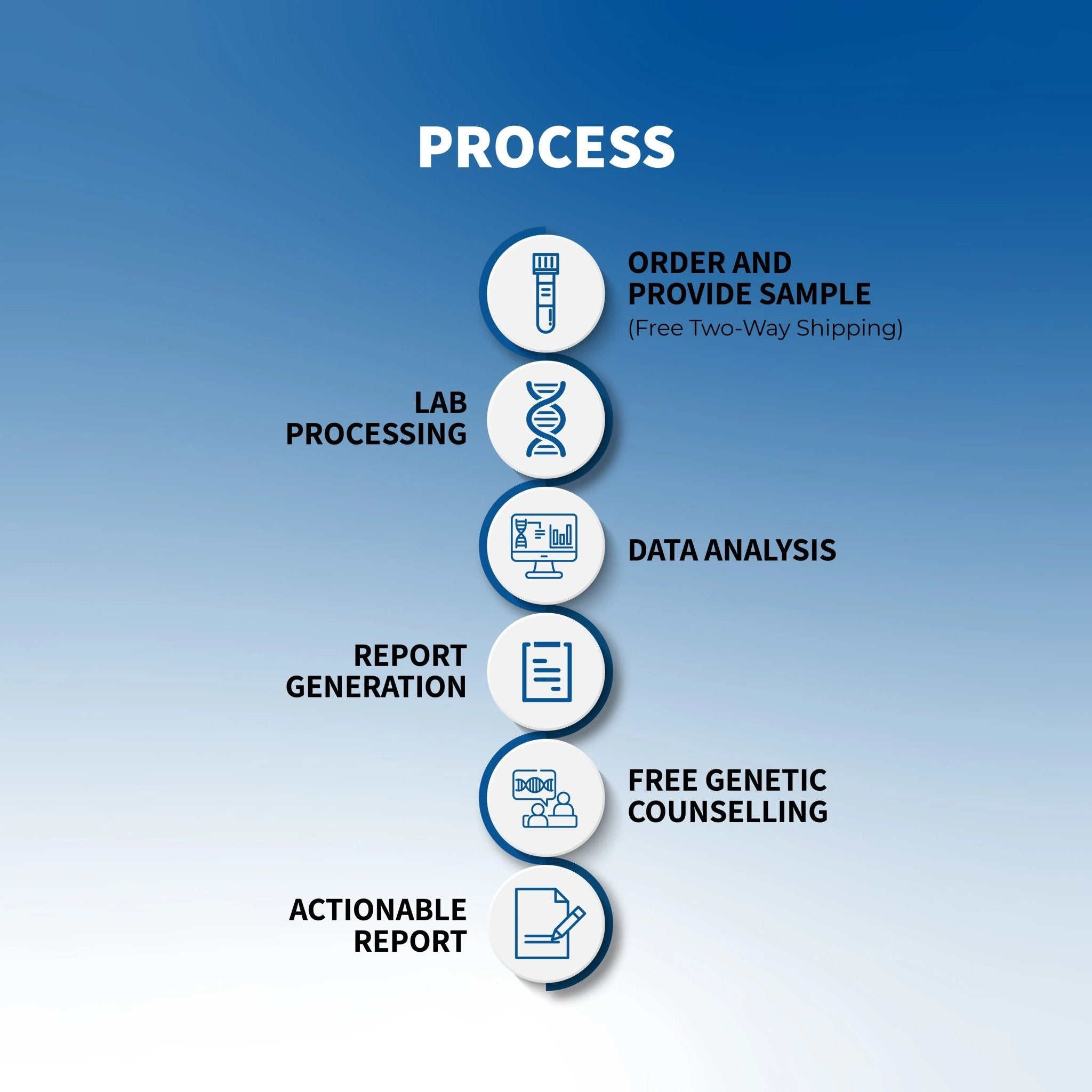
Your genes influence your predisposition to type 2 diabetes, insulin sensitivity, and how your body processes carbohydrates and fats. Genomepatri by MapmyGenome reveals your metabolic genetic profile — helping you and your doctor build a truly personalised diabetes management plan.
→ Order Genomepatri — India’s Most Comprehensive DNA Health Test
Questions? Reach us at info@mapmygenome.in or call 1800 102 4595.