

Ismail Shariff is one of India's most celebrated wildlife photographers, known for his stunning images of India's biodiversity and his passionate advocacy for conservation. We spoke with him about an unexpected intersection — how genomics is transforming wildlife conservation, and what his experience with genetic testing revealed about his own health.
How Did You First Encounter Genomics?
"I've always been fascinated by the diversity of life — that's what drives my photography," Ismail says. "When I learned that genomics could reveal the genetic diversity within species and help conservation efforts, I was immediately intrigued. And when I had my own DNA tested, I was amazed by what it revealed about my ancestry and health predispositions."
He describes the experience as transformative. "I spend my life documenting the incredible diversity of life on earth. Learning about my own genetic diversity — where my ancestors came from, what traits I've inherited — gave me a completely new perspective on my place in the story of life."
How Is Genomics Being Used in Wildlife Conservation?
"Conservation genomics is revolutionizing how we protect endangered species," Ismail explains. "By analyzing the genetic diversity within and between populations, conservationists can identify which populations are most genetically distinct and therefore most important to protect. They can identify inbreeding in small populations and design breeding programs to maintain genetic diversity. And they can track the movement of animals and the illegal wildlife trade using DNA evidence."
He gives the example of tigers. "India's tiger population has recovered significantly, but many populations are isolated in fragmented habitats. Genomic analysis reveals which populations are genetically connected through wildlife corridors and which are becoming inbred due to isolation. This information is critical for designing effective conservation strategies — protecting the right corridors to maintain genetic connectivity."
What Did Your Own Genetic Testing Reveal?
"I was surprised by the complexity of my ancestry," Ismail says with a smile. "India is one of the most genetically diverse countries in the world, and my results reflected that diversity beautifully. But the health insights were what really made me think. I learned about predispositions I wasn't aware of — and it motivated me to make some lifestyle changes and discuss certain screenings with my doctor."
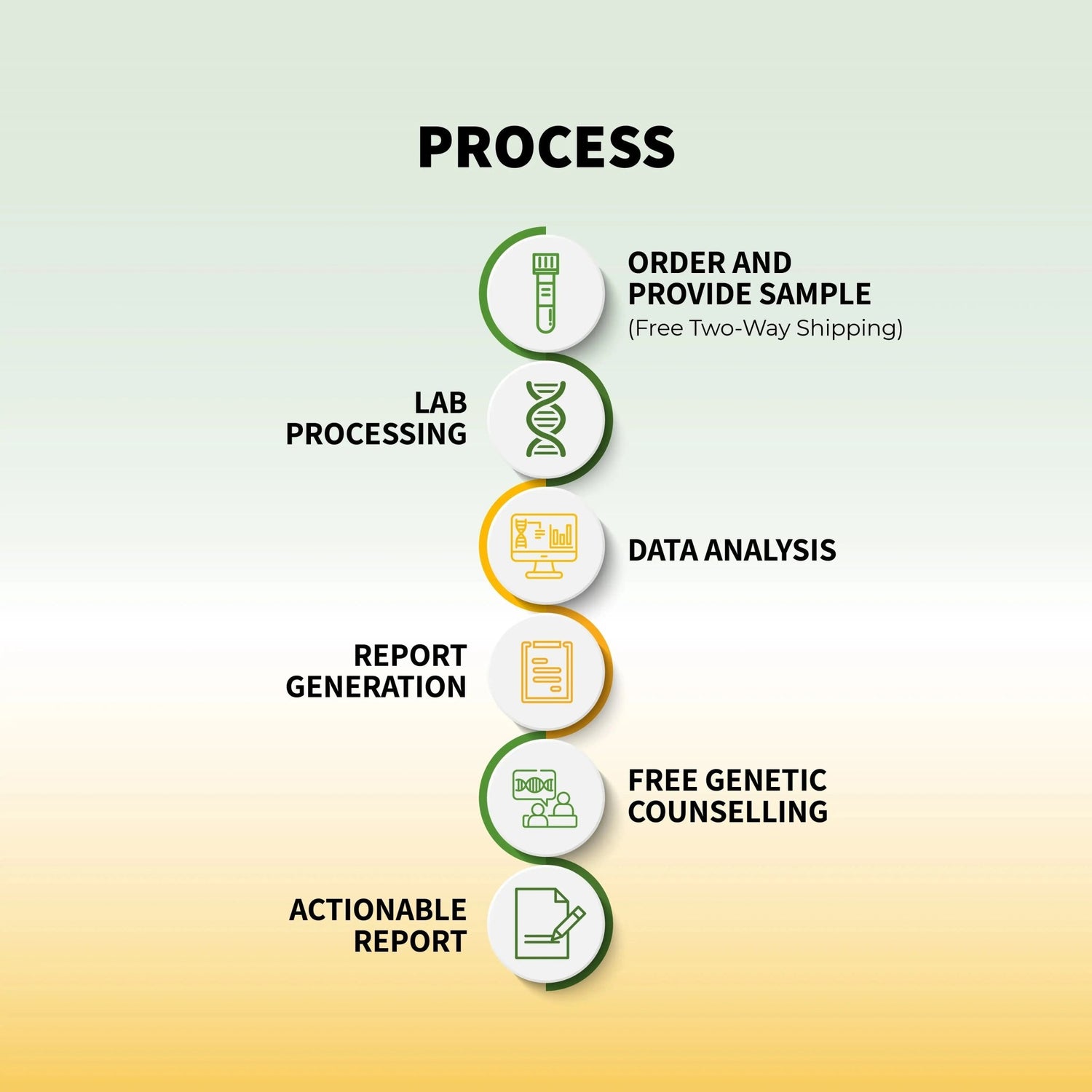
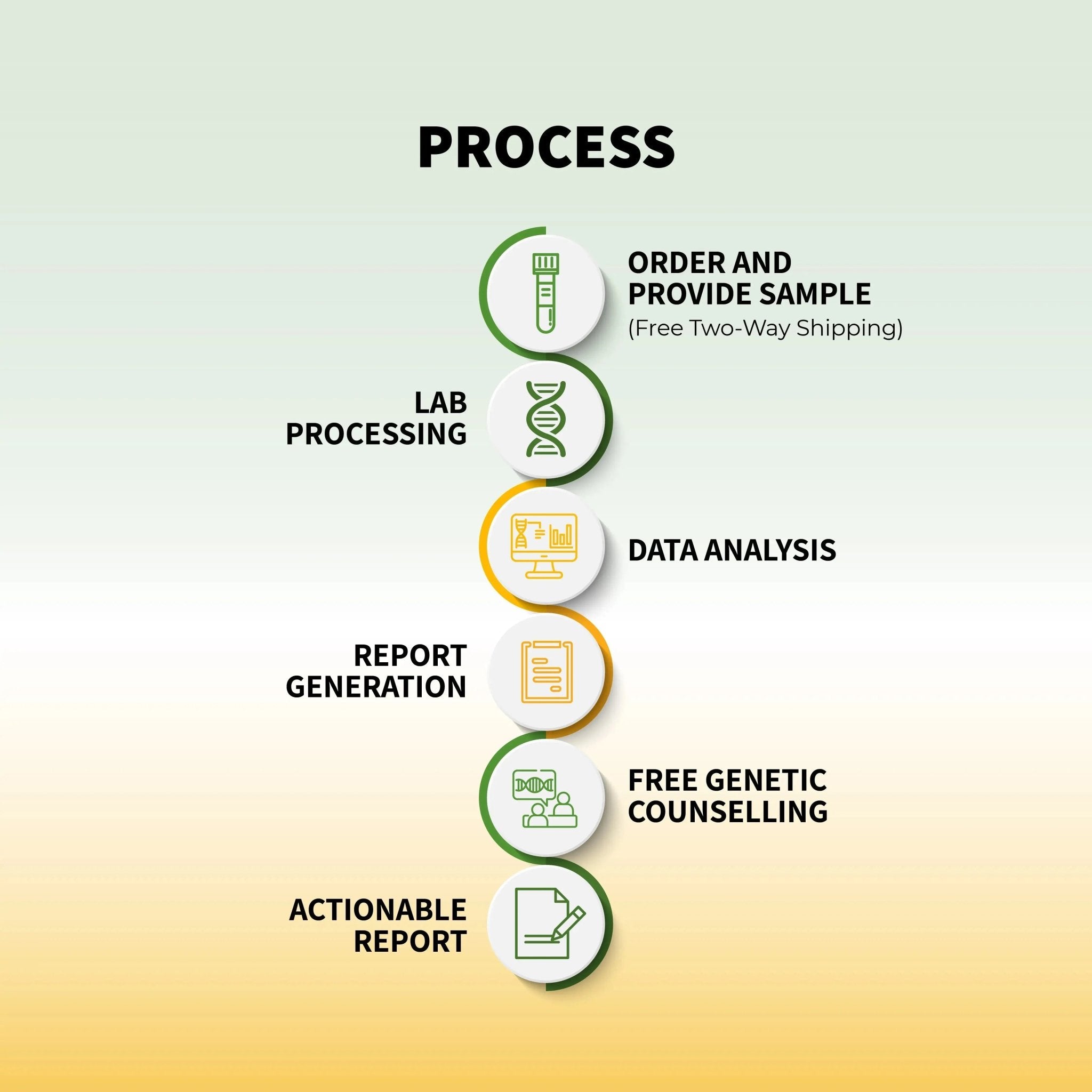
He emphasizes the value of the genetic counseling that accompanied his results. "Having a genetic counselor explain what the results meant — and what they didn't mean — was invaluable. Genetic information can be anxiety-provoking without context. The counselor helped me understand my results as a tool for proactive health management, not a prediction of doom."
What Message Do You Have for People Considering Genetic Testing?
"Do it," Ismail says simply. "Knowledge is power. Understanding your genetic predispositions allows you to make more informed decisions about your health. And the ancestry insights — understanding where you come from, the migrations your ancestors made — connect you to the broader story of humanity in a profound way. As a photographer, I'm always looking for connections. Genomics revealed connections I never knew I had."
Discover Your Genetic Story — Health and Heritage
Genomepatri by MapmyGenome reveals 100+ health insights from your DNA, while Genomepatri Heritage traces your ancestral journey across generations — connecting you to the broader story of human migration and diversity.
Explore Genomepatri → Explore the Discover Yourself Bundle →