

Going Gluten-Free? A Few Points to Remember
When the global prevalence of celiac disease was estimated on the basis of blood tests and biopsy, the incidence was found to be more common in Asia and Europe compared to the Americas and Oceania. Celiac disease is an autoimmune disorder of the intestine in which patients cannot digest gluten protein — causing inflammation of the mucosal cells. It is more prevalent in children than in any other age group, and a majority of the population remains untreated and undiagnosed.
In order to decrease inflammation and increase the intestine’s capacity to digest gluten, a significant change in lifestyle is required — primarily removing gluten-containing peptides from your regular diet.
Nutritional Considerations on a Gluten-Free Diet
Research has reported that more than 30% of celiac patients have deficiencies in dietary fibre, proteins, and minerals, coupled with imperfect absorption of iron, folic acid, and calcium. This deficiency can be overcome by consuming gluten-free foods and processed gluten-free products that contain good sources of lipids, sugars, and fats. Pseudo-cereals such as quinoa, amaranth, and buckwheat are excellent alternatives.
Surprising Facts About Gluten-Free Products
Can increase blood cholesterol levels if not carefully managed
Enhances digestive health for those with celiac disease or gluten sensitivity
May cause deficiencies of iron, amino acids, and B-complex vitamins if not supplemented
Beer is not gluten-free, but distilled alcohol and wine are
Foods labelled “wheat-free” are not necessarily gluten-free
Requires nearly 3 years to recover from celiac disease fully
Measuring your DNA is considered one of the best ways to test gluten sensitivity
Processed gluten-free products are typically more expensive than naturally gluten-free foods
The Genetic Dimension
Celiac disease has a strong genetic component — nearly all patients carry the HLA-DQ2 or HLA-DQ8 gene variants. However, having these variants doesn’t guarantee you’ll develop celiac disease; environmental triggers also play a role. Knowing your genetic predisposition to gluten intolerance and celiac disease can help you make informed dietary decisions before symptoms become severe.
Know Your Genetic Predisposition to Gluten Intolerance
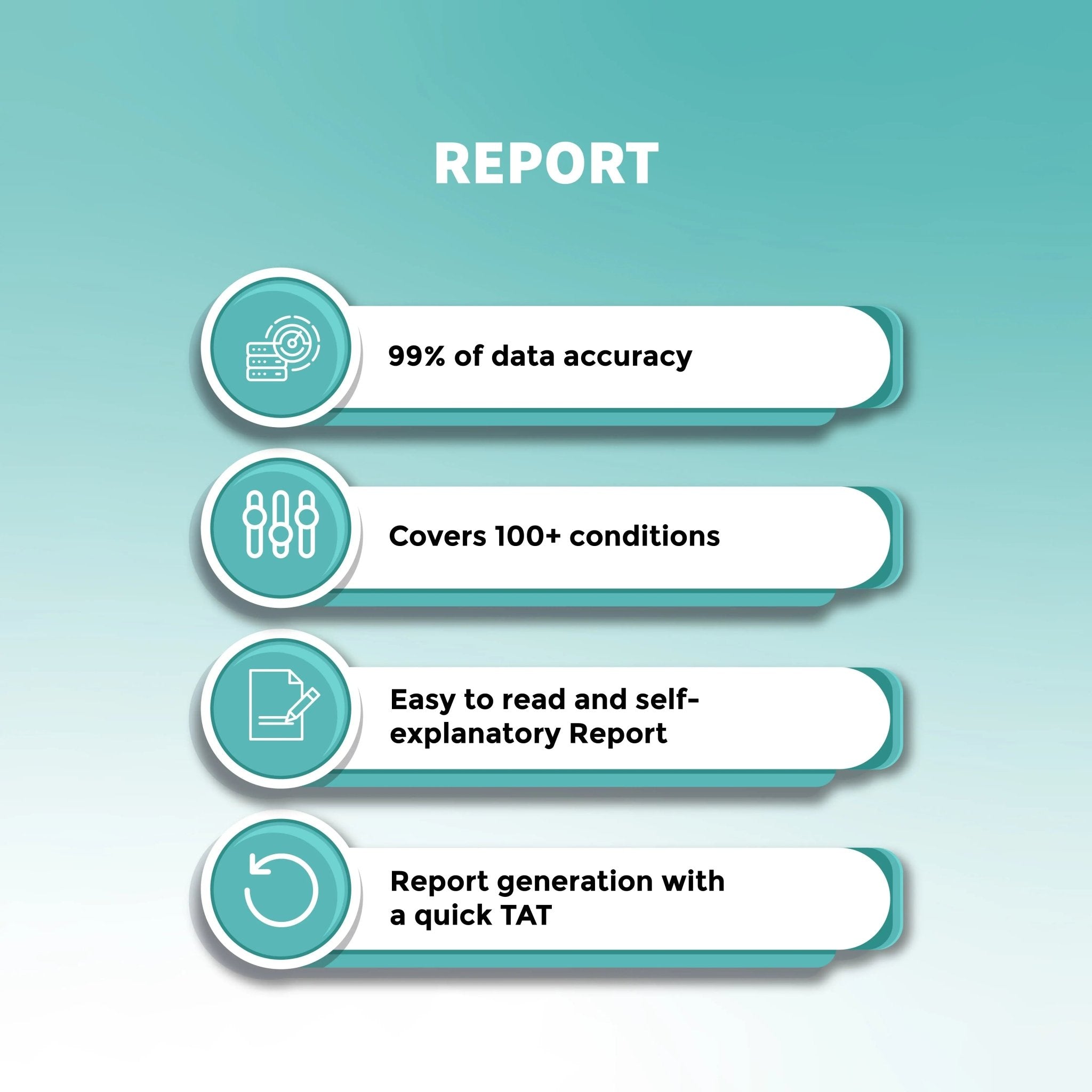
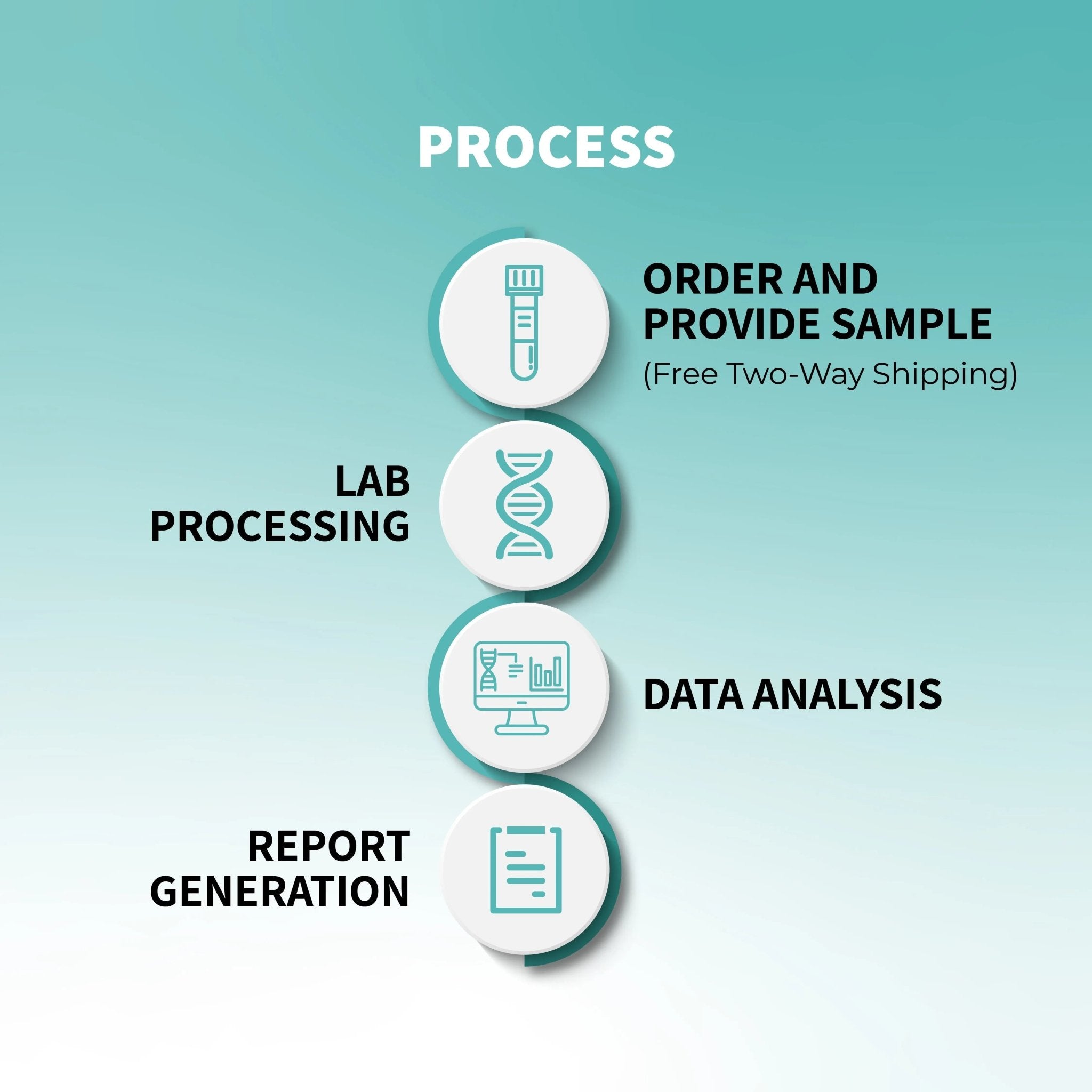
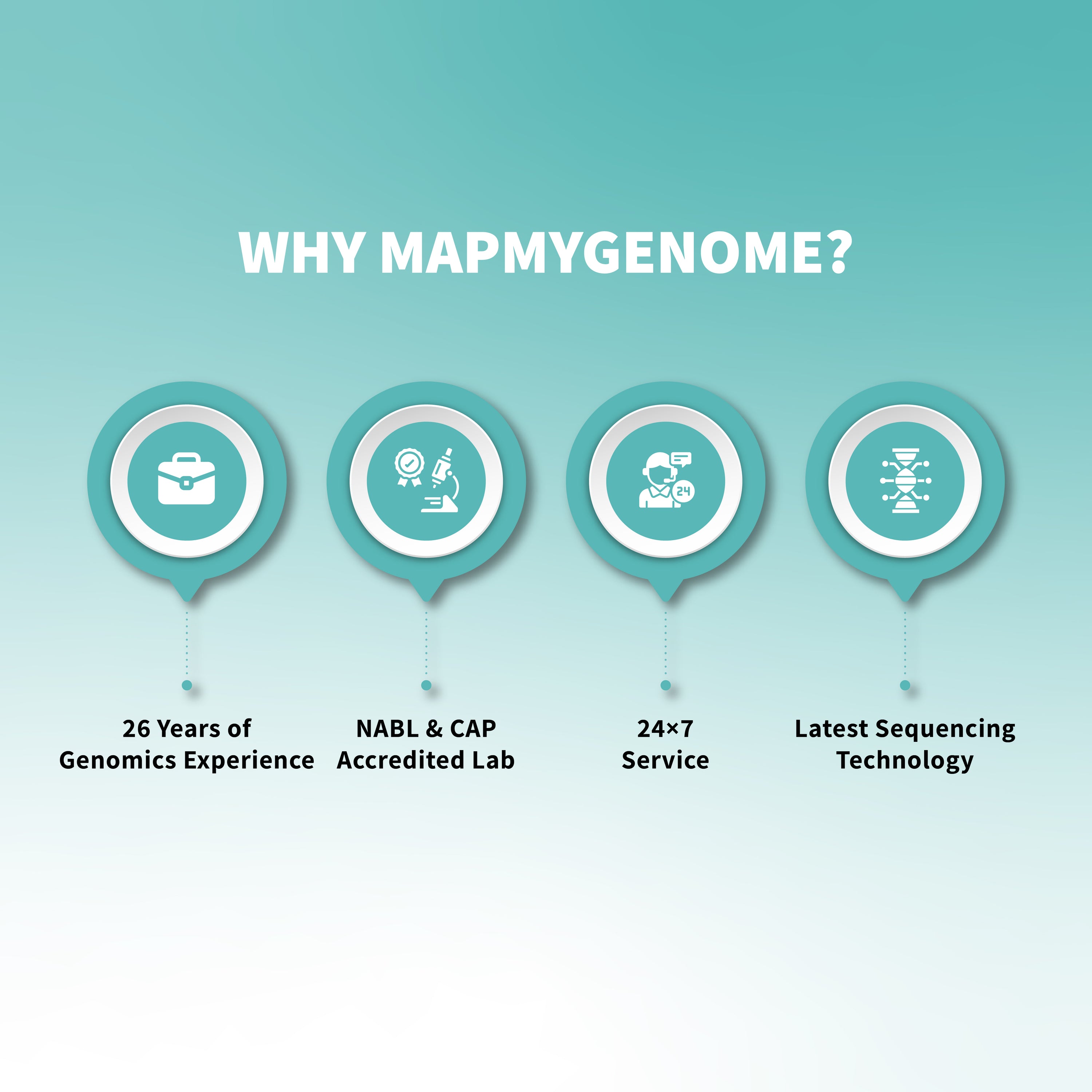
Genomepatri by MapmyGenome analyses your genetic risk for celiac disease, gluten sensitivity, and nutritional absorption traits — helping you make smarter dietary choices based on your unique DNA.