

Gut health has moved from the fringes of wellness culture to the centre of mainstream medicine — and for good reason. Your gut is home to trillions of microorganisms that influence digestion, immunity, mood, metabolism, and even your risk for chronic disease. In India, where dietary patterns, antibiotic use, and lifestyle factors create unique gut health challenges, understanding and healing your gut has never been more important.
What Is Leaky Gut?
The gut lining is a single-cell-thick barrier that controls what passes from your digestive tract into your bloodstream. When this barrier becomes compromised — a condition often called "leaky gut" or intestinal permeability — partially digested food particles, toxins, and bacteria can pass through into the bloodstream, triggering systemic inflammation and immune reactions.
Leaky gut is associated with a wide range of conditions including IBS, inflammatory bowel disease, food intolerances, skin conditions like eczema and psoriasis, autoimmune diseases, and even mood disorders via the gut-brain axis.
Common Causes of Leaky Gut in India
- Overuse of antibiotics — disrupts the gut microbiome, reducing protective bacterial diversity
- Ultra-processed foods — emulsifiers and additives in packaged foods damage the gut lining
- Chronic stress — elevates cortisol, which increases gut permeability
- NSAIDs (painkillers) — frequent use damages the gut lining
- Alcohol — directly increases intestinal permeability
- Low-fibre diets — reduce the diversity and abundance of beneficial gut bacteria
Signs Your Gut May Be Leaky
- Chronic bloating, gas, or digestive discomfort
- Food intolerances that seem to be multiplying
- Skin conditions like acne, eczema, or rosacea
- Fatigue and brain fog
- Frequent illness or slow recovery
- Joint pain or unexplained inflammation
- Mood changes, anxiety, or depression
How to Heal Your Gut
1. Remove Gut Irritants
Reduce ultra-processed foods, refined sugar, alcohol, and unnecessary NSAIDs. Identify and temporarily eliminate foods you're reacting to.
2. Restore Beneficial Bacteria
Add fermented foods to your diet: curd, idli, dosa, kanji, and kefir are all probiotic-rich options well-suited to Indian diets. Consider targeted probiotic supplementation based on your specific microbiome profile.
3. Feed Your Gut Bacteria
Prebiotics — the fibre that feeds beneficial bacteria — are found in onions, garlic, bananas, oats, and legumes. A diverse, plant-rich diet is the single most effective way to increase gut microbiome diversity.
4. Repair the Gut Lining
Nutrients that support gut lining repair include L-glutamine (found in bone broth and supplements), zinc (found in pumpkin seeds, legumes, and meat), and vitamin D. Turmeric's curcumin also has documented gut-protective effects.
5. Manage Stress
The gut-brain axis means that chronic stress directly damages gut health. Regular mindfulness, yoga, adequate sleep, and social connection all support gut healing.
The Role of Microbiome Testing
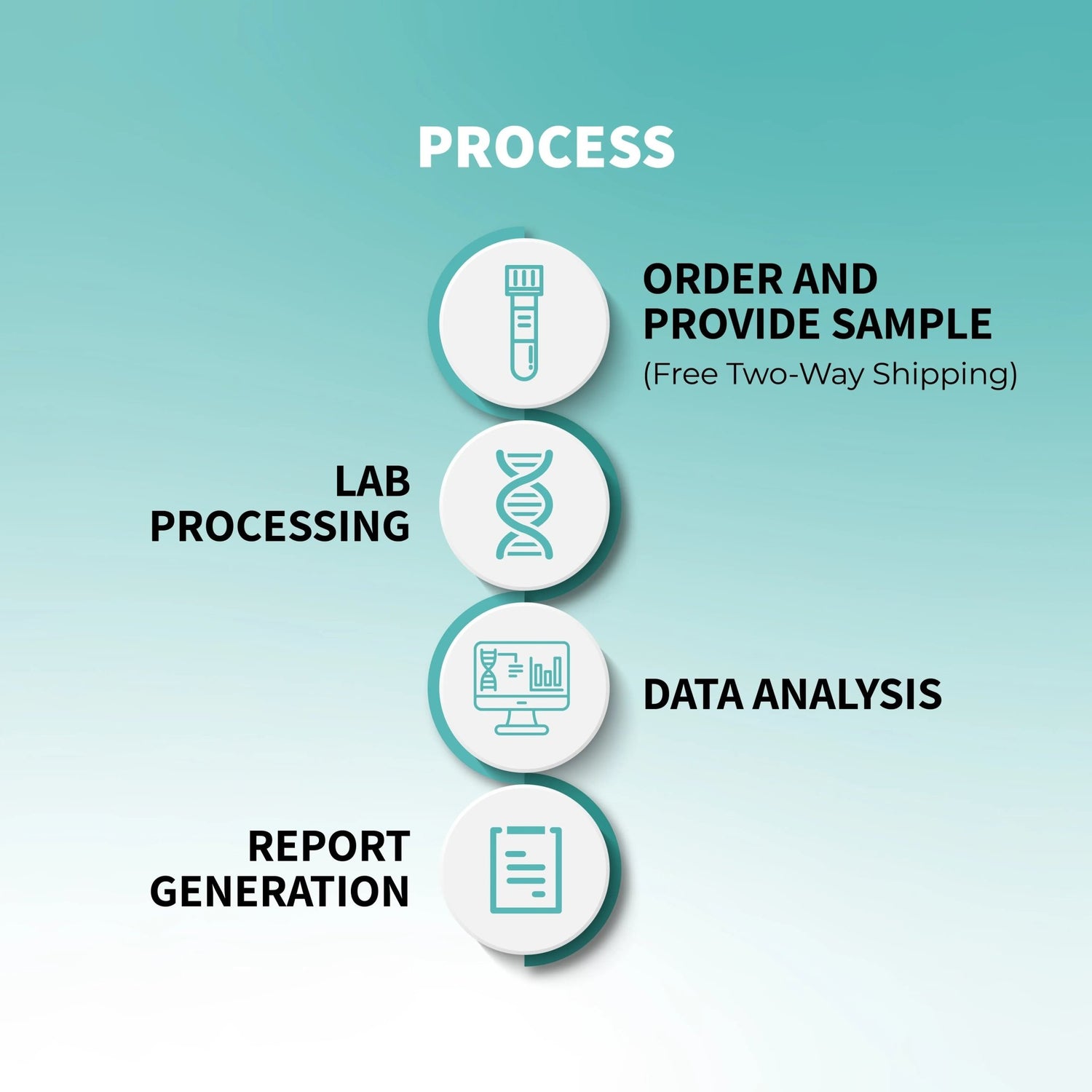
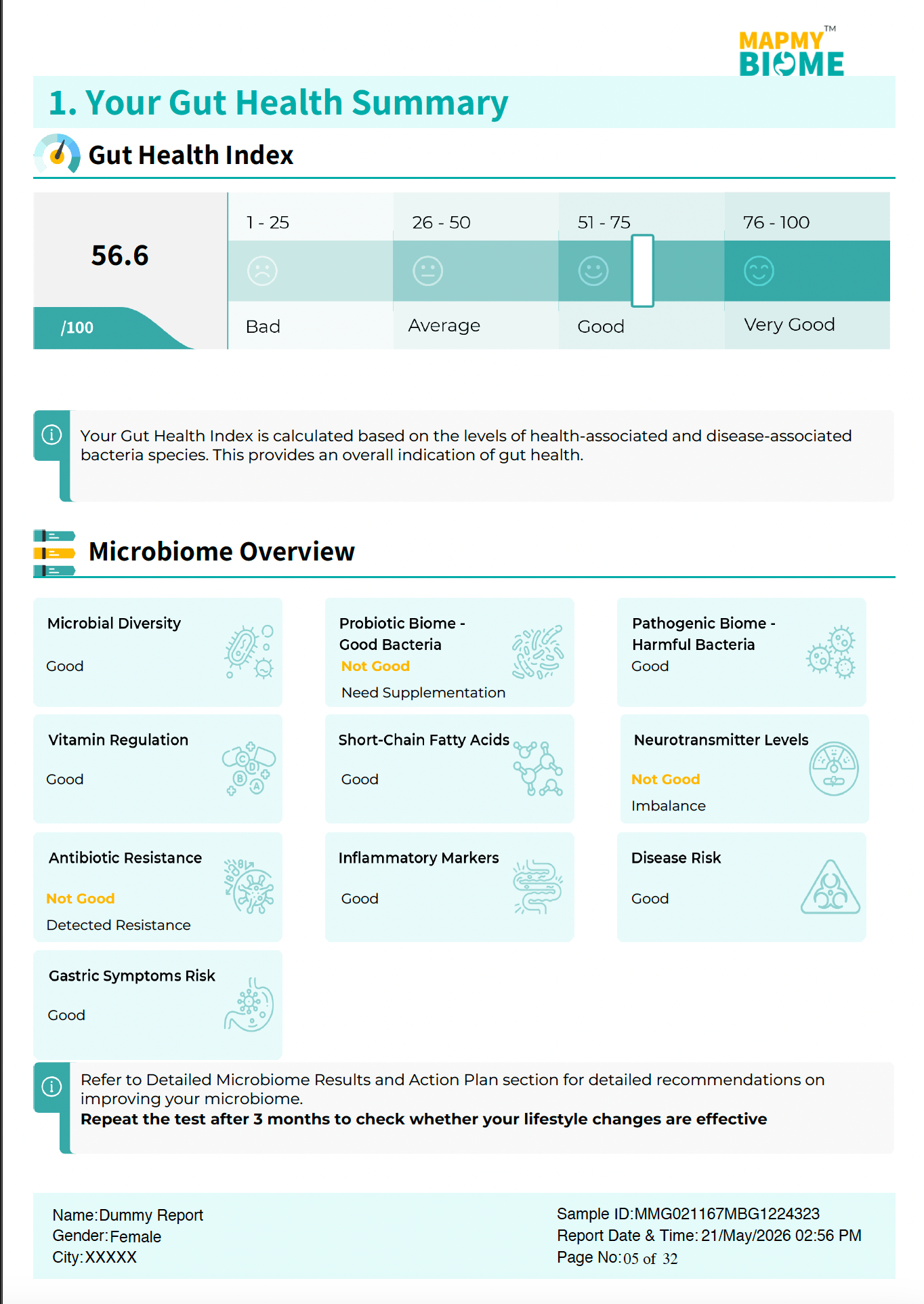
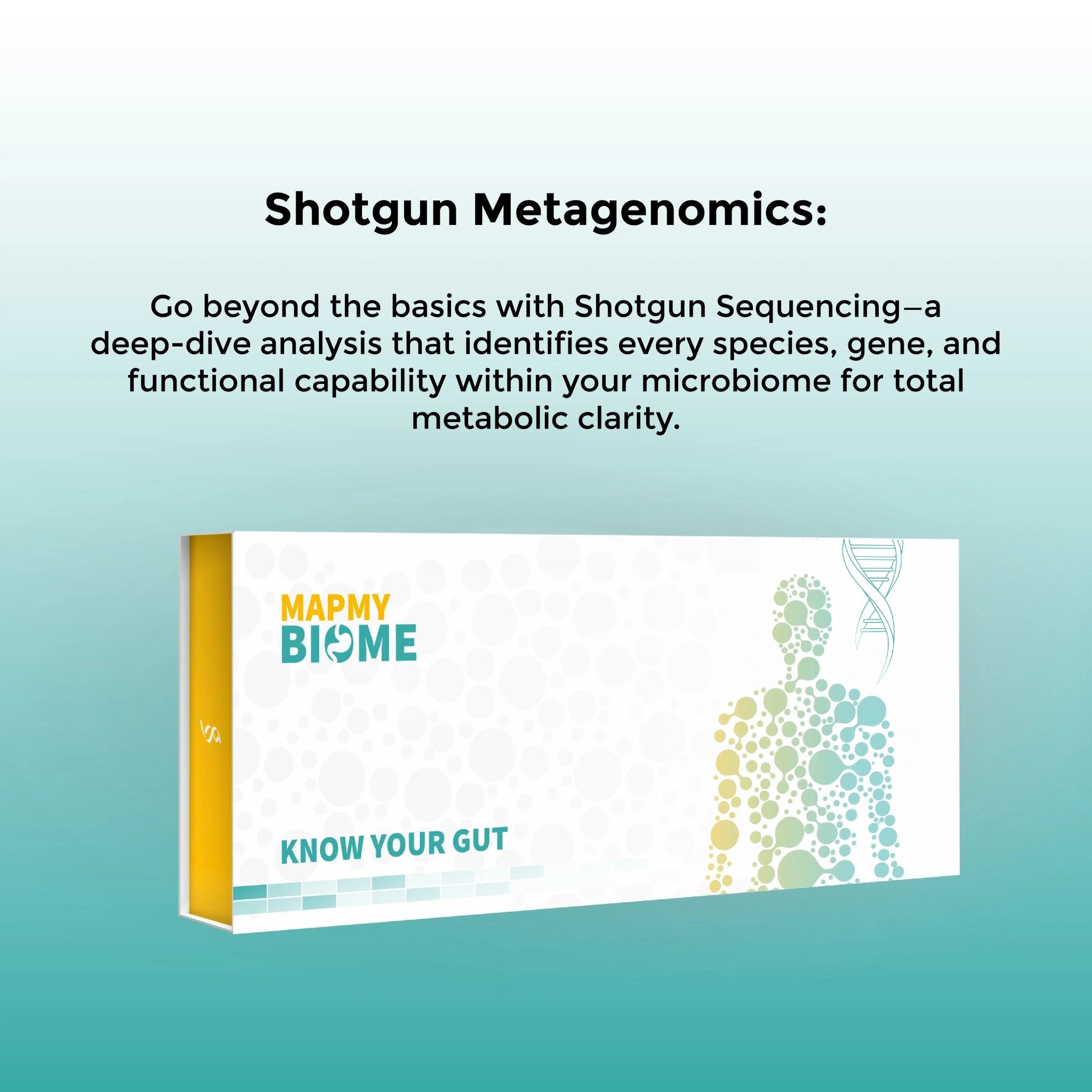
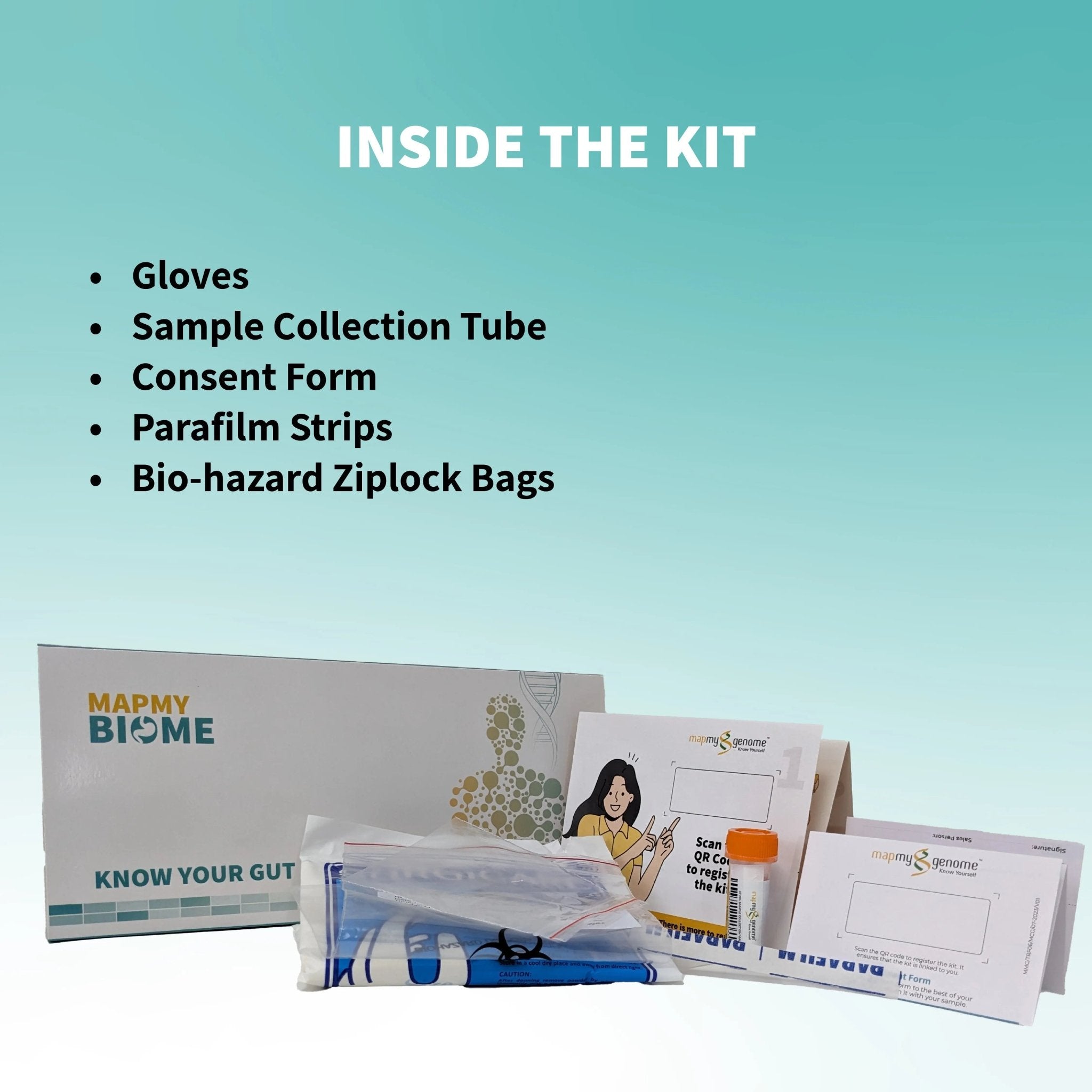
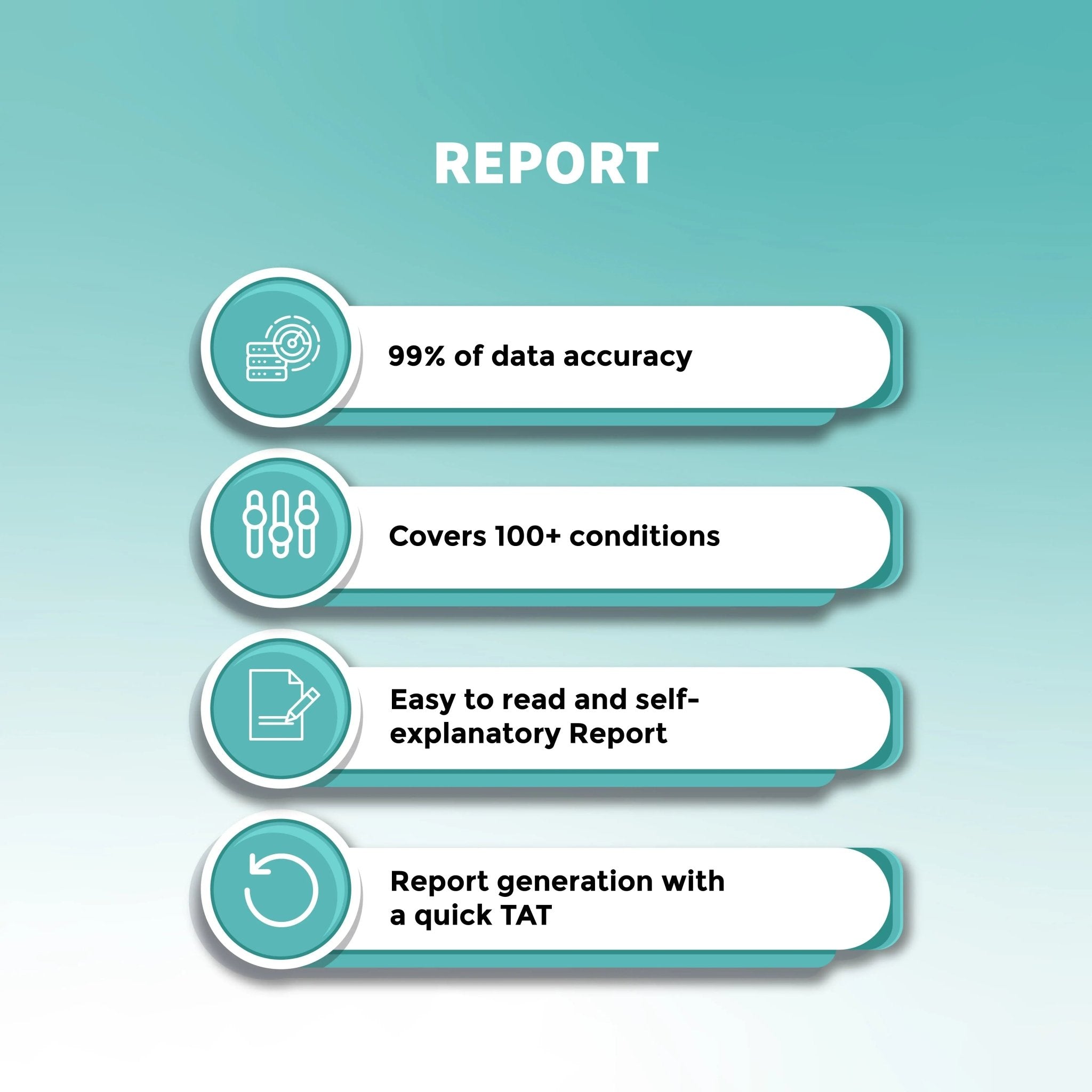
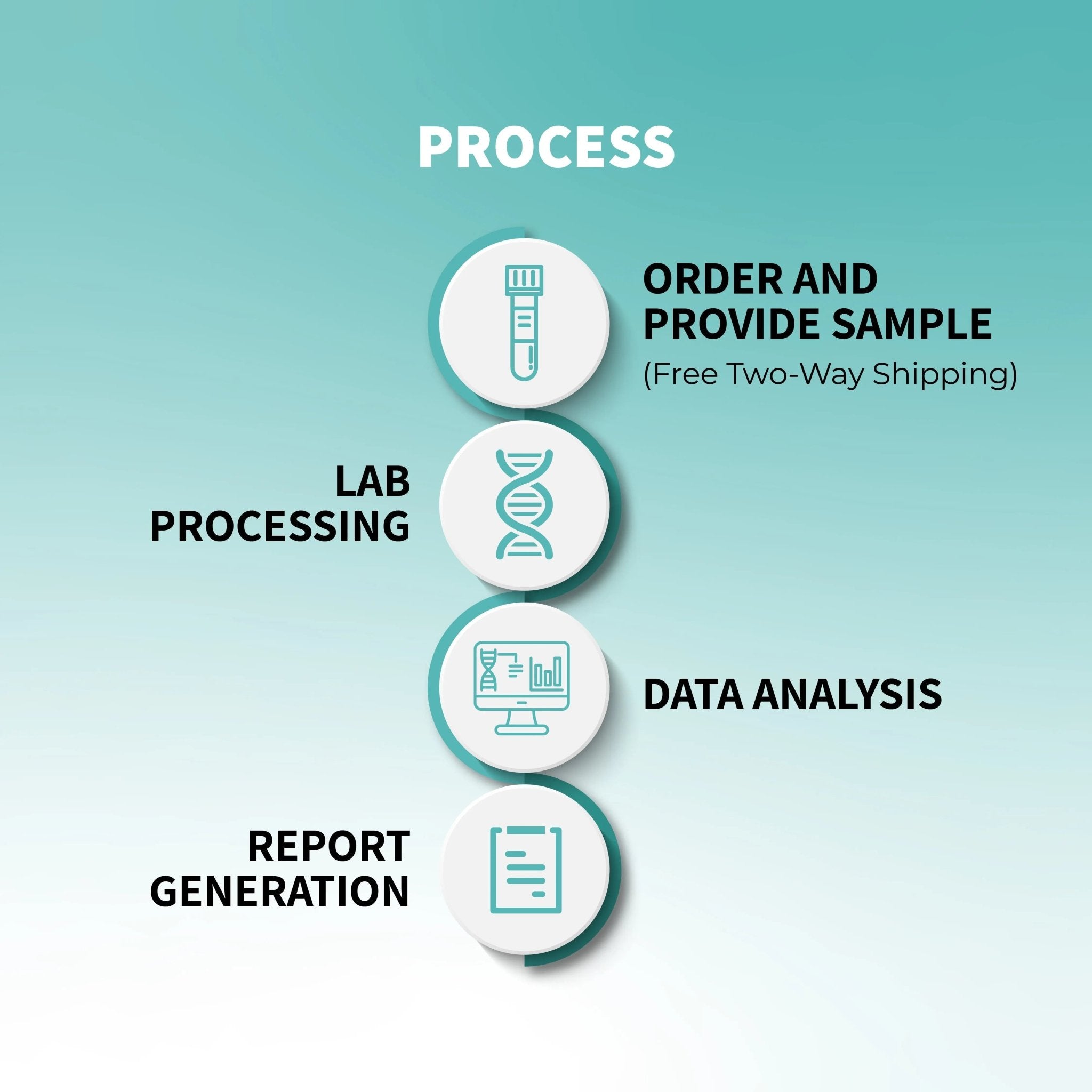
Understanding exactly what's living in your gut — and what's missing — is the most precise way to personalize your gut healing strategy. Advanced shotgun metagenomic sequencing identifies bacterial species and strains, functional genes, and metabolic activity, giving you a detailed map of your gut ecosystem and specific, actionable recommendations.
FAQs
Can leaky gut be healed?
Yes. With the right dietary and lifestyle changes, the gut lining can repair itself. The timeline varies depending on the severity of the damage and consistency of the intervention.
Is leaky gut a recognized medical diagnosis?
Intestinal permeability is a recognized physiological phenomenon studied in peer-reviewed research. "Leaky gut syndrome" as a clinical diagnosis is still debated, but the underlying mechanisms are well-established.
How long does it take to heal a leaky gut?
Most people notice improvements within 4–8 weeks of consistent dietary changes. Full microbiome restoration can take 3–6 months or longer.
Map Your Gut — Heal with Precision
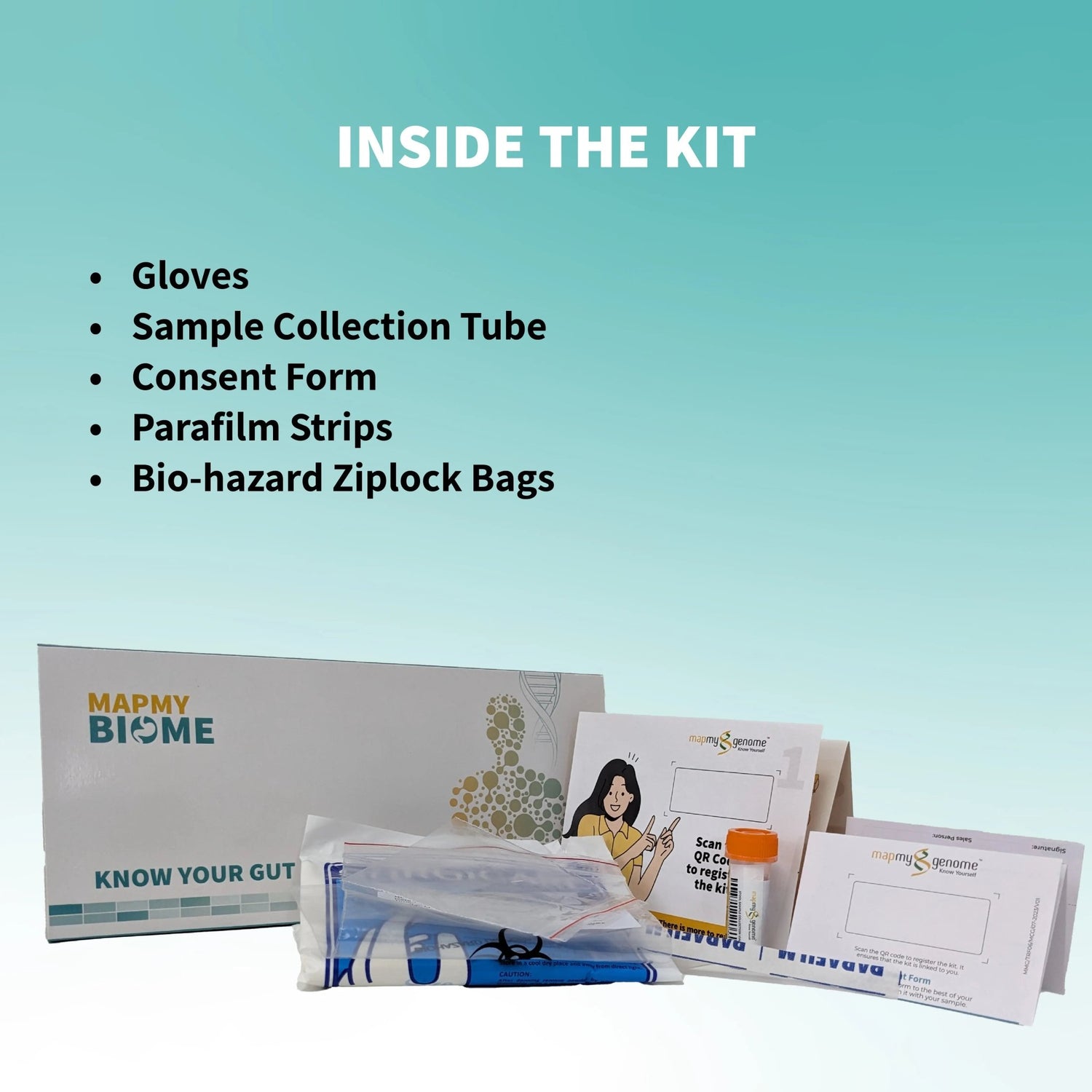
MapmyBiome uses advanced shotgun sequencing to identify exactly what's living in your gut — spotting imbalances, missing bacterial communities, and giving you personalised food, probiotic, and lifestyle recommendations to restore your gut lining and microbiome balance.