

You've just eaten a full meal, yet an hour later you're reaching for a snack. Or you're trying to lose weight but feel constantly ravenous despite eating less. The culprit is often not willpower — it's hormones. Your hunger and satiety are regulated by a complex network of hormones, and your genes play a significant role in how these hormones function.
The Key Hunger and Satiety Hormones
Ghrelin — The Hunger Hormone
Ghrelin is produced primarily in the stomach and signals hunger to the brain. Levels rise before meals and fall after eating. Ghrelin also promotes fat storage and influences reward-driven eating. Genetic variants in the GHRL gene affect baseline ghrelin levels and the magnitude of the post-meal ghrelin drop — influencing how quickly you feel hungry again after eating.
Leptin — The Satiety Hormone
Leptin is produced by fat cells and signals to the brain that you have sufficient energy stores. Higher body fat = more leptin = reduced appetite (in theory). In practice, many people develop leptin resistance — the brain stops responding to leptin signals despite high levels. Genetic variants in LEP (leptin gene) and LEPR (leptin receptor gene) affect leptin production and sensitivity.
Insulin
Insulin regulates blood glucose and also plays a role in appetite regulation. Insulin resistance — where cells don't respond normally to insulin — disrupts hunger signaling and promotes fat storage. Genetic variants affecting insulin sensitivity (TCF7L2, PPARG, IRS1) influence both metabolic health and appetite regulation.
GLP-1 (Glucagon-Like Peptide-1)
GLP-1 is released from the gut after eating and signals satiety to the brain, slows gastric emptying, and stimulates insulin secretion. GLP-1 receptor agonists (semaglutide, liraglutide) are now among the most effective weight loss medications available. Genetic variants in GLP1R affect the magnitude of the satiety response to GLP-1.
PYY (Peptide YY)
PYY is released from the gut after eating and reduces appetite. Protein and fat are particularly potent stimulators of PYY release — one reason high-protein diets are effective for appetite control.
CCK (Cholecystokinin)
CCK is released from the small intestine in response to fat and protein and signals satiety. It also stimulates bile and pancreatic enzyme release for digestion.
How to Influence Your Hunger Hormones
- Prioritize protein: Protein is the most satiating macronutrient, stimulating GLP-1, PYY, and CCK while suppressing ghrelin more effectively than carbohydrates or fat.
- Eat fiber-rich foods: Dietary fiber slows gastric emptying and feeds gut bacteria that produce short-chain fatty acids, which stimulate GLP-1 and PYY release.
- Get adequate sleep: Sleep deprivation increases ghrelin and decreases leptin — a hormonal recipe for overeating. Even one night of poor sleep significantly increases hunger the next day.
- Manage stress: Chronic stress elevates cortisol, which increases ghrelin and promotes abdominal fat storage.
- Exercise regularly: Regular exercise improves leptin sensitivity and modulates ghrelin levels.
- Eat mindfully and slowly: Satiety hormones take 15–20 minutes to signal fullness to the brain. Eating slowly allows these signals to register before you've overeaten.
FAQs
Why do some people feel hungry all the time even when eating enough?
Persistent hunger despite adequate food intake is often related to leptin resistance, insulin resistance, poor sleep, high stress, or genetic variants affecting hunger hormone function. Understanding your genetic predispositions can help identify the root cause.
Can genetic testing help with weight management?
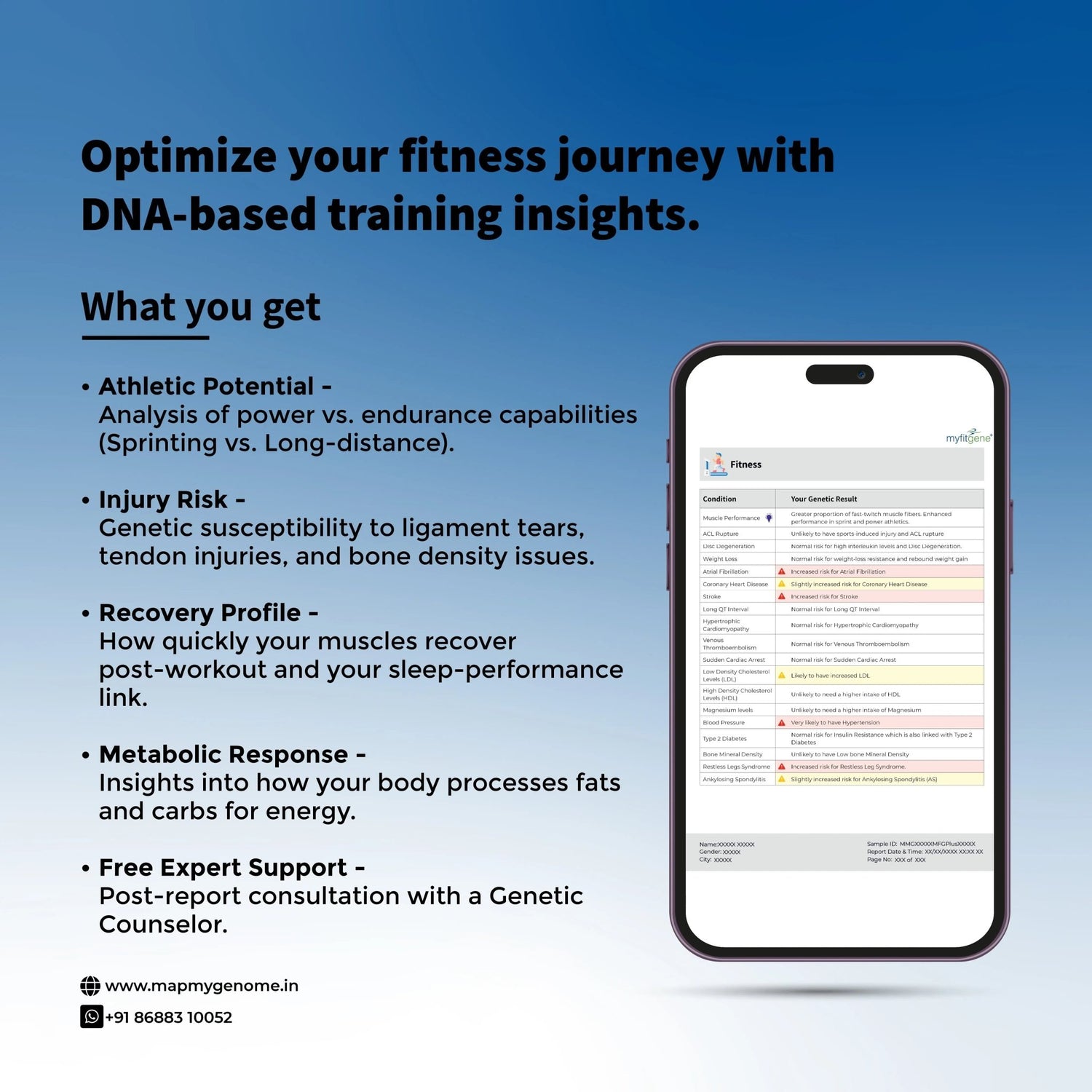
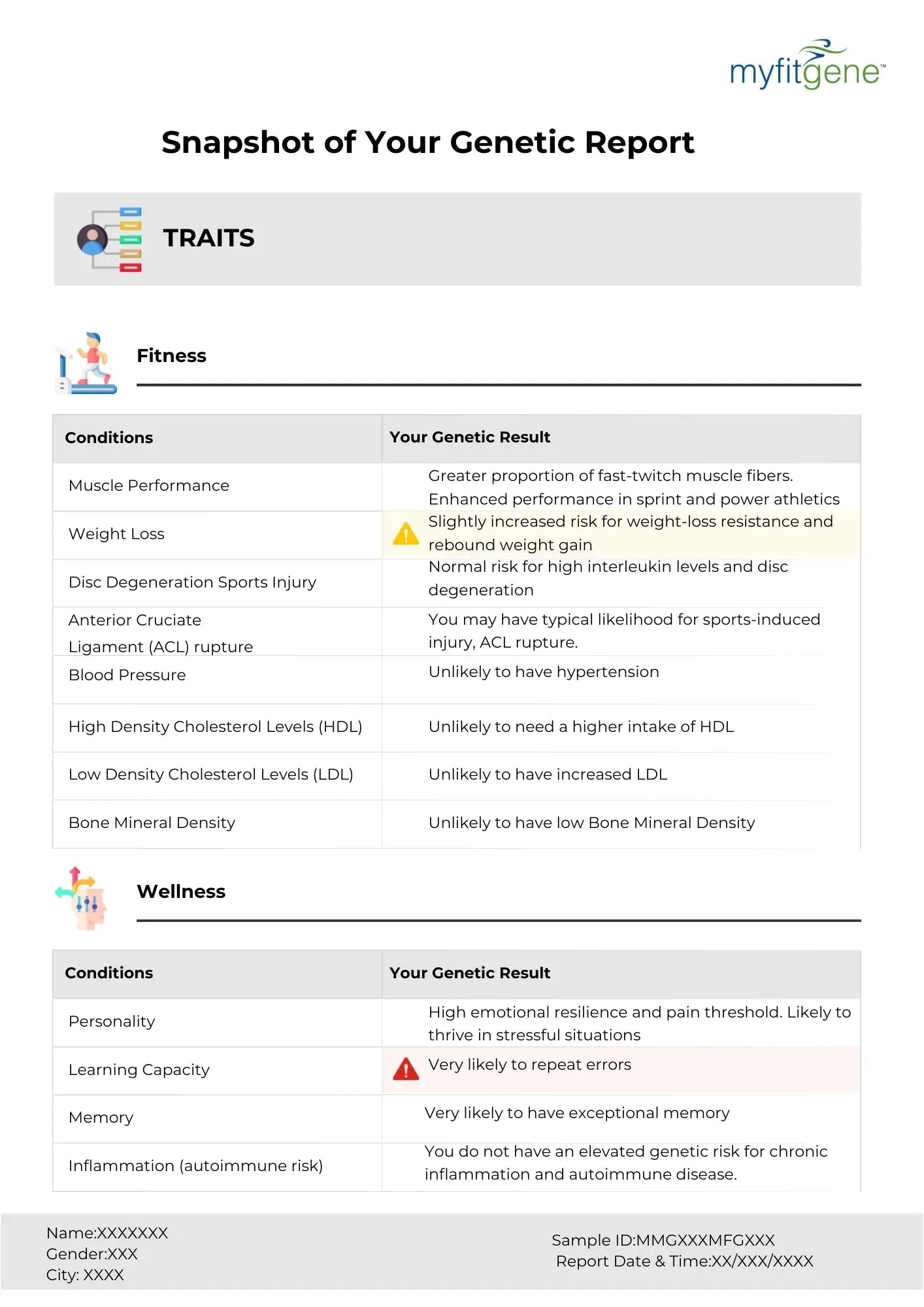
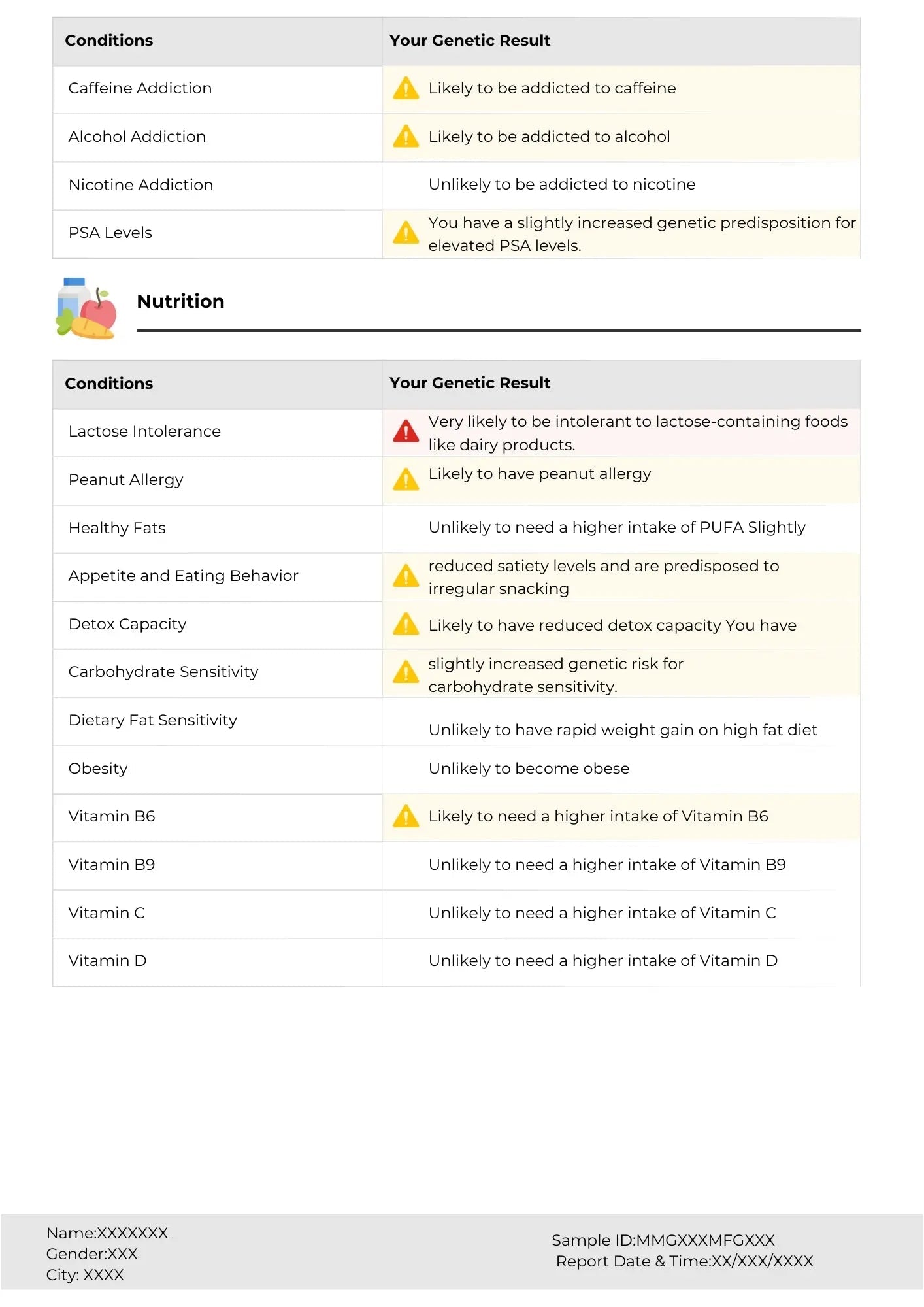
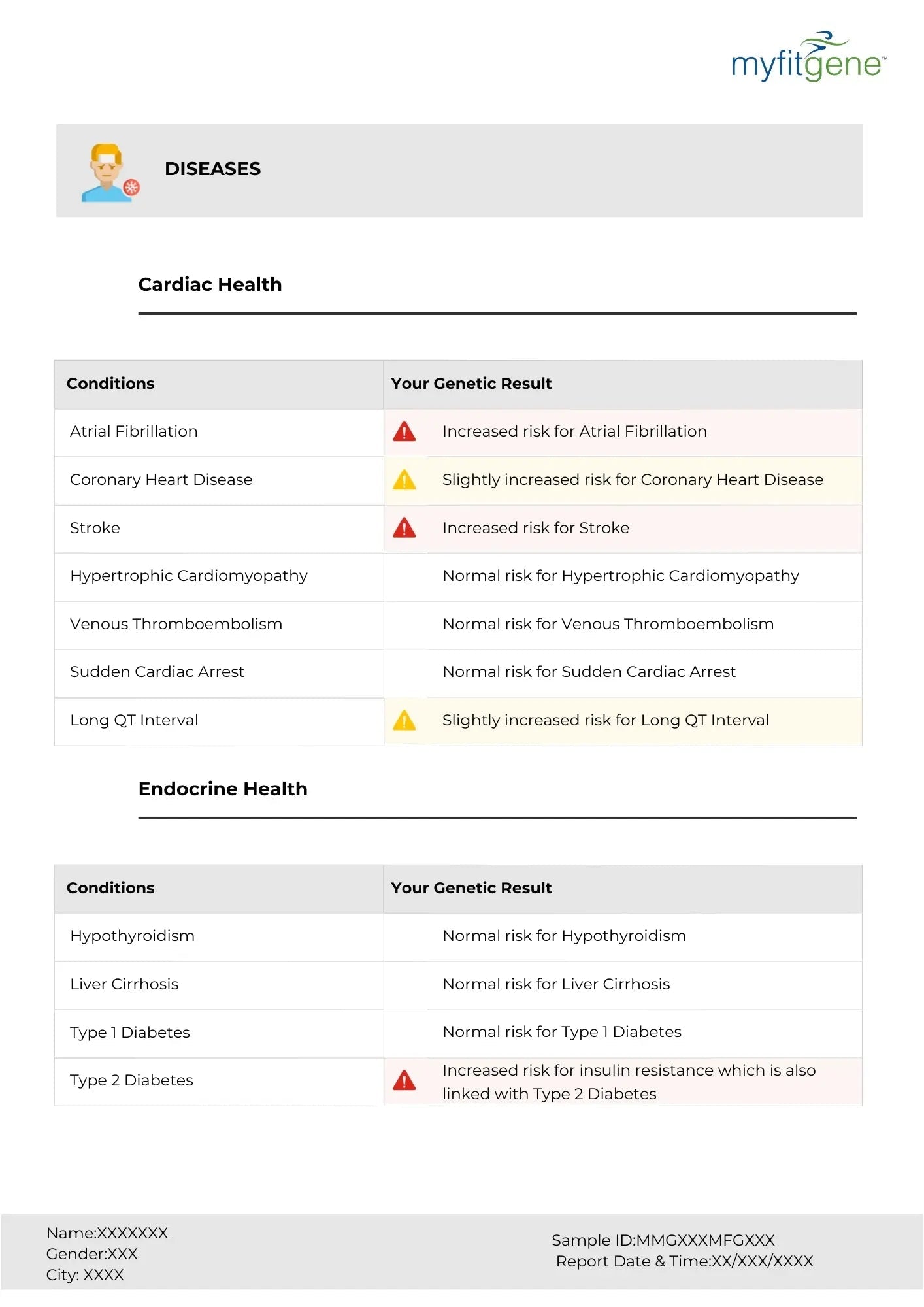
Yes. Genetic testing can identify variants affecting your hunger hormone sensitivity, metabolic rate, and response to different dietary approaches — allowing you to build a weight management strategy that works with your biology rather than against it.
Understand Your Genetic Appetite and Metabolism Profile
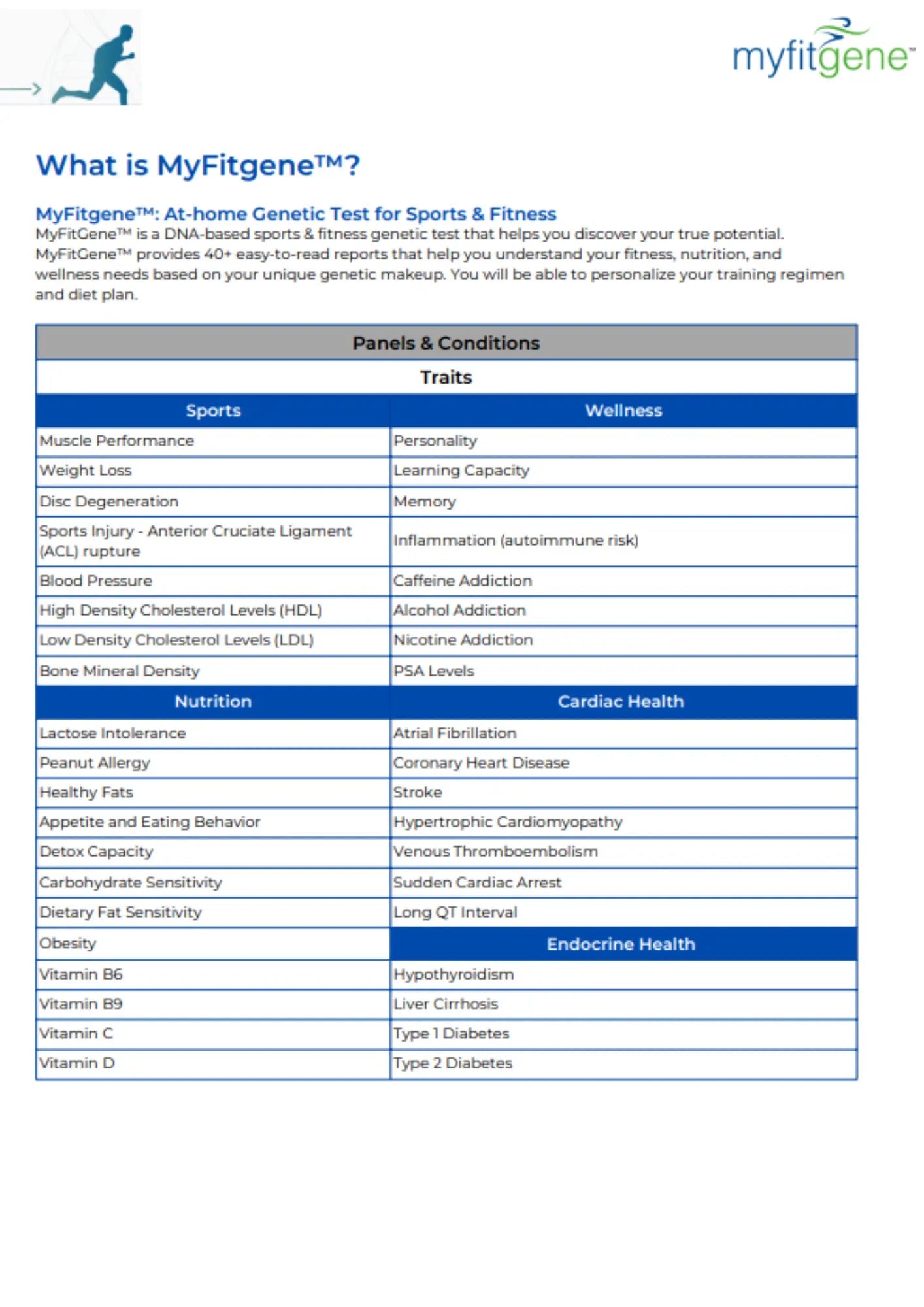
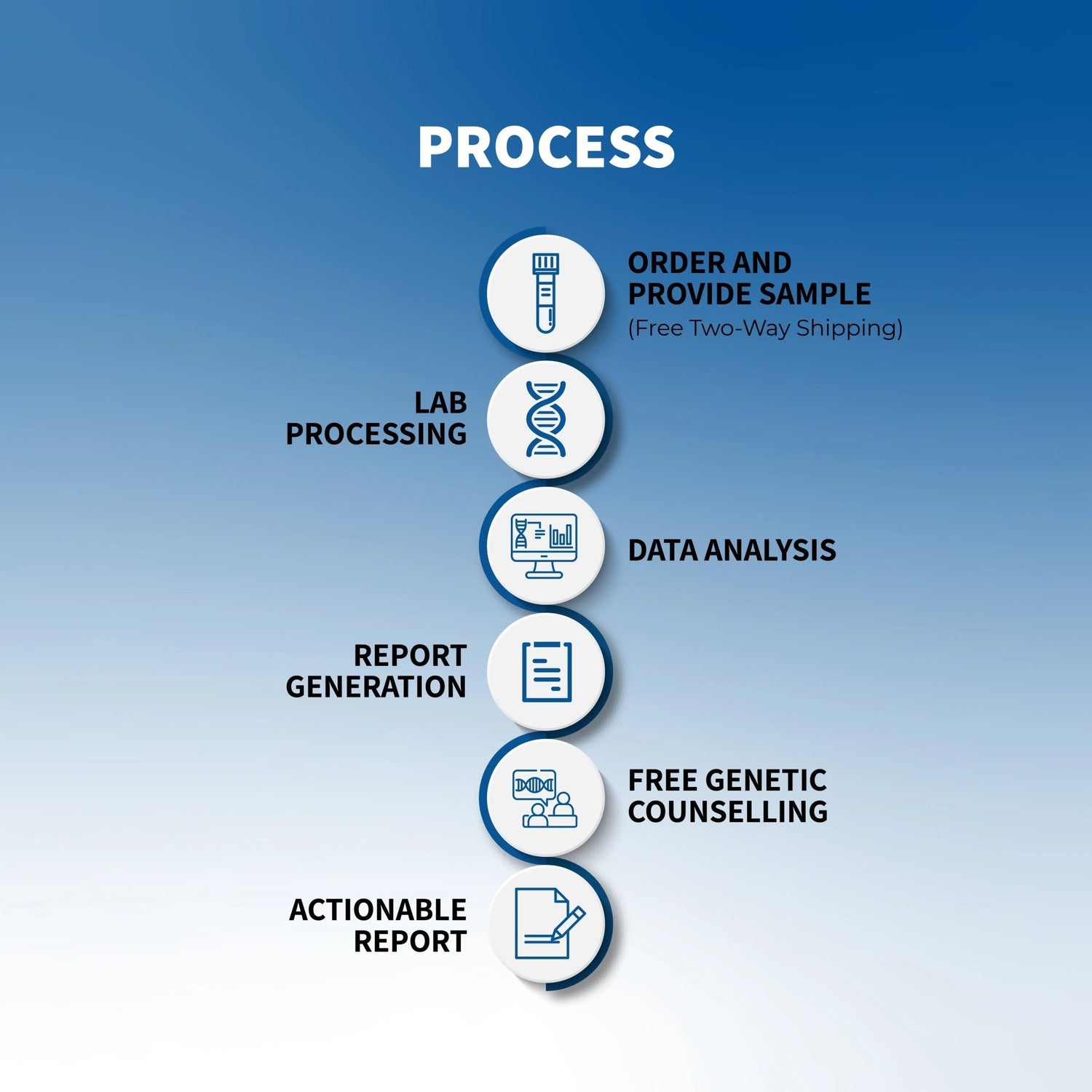
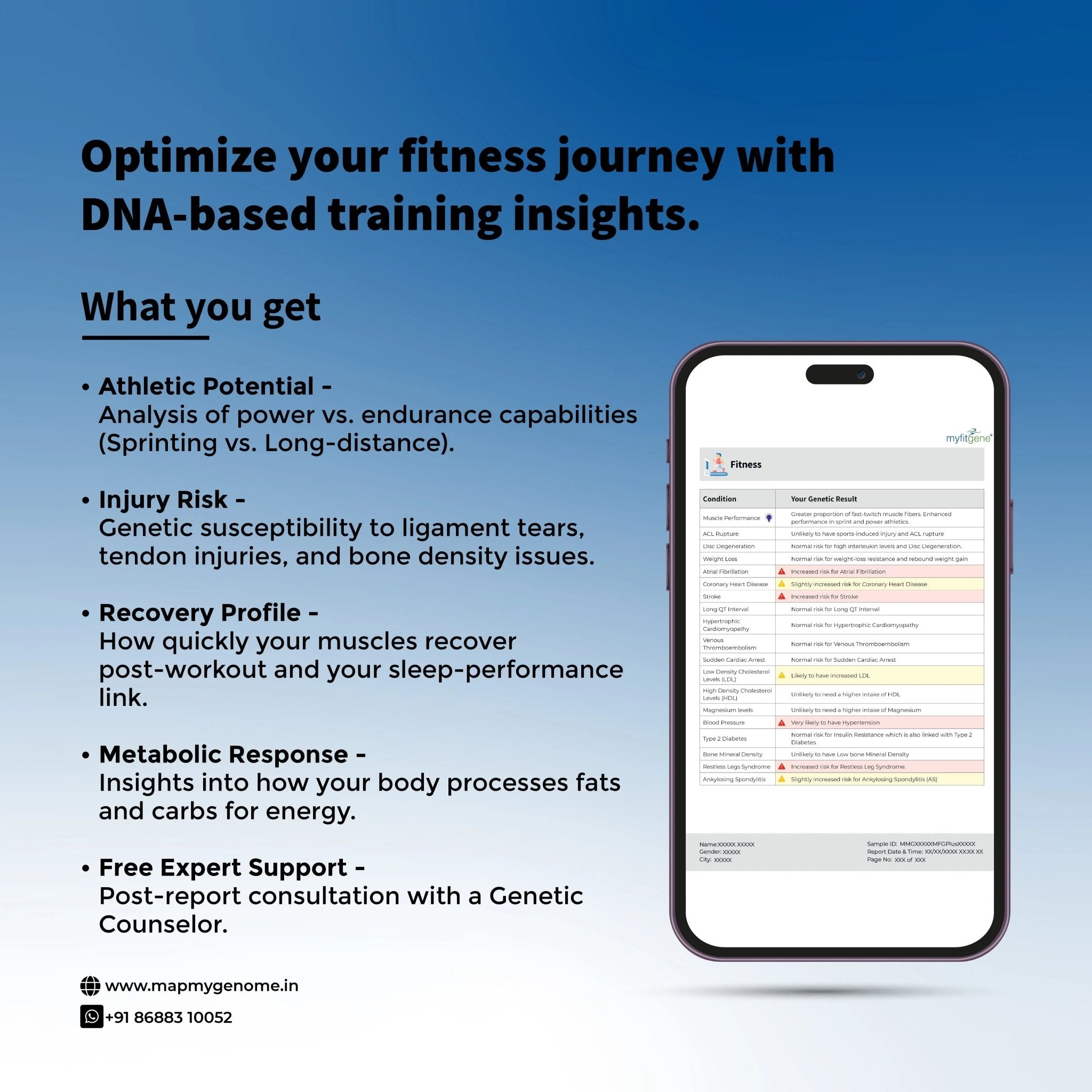
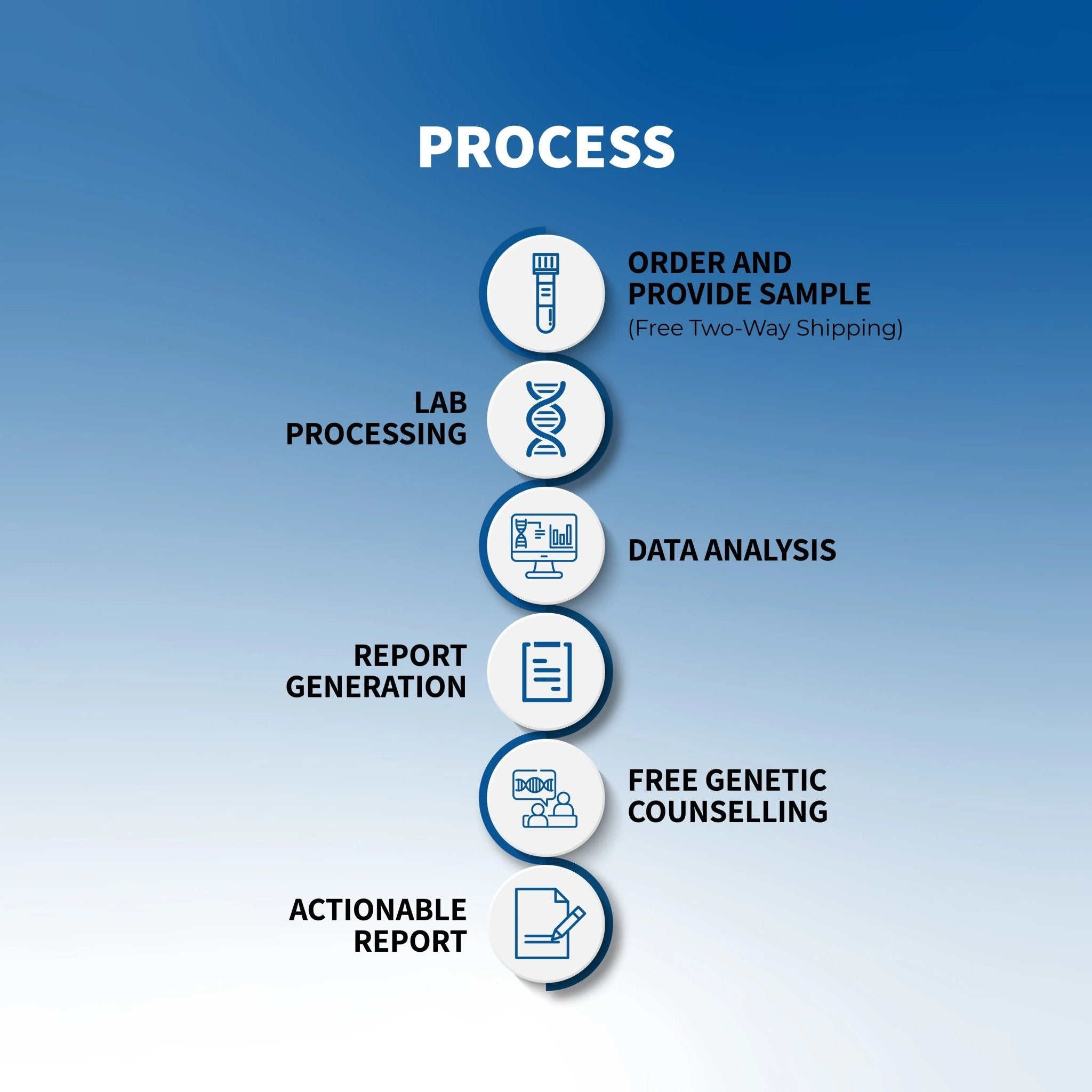
Genomepatri and MyFitGene by MapmyGenome include genetic insights into your appetite regulation, metabolic rate, and response to different dietary approaches — giving you the personalized blueprint to manage your weight more effectively.