

Lifestyle Disorders: Dyslipidemia
Dyslipidemia is the presence of unusual amounts of lipids (cholesterol, triglycerides, or fat phospholipids) in the bloodstream. It is a major risk factor for heart diseases like coronary artery disease and stroke. In India, cholesterol levels are high in 25–30% of urban and 15–20% of the rural population.
Common Forms
High levels of LDL (“bad”) cholesterol — leads to accumulation of fats in the arteries
Low levels of HDL (“good”) cholesterol — reduces the body’s ability to remove LDL from the blood
High levels of triglycerides
Do Genes Have Anything to Do with It?
HDL Cholesterol — genetic variation in LPL, NUTF2, CETP, and LIPG genes all influence HDL levels and lipid metabolism
LDL Cholesterol — the Apolipoprotein family of genes (APOB, APOC1) and LDLR variants influence LDL concentration in the body
Triglyceride Levels — variants near MLXIP, GALNT2, and the APOA5-A4-C3-A1 gene complex are associated with elevated triglyceride levels
Fat Sensitivity — PPARG gene variation affects sensitivity to dietary fat, caloric intake/expenditure, and adipose metabolism
Managing Dyslipidemia — Diet and Lifestyle
Regular exercise and maintaining a healthy weight
Decrease in consumption of concentrated sugars and alcohol
Foods like whole egg, spinach, avocado, and apple can have positive effects
Smoking cessation and management of hypertension and diabetes
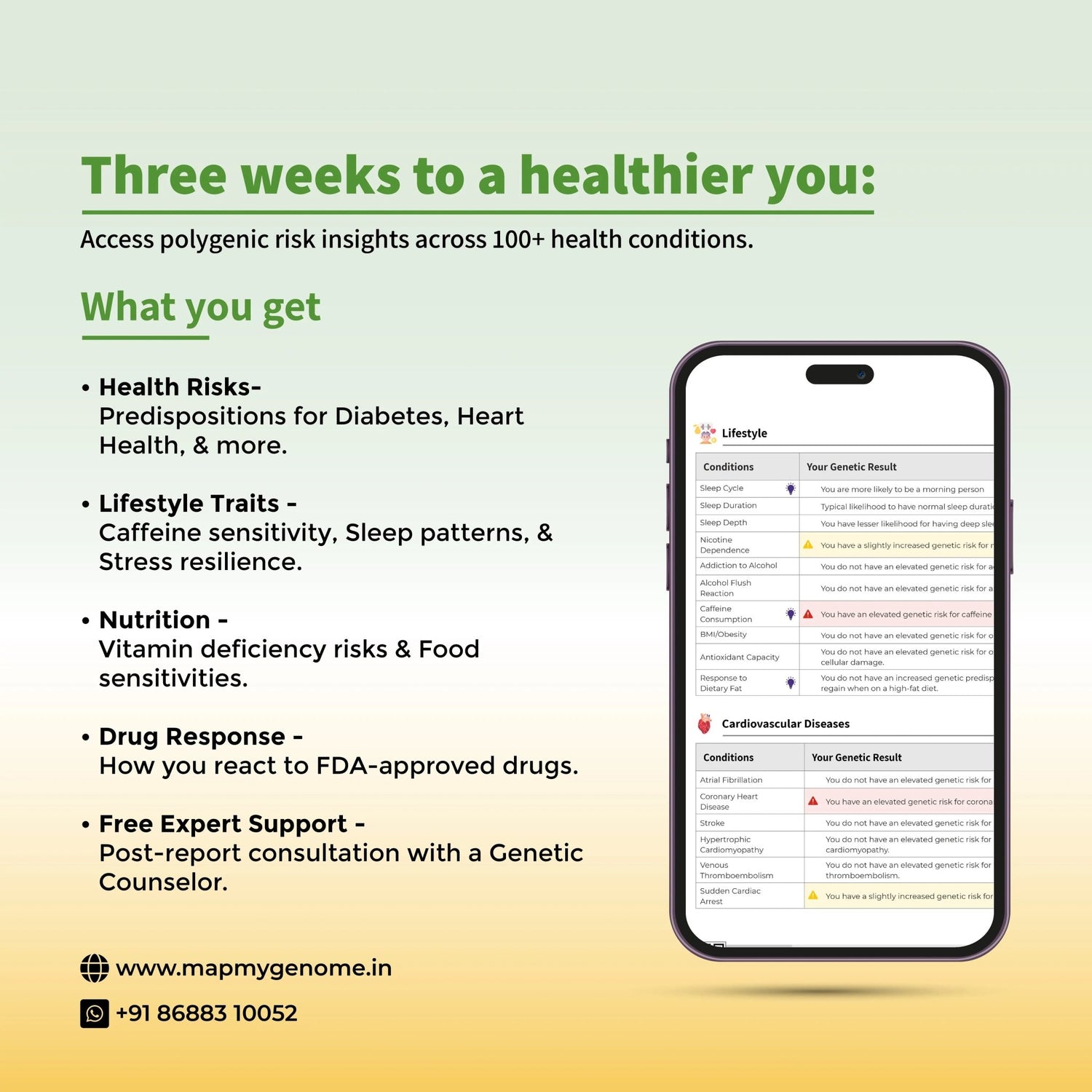
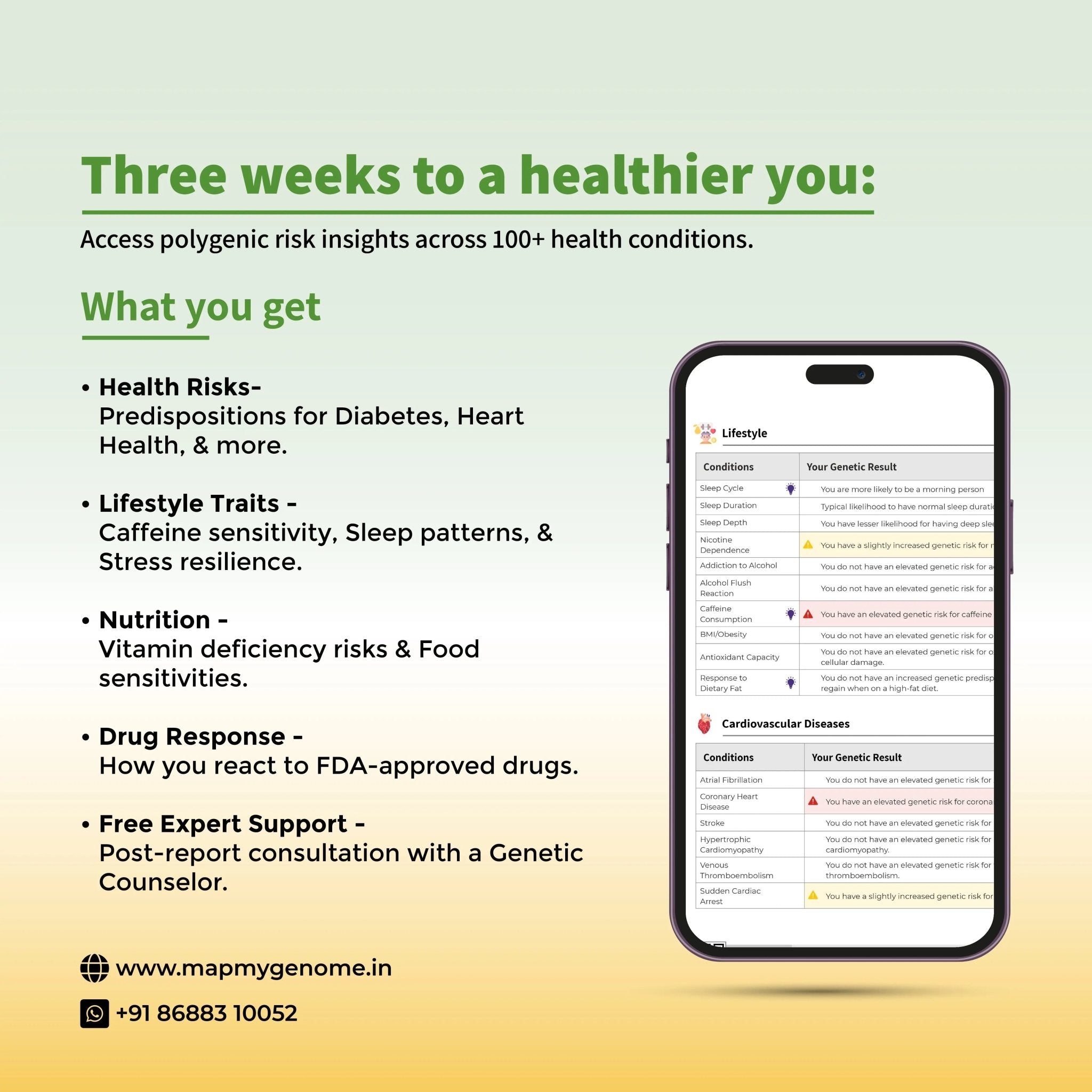
Know Your Genetic Cholesterol and Heart Risk Profile
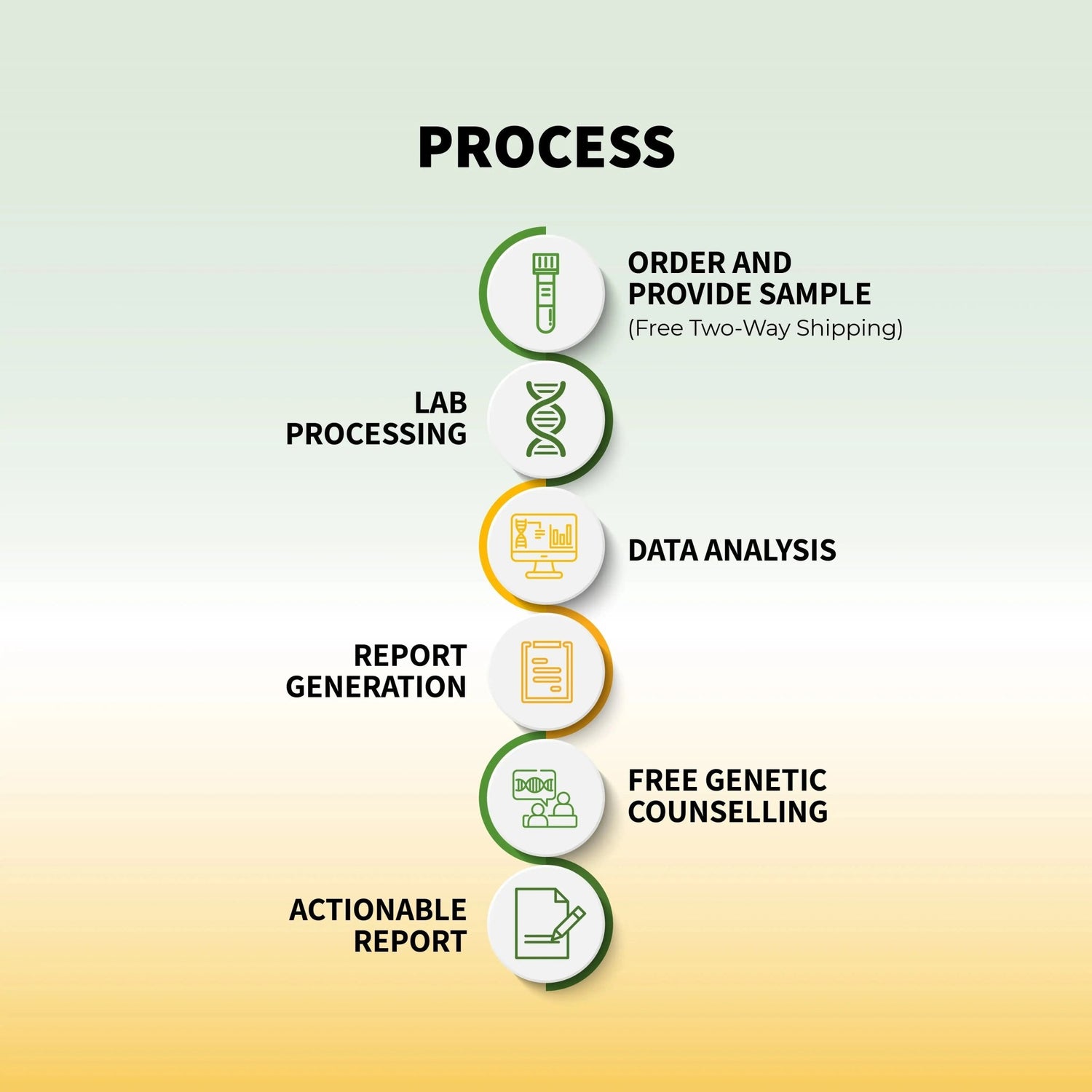
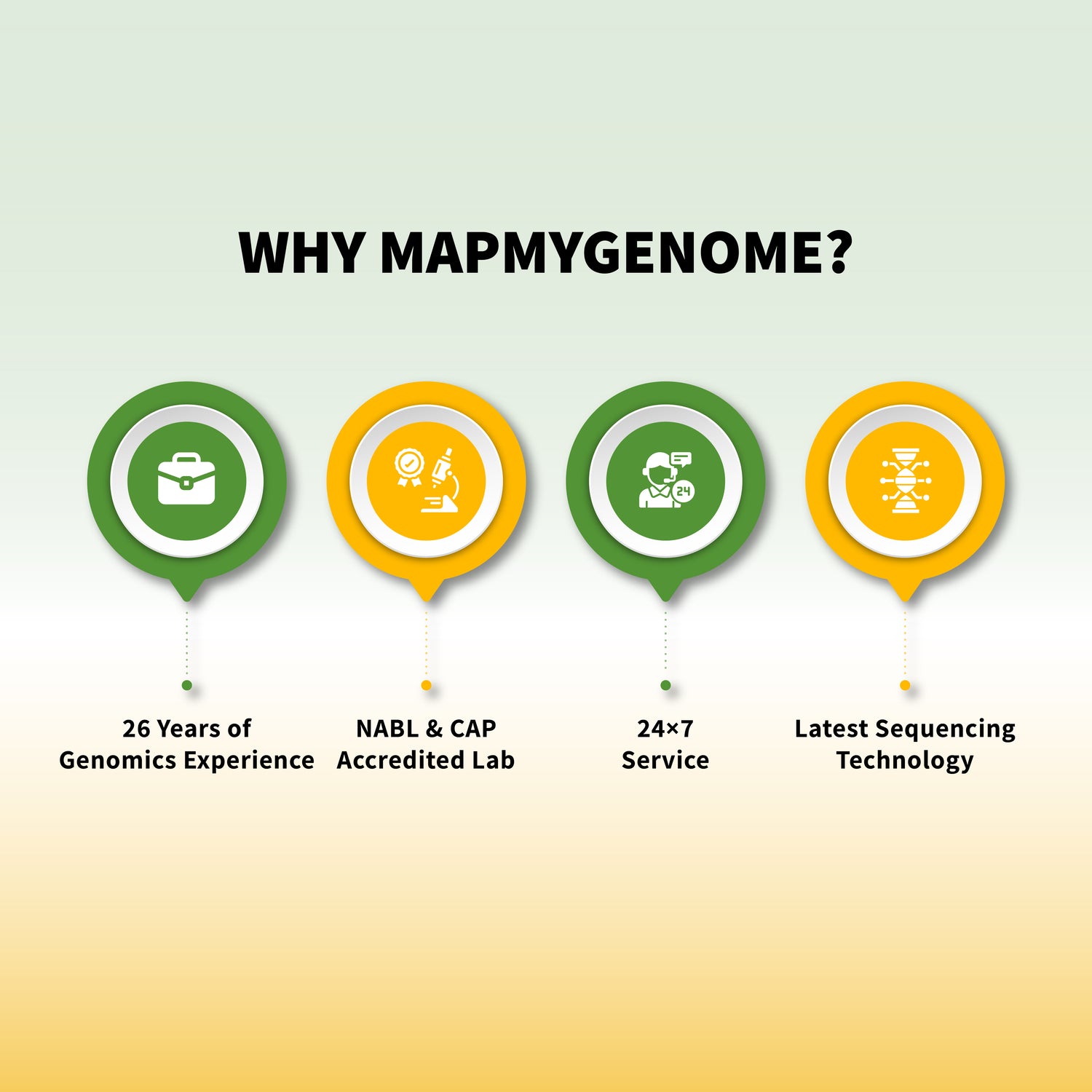
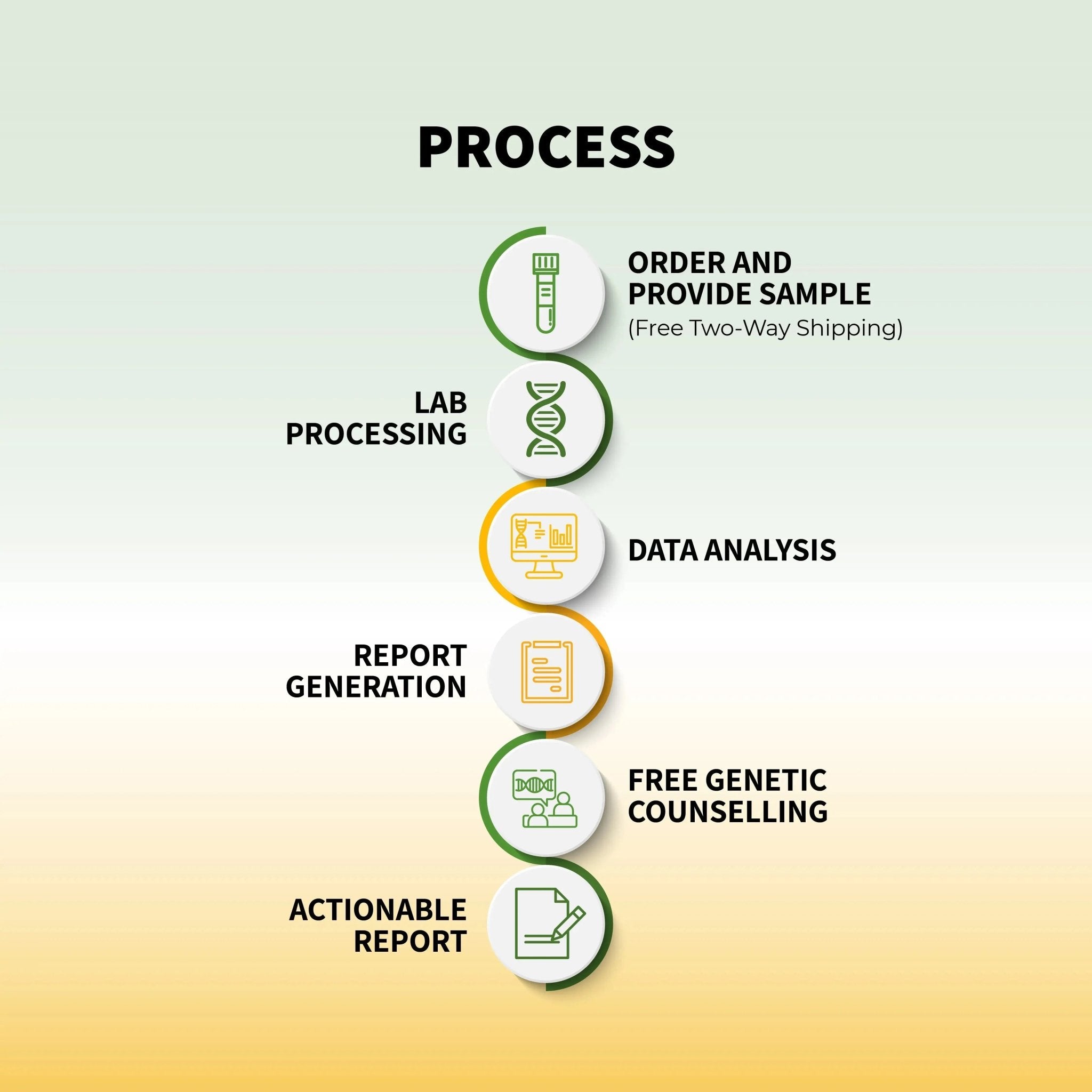
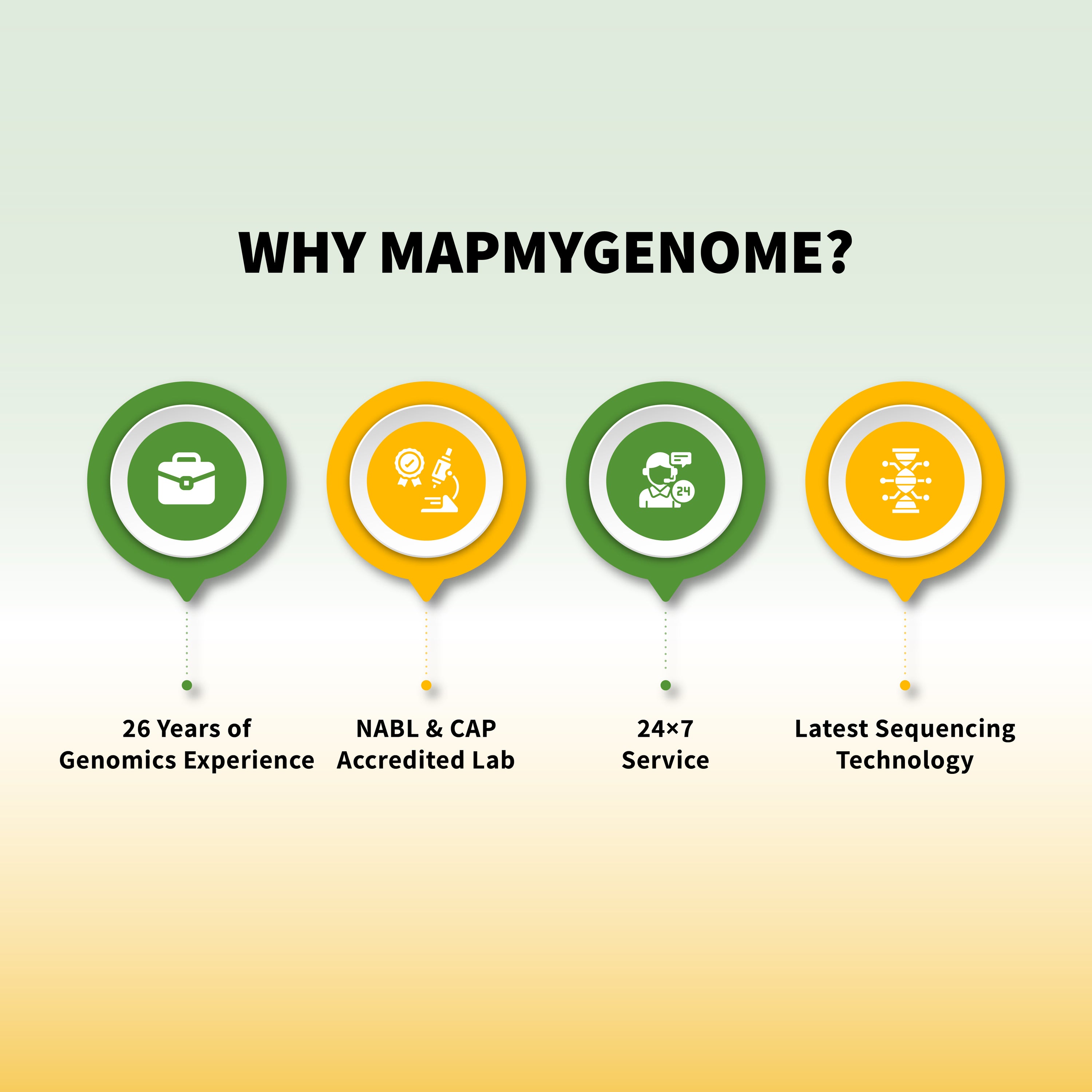
Genomepatri by MapmyGenome assesses your genetic predisposition to dyslipidemia, cardiovascular disease, and 100+ other health conditions. Cardiomap offers a comprehensive hereditary cardiovascular risk panel. Both include certified genetic counselling.