

Sports Genomics: Is There a Sports Gene? (Part 1 of 3)
A senior analyst at our company had never really run a real race, never trained for a marathon — but there she was at the start line of the Airtel Hyderabad 10K run, stretching out her muscles, calming her nerves. She ended up not just exceeding her own expectations, but outperforming older and even seasoned runners. Turns out she had something special: a biological advantage.
The same was true for Caitlin Gregg, who ran her first race at age 14 and conquered Vermont’s Mad River Glen endurance event — navigating a 2,000-foot vertical climb with no trail or markings, finishing ahead of elite athletes. Fast forward 20 years: a 4-time NCAA All American running champion, an Olympian, and a 2015 World Championship bronze medallist in cross-country skiing.
What Is Sports Genomics?
Sports genomics demystifies the link between athletic performance and genetics. It starts with a single gene — one out of ~25,000 present in the ~30 trillion cells in our body. One variation out of 3 × 10⁶ variations in your DNA that can spell out something absolutely incredible.
When scientists investigated the varying levels of athletic prowess across players, they looked into their “source code” — DNA. We now have answers to questions like:
What makes an athlete great?
Are the world’s greatest athletes born that way, or do they build something that was never there before?
Is there a sports gene?
Mutations are nature’s way of adding new variants to the gene pool. Most are silent. But within that assembly, a few express themselves in extraordinary ways — including athletic ability. Elite athletes train every day, hour after hour, but they also reap a phenomenal response from it: killer build, elite fitness levels, and a shining career. Their DNA is part of why.
Watch this space for Part 2 — where we reveal the specific genes behind athletic performance.
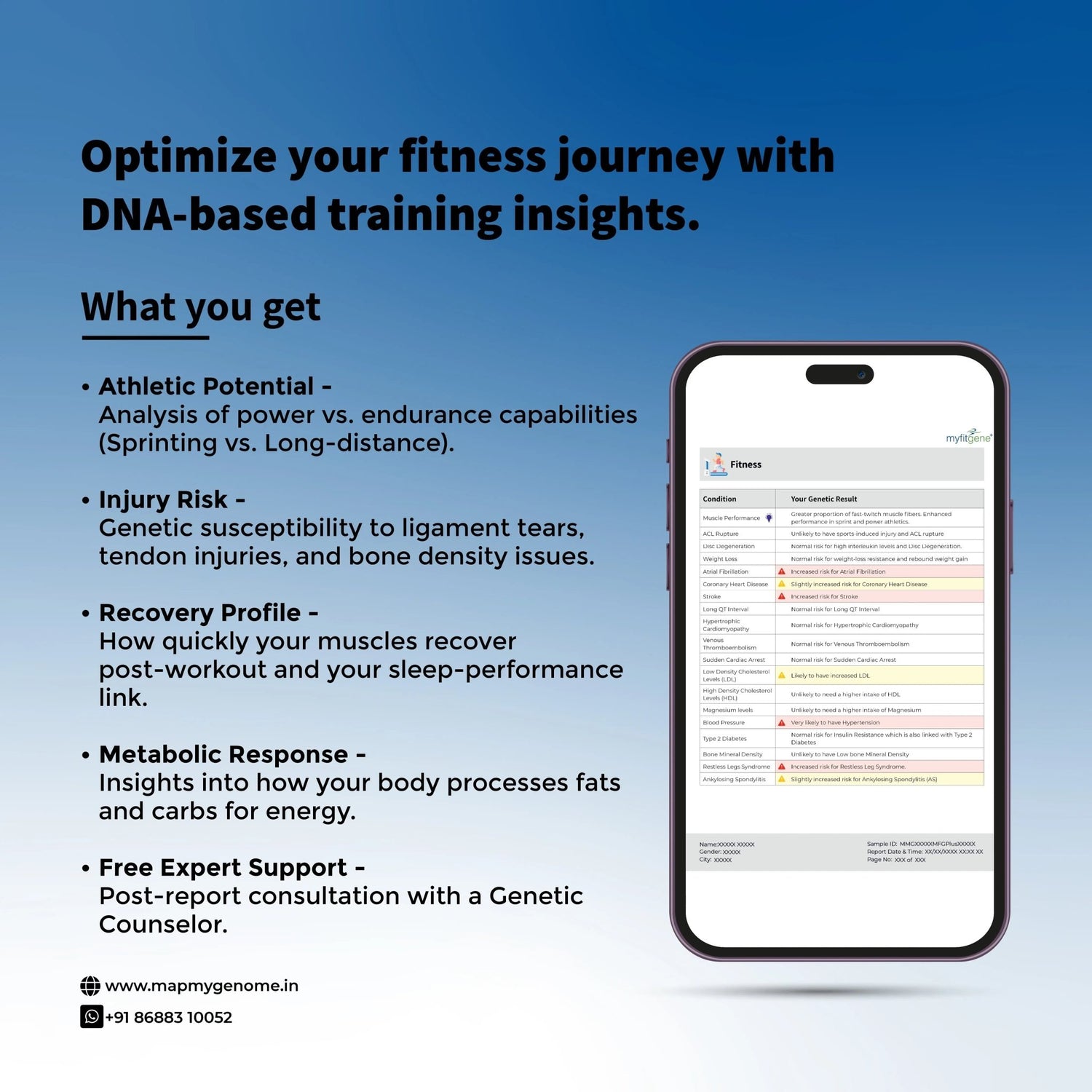
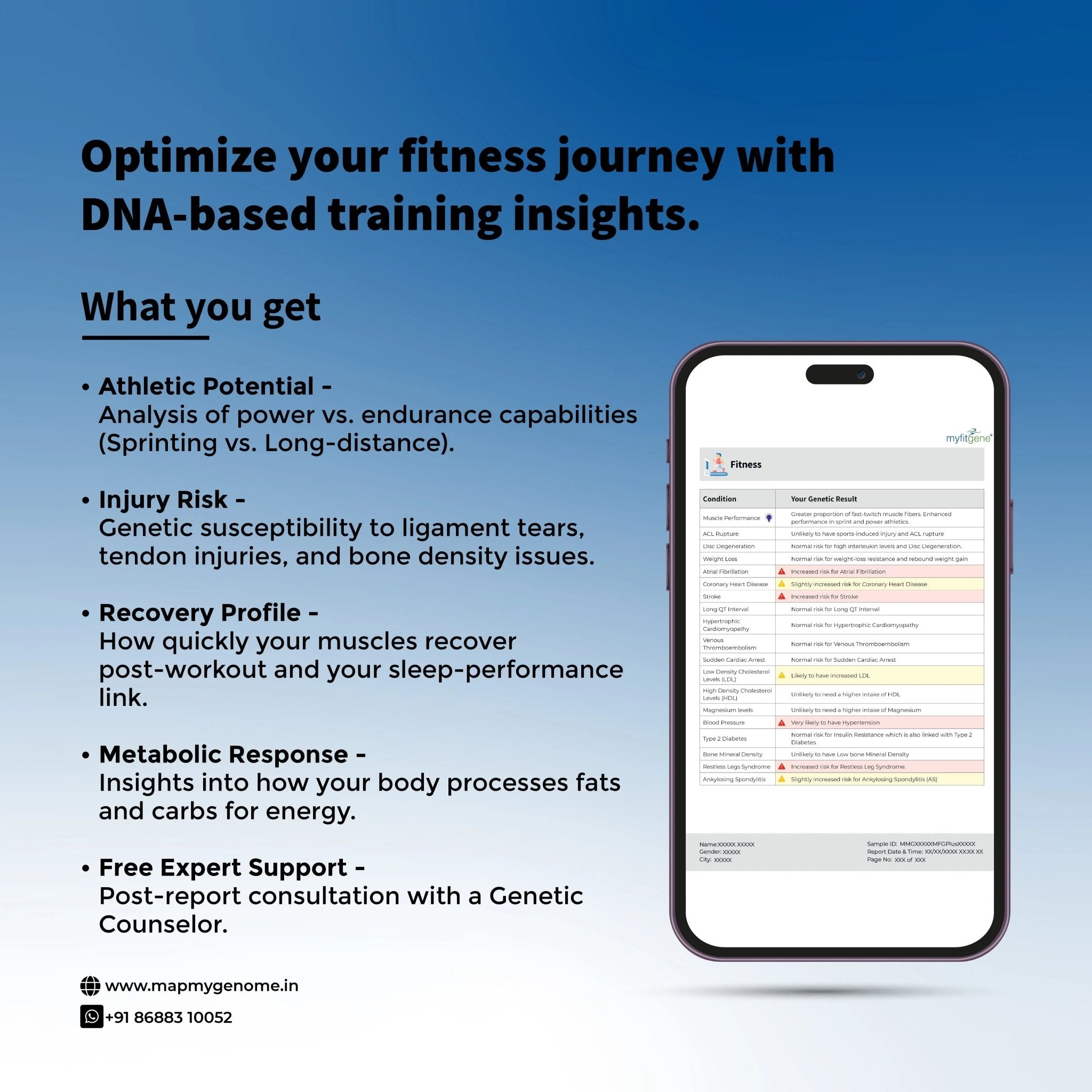
Discover Your Athletic Genetic Profile
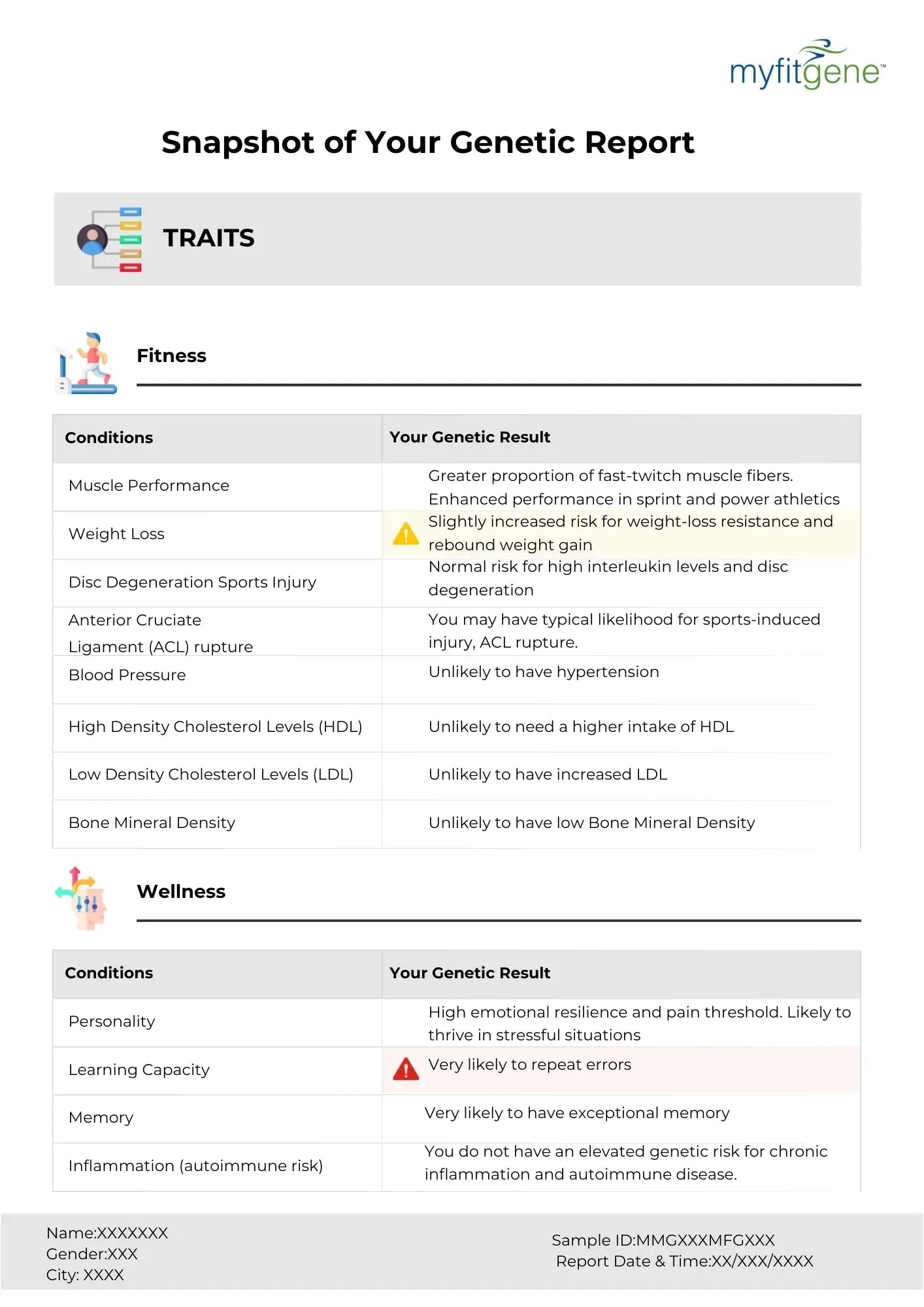
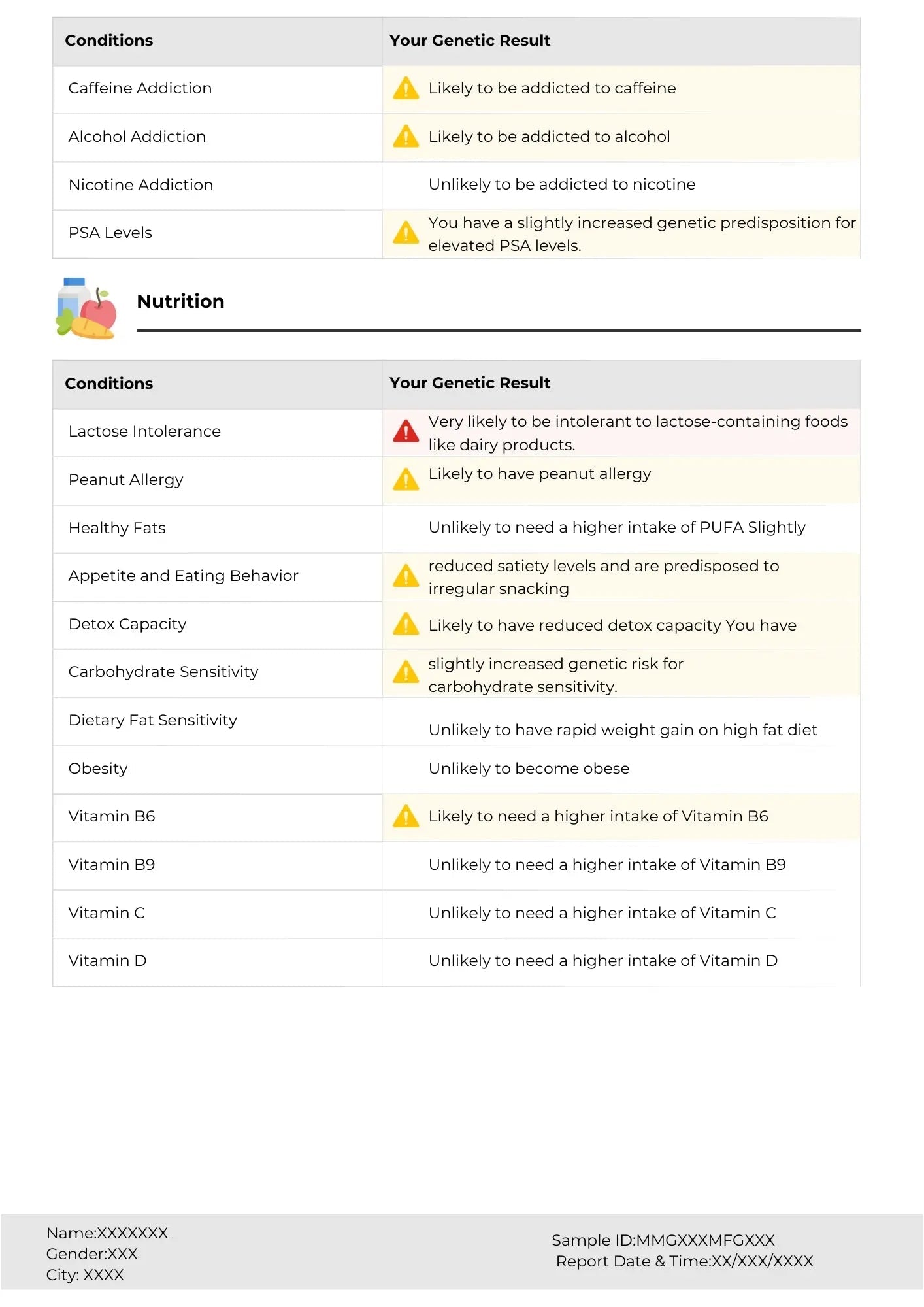
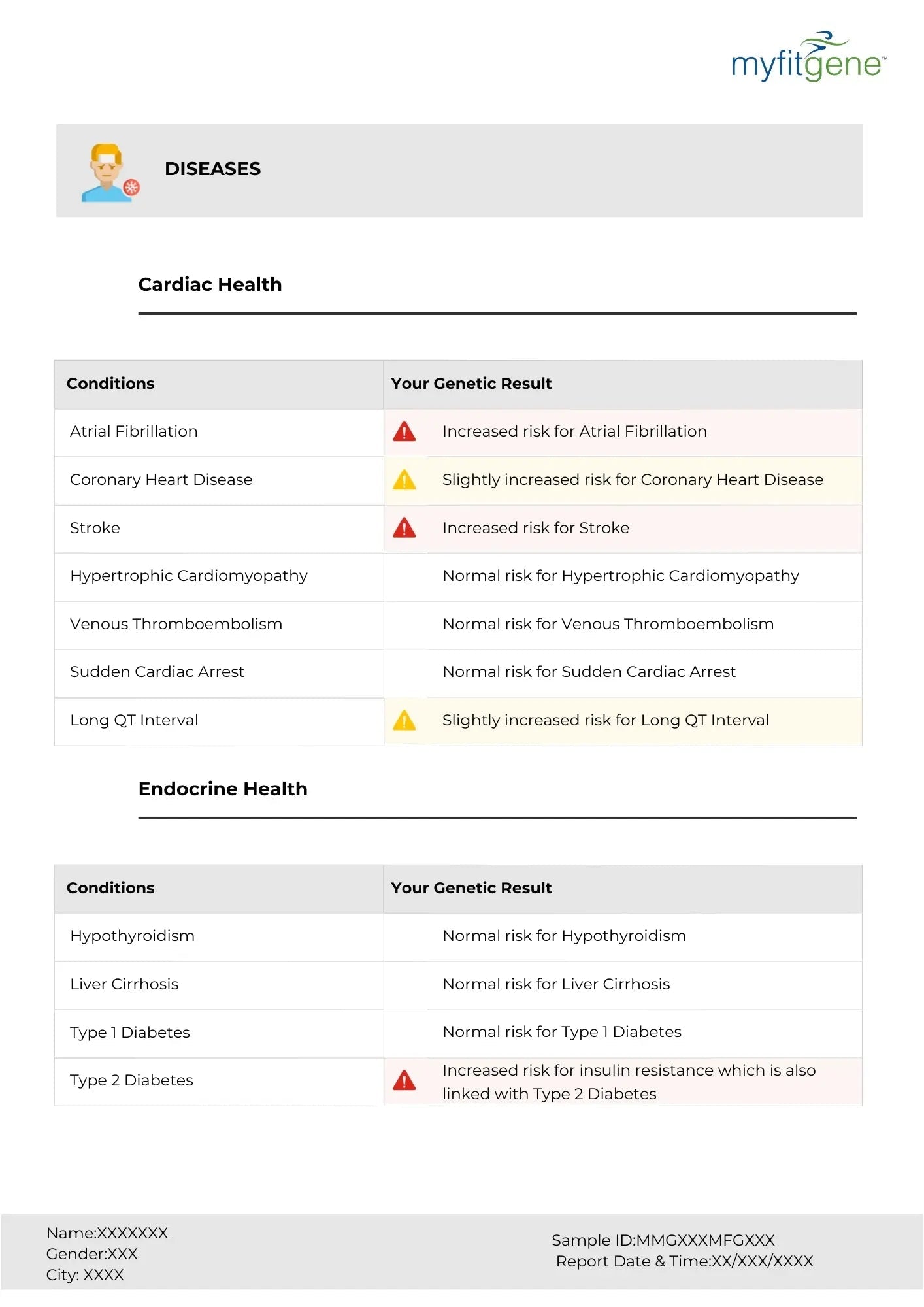
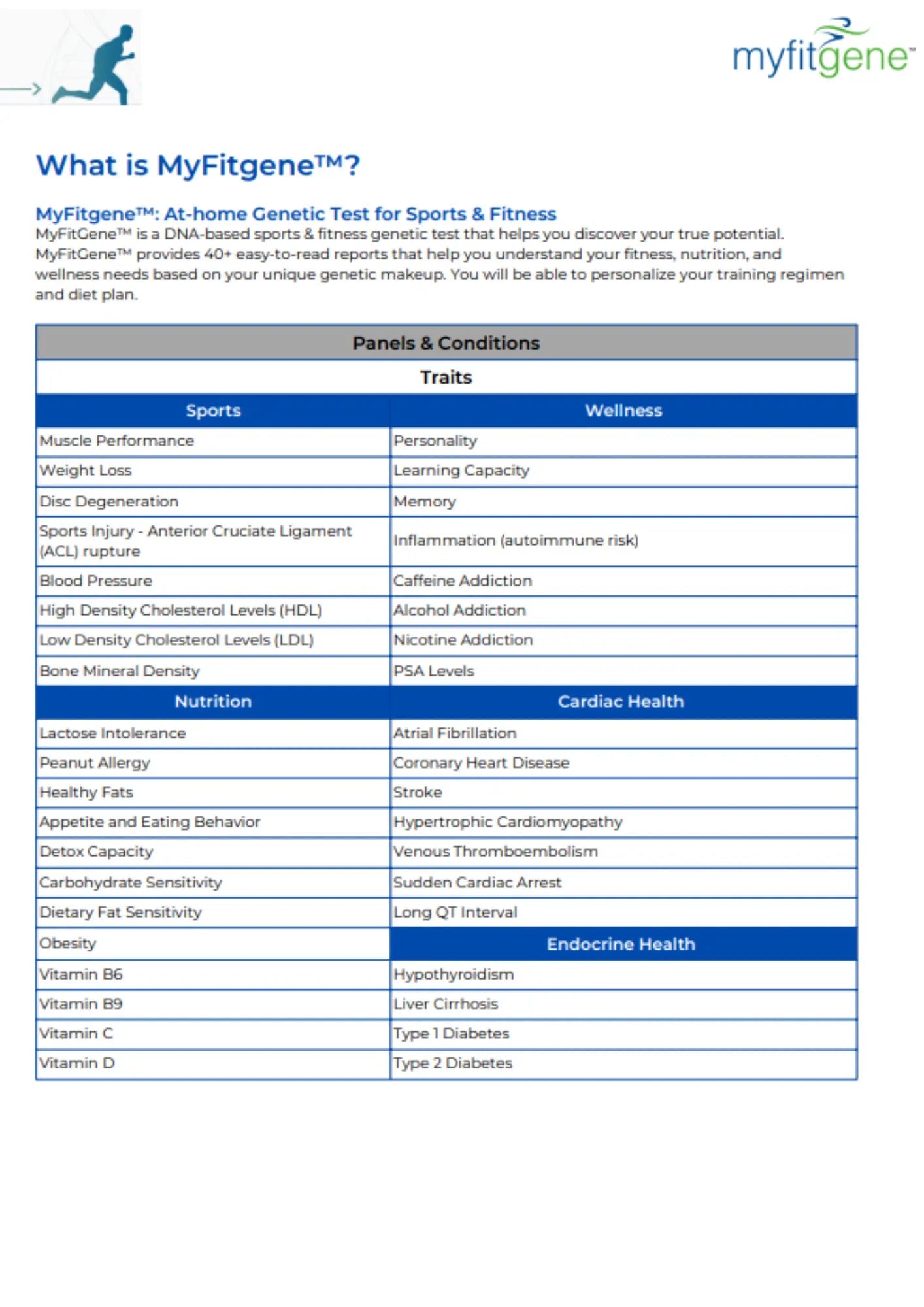
Genomepatri by MapmyGenome analyses your sports and fitness genetic traits — muscle fibre type, VO2 max potential, injury risk, recovery rate, and more — helping you train smarter and perform better based on your unique DNA.