

Sports Genomics: Is There a Sports Gene? (Part 2 of 3)
In Part 1, we highlighted examples that beg the question: do great sportspersons build their athletic prowess from scratch, or do they have a biological advantage? Now let’s find out — is there a sports gene?
The Short Answer: No Single Sports Gene
There’s no such thing as a single sports gene. Excellence in sports is multifactorial, even at a molecular level. Having said that, there are certain cases where the right genetic variants are not just sufficient but essential for elite performance — think height for a place in the NBA.
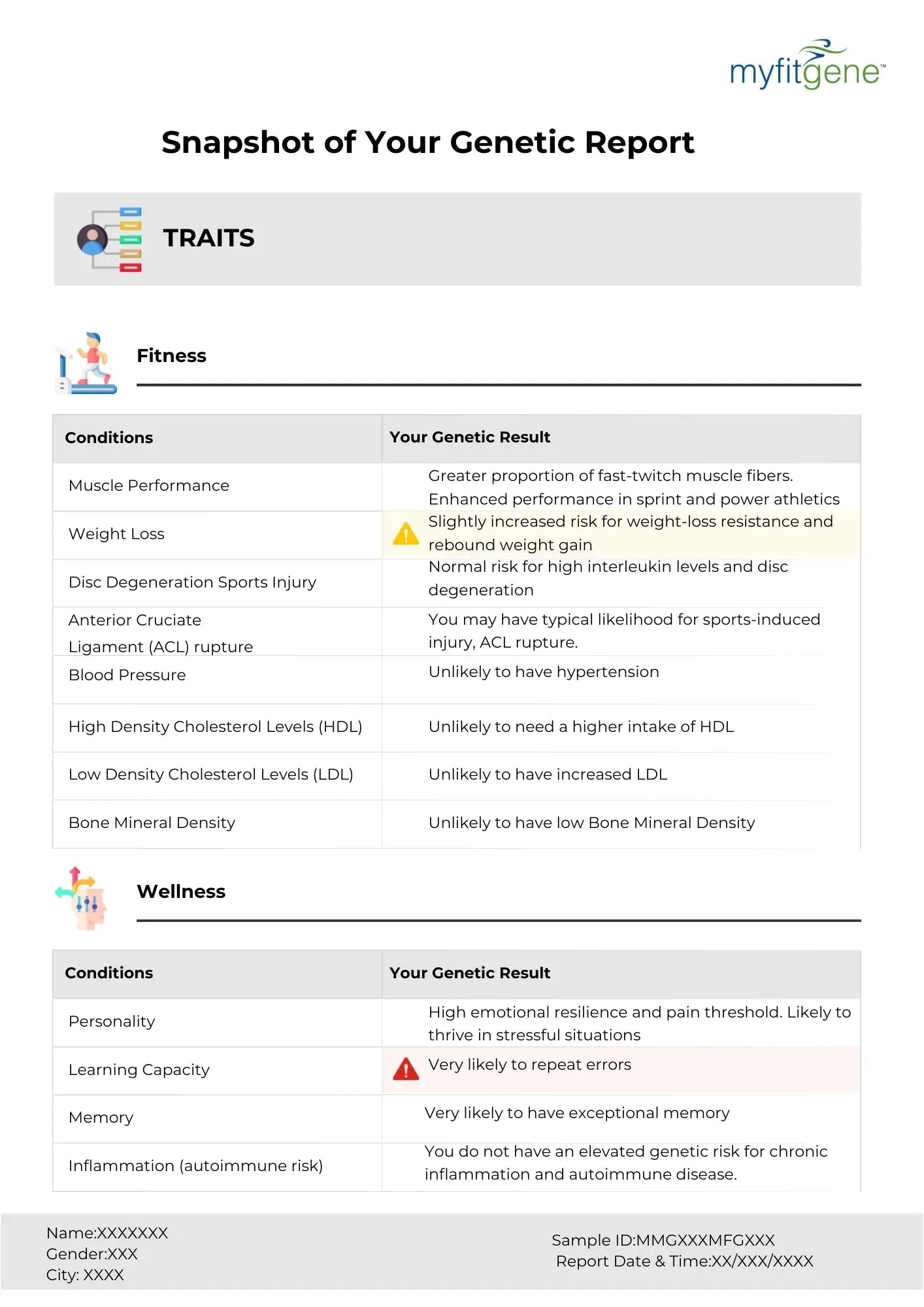
One example: if you don’t have the “correct” copies of the ACTN3 gene that confer a genetic advantage for sprint sports, you can be fairly certain you won’t find yourself at the starting line of the 100m final at the Olympics. Variants of ACTN3 — governing the proportion of slow-twitch (endurance) and fast-twitch (power/sprint) muscle fibres — explain minute variations at high levels of performance.
What genetic science is uncovering is that arguably the most important part of “talent” is trainability — your ability to respond to training stimulus. If that setup is not configured right, you could train day and night and still fall short of elite levels.
What About the 10,000-Hour Rule?
Malcolm Gladwell’s 10,000-hour rule — that 10,000 hours of deliberate practice is necessary and sufficient to achieve excellence — has been challenged extensively in sports. A study out of Princeton showed that deliberate practice attributed to about a 26% difference in the final outcome in sports — not bad, but certainly not the only defining component.
The part of the rule most often left out: the assumption that one hour of deliberate practice affects skill progression to the same extent in each individual. Every genome is unique, leading to different responses to the same training routine. 10,000 hours has become a catch phrase to emphasise the importance of practice — but to believe it is necessary or sufficient for elite performance is a flawed belief.
Are super-athletes genetic superhumans? Find out in Part 3.
Discover Your Genetic Athletic Profile
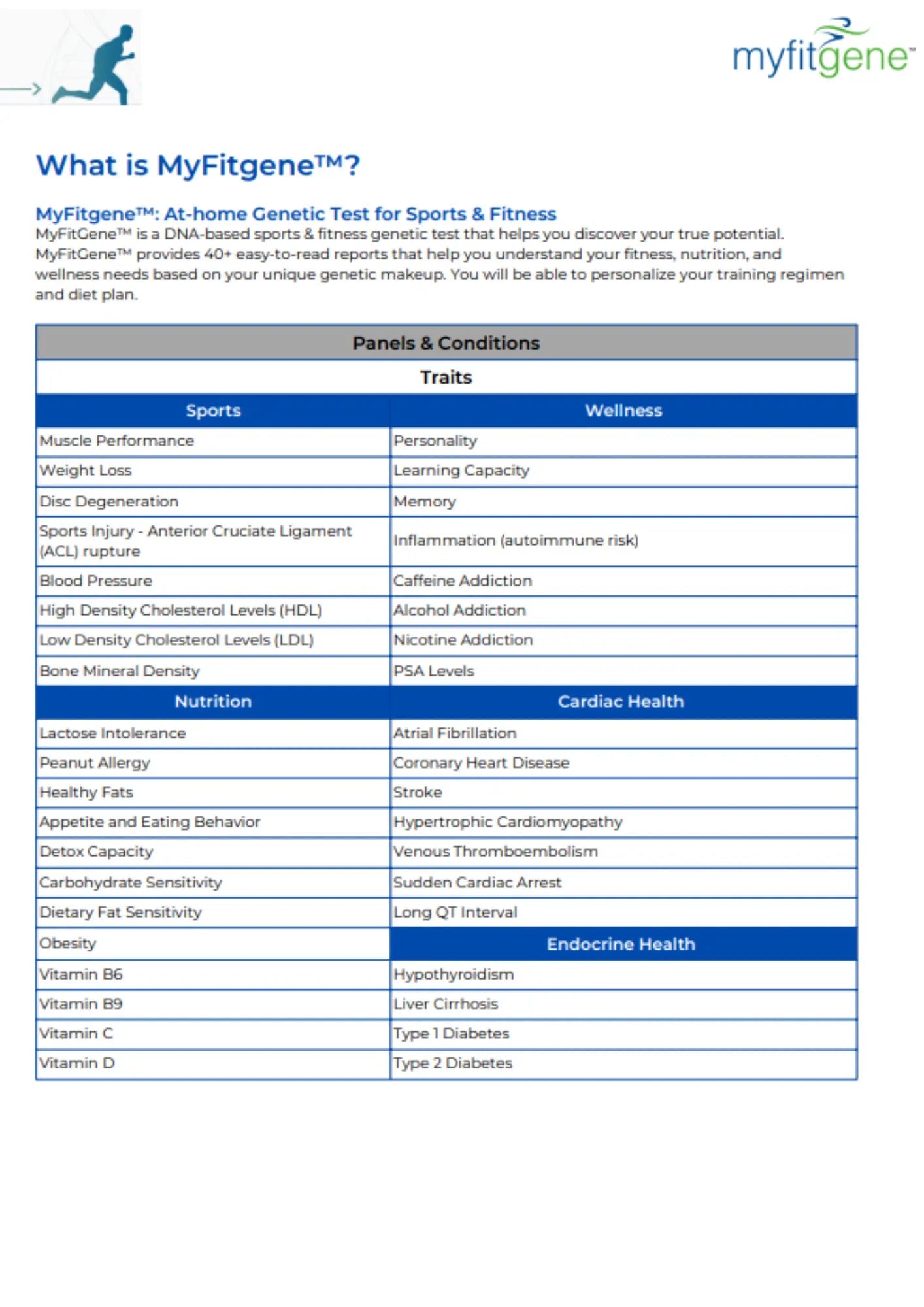
Genomepatri and Myfitgene by MapmyGenome analyse your ACTN3, ACE, PPARGC1A, and other sports performance genes — revealing your power vs. endurance profile, injury risk, recovery rate, and optimal training type.