

Medical Jargon Made Easy — Part 2
By Anu Acharya, CEO, MapmyGenome
Most medical words have their roots in Greek, Latin, French, and other languages. When you break them down into prefix, root, and suffix, they become much easier to understand. I previously wrote Medical Jargon Made Easy — Part 1. Today, let’s take a deeper dive into medical suffixes.
The most commonly used medical suffixes include “logy”, “itis”, “oma”, “lysis”, “pathy”, “ac”, and more. “Logy” comes from the Greek “logia” meaning “to speak” — so cardiology is the study of the heart, oncology is the study of cancer, and gastroenterology is the study of the stomach and intestines.
Common Medical Suffixes
| Suffix | Meaning | Example |
| -ac | Pertaining to | Cardiac, Hypochondriac |
| -blast | Bud; Germ | Myeloblast, Neuroblast |
| -cyte | Cell | Thrombocyte, Leucocyte |
| -dynia | Pain; Swelling | Thoracodynia |
| -ectomy | Excision / Removal | Nephrectomy |
| -itis | Inflammation | Hepatitis, Arthritis |
| -ology | Study / Science of | Cytology, Cardiology |
| -oma | Tumour | Sarcoma, Retinoblastoma |
| -osis | Condition (usually abnormal) | Endometriosis, Necrosis |
| -pathy | Disease | Neuropathy, Retinopathy |
| -emia / -aemia | Blood condition | Anaemia, Leukaemia |
| -ia / -ism | Condition | Haemophilia, Hypothyroidism |
| -lysis | Break down; Destruction | Osteolytic |
| -megaly | Enlargement | Acromegaly |
| -penia | Deficiency; Lack of | Thrombocytopenia |
| -plegia | Paralysis | Hemiplegia |
| -pnea | Breathing | Sleep apnoea |
| -rrhage | Bleeding | Haemorrhage |
| -sclerosis | Hardening | Arteriosclerosis |
| -stasis | Level; Unchanging | Homeostasis |
| -trophy | Growth | Hypertrophy |
Understanding these building blocks makes medical terminology far less intimidating — and helps you ask better questions of your healthcare providers.
India’s #1 Personal Genomics Company
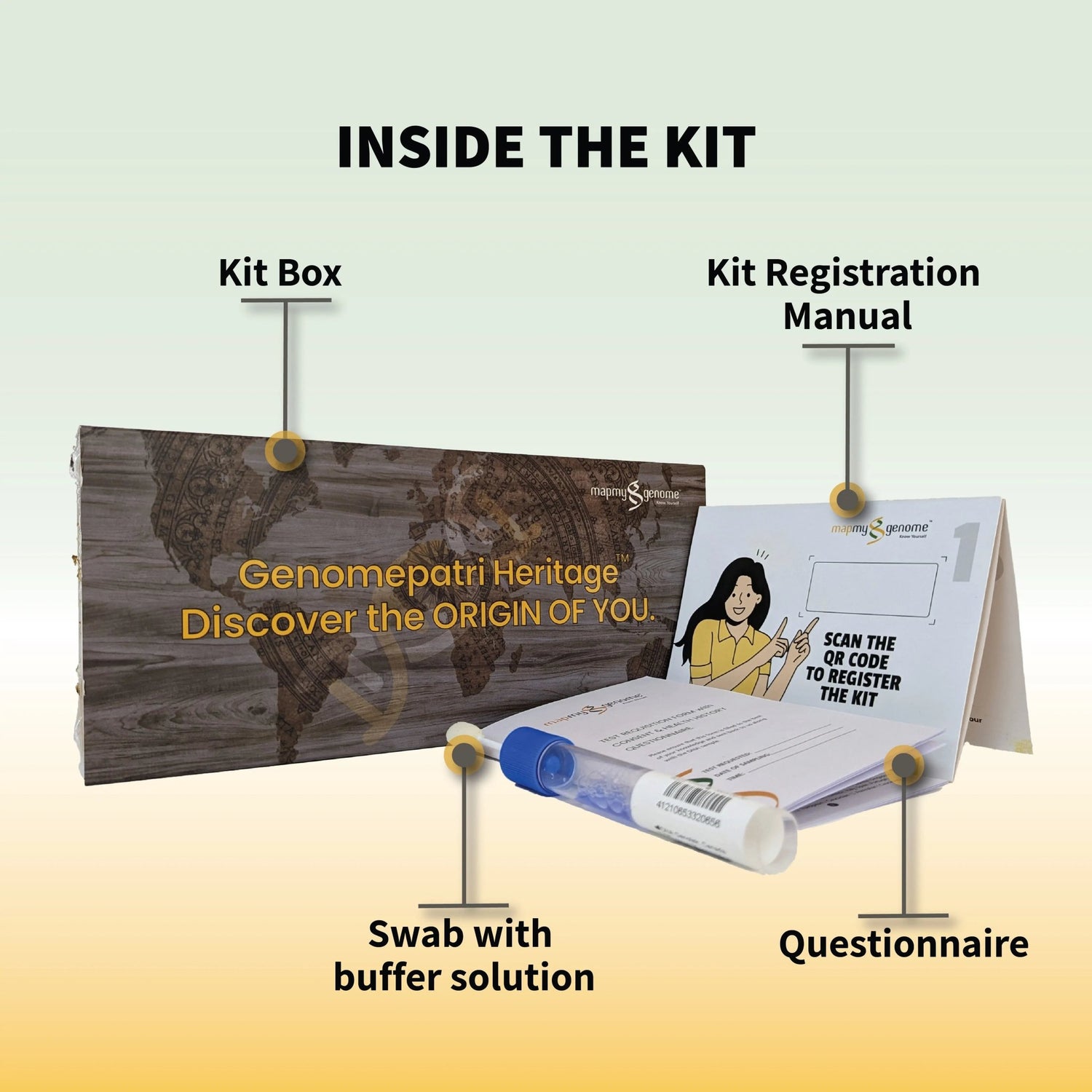
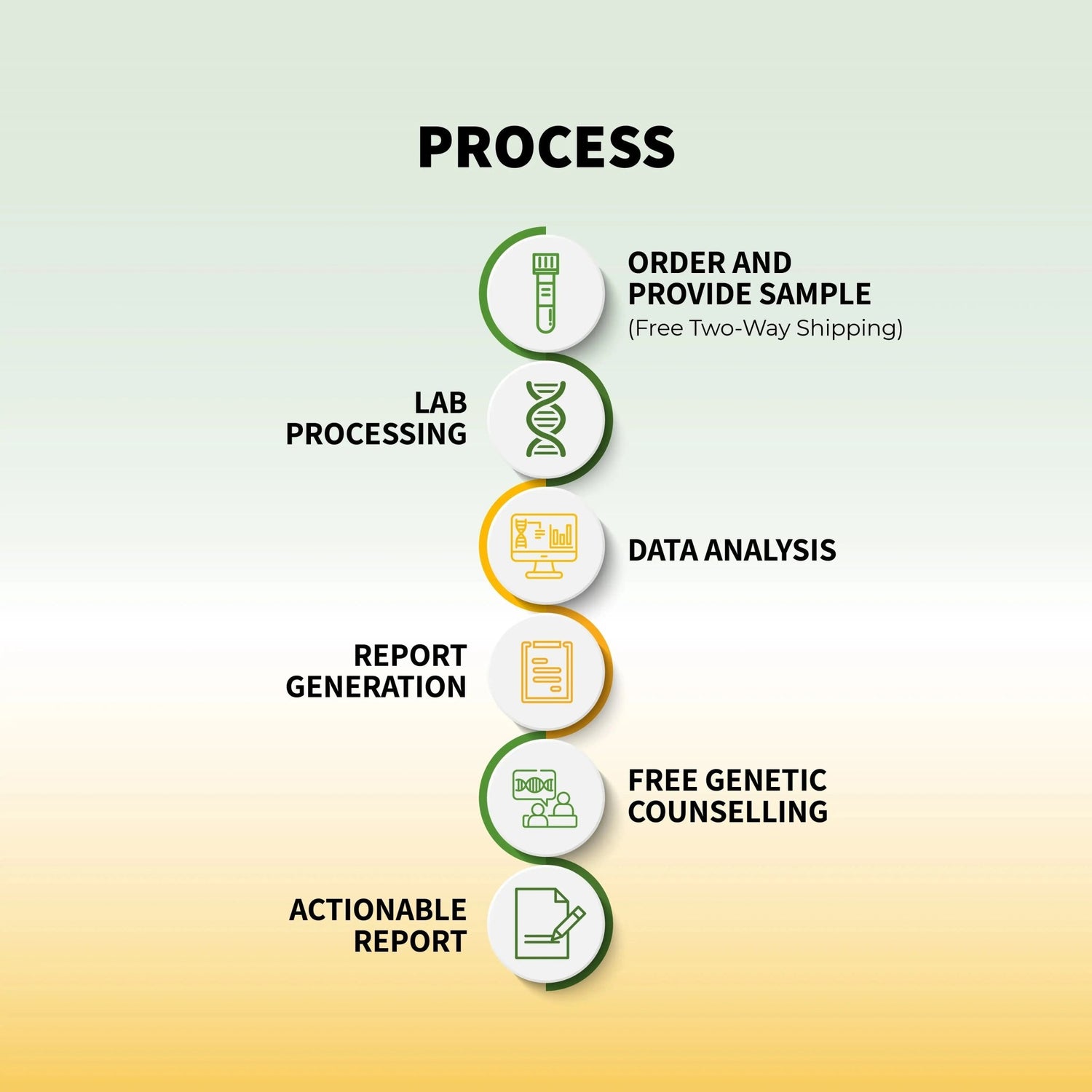
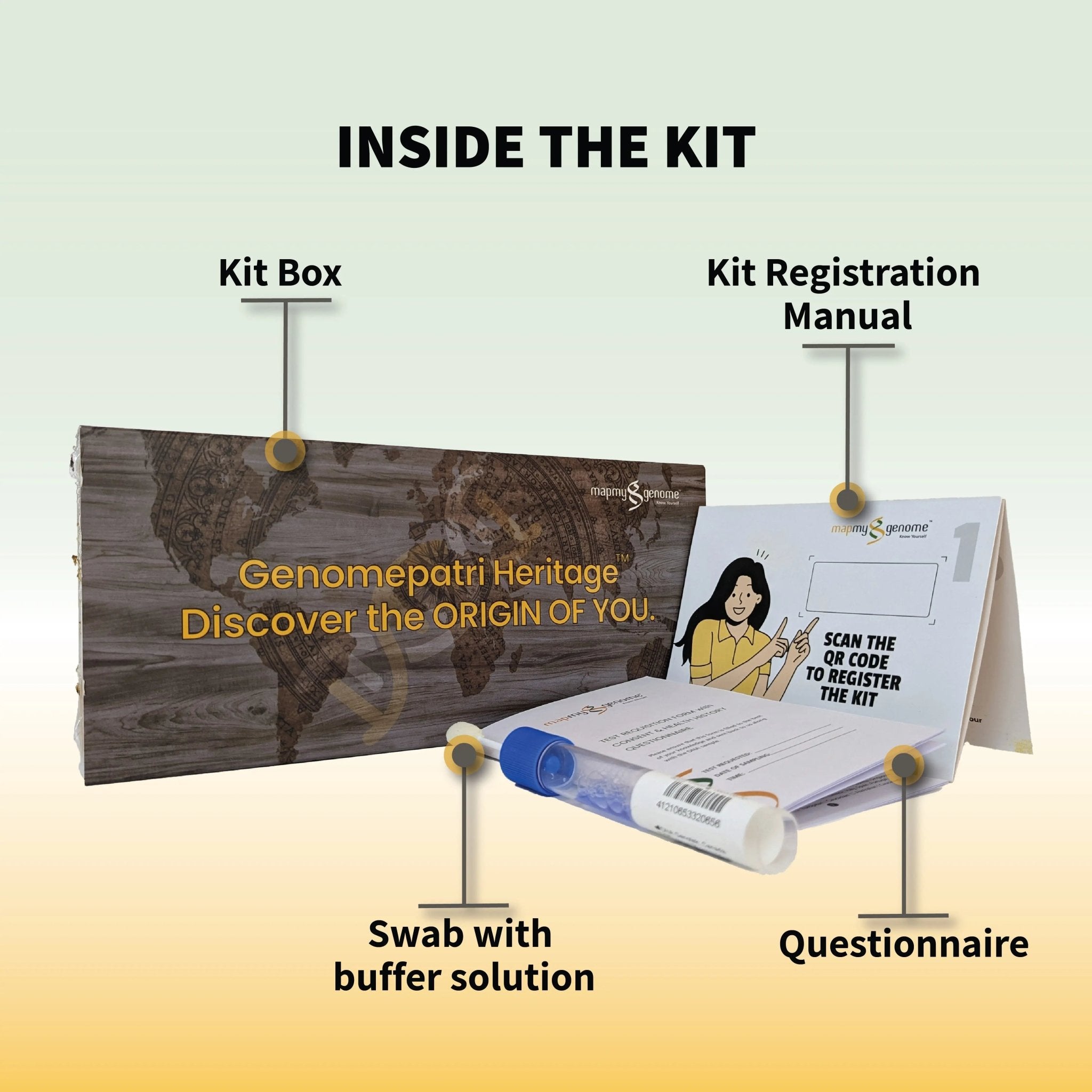
Genomepatri by MapmyGenome — India’s most comprehensive at-home DNA wellness test, covering 100+ health conditions, nutrition, fitness, and drug response traits. Backed by certified genetic counsellors and a CAP & NABL-accredited laboratory.