

The skincare industry generates billions of dollars annually selling creams, serums, and treatments applied to the surface of the skin. And while topical products certainly play a role, the most transformative skin improvements come from within — through nutrition, hydration, sleep, and stress management. Your skin is a reflection of your internal health, and nourishing it from the inside out is the ultimate beauty hack.
The Skin-Nutrition Connection
Collagen-Building Nutrients
Collagen — the protein that gives skin its firmness and elasticity — is synthesized from amino acids (particularly glycine, proline, and hydroxyproline) with vitamin C as an essential cofactor. Without adequate vitamin C, collagen synthesis is impaired. Foods rich in vitamin C (citrus, bell peppers, amla, guava) and protein (legumes, dairy, eggs, meat) directly support collagen production.
Antioxidants for UV Protection
Dietary antioxidants — vitamins C and E, beta-carotene, lycopene, polyphenols — provide internal UV protection by neutralizing free radicals generated by UV exposure. While they don't replace sunscreen, they significantly reduce UV-induced skin damage. Tomatoes (lycopene), green tea (EGCG), berries (anthocyanins), and turmeric (curcumin) are particularly potent skin-protective antioxidants.
Omega-3 Fatty Acids for Skin Barrier
Omega-3 fatty acids (EPA and DHA) are essential components of skin cell membranes and support the skin's lipid barrier. They reduce inflammation, improve skin hydration, and reduce sensitivity. Sources include fatty fish (salmon, mackerel, sardines), flaxseeds, chia seeds, and walnuts.
Zinc for Acne and Wound Healing
Zinc is essential for skin cell turnover, wound healing, and sebum regulation. Zinc deficiency is associated with acne, slow wound healing, and skin inflammation. Sources include pumpkin seeds, legumes, nuts, and whole grains.
Vitamin A for Cell Turnover
Vitamin A (retinol in animal foods; beta-carotene in plant foods) regulates skin cell turnover and sebum production. Deficiency causes dry, rough skin. Excess supplemental vitamin A can be toxic — get it primarily from food sources.
Hydration: The Foundation of Skin Health
Adequate hydration is essential for skin plumpness, elasticity, and barrier function. Dehydration makes fine lines more visible and impairs the skin's ability to repair itself. Aim for 2–3 liters of water daily, adjusting for climate and activity level. Hydrating foods — cucumber, watermelon, coconut water — contribute to overall hydration.
The Gut-Skin Axis
Emerging research reveals a powerful connection between gut microbiome health and skin health. Gut dysbiosis (imbalanced gut bacteria) is associated with acne, eczema, psoriasis, and rosacea. Probiotic-rich foods (curd, idli, dosa, kanji) and prebiotic fiber (vegetables, legumes, whole grains) support a healthy gut microbiome — and healthier skin.
The Genetic Component of Nutritional Skin Health
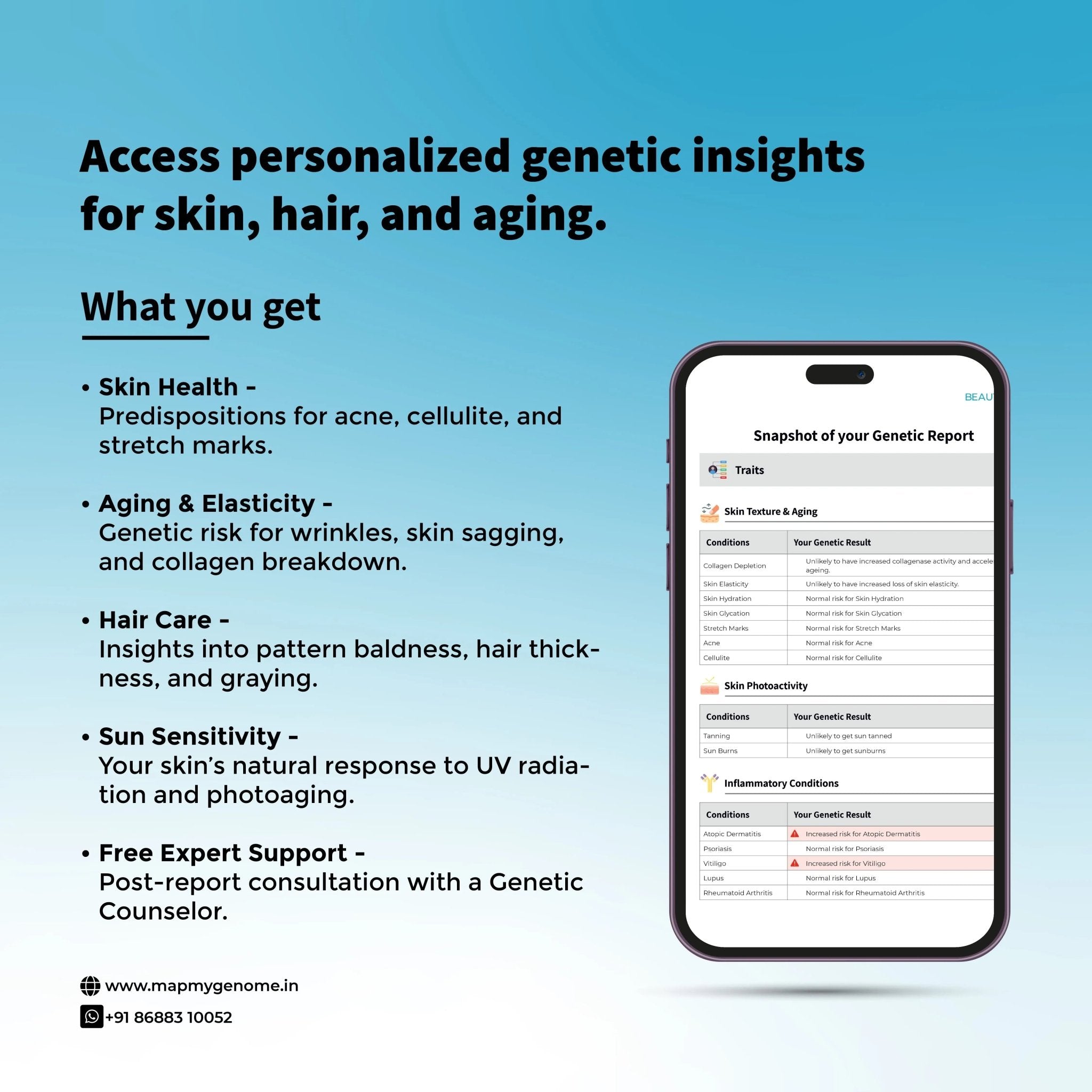
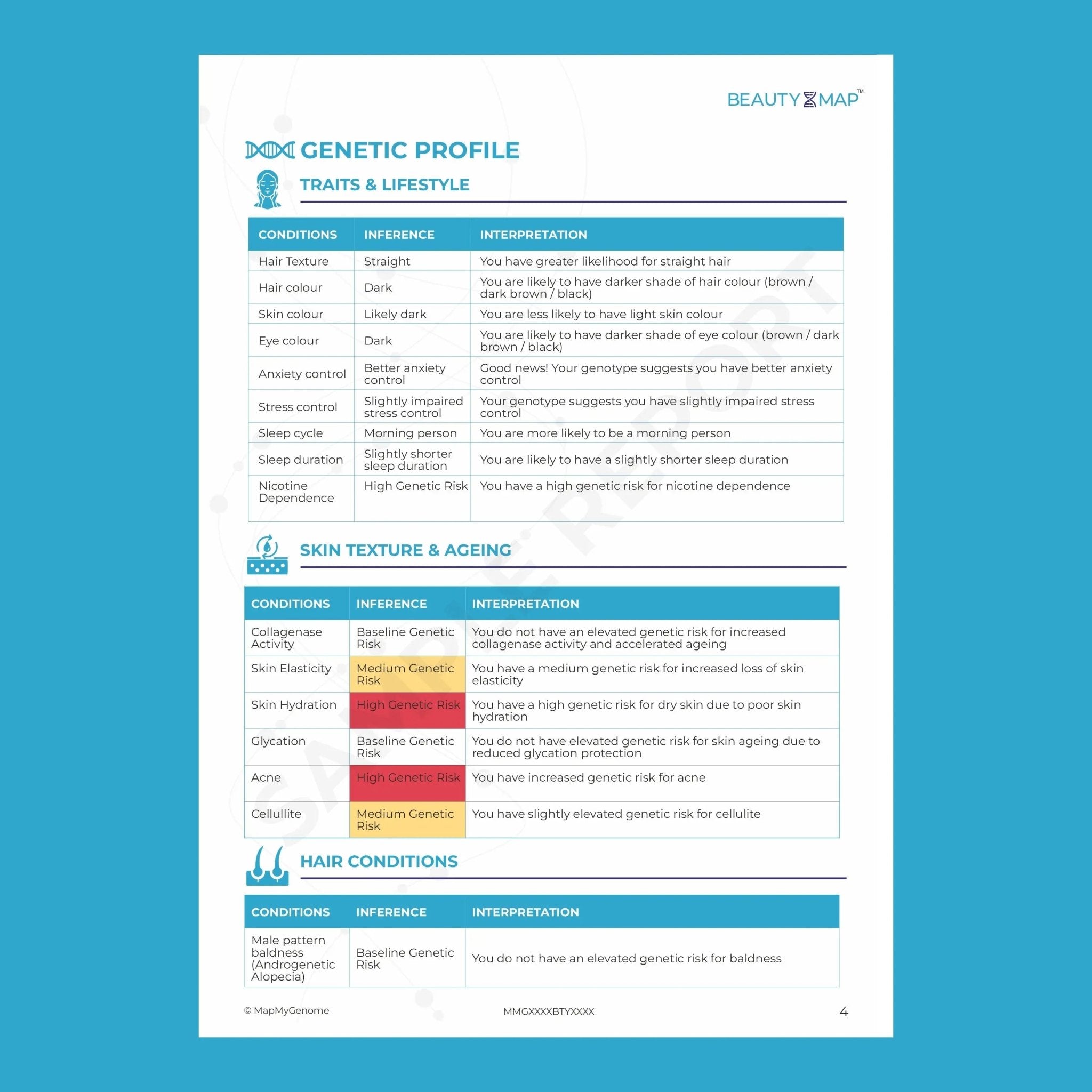
Your genes influence how efficiently you absorb and utilize skin-critical nutrients. Variants in MTHFR affect folate metabolism. Variants in VDR affect vitamin D absorption. Variants in SOD2 and GPX1 affect antioxidant enzyme efficiency. Understanding your genetic nutritional needs allows you to target supplementation and dietary choices for maximum skin benefit.
FAQs
Can diet really improve my skin?
Yes — significantly. Studies consistently show that dietary patterns rich in antioxidants, omega-3s, and collagen-supporting nutrients are associated with better skin aging outcomes. The Mediterranean diet, in particular, is associated with reduced photoaging and lower skin cancer risk.
How long does it take to see skin improvements from dietary changes?
Skin cell turnover takes approximately 28 days, so allow at least 4–8 weeks of consistent dietary changes before assessing results. Some improvements — like reduced inflammation and improved hydration — may be visible sooner.
Know Your Genetic Skin Nutrition Needs
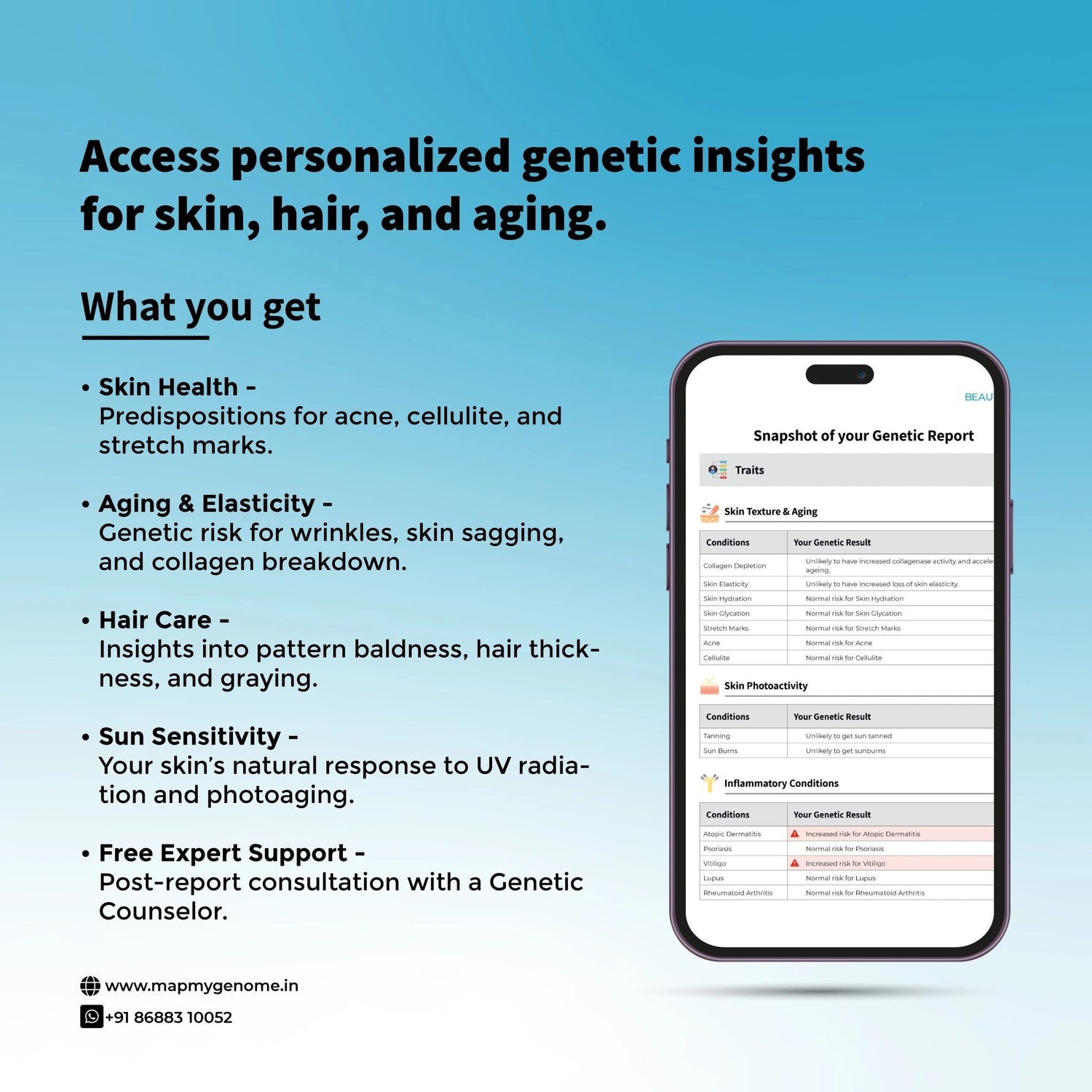
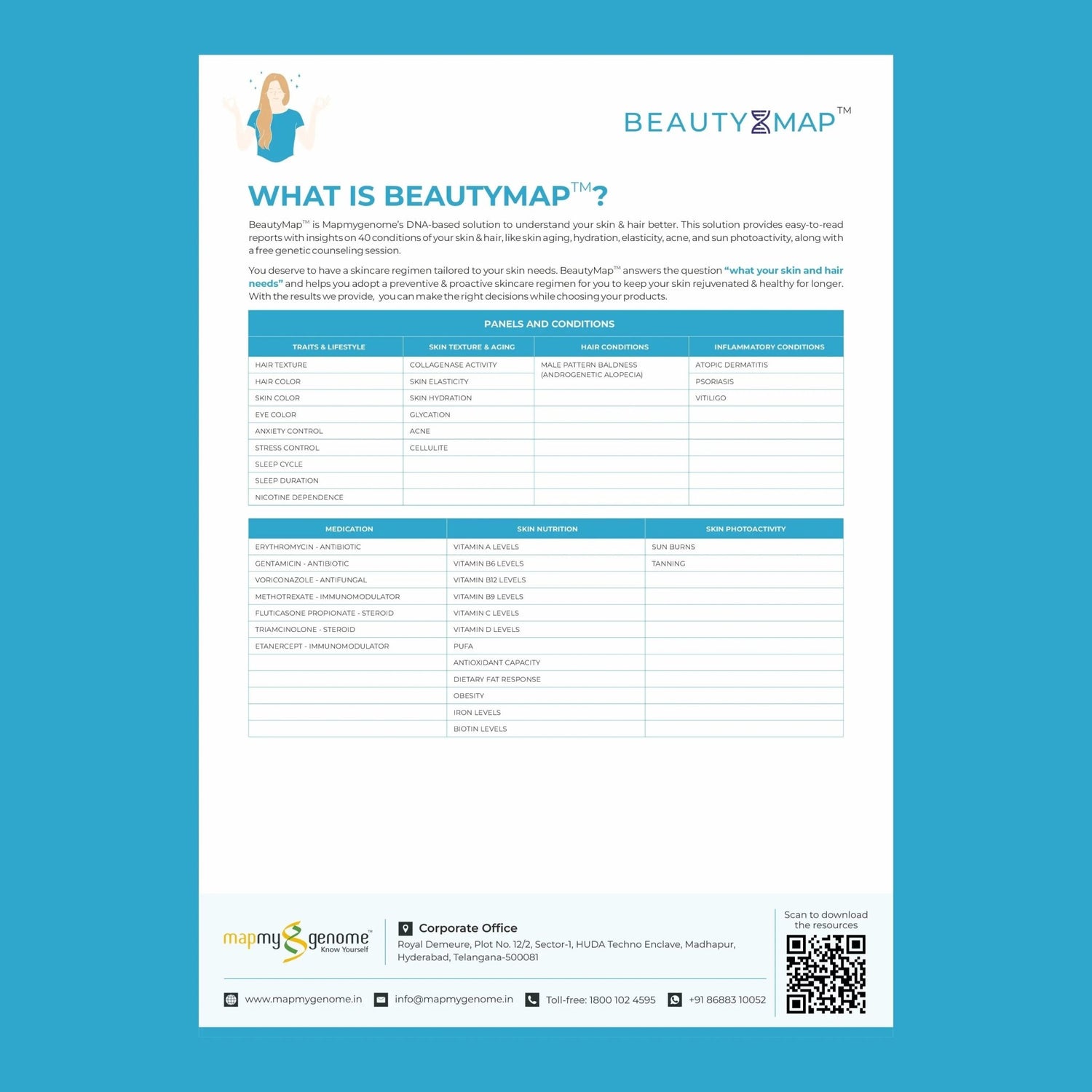
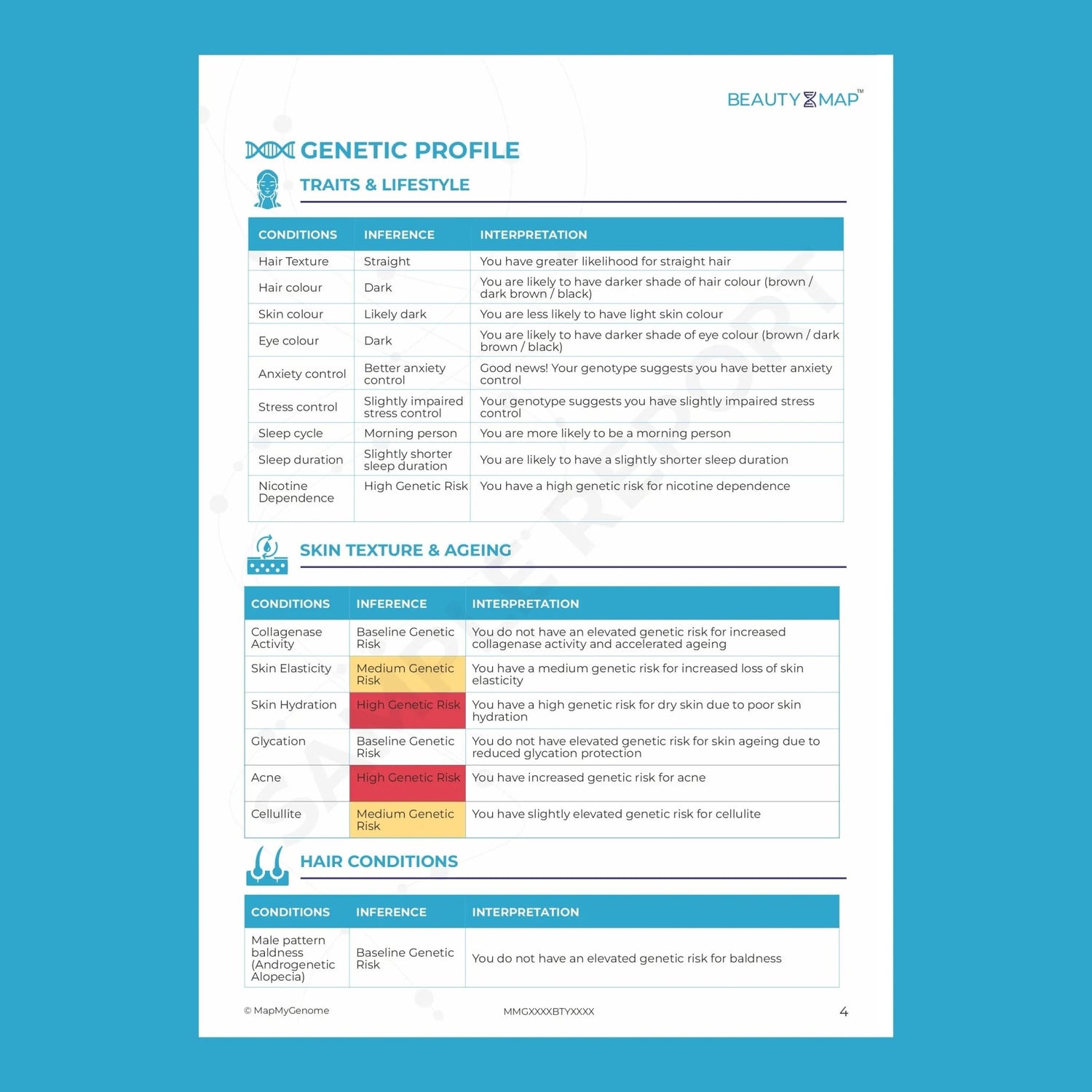
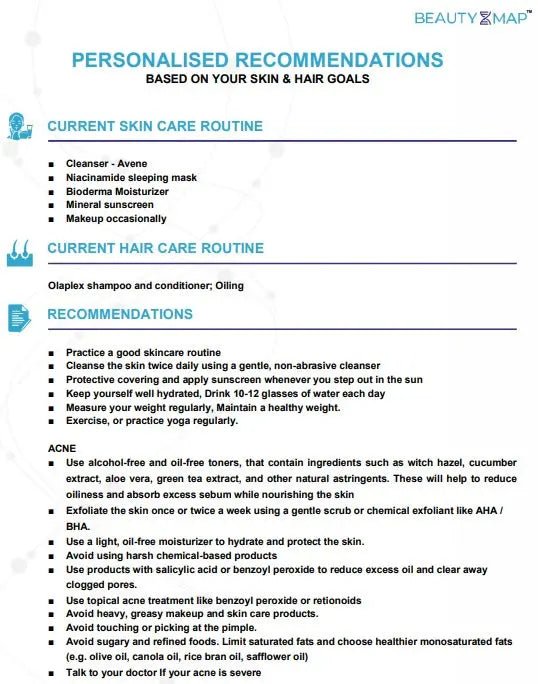
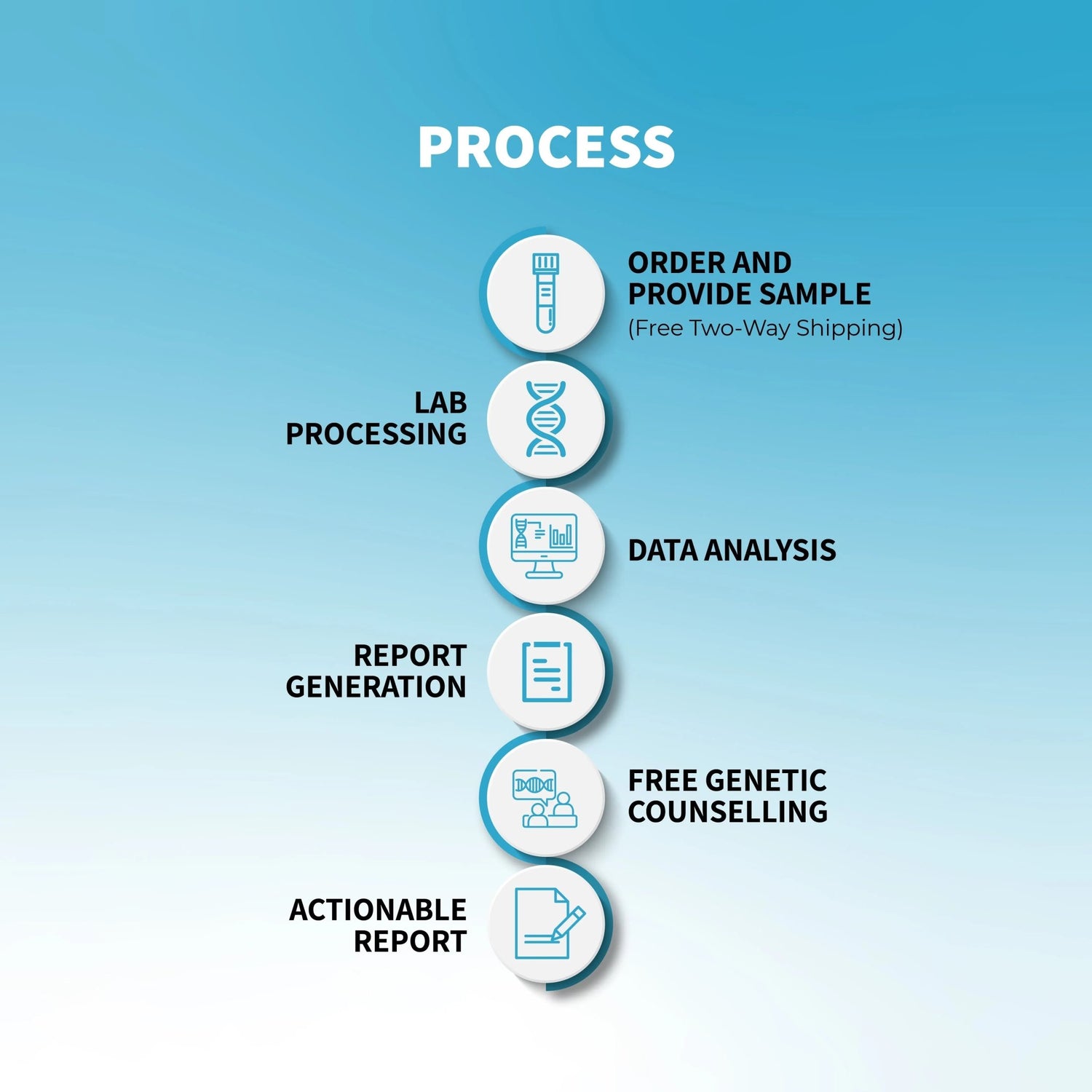
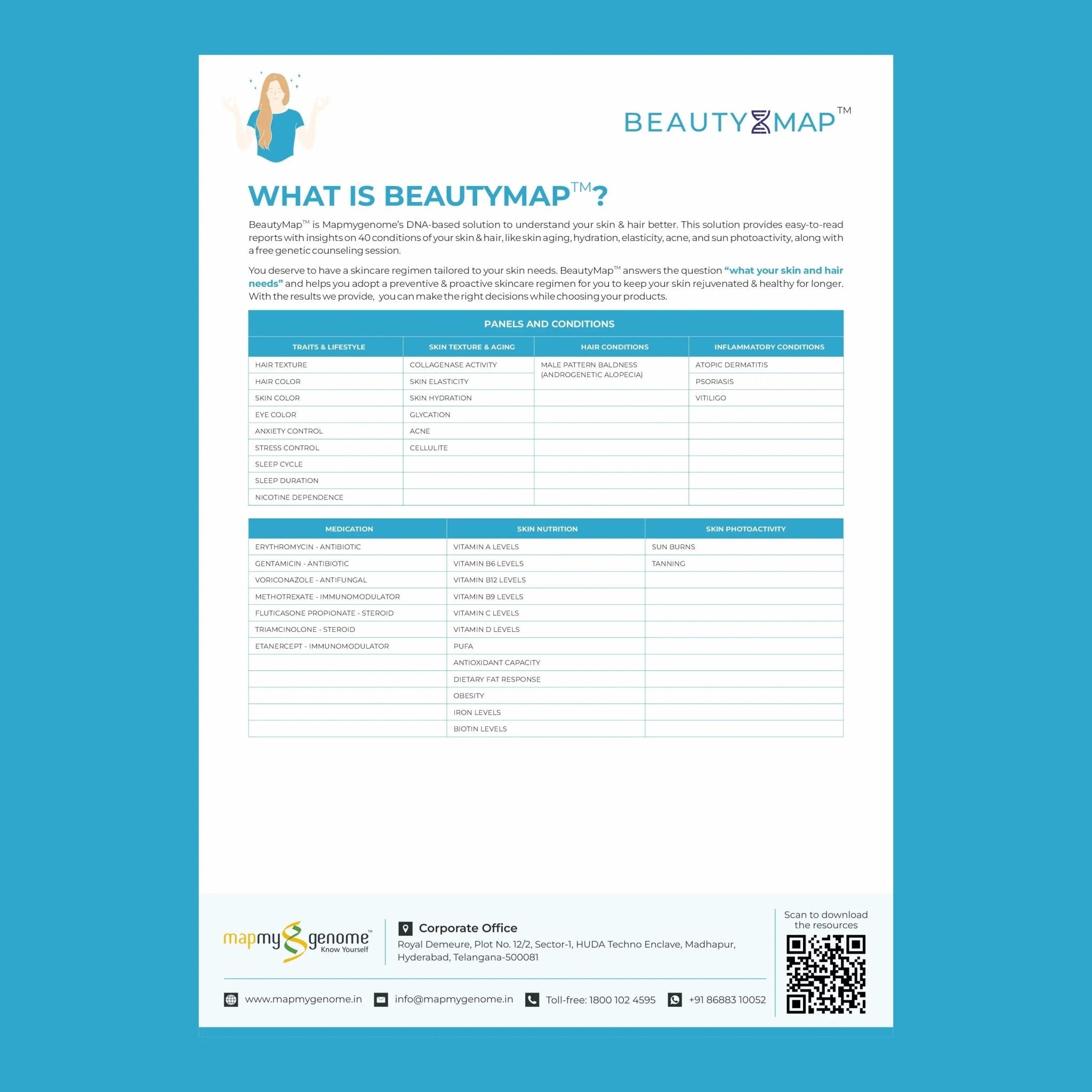
BeautyMap and Genomepatri by MapmyGenome reveal your genetic requirements for skin-critical nutrients — including vitamin D, antioxidant capacity, collagen genetics, and barrier function — so you can nourish your skin from within with precision.