

మీ DNA, గట్ మైక్రోబయోమ్ మరియు జీవనశైలి ఆందోళన గురించి ఏమి తెలియజేయవచ్చు
ఆందోళన అనేది ఒకే కారణం వల్ల కలగదు. ఇది మీ జన్యువులు, మీ గట్, మీ మెదడు మరియు మీ చుట్టూ ఉన్న ప్రపంచం మధ్య నిరంతర సంభాషణ ద్వారా ఆకృతి చేయబడుతుంది.
"నేను ఎందుకు ఆందోళన చెందుతున్నానో కూడా నాకు తెలియదు."
మీరు తల్లిదండ్రులైతే, మీరు బహుశా ఇలాంటివి ముందే విని ఉంటారు.
ఈరోజు చాలా మంది యువకులు ఆందోళనను ఒక కష్టమైన సంఘటన వల్ల కలిగే అప్పుడప్పుడు కలిగే భావనగా వర్ణించరు. బదులుగా, అది ఎల్లప్పుడూ ఉండేదని - ఫోన్ బ్యాటరీని నిరంతరం హరించుకుపోయే యాప్ లాగా, ఒక నిశ్శబ్ద నేపథ్య ధ్వనిలా వర్ణిస్తారు.
స్మార్ట్ఫోన్లు, సోషల్ మీడియా లేదా ఆధునిక జీవితంలోని అంతం లేని వేగాన్ని నిందించడం సులభం.
కానీ అది కథలో కొంత భాగాన్ని మాత్రమే వివరిస్తుంది.
మరింత ఆసక్తికరమైన ప్రశ్న ఏమిటంటే:
కొంతమంది యువకులు జీవిత ఒత్తిళ్లను ఎందుకు తట్టుకోగలుగుతారు, మరికొందరు అదే సవాళ్లతో ఎందుకు మునిగిపోతారు?
పెరుగుతున్న పరిశోధనలు దీనికి సమాధానం ఒకే కారణంలో కాకుండా, మన జీవశాస్త్రం మరియు మన పర్యావరణం మధ్య అద్భుతమైన పరస్పర చర్యలో ఉందని సూచిస్తున్నాయి.
మన జన్యువులు.
మన గట్ మైక్రోబయోమ్.
మన రోగనిరోధక వ్యవస్థ.
మన హార్మోన్లు.
మన నిద్ర.
మన పోషకాహారం.
మన రోజువారీ అలవాట్లు.
మన జీవిత అనుభవాలు.
ఈ వ్యవస్థలు స్వతంత్రంగా పనిచేయవు.
అవి నిరంతరం సంభాషిస్తాయి, మన శరీరాలు ఒత్తిడిని ఎలా గ్రహిస్తాయి, సవాళ్ల నుండి ఎలా కోలుకుంటాయి మరియు కాలక్రమేణా ఎలా అలవాటు పడతాయి అనే దానిని ప్రభావితం చేస్తాయి.
ఆందోళన "మీ DNAలో వ్రాయబడింది" అని దీని అర్థం కాదు.
అది కాదు.
లేదా మీ గట్ బ్యాక్టీరియా మీ మానసిక ఆరోగ్యాన్ని నిర్ణయిస్తుందని కూడా కాదు.
అవి నిర్ణయించవు.
బదులుగా, ఆందోళన అనేది మీ మెదడు, మీ శరీరం మరియు మీ చుట్టూ ఉన్న ప్రపంచం మధ్య నిరంతర సంభాషణ ఫలితంగా అర్థం చేసుకోబడుతోంది.
ఆ సంభాషణను అర్థం చేసుకోవడం ఆధునిక వైద్యంలో అత్యంత ఉత్తేజకరమైన సరిహద్దులలో ఒకటి - మరియు ఇది మనం మానసిక ఆరోగ్యం గురించి ఆలోచించే విధానాన్ని మారుస్తోంది.
మనం గతంలో కంటే ఎక్కువగా కనెక్ట్ అయ్యాం - లేదా ఎక్కువగా ఉత్సాహభరితంగా ఉన్నాం.
జెనరేషన్ Z ఏ మునుపటి తరంలా కాకుండా ఒక ప్రపంచంలో పెరిగింది.
నోటిఫికేషన్లు ఎప్పుడూ ఆగవు.
వార్తలు ఎప్పుడూ నిద్రపోవు.
సోషల్ మీడియా ఎప్పుడూ విరామం తీసుకోదు.
అల్గోరిథంలు దృష్టిని ఆకర్షించడానికి నిరంతరం పోటీపడతాయి, ఎల్లప్పుడూ ఇంకొక సందేశం, ఇంకొక వీడియో, చూడటానికి ఎదురుచూస్తున్న ఇంకొక అభిప్రాయం ఉండేలా చూస్తాయి.
సాంకేతికత విద్య, కమ్యూనికేషన్, ఆరోగ్య సంరక్షణ మరియు వినోదాన్ని మార్చివేసింది.
కానీ ఇది మానవ మెదడు ఎప్పుడూ నావిగేట్ చేయని వాతావరణాన్ని కూడా సృష్టించింది.
లక్షలాది సంవత్సరాలుగా, మన పూర్వీకులు ఒత్తిడిని చిన్నపాటి bursts లో అనుభవించారు.
వారు ప్రమాదం నుండి తప్పించుకున్నారు.
ఆహారం కనుగొన్నారు.
తమ కుటుంబాలను రక్షించుకున్నారు.
తరువాత వారు కోలుకున్నారు.
ఈరోజు, చాలా మంది యువకులు అల్పాహారం ముందు పూర్వ తరాలు రోజులు లేదా వారాల్లో ఎదుర్కొన్న దానికంటే ఎక్కువ సమాచారాన్ని ప్రాసెస్ చేస్తారు.
పరిశోధకులు ఇప్పుడు ఒక ముఖ్యమైన ప్రశ్న అడుగుతున్నారు:
ఈ ఆధునిక వాతావరణం మన జీవశాస్త్రంతో ఎలా సంకర్షణ చెందుతుంది - మరియు కొంతమంది ఎందుకు అలవాటుపడతారు, మరికొందరు ఎందుకు కష్టపడతారు?
🧬 జన్యు అంతర్దృష్టి
మీరు గుర్తించకపోయినా మీ శరీరం ఎప్పుడూ ప్రతిస్పందిస్తూనే ఉంటుంది.
మెదడు మాత్రమే ఒత్తిడిని అనుభవించదు.
ప్రతి ఒత్తిడితో కూడిన సంఘటన మీ నాడీ వ్యవస్థ, ఒత్తిడి హార్మోన్లు, రోగనిరోధక వ్యవస్థ, జీవక్రియ మరియు మీ గట్ మైక్రోబయోమ్ వంటి సంక్లిష్ట నెట్వర్క్ను సక్రియం చేస్తుంది.
విభిన్న వ్యవస్థలుగా పనిచేయకుండా, అవి ఒక అత్యంత సమన్వయబద్ధమైన జీవసంబంధమైన నెట్వర్క్గా కలిసి పనిచేస్తాయి, ఇది మార్పుకు అనుగుణంగా మారడానికి మీకు సహాయపడుతుంది.
ఒత్తిడి శత్రువు కాదు
ఒత్తిడిని తరచుగా అన్నింటికీ నిందిస్తారు.
వాస్తవానికి, ఒత్తిడి శరీరంలోని అత్యంత ముఖ్యమైన మనుగడ సాధనాలలో ఒకటి.
ఇది శ్రద్ధను పెంచుతుంది.
ప్రతిస్పందన సమయాన్ని వేగవంతం చేస్తుంది.
నిర్ణయం తీసుకోవడాన్ని మెరుగుపరుస్తుంది.
సవాళ్లకు ప్రతిస్పందించడానికి మనకు సహాయపడుతుంది.
ఒత్తిడి లేకుండా, మానవులు మనుగడ సాగించలేరు.
ఒత్తిడి ప్రతిస్పందన పూర్తిగా ఆగిపోనప్పుడు సమస్య మొదలవుతుంది.
రోజు మొత్తం యాక్సిలరేటర్పై పాదం తేలికగా నొక్కిపెట్టి కారు నడుపుతున్నట్లు ఊహించుకోండి.
చివరికి, ఇంజిన్ అరిగిపోవడం మొదలవుతుంది.
మానవ శరీరం కూడా అదే విధంగా పనిచేస్తుంది.
ఒత్తిడి దీర్ఘకాలికంగా మారినప్పుడు, అది మీ మానసిక స్థితిని మాత్రమే ప్రభావితం చేయదు.
ఇది క్రమంగా వీటిని ప్రభావితం చేస్తుంది:
-
😴 నిద్ర నాణ్యత
-
🍽 ఆకలి మరియు ఆహారపు అలవాట్లు
-
🦠 జీర్ణక్రియ మరియు గట్ మైక్రోబయోమ్
-
❤️ హార్మోన్ల సమతుల్యత
-
🛡 రోగనిరోధక పనితీరు
-
🔥 వాపు
-
🧠 మెదడు పనితీరు మరియు గ్రహణశక్తి
కాలక్రమేణా, ఈ అనుసంధానిత మార్పులు జీవశాస్త్రపరంగా సున్నితమైన వ్యక్తులలో ఆందోళన, అలసట, జీర్ణ సంబంధిత లక్షణాలు, ఏకాగ్రత లోపం మరియు భావోద్వేగ అలసటకు దోహదం చేయవచ్చు.
🔬 పరిశోధన స్పాట్లైట్
దీర్ఘకాలిక ఒత్తిడి ఒకే అవయవాన్ని ప్రభావితం చేయదు.
ఇది శరీరంలోని దాదాపు ప్రతి ప్రధాన శారీరక వ్యవస్థను ప్రభావితం చేస్తుంది—మెదడు, ఎండోక్రైన్ వ్యవస్థ, రోగనిరోధక వ్యవస్థ, హృదయనాళ వ్యవస్థ మరియు జీర్ణశయాంతర మార్గం సహా.
మెదడుపై మాత్రమే దృష్టి సారించకుండా, శాస్త్రవేత్తలు మానసిక ఆరోగ్యాన్ని సిస్టమ్స్ బయాలజీ కోణం నుండి ఎక్కువగా అధ్యయనం చేయడానికి ఈ మొత్తం శరీర ప్రతిస్పందన ఒక కారణం.
శాస్త్రవేత్తలు ఒక భిన్నమైన ప్రశ్న అడుగుతున్నారు
దశాబ్దాలుగా, పరిశోధకులు ఆందోళనకు కారణాన్ని అన్వేషించారు.
ఇది జన్యుపరమైనదా?
బాల్యం అనుభవాలు?
హార్మోన్లు?
మెదడు రసాయనాలు?
నేడు, వారు చాలా ఉపయోగకరమైన ప్రశ్న అడుగుతున్నారు:
అదే ఒత్తిడికి ప్రజలు ఎందుకు విభిన్నంగా ప్రతిస్పందిస్తారు?
ఆ ఒక్క ప్రశ్న న్యూరోసైన్స్ను మార్చివేసింది.
మెదడును మాత్రమే అధ్యయనం చేయకుండా, పరిశోధకులు ఇప్పుడు అనుసంధానిత జీవ వ్యవస్థల మొత్తం నెట్వర్క్ను పరిశోధిస్తున్నారు.
వీటిలో ఇవి ఉన్నాయి:
-
🧬 జన్యుశాస్త్రం
-
🦠 గట్ మైక్రోబయోమ్
-
🧠 మెదడు
-
🛡 రోగనిరోధక వ్యవస్థ
-
❤️ నాడీ వ్యవస్థ
-
😴 నిద్ర
-
🥗 పోషకాహారం
-
🏃 శారీరక శ్రమ
-
🌿 పర్యావరణం
ఒకటి మరొకటి ప్రభావితం చేస్తుంది.
తక్కువ నిద్ర ఒత్తిడి హార్మోన్ నియంత్రణను మారుస్తుంది.
ఆహారం గట్ మైక్రోబయోమ్ను పునర్నిర్మస్తుంది.
దీర్ఘకాలిక ఒత్తిడి రోగనిరోధక పనితీరును మారుస్తుంది.
గట్ మెదడుతో నాడీ, హార్మోన్, రోగనిరోధక మరియు జీవక్రియ మార్గాల ద్వారా సంభాషిస్తుంది.
విభిన్న అవయవాలుగా పనిచేయకుండా, మానవ శరీరం ఒక సమగ్ర పర్యావరణ వ్యవస్థ వలె ప్రవర్తిస్తుంది.
ఈ వ్యవస్థల ఆధారిత అవగాహన ఖచ్చితమైన ఆరోగ్యం యొక్క కేంద్రంలో ఉంది - ప్రతి వ్యక్తి యొక్క జీవశాస్త్రం ప్రత్యేకమైనదని గుర్తించే విధానం.
💡 మీకు తెలుసా?
ప్రతి వ్యక్తి రెండు అద్భుతమైన జీవసంబంధమైన పర్యావరణ వ్యవస్థలను కలిగి ఉంటారు.
🧬 మీ జన్యువు
మీరు మీ తల్లిదండ్రుల నుండి వారసత్వంగా పొందిన DNA.
ఇది మీ జీవితాంతం పెద్దగా మారదు మరియు పోషకాలు, మందులు, శారీరక శ్రమ మరియు పర్యావరణ ఒత్తిడికి మీ శరీరం ఎలా స్పందిస్తుందో ప్రభావితం చేస్తుంది.
🦠 మీ గట్ మైక్రోబయోమ్
మీ జీర్ణనాళంలో ప్రధానంగా నివసించే ట్రిలియన్ల బ్యాక్టీరియా, శిలీంధ్రాలు మరియు ఇతర సూక్ష్మజీవులు.
మీ DNA వలె కాకుండా, మీ మైక్రోబయోమ్ ఆహారం, నిద్ర, ఒత్తిడి, వ్యాయామం, మందులు, అనారోగ్యం మరియు మీ పర్యావరణానికి ప్రతిస్పందనగా జీవితాంతం మారుతుంది.
కలిసి, ఈ రెండు జీవ వ్యవస్థలు మీ ఆరోగ్యం యొక్క అనేక అంశాలను ప్రతిరోజూ ఆకృతి చేయడంలో సహాయపడతాయి.
వ్యక్తిగత జీవశాస్త్రం ఎందుకు ముఖ్యమైనది
దశాబ్దాలుగా, ఆరోగ్య సంరక్షణ సగటుల మీద ఆధారపడింది.
ఇది తినండి.
అది నివారించండి.
ఎక్కువ వ్యాయామం చేయండి.
ఎక్కువసేపు నిద్రపోండి.
ఆ సిఫార్సులు విలువైనవిగానే ఉన్నాయి.
కానీ అవి అందరూ ఒకే విధంగా స్పందిస్తారని కూడా ఊహిస్తాయి.
ఆధునిక జీవశాస్త్రం వేరేది చెబుతుంది.
ఇద్దరు వ్యక్తులు ఒకే భోజనం చేయవచ్చు.
అదే మొత్తంలో వ్యాయామం చేయవచ్చు.
అదే గంటల సంఖ్యకు నిద్రపోవచ్చు.
అదే ఒత్తిడితో కూడిన సంఘటనను అనుభవించవచ్చు.
అయినప్పటికీ వారి శరీరాలు చాలా భిన్నంగా స్పందించవచ్చు.
ఒక వ్యక్తికి "మంచి జన్యువులు" ఉన్నాయి మరియు మరొకరికి "చెడు జన్యువులు" ఉన్నాయి కాబట్టి కాదు.
కానీ ప్రతి వ్యక్తికి వారసత్వంగా వచ్చిన జన్యువులు మరియు జీవితకాల పర్యావరణ ప్రభావాల ద్వారా ఆకృతి చేయబడిన ప్రత్యేక జీవసంబంధమైన బ్లూప్రింట్ ఉన్నందున.
ఇది ఖచ్చితమైన ఔషధం వెనుక ఉన్న కేంద్ర ఆలోచనలలో ఒకటి.
"చాలా మందికి ఏమి పని చేస్తుంది?" అని అడగకుండా,
శాస్త్రవేత్తలు ఎక్కువగా అడుగుతారు,
"ఈ వ్యక్తికి ఏమి పని చేసే అవకాశం ఉంది?"
ఆ మార్పు గుండె జబ్బులు, మధుమేహం మరియు క్యాన్సర్కు మాత్రమే కాకుండా - మానసిక ఆరోగ్యానికి కూడా ఎక్కువగా ప్రభావాలను కలిగి ఉంది.
🌱 కీలకమైన అంశం
ఆందోళనకు ఒకే కారణం అరుదు.
బదులుగా, ఇది అనేక జీవ మరియు పర్యావరణ కారకాల పరస్పర చర్య నుండి ఉద్భవిస్తుంది.
మీ జన్యువులు మీ శరీరం ఒత్తిడికి ఎంత సున్నితంగా ఉంటుందో ప్రభావితం చేయవచ్చు.
మీ గట్ మైక్రోబయోమ్ గట్ మరియు మెదడు మధ్య సంభాషణను ప్రభావితం చేయవచ్చు.
మీ రోగనిరోధక వ్యవస్థ, నిద్ర, పోషకాహారం, శారీరక శ్రమ మరియు రోజువారీ అనుభవాలు మీరు ఏ సమయంలోనైనా ఎంత స్థితిస్థాపకంగా - లేదా బలహీనంగా - ఉండవచ్చు అనేదానికి దోహదం చేస్తాయి.
ఈ కనెక్షన్లను అర్థం చేసుకోవడం అంటే ఆందోళన అనివార్యం అని కాదు.
దీనర్థం మనం దానిని మరింత పూర్తిగా అర్థం చేసుకోవడం ప్రారంభిస్తున్నాము.
మరియు అవగాహన మరింత వ్యక్తిగతీకరించిన, నివారణ ఆరోగ్య సంరక్షణ వైపు మొదటి అడుగు.
తరువాత ఏమి రాబోతుంది
ఒక ప్రశ్న సహజంగానే వస్తుంది.
మన జీవశాస్త్రం మనం ఒత్తిడికి ఎలా ప్రతిస్పందిస్తామో ఆకృతి చేస్తే, గట్ మైక్రోబయోమ్ నిజంగా ఎలాంటి పాత్ర పోషిస్తుంది?
శాస్త్రవేత్తలు తరచుగా గట్ను మన "రెండవ మెదడు"గా వర్ణిస్తారు.
కానీ నిజంగా దీని అర్థం ఏమిటి?
ట్రిలియన్ల సూక్ష్మజీవులు మెదడుతో ఎలా సంభాషిస్తాయి?
మైక్రోబయోమ్లో మార్పులు మానసిక స్థితిని ప్రభావితం చేయగలవా?
మరియు ప్రస్తుత శాస్త్రీయ ఆధారాలు నిజంగా ఏమి చెబుతున్నాయి?
తదుపరి వ్యాసంలో, మనం గట్-మెదడు అక్షం యొక్క ఆకర్షణీయమైన ప్రపంచాన్ని అన్వేషిస్తాము మరియు మీ మానసిక శ్రేయస్సు మీరు ఊహించని చోట ఎందుకు ప్రారంభమవుతుందో కనుగొంటాము.
మీ గట్ లోపల.
సూచనలు
-
McEwen BS, Akil H. Revisiting the Stress Concept: Implications for Affective Disorders. Journal of Neuroscience. 2020;40(1):12–21.
-
Cryan JF, O'Riordan KJ, Cowan CSM, et al. The Microbiota–Gut–Brain Axis. Physiological Reviews. 2019;99(4):1877–2013.
మీ జన్యు బ్లూప్రింట్ను కనుగొనండి
భారతదేశంలో అత్యంత విశ్వసనీయ DNA వెల్నెస్ టెస్ట్ — 2013 నుండి వైద్యపరంగా ధృవీకరించబడింది
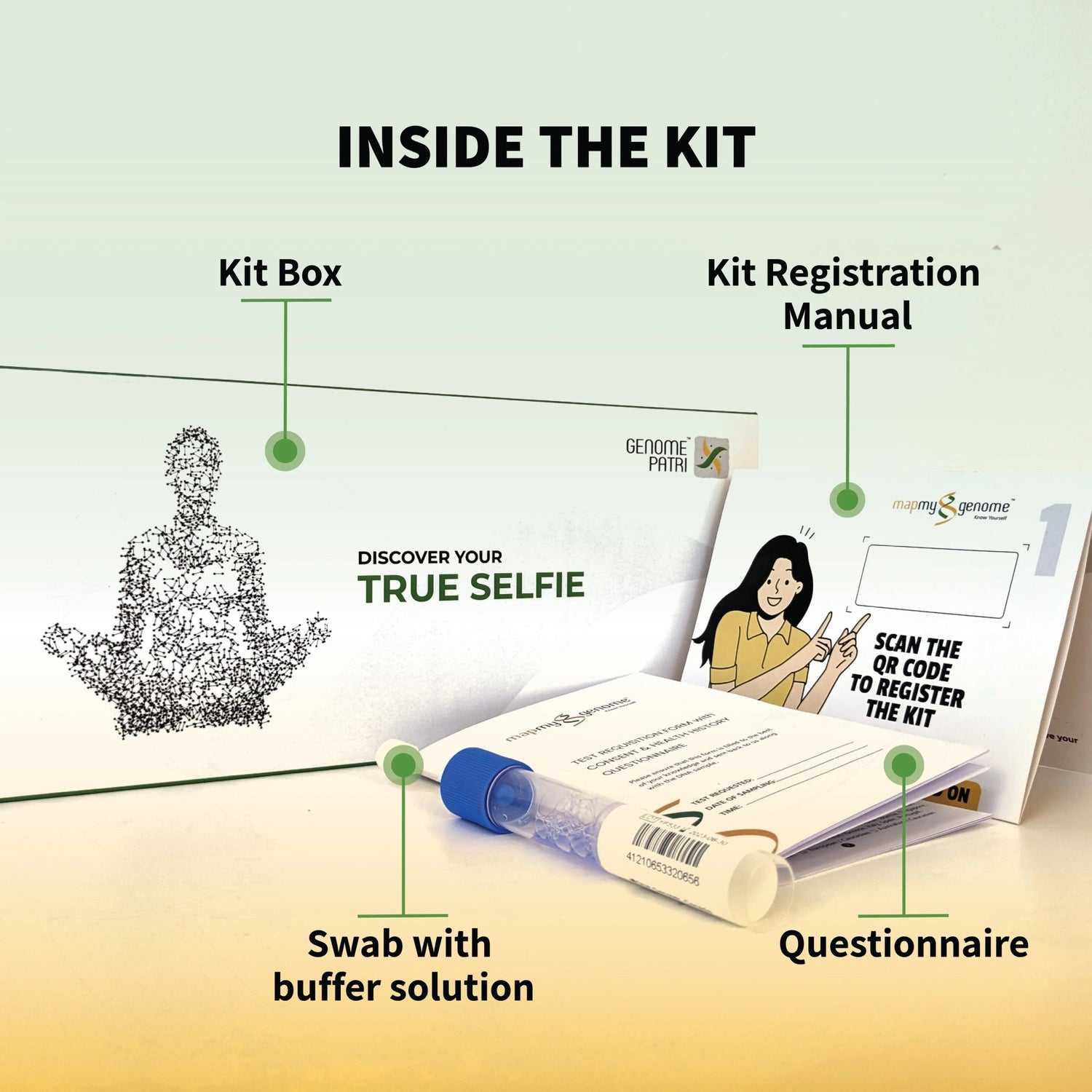
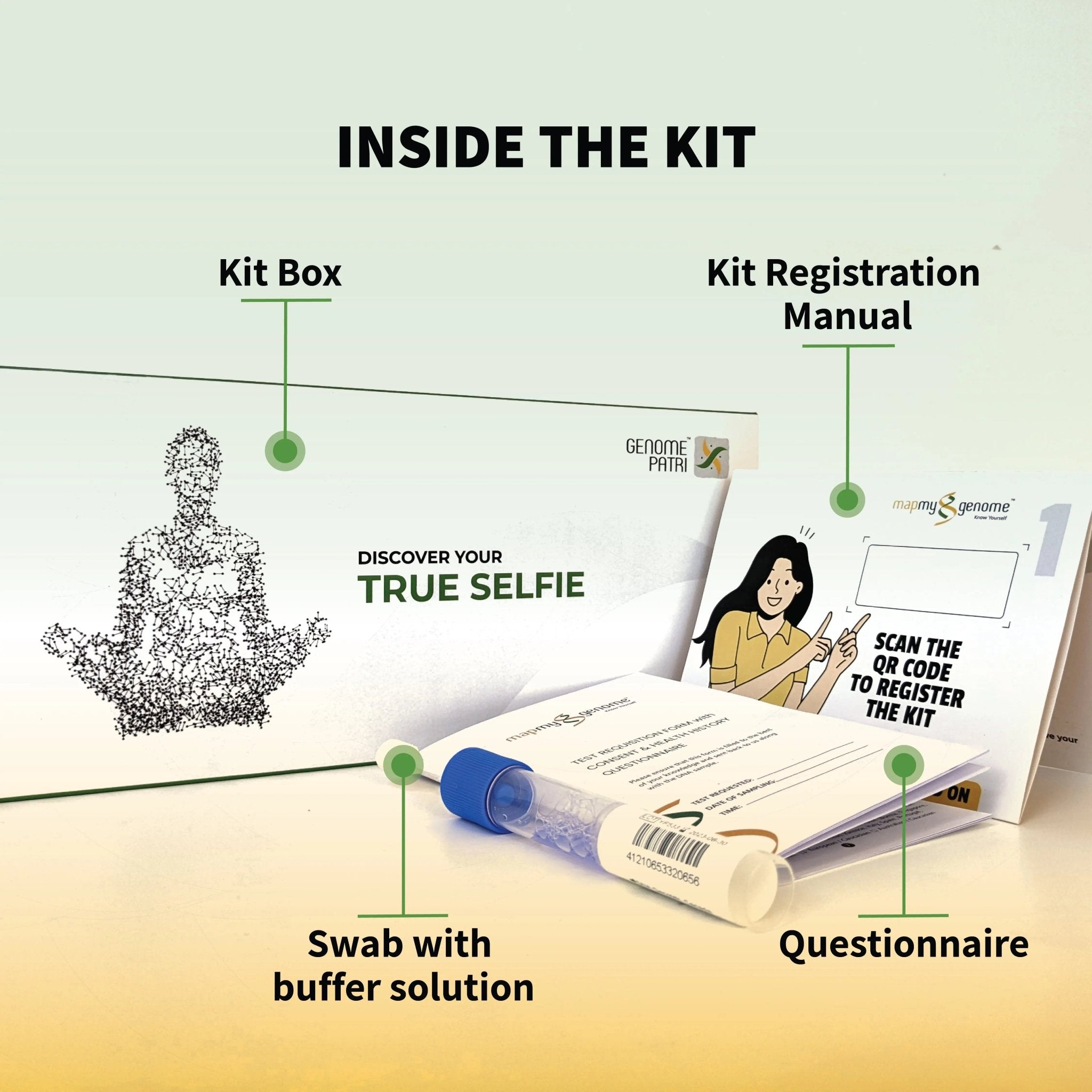
మాప్మైజీనోమ్ (MapmyGenome) ద్వారా జీనోంపత్రి (Genomepatri) సమగ్ర జన్యు అంతర్దృష్టులను వైద్యపరంగా సమీక్షించిన నివేదికలు, NABL మరియు CAP-అక్రిడిటెడ్ ల్యాబ్లలో నిర్వహించిన పరీక్షలు మరియు ధృవీకరించబడిన జన్యు కౌన్సెలింగ్ సెషన్తో మిళితం చేస్తుంది.
అర్థం చేసుకోవడానికి కష్టంగా ఉండే ముడి జన్యు డేటాకు బదులుగా, మీ ఆరోగ్యం, శ్రేయస్సు, పోషకాహారం, ఫిట్నెస్ మరియు వారసత్వంగా వచ్చే రోగ లక్షణాలను బాగా అర్థం చేసుకోవడానికి రూపొందించబడిన వ్యక్తిగతీకరించిన అంతర్దృష్టులను మీరు అందుకుంటారు.
మీ శరీరం ఒత్తిడి, పోషకాహారం, వ్యాయామం లేదా మందులకు ఎలా ప్రతిస్పందిస్తుందో తెలుసుకోవాలని మీరు ఆసక్తిగా ఉన్నా, జీనోంపత్రి మీకు సమాచారంతో కూడిన, చురుకైన ఆరోగ్య నిర్ణయాలను తీసుకోవడానికి సహాయపడుతుంది.
భారతదేశంలో అత్యంత విశ్వసనీయ DNA వెల్నెస్ టెస్ట్ — 2013 నుండి వైద్యపరంగా ధృవీకరించబడింది
మాప్మైజీనోమ్ (MapMyGenome) ద్వారా జీనోంపత్రి (Genomepatri) NABL మరియు CAP-అక్రిడిటెడ్ ల్యాబ్లు, వైద్యపరంగా సమీక్షించిన నివేదికలు మరియు ధృవీకరించబడిన జన్యు కౌన్సెలింగ్ సెషన్పై ఆధారపడి ఉంటుంది — కాబట్టి మీరు ఒంటరిగా అర్థం చేసుకోవడానికి మిగిలిపోయిన ముడి డేటా కాకుండా, మీరు నిజంగా చర్య తీసుకోవడానికి సహాయపడే సమాధానాలను పొందుతారు. 143 సమీక్షల నుండి 4.97/5 రేటింగ్ పొందింది.