

నిజం చెప్పాలంటే: భోజనం చేసిన తర్వాత అసౌకర్యంగా, బద్ధకంగా అనిపించడం దాదాపు అందరికీ తెలిసిన విషయమే. మధ్యాహ్నం 2 గంటలకల్లా మీ జీన్స్ చాలా బిగుతుగా అనిపించే దీర్ఘకాలిక ఉబ్బరం కావచ్చు, లేదా మీ రోజువారీ ప్రణాళికలను నియంత్రించే ఊహించని కడుపు నొప్పి కావచ్చు.
సంవత్సరాల తరబడి, జీర్ణక్రియ సరిగా లేకపోవడం అనేది మీరు దానితో జీవించాల్సిందేనని మాకు చెప్పబడింది. కానీ ఆధునిక సైన్స్ ఒక ఆసక్తికరమైన సత్యాన్ని వెల్లడించింది: మీ జీర్ణ సౌకర్యం, శక్తి, మానసిక స్థితి మరియు మీ రోగనిరోధక వ్యవస్థ కూడా గట్ మైక్రోబయోమ్ అని పిలువబడే మీలోని సంక్లిష్ట పర్యావరణ వ్యవస్థ ద్వారా నిర్వహించబడతాయి.
ఈ పర్యావరణ వ్యవస్థ అభివృద్ధి చెందుతున్నప్పుడు, మీరు ఆపలేని విధంగా భావిస్తారు. ఇది సమతుల్యత లేనప్పుడు, మీ శరీరం అంతా ప్రమాద హెచ్చరికలను చేస్తుంది.
ట్రెండీ సప్లిమెంట్లు లేదా నిర్బంధ డిటాక్స్ల కోసం ఎక్కువ డబ్బు ఖర్చు చేయకుండా గట్ ఆరోగ్యాన్ని ఎలా మెరుగుపరచాలి అని మీరు ఆలోచిస్తున్నట్లయితే, మీరు సరైన ప్రదేశంలో ఉన్నారు.

మరియు చదవండి: జిమ్, గ్రైండ్, మరియు గట్ ఆరోగ్యం: మీ మైక్రోబయోమ్ను ఎందుకు మర్చిపోకూడదు!
ముందుగా, మీ గట్ ఆరోగ్యంగా లేదని మీకు ఎలా తెలుస్తుంది?
సమస్యను పరిష్కరించే ముందు, మనం దానిని గుర్తించాలి. మీ గట్ మైక్రోబయోమ్ డిస్బయోసిస్తో (చెడు బ్యాక్టీరియా మంచి బ్యాక్టీరియాపై అసమతుల్యత) బాధపడుతున్నప్పుడు మీ శరీరం చాలా స్పష్టంగా మాట్లాడుతుంది.
ఈ సాధారణ ఆరోగ్యంగా లేని గట్ సంకేతాలను గమనించండి:
దీర్ఘకాలిక కడుపు నొప్పి: తరచుగా గ్యాస్, తీవ్రమైన ఉబ్బరం, గుండెల్లో మంట లేదా క్రమరహిత ప్రేగు కదలికలు.
ఆపలేని చక్కెర కోరికలు: చెడు బ్యాక్టీరియా శుద్ధి చేసిన చక్కెరపై వృద్ధి చెందుతుంది మరియు మరింత తీపిని కోరడానికి మీ మెదడు రసాయనాన్ని హైజాక్ చేయగలదు.
బ్రెయిన్ ఫాగ్ మరియు తక్కువ మానసిక స్థితి: గట్-బ్రెయిన్ అక్షం కారణంగా, ఇబ్బందికరమైన గట్ తరచుగా మీ మనస్సుకు విపత్తు సంకేతాలను పంపుతుంది.
అకస్మాత్తుగా చర్మ వ్యాధులు: గట్లో మంట తరచుగా ఉపరితలంపైకి వస్తుంది, ఇది ఎగ్జిమా, రోసేసియా లేదా పెద్దవారి మొటిమలుగా కనిపిస్తుంది.
వీటిలో ఏదైనా మీకు తెలిసినట్లయితే, భయపడకండి. మీ మైక్రోబయోమ్ చాలా స్థితిస్థాపకత కలిగి ఉంటుంది. మీ శరీరాన్ని నయం చేయడానికి ఇక్కడ మీ కార్యాచరణ ప్రణాళిక ఉంది.
మీ జీర్ణ ఆరోగ్యాన్ని మెరుగుపరచడానికి 5 దశలు
1. ప్రతి వారం "30-ప్లాంట్ రూల్"ను లక్ష్యంగా చేసుకోండి
మీ గట్ విషయానికి వస్తే, వైవిధ్యమే రాజు. అమెరికన్ గట్ ప్రాజెక్ట్ చేసిన ఒక ముఖ్యమైన అధ్యయనం ప్రకారం, ప్రతి వారం 30 కంటే ఎక్కువ రకాల మొక్కలను తినేవారికి 10 కంటే తక్కువ తినేవారి కంటే గణనీయంగా ఎక్కువ విభిన్న గట్ మైక్రోబయోమ్లు ఉన్నాయని కనుగొన్నారు. "మొక్కలు" పండ్లు, కూరగాయలు, ధాన్యాలు, గింజలు, విత్తనాలు, బీన్స్ మరియు సుగంధ ద్రవ్యాలను కూడా కలిగి ఉంటాయి.

2. పులియబెట్టిన ఆహారాలను సురక్షితంగా పరిచయం చేయండి
చెడు బ్యాక్టీరియాను దూరం చేయడానికి, మీరు మంచి బ్యాక్టీరియాను చురుకుగా ఉపయోగించాలి. ప్రోబయోటిక్ ఆహారాలు సజీవ, ప్రయోజనకరమైన కల్చర్లతో నిండి ఉంటాయి, అవి మీ జీర్ణవ్యవస్థలోకి వలస వచ్చి వెంటనే పని చేయడం ప్రారంభిస్తాయి. కెఫిర్, కిమ్చి లేదా సావర్క్రాట్, మరియు మిసో లేదా టెంపేలను ప్రయత్నించండి.
ప్రో-చిట్కా: చిన్నగా ప్రారంభించండి. రాత్రికి రాత్రి చాలా పులియబెట్టిన ఆహారాలను జోడించడం తాత్కాలిక గ్యాస్కు కారణమవుతుంది. రోజుకు ఒక టేబుల్స్పూన్ సావర్క్రాట్ లేదా కొద్దిగా కెఫిర్తో ప్రారంభించండి మరియు మీ వ్యవస్థను సర్దుబాటు చేయనివ్వండి.
మరియు చదవండి: మైక్రోబయోమ్ మరియు శక్తి - గట్ ఆరోగ్యం మీ శక్తిని ఎలా ప్రభావితం చేస్తుంది

3. మీ ప్రస్తుత బ్యాక్టీరియాకు ప్రీబయోటిక్స్తో పోషించండి
ప్రోబయోటిక్స్ కొత్త బ్యాక్టీరియాను ప్రవేశపెడతాయి, కానీ ప్రీబయోటిక్స్ మీ ప్రస్తుత మంచి బ్యాక్టీరియాను సజీవంగా ఉంచే ఇంధనం. మీ బ్యాక్టీరియా ప్రీబయోటిక్లను వినియోగించినప్పుడు, అవి షార్ట్-చైన్ ఫ్యాటీ యాసిడ్లను (బ్యూటరేట్ వంటివి) ఉత్పత్తి చేస్తాయి, ఇవి మీ గట్ లైనింగ్ను చురుకుగా బాగు చేస్తాయి మరియు బలపరుస్తాయి.
| ప్రధాన ప్రీబయోటిక్ ఆహారాలు | అవి ఎలా సహాయపడతాయి |
| వెల్లుల్లి & ఉల్లిపాయలు | మంట-నిరోధక సూక్ష్మజీవులను పోషించడానికి ఇనులిన్ ఫైబర్తో లోడ్ చేయబడింది. |
| కొద్దిగా ఆకుపచ్చ అరటిపండ్లు | పెద్ద ప్రేగును చెక్కుచెదరకుండా చేరే రెసిస్టెంట్ స్టార్చ్ అధికంగా ఉంటుంది. |
| లీక్స్ & ఆస్పరాగస్ | ప్రయోజనకరమైన Bifidobacteria వృద్ధిని ప్రోత్సహిస్తుంది. |
| ఓట్స్ & బార్లీ | బీటా-గ్లూకాన్ను కలిగి ఉంటుంది, ఇది ఇన్సులిన్ సున్నితత్వాన్ని మరియు గట్ మోటిలిటీని మెరుగుపరుస్తుంది. |
4. ఒత్తిడిని నిర్వహించండి (ఎందుకంటే మీ గట్ వింటోంది)
మీరు సరైన ఆహారం తీసుకున్నప్పటికీ, మీరు దీర్ఘకాలికంగా ఒత్తిడికి గురైనట్లయితే, మీ గట్ బాధపడుతుంది. అధిక ఒత్తిడి స్థాయిలు ప్రేగు పారగమ్యతను (తరచుగా "లీకీ గట్" అని పిలుస్తారు) పెంచుతాయి మరియు మీ జీర్ణ ఆరోగ్యాన్ని శారీరకంగా నెమ్మదింపజేస్తాయి. భోజనానికి ముందు 5 నిమిషాలు లోతైన, డయాఫ్రాగ్మాటిక్ శ్వాసను అభ్యసించండి మరియు 7-8 గంటల నాణ్యమైన నిద్రకు ప్రాధాన్యత ఇవ్వండి.
5. ఉద్దేశపూర్వకంగా హైడ్రేట్ చేయండి
నీరు ఆరోగ్యకరమైన కడుపుకు సులభమైన, ఎక్కువగా విస్మరించబడిన సాధనం. కరిగే ఫైబర్ మీ జీర్ణవ్యవస్థలో స్పాంజిలా పనిచేస్తుంది; తగినంత నీరు లేకపోతే, ఆ ఫైబర్ నిలిచిపోయి, బాధాకరమైన మలబద్ధకం మరియు ఉబ్బరానికి దారితీస్తుంది. రోజంతా స్థిరమైన హైడ్రేషన్ను లక్ష్యంగా చేసుకోండి.

ముగింపు: మీ శరీరాన్ని వినండి
గట్ ఆరోగ్యాన్ని ఎలా మెరుగుపరచాలి అని నేర్చుకోవడం అంటే పరిపూర్ణత గురించి లేదా ఖరీదైన వెల్నెస్ పౌడర్ల బండిని కొనుగోలు చేయడం కాదు. ఇది మిమ్మల్ని సజీవంగా ఉంచే ట్రిలియన్ల చిన్న సహాయకులకు స్వాగతించే వాతావరణాన్ని సృష్టించడం. అల్ట్రా-ప్రాసెస్డ్ స్నాక్లను విభిన్న, ఫైబర్-రిచ్ హోల్ ఫుడ్స్తో మార్చడం మరియు మీ రోజువారీ ఒత్తిడిని నిర్వహించడం ద్వారా, మీరు కేవలం కొన్ని వారాల్లో మీ జీర్ణక్రియను పూర్తిగా మార్చవచ్చు.
మీ గట్కు ఖచ్చితంగా ఏమి అవసరమో తెలుసుకోండి
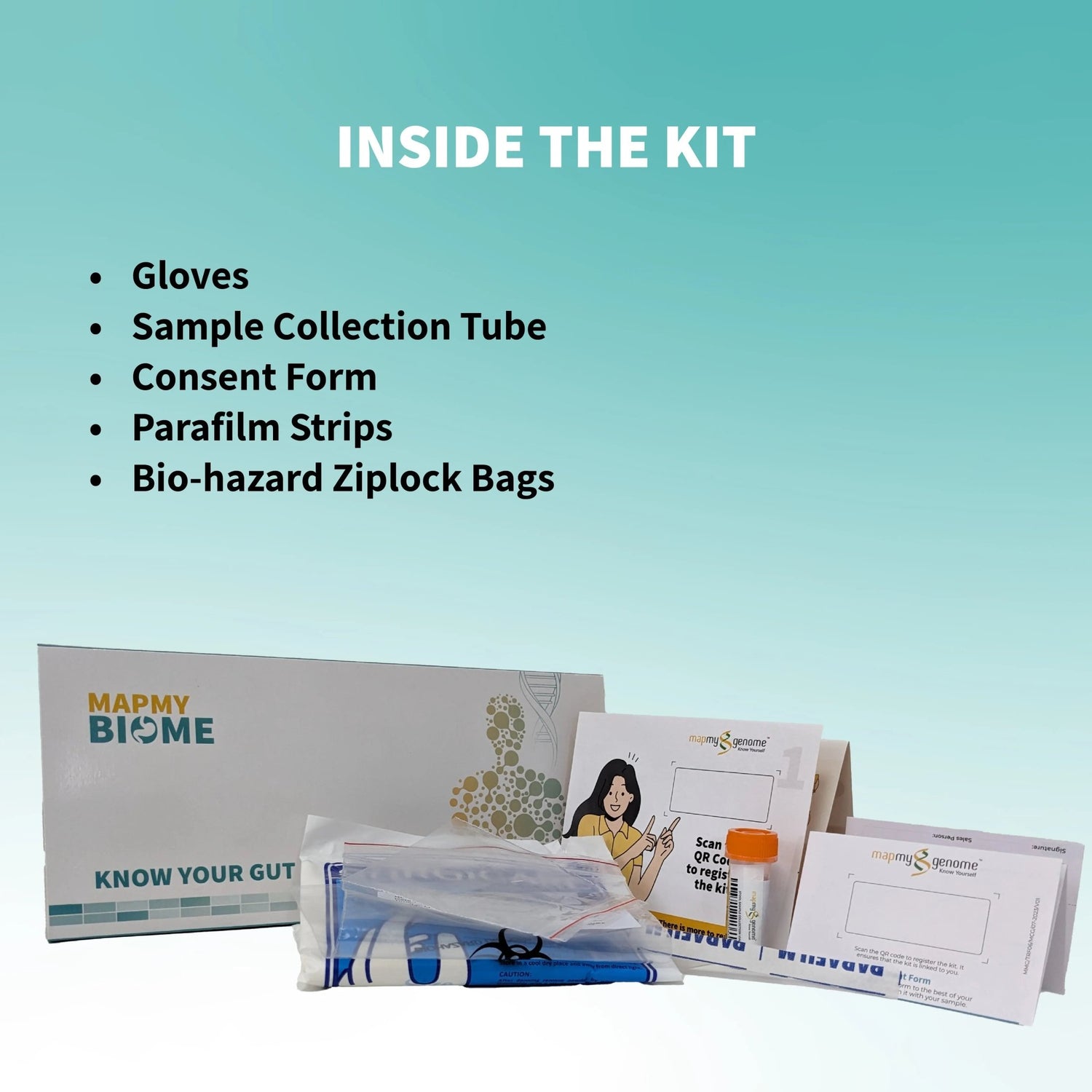
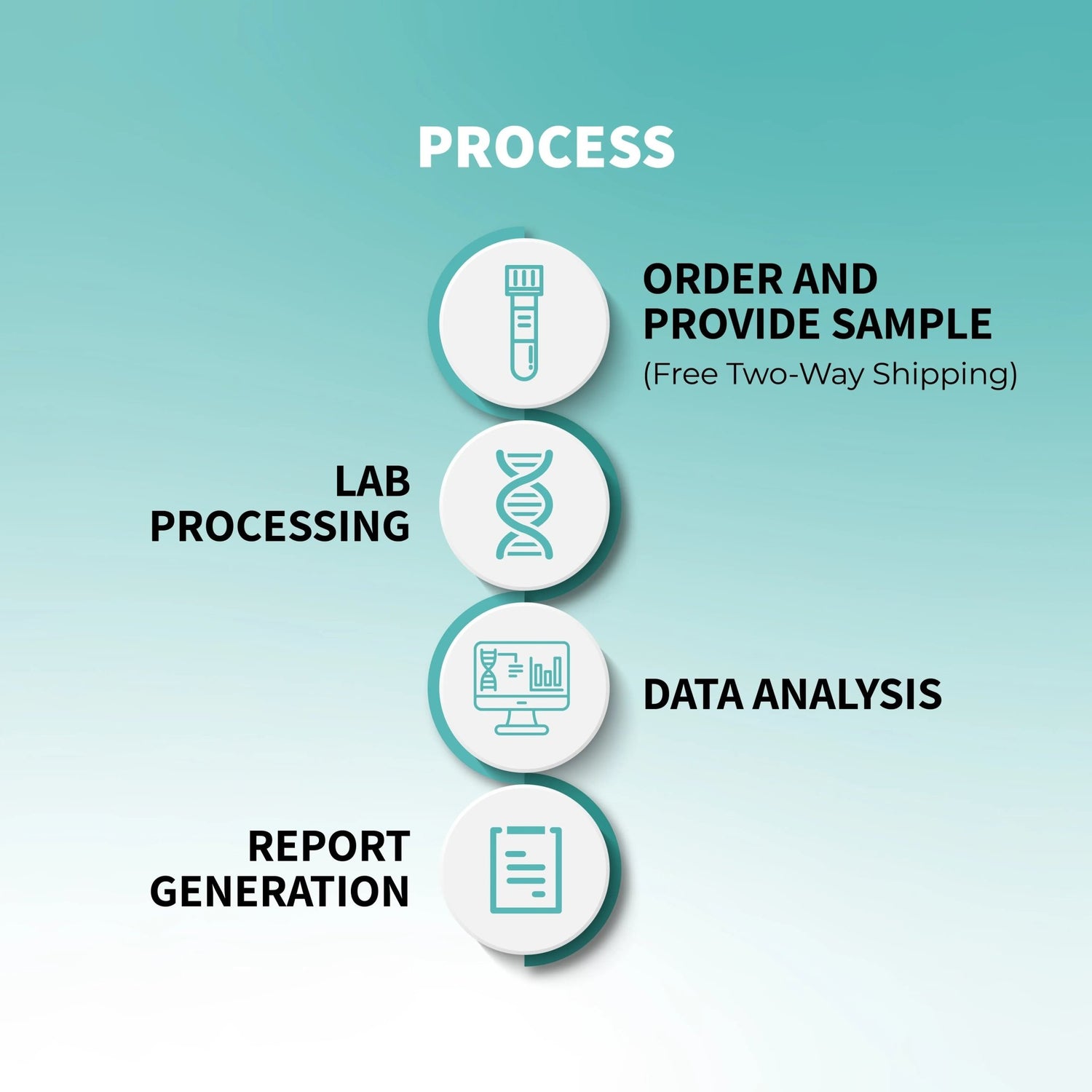
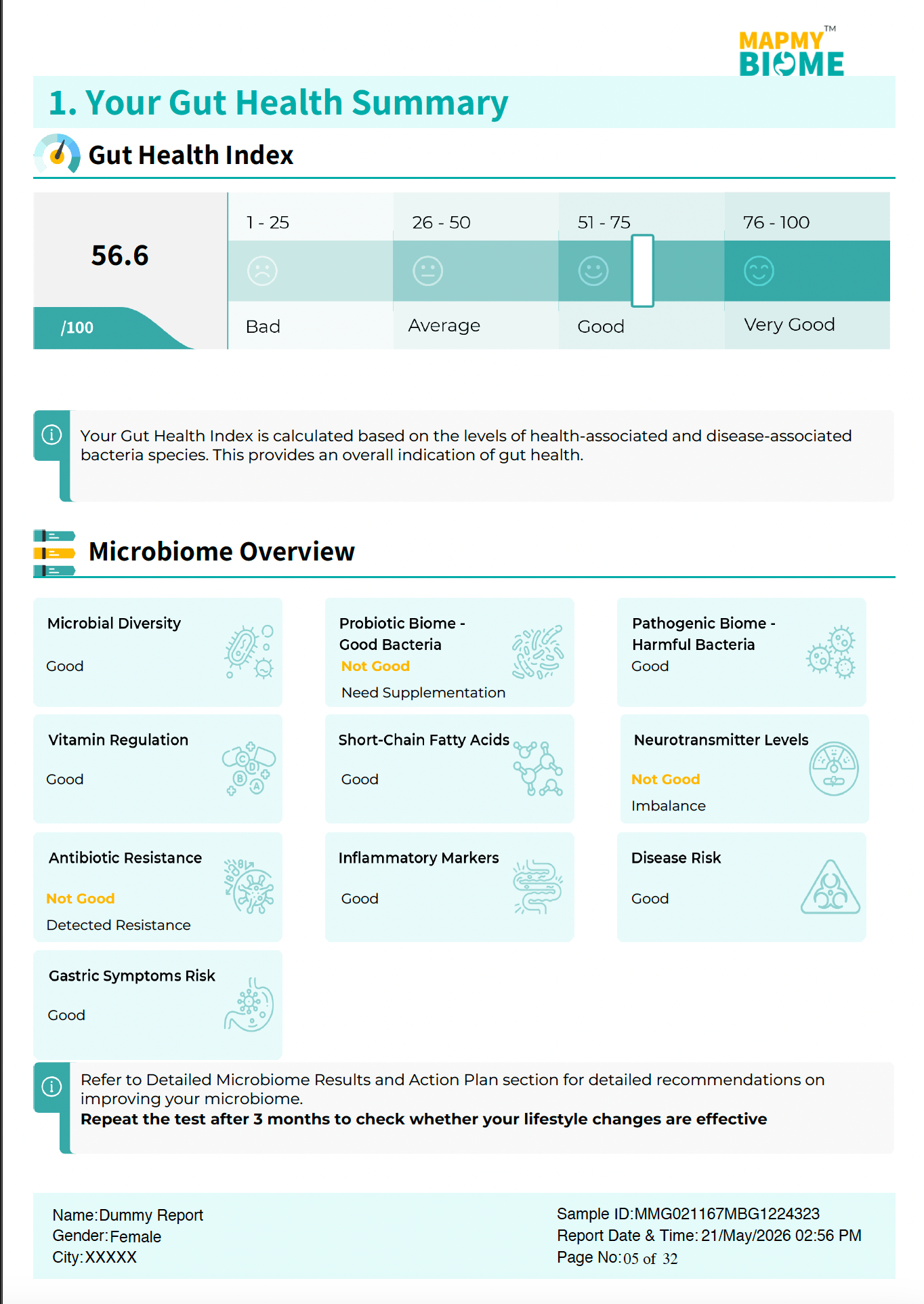
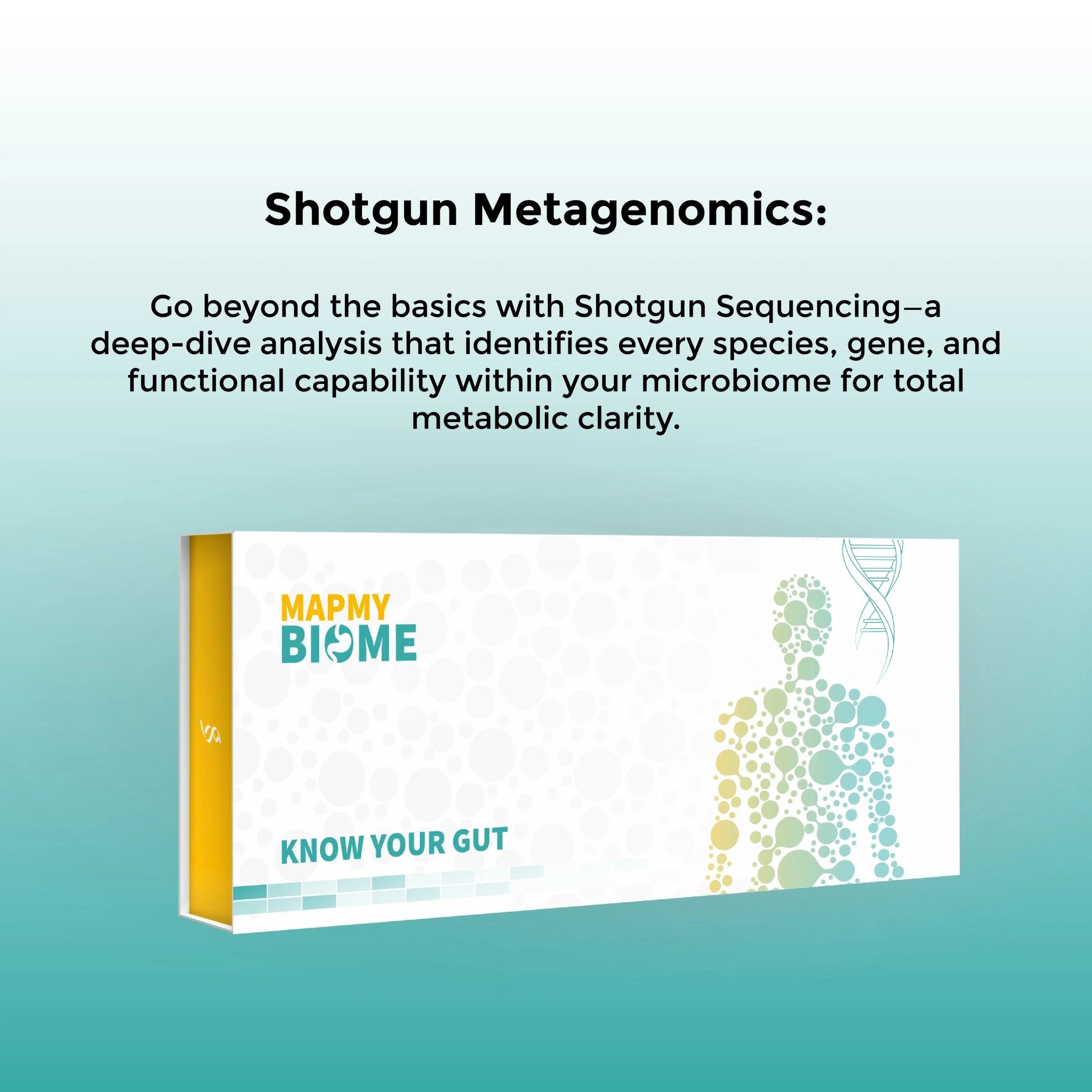
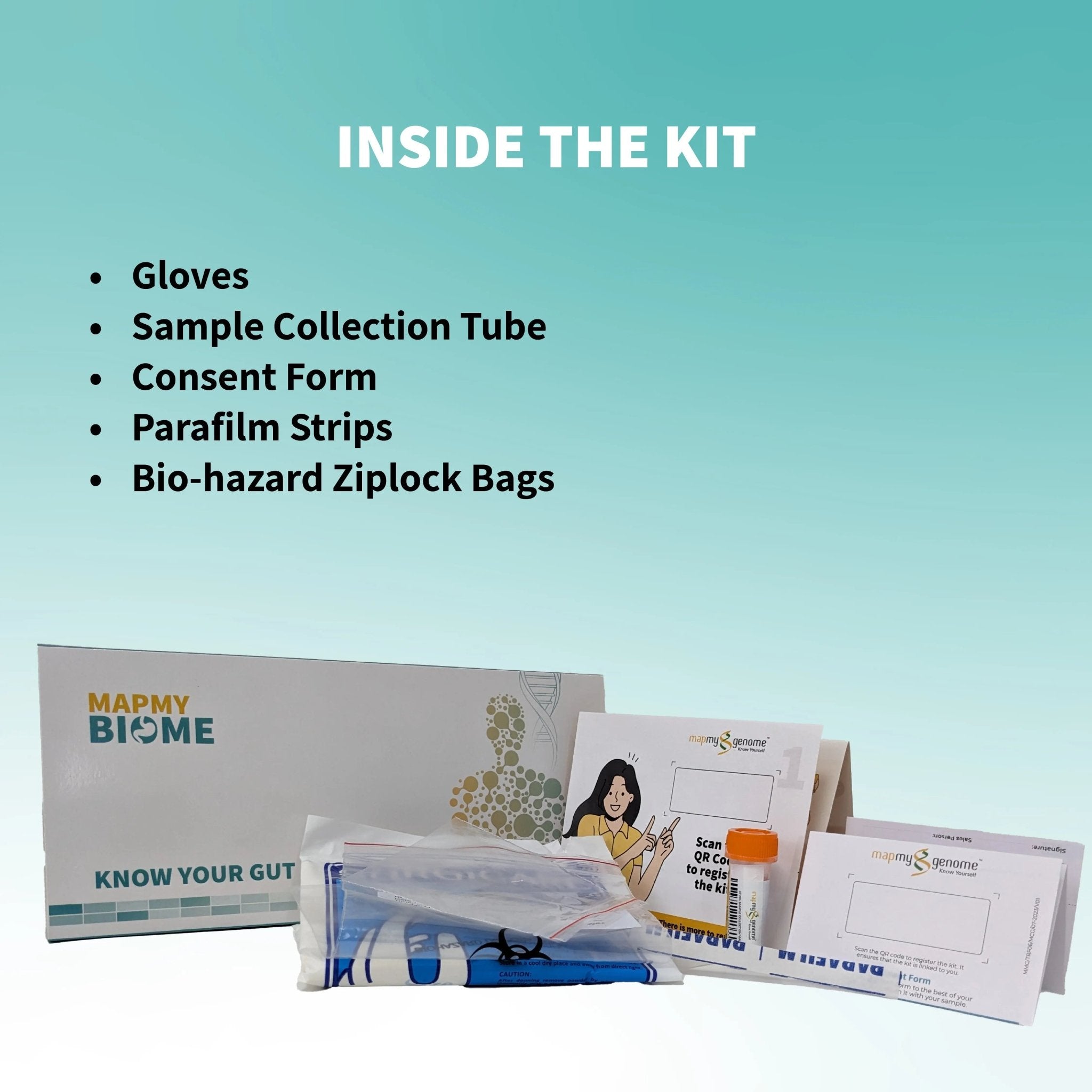
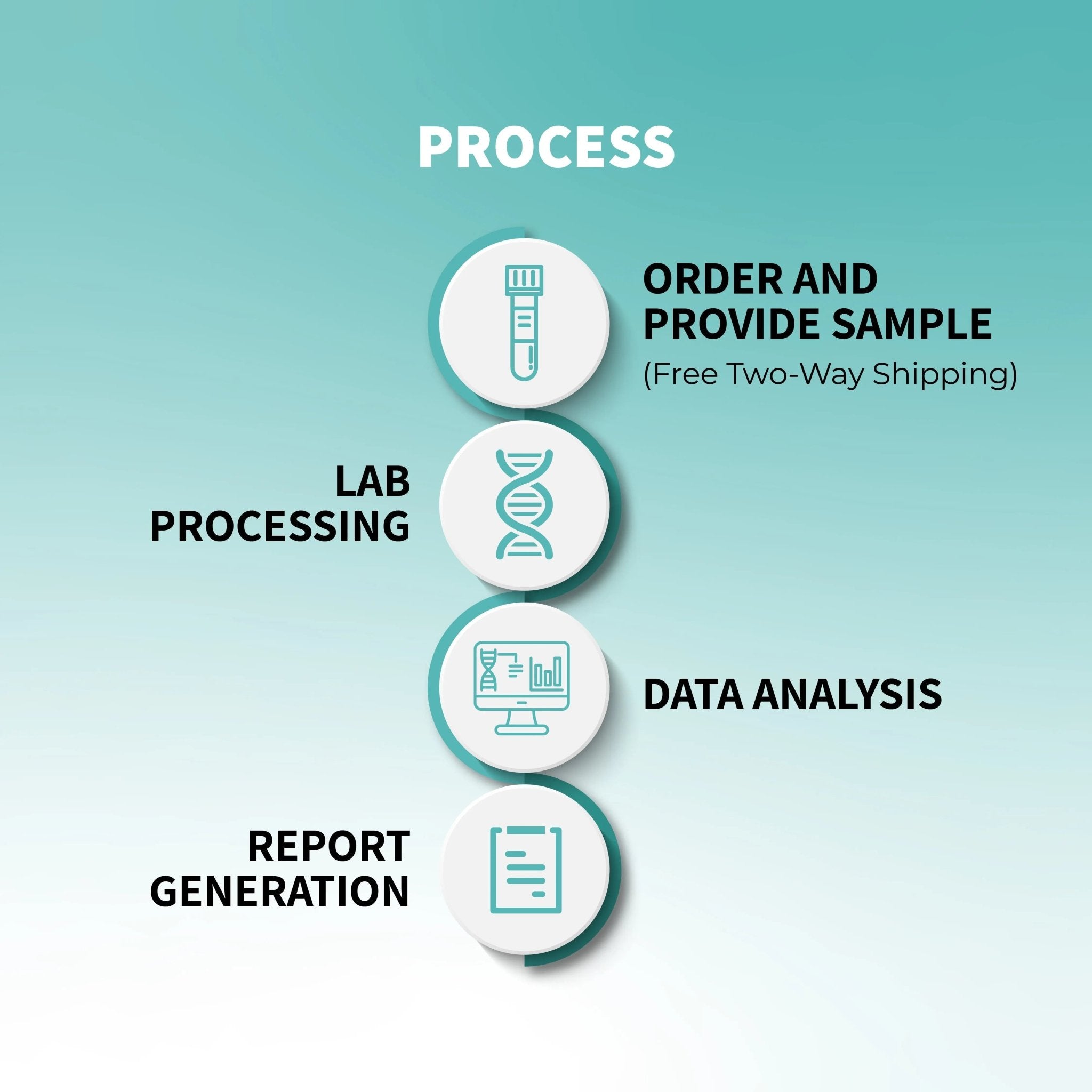
MapmyBiome భారతదేశంలో అత్యంత సమగ్రమైన గట్ మైక్రోబయోమ్ టెస్ట్ — మీ ప్రత్యేకమైన గట్ బ్యాక్టీరియాను మ్యాప్ చేయడానికి మరియు మీకు వ్యక్తిగతీకరించిన ఆహారం, ప్రోబయోటిక్ మరియు జీవనశైలి సిఫార్సులను అందించడానికి షాట్గన్ సీక్వెన్సింగ్ను ఉపయోగిస్తుంది.
MapmyBiomeను అన్వేషించండి → స్టే యంగ్ బండిల్ను అన్వేషించండి →