

మీరు ఐదు నిమిషాలకు పైగా ఆరోగ్య సంబంధిత ఫోరమ్లు లేదా వెల్నెస్ టిక్టాక్లను చూస్తుంటే, మీరు బహుశా భయంకరమైన అక్రోనిమ్ అయిన MTHFRని చూసి ఉంటారు.
"బ్రెయిన్ ఫాగ్ జీన్" లేదా "జెనెటిక్ రోడ్బ్లాక్" అని వెల్నెస్ ఇన్ఫ్లుయెన్సర్లచే పేర్కొనబడిన MTHFR జీన్లోని వైవిధ్యాలు తరచుగా దీర్ఘకాలిక అలసట నుండి అస్తిత్వ భయం వరకు ప్రతిదానికీ కారణమని చెప్పబడుతున్నాయి. మీకు ఈ వేరియంట్ ఉంటే, మీ శరీరం శాశ్వతంగా "విషాన్ని బయటకు పంపడంలో విఫలమవుతుంది" మరియు మీ సాధారణ విటమిన్లు ఆచరణాత్మకంగా పనికిరావు అని మీరు చదివి ఉండవచ్చు.
కానీ మీరు మీ సప్లిమెంట్లను విసిరివేయడానికి లేదా మీ DNA గురించి భయపడటానికి ముందు, ఇంటర్నెట్ ప్రచారం నుండి వాస్తవ జెనోమిక్ సైన్స్ను వేరు చేద్దాం. MTHFR జీన్ నిజానికి ఏమి చేస్తుంది మరియు మీ సెల్యులార్ ఆరోగ్యాన్ని అర్థం చేసుకోవడం మీ జీవితాన్ని ఎలా ఆప్టిమైజ్ చేయడంలో మీకు సహాయపడుతుంది?
మీ సెల్యులార్ రీసైక్లింగ్ వర్కర్ను కలుసుకోండి
MTHFR అంటే మిథైలెనెటెట్రాహైడ్రోఫోలేట్ రిడక్టేస్ (విందు పార్టీలలో చాలా తెలివిగా మాట్లాడటానికి ఒక అద్భుతమైన పదం).
MTHFRను మీ కణాలలో ఒక చిన్న, అత్యంత సమర్థవంతమైన రీసైక్లింగ్ వర్కర్గా భావించండి. పాలకూర, పప్పులు మరియు అవకాడోల వంటి ఆహారాల నుండి మీరు తినే ఫోలేట్ (విటమిన్ B9) ను తీసుకొని, దానిని దాని క్రియాశీల, "బయోఅవైలబుల్" రూపంలోకి మారుస్తుంది: 5-మిథైల్టెట్రాహైడ్రోఫోలేట్.
ఈ క్రియాశీల ఫోలేట్ ఒక ప్రధాన బహుళ-పనిని చేసేది. మీ శరీరం దీనిని దీని కోసం ఉపయోగిస్తుంది:
DNAను రిపేర్ చేసి నిర్మిస్తుంది (చాలా ముఖ్యమైనది).
హోమోసిస్టీన్ స్థాయిలను నియంత్రిస్తుంది (గుండె ఆరోగ్యానికి సమతుల్యంగా ఉండాల్సిన అమైనో ఆమ్లం).
సెరోటోనిన్, డోపమైన్ మరియు నోర్పైన్ఫ్రిన్ వంటి న్యూరోట్రాన్స్మిటర్లను సృష్టిస్తుంది (మిమ్మల్ని సంతోషంగా మరియు ప్రేరణతో ఉంచే మెదడు రసాయనాలు).
మెదడు రసాయన శాస్త్రం మరియు సెల్యులార్ శక్తిలో ఫోలేట్ తెర వెనుక పాత్ర పోషిస్తుంది కాబట్టి, MTHFRను మానసిక స్థితి మరియు మానసిక స్పష్టతకు ప్రజలు ఎందుకు అనుసంధానించడం ప్రారంభించారో సులభంగా చూడవచ్చు. అయితే ఇక్కడే ఇంటర్నెట్ అతిశయోక్తిలోకి భారీ, నాటకీయమైన దూకును చేస్తుంది.
"జెనెటిక్ రోడ్బ్లాక్" యొక్క మిథ్య
వెల్నెస్ బ్లాగ్లు MTHFR జన్యు వైవిధ్యాన్ని అరుదైన, విరిగిన అడ్డంకిగా చిత్రీకరించడానికి ఇష్టపడతాయి. వాస్తవం? ఇది చాలా సాధారణం, పూర్తిగా సాధారణమైనది మరియు ఖచ్చితంగా మిమ్మల్ని మ్యూటెంట్గా చేయదు.
MTHFR యొక్క రెండు అత్యంత విస్తృతంగా అధ్యయనం చేయబడిన వైవిధ్యాలు C677T మరియు A1298C. మీ పూర్వీకులపై ఆధారపడి, ప్రపంచ జనాభాలో 30% నుండి 50% మంది ఈ వైవిధ్యాలలో కనీసం ఒక కాపీని కలిగి ఉన్నారు. చాలా మంది ప్రజలకు, ఈ స్వల్ప మందగమనం రోజువారీ ఆరోగ్యంపై ఎటువంటి ప్రభావాన్ని చూపదు.
శాస్త్రీయ వాస్తవం: MTHFR వేరియంట్ ఉండటం అంటే మీ జన్యువు విరిగింది లేదా మీరు ఫోలేట్ను ప్రాసెస్ చేయలేరు అని అర్థం కాదు. మీ బయోకెమికల్ రీసైక్లింగ్ వర్కర్ మరొకరి కంటే కొద్దిగా నెమ్మదిగా కదులుతుంది అని మాత్రమే దీని అర్థం.
ఎపిజెనెటిక్స్ శక్తి: మీ మిథైలేషన్ను ట్రాక్ చేయడం
మీరు MTHFR గురించి మాట్లాడేటప్పుడు ఆధునిక వైద్యంలో అత్యంత ఉత్తేజకరమైన రంగాలలో ఒకదానిలోకి వెళ్లకుండా ఉండలేరు: ఎపిజెనెటిక్స్.
ఎపిజెనెటిక్స్ అనేది మీ ప్రవర్తనలు మరియు పర్యావరణం—మీ ఆహారం, వ్యాయామం, నిద్ర మరియు ఒత్తిడి స్థాయిల వంటివి—మీ జన్యువులు తమను తాము ఎలా వ్యక్తం చేసుకుంటాయో ఎలా ప్రభావితం చేస్తాయో అధ్యయనం చేస్తుంది. MTHFR దీనికి నేరుగా అనుసంధానించబడి ఉంది, ఎందుకంటే అది సృష్టించడానికి సహాయపడే క్రియాశీల ఫోలేట్ మీ శరీరానికి మిథైల్ గ్రూప్లను అందిస్తుంది - DNA మిథైలేషన్ అనే ముఖ్యమైన ప్రక్రియలో ఉపయోగించే చిన్న సెల్యులార్ "స్టిక్కీ నోట్స్".
ఎపిజెనెటిక్ టెస్టింగ్ యొక్క నిజమైన విలువ
మీరు మాయా మాత్రతో MTHFR వేరియంట్ను "నయం" చేయలేనప్పటికీ, మీ మొత్తం జీవనశైలి మీ DNA మిథైలేషన్ను ఎలా ప్రభావితం చేస్తుందో మీరు కొలవగలరు. ఇక్కడే Mapmyepigenome వంటి అధునాతన సాధనాలు అమలులోకి వస్తాయి - మీ జన్యు వ్యక్తీకరణ యొక్క ప్రస్తుత స్థితిని, మీ సెల్యులార్ వయస్సును మరియు మీ జీవనశైలి ఎంపికలు మీ జీవ ఆరోగ్యాన్ని ఎంతవరకు సమర్థిస్తున్నాయో చూడటం.
MTHFR నిజానికి బ్రెయిన్ ఫాగ్ మరియు అలసటను కలిగిస్తుందా?
మీరు వివరించలేని బ్రెయిన్ ఫాగ్, బద్ధకం లేదా తక్కువ శక్తితో బాధపడుతుంటే, స్పష్టమైన సమాధానం కావాలని కోరుకోవడం పూర్తిగా సరైనది. కానీ MTHFRను మాత్రమే నిందించడం మీ శరీరం ఎంత అద్భుతమైనది - మరియు సంక్లిష్టమైనది - అనేదానిని చాలా సరళీకృతం చేస్తుంది.
సాధారణ MTHFR వైవిధ్యాలను దీర్ఘకాలిక అలసట లేదా బ్రెయిన్ ఫాగ్తో అనుసంధానించడానికి తగినంత క్లినికల్ ఆధారాలు లేవని ప్రధాన వైద్య సంస్థలు స్పష్టంగా పేర్కొంటున్నాయి. శక్తి, మానసిక స్థితి మరియు అభిజ్ఞా పనితీరు పాలీజెనిక్ మరియు బహుళ-కారకమైనవి — నిద్ర నాణ్యత, దీర్ఘకాలిక ఒత్తిడి, ఆహార పద్ధతులు, గట్ మైక్రోబయోమ్ ఆరోగ్యం మరియు తక్కువ విటమిన్ డి, B12 లేదా ఐరన్ వంటి ప్రాథమిక లోపాల ద్వారా చాలా ఎక్కువగా నడిపించబడతాయి.
అతిశయోక్తి లేని కార్యాచరణ ప్రణాళిక: తదుపరి ఏమి చేయాలి
1. ప్రకృతి మాత యొక్క ఫోలేట్ను పెంచుకోండి
మీ ప్లేట్లో సహజమైన, ఫోలేట్ అధికంగా ఉండే ఆహారాలను నింపండి: ముదురు ఆకుకూరలు (పాలకూర, కాలీఫ్లవర్, రోమైన్), ఆస్పరాగస్ మరియు బ్రోకలీ, పప్పుధాన్యాలు (కందిపప్పు, శనగలు, నల్ల బీన్స్), మరియు అవకాడోలు మరియు సిట్రస్ పండ్లు.
2. వ్యక్తిగతీకరించండి, భయపడకండి
సమతుల్య ఆహారం కొద్దిగా నెమ్మదైన ఎంజైమ్తో కూడా శరీరాన్ని అందంగా నడపడానికి సరిపోతుంది. మీరు గర్భధారణను ప్లాన్ చేస్తుంటే లేదా నిర్దిష్ట హృదయనాళ ప్రమాదాలను నిర్వహిస్తుంటే, మీ డాక్టర్ లేదా జన్యు సలహాదారుతో నేరుగా మాట్లాడండి.
3. కాలక్రమేణా మీ పురోగతిని ట్రాక్ చేయండి
మీ ఎపిజెనెటిక్స్ మీ పర్యావరణానికి ప్రతిస్పందనగా మారినందున, మీ ఎంపికలు ముఖ్యమైనవి. మీరు మీ ఆహారం, నిద్ర మరియు ఒత్తిడి స్థాయిలకు ప్రధాన నవీకరణలు చేస్తే, కాలక్రమేణా మీ సెల్యులార్ ఆరోగ్యం మరియు జీవ వయస్సు ఎలా ప్రతిస్పందిస్తాయో పర్యవేక్షించడానికి మీరు ఎపిజెనెటిక్ ట్రాకింగ్ను ఉపయోగించవచ్చు.
ముగింపు
MTHFR వేరియంట్ ఒక వ్యాధి లేదా జన్యు లోపం కాదు—ఇది మానవ వైవిధ్యంలో ఒక సాధారణ భాగం. మీ DNA ఒక బ్లూప్రింట్, కానీ మీ ఎపిజెనెటిక్స్ ఆ బ్లూప్రింట్ ఎలా చదవబడుతుందో నిర్ణయిస్తుంది. సోషల్ మీడియా ప్రచారాన్ని తగ్గించడం ద్వారా, మీ శరీరానికి పూర్తి ఆహారాలను అందించడం ద్వారా మరియు స్థిరమైన జీవనశైలి అలవాట్లపై దృష్టి పెట్టడం ద్వారా, మీ జన్యు వ్యక్తీకరణను ఆప్టిమైజ్ చేయడానికి మీకు అవసరమైన అన్ని సాధనాలు ఉన్నాయి.
అతిశయోక్తికి మించి వెళ్ళండి — మీ వాస్తవ DNAను అర్థం చేసుకోండి
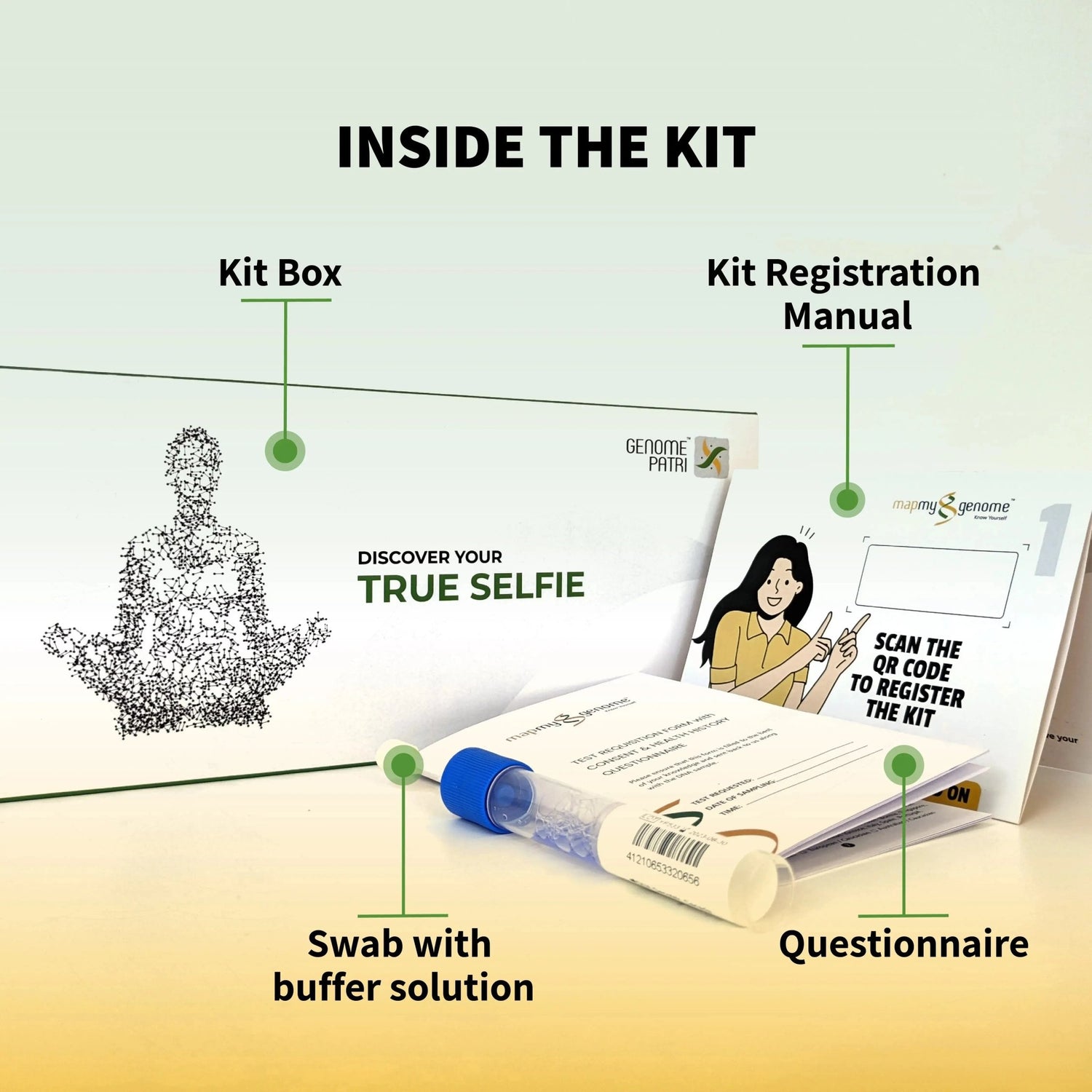
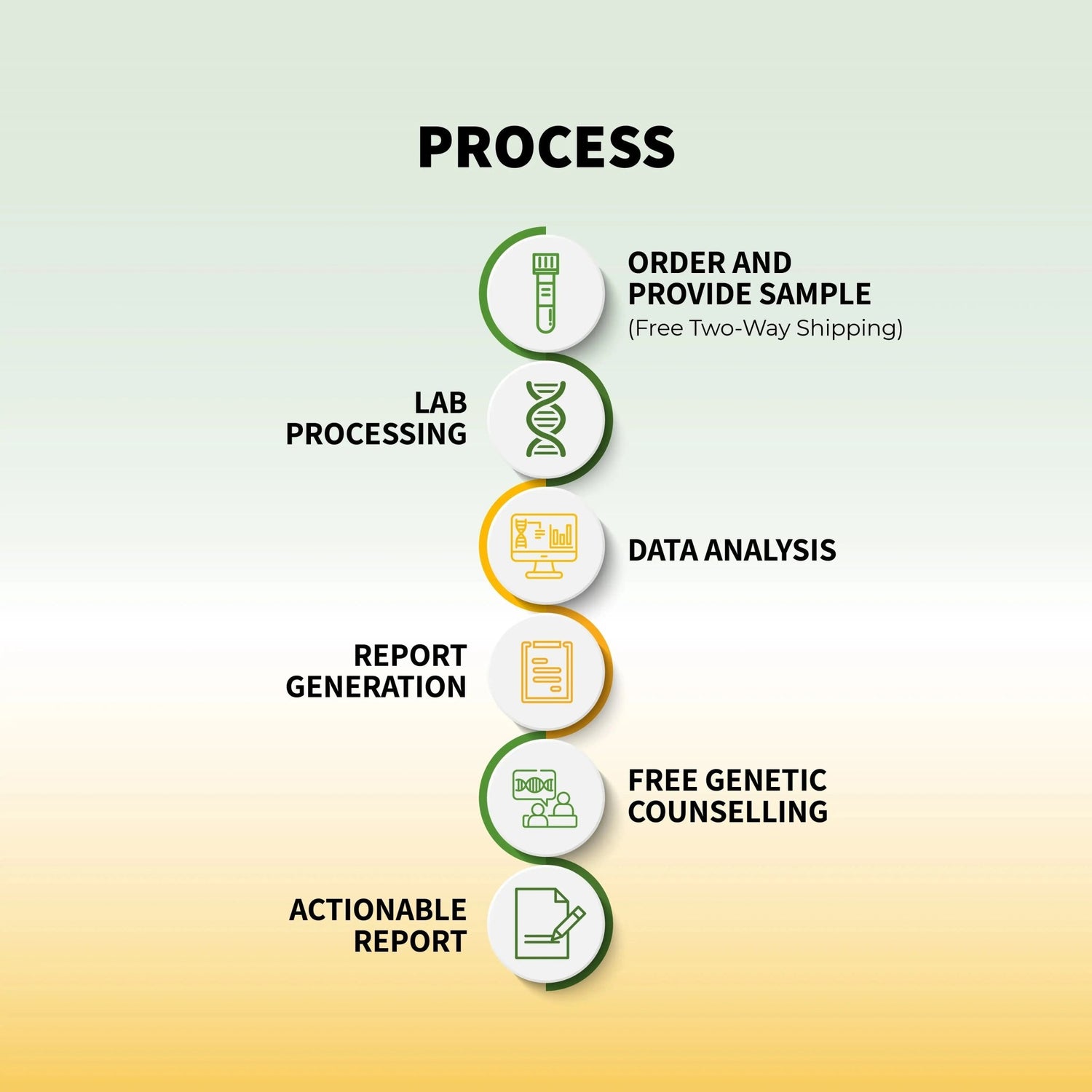
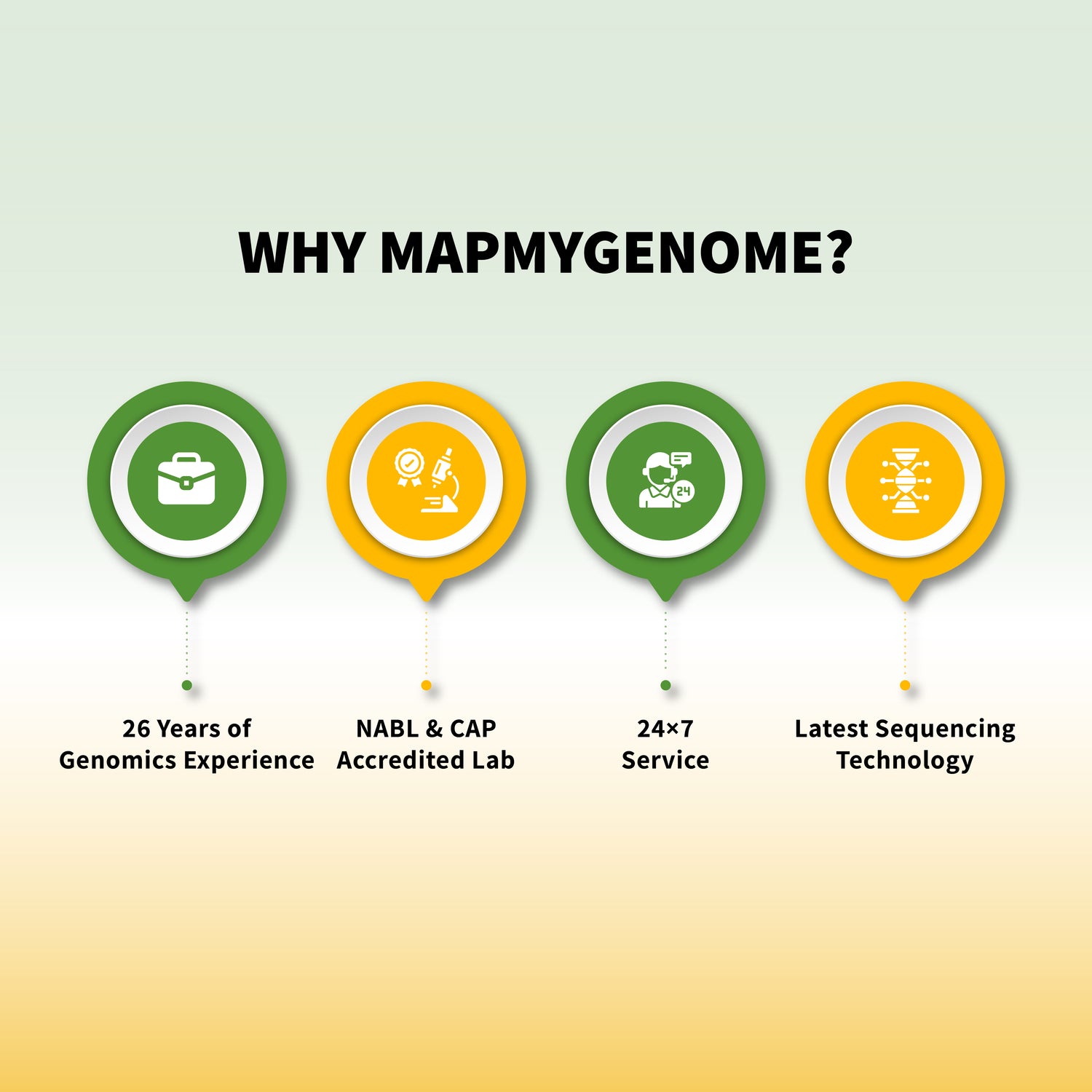
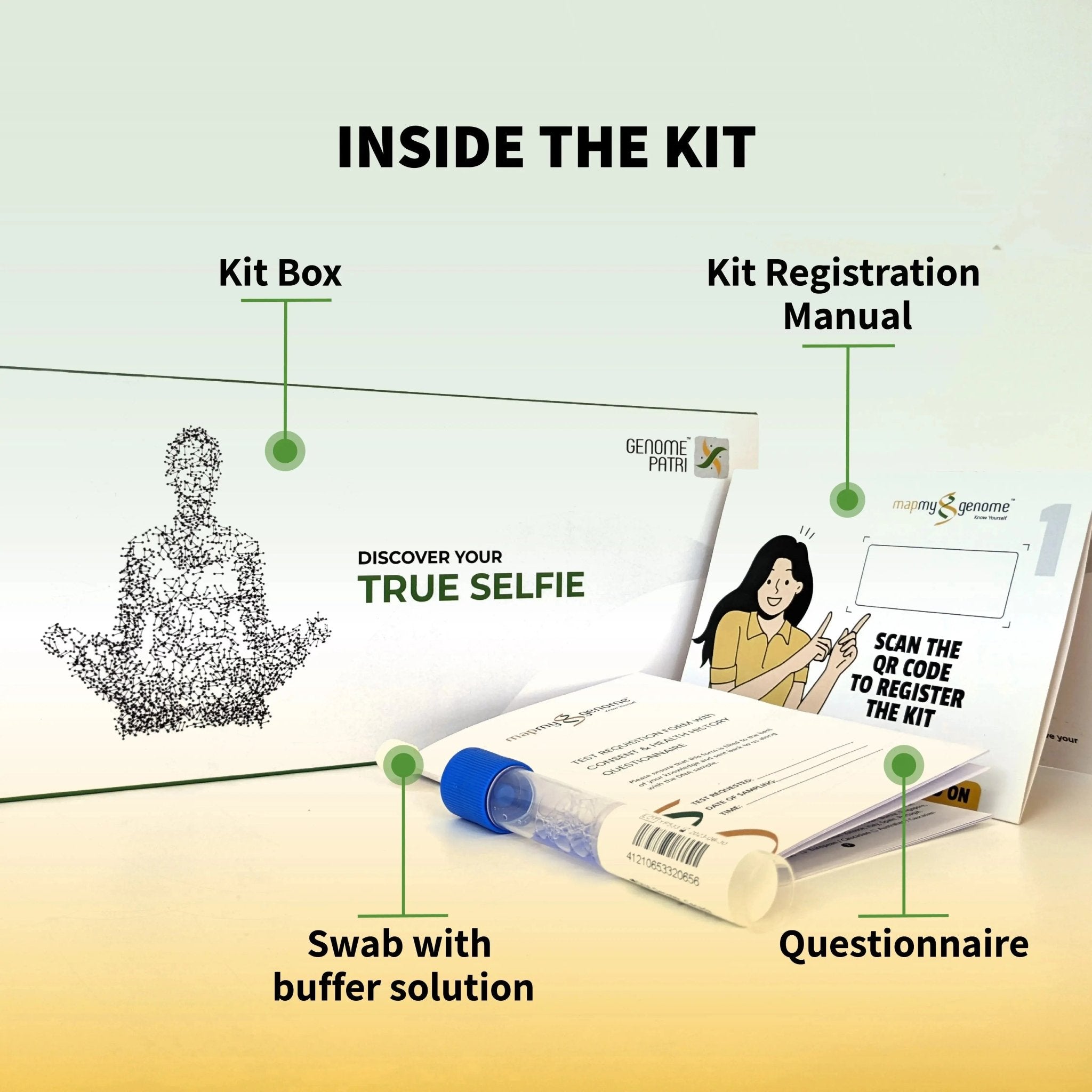
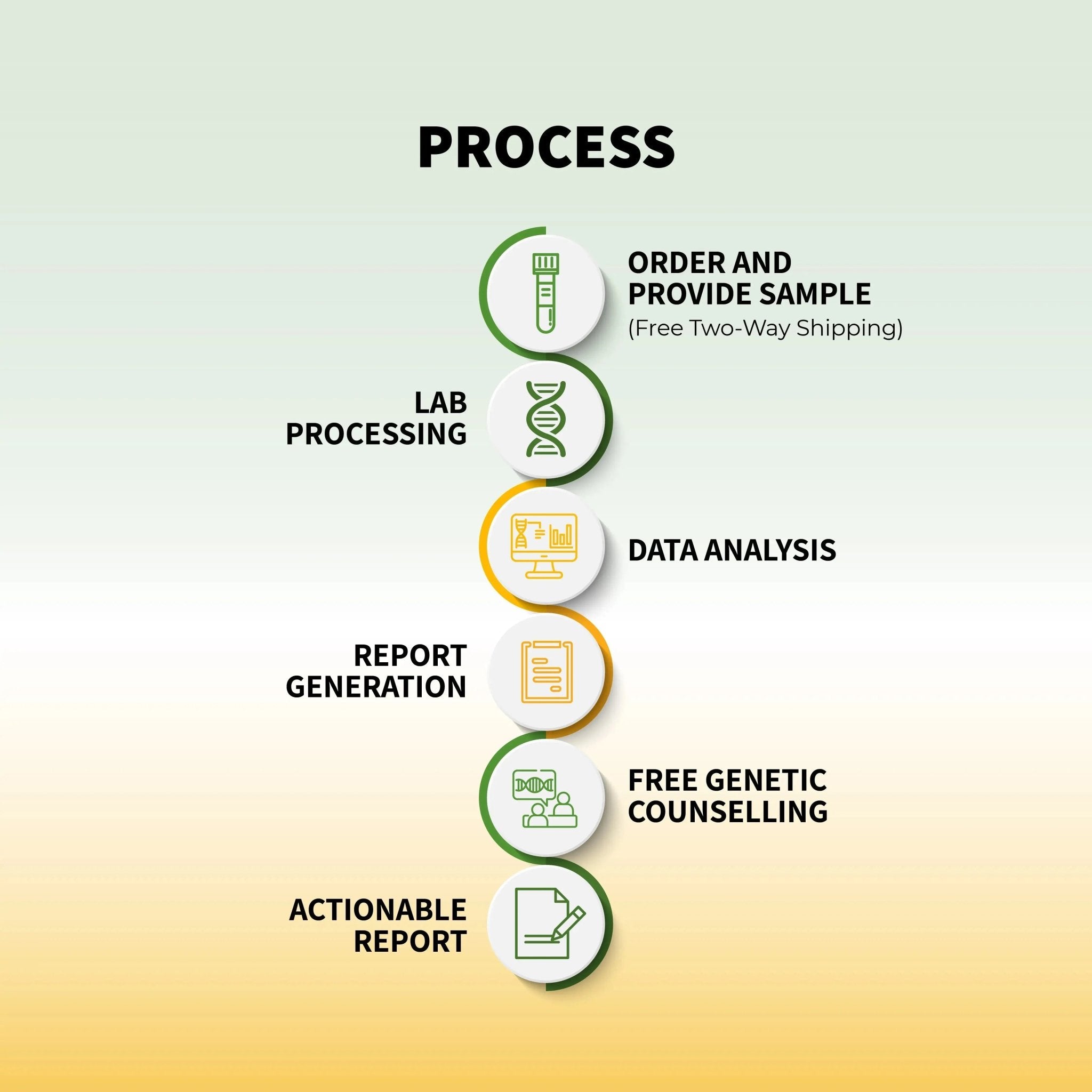
MapmyGenome ద్వారా Genomepatri అనేది 100+ లక్షణాలు మరియు ఆరోగ్య పరిస్థితులను కవర్ చేసే శాస్త్రీయంగా మద్దతు ఉన్న జన్యు ఆరోగ్య నివేదికను మీకు అందిస్తుంది. మీ జీవ వయస్సును ట్రాక్ చేయడానికి మరియు మీ జీవనశైలి మీ జన్యు వ్యక్తీకరణను నిజ సమయంలో ఎలా రూపొందిస్తుందో చూడటానికి Mapmyepigenomeతో దీన్ని జత చేయండి.
Genomepatriని అన్వేషించండి → Mapmyepigenomeను అన్వేషించండి →