

డిప్రెషన్కు సరైన చికిత్సను కనుగొనడం తరచుగా ప్రయత్నం మరియు లోపం యొక్క అలసిపోయే ప్రయాణం వలె అనిపించవచ్చు. చాలా మందికి, సాంప్రదాయ మానసిక ఆరోగ్య మార్గం యాంటిడిప్రెసెంట్ను ప్రయత్నించడం, అది ప్రభావం చూపుతుందో లేదో చూడటానికి వారాలు వేచి ఉండటం, ఊహించని దుష్ప్రభావాలను నిర్వహించడం మరియు మొదటిది విఫలమైనప్పుడు తరచుగా వేరే ప్రిస్క్రిప్షన్కు మారడం వంటివి కలిగి ఉంటుంది.
ఒక మందు ఆశించిన ఉపశమనాన్ని అందించకపోతే, అది వ్యక్తిగత వైఫల్యం కాదు-మరియు అది రోగ నిర్ధారణ యొక్క లోపం కూడా కాదు. సమాధానం తరచుగా మీ ప్రత్యేక జన్యు బ్లూప్రింట్ లోపల దాగి ఉంటుంది.
ఫార్మకోజెనోమిక్స్ (PGx) — ఔషధానికి మీ ప్రతిస్పందనను మీ DNA ఎలా ప్రభావితం చేస్తుందో అధ్యయనం చేయడం — మనస్తత్వ శాస్త్రం ప్రామాణిక ఊహాగానాల నుండి ఖచ్చితమైన ఔషధం వైపు మారుతోంది. MapmyGenome యొక్క మెడికామ్యాప్™ వంటి అధునాతన సాధనాలను ఉపయోగించడం ద్వారా, మీ జన్యు ప్రొఫైల్ మొదటి రోజు నుంచే అత్యంత ప్రభావవంతమైన యాంటిడిప్రెసెంట్ వైపు మీ వైద్యుడిని నడిపించగలదు, “హిట్-ఆర్-మిస్” విధానాన్ని దాటవేయడానికి మీకు సహాయపడుతుంది.
ప్రెసిషన్ మెడిసిన్ ఇన్సైట్: మానసిక ఆరోగ్య సంరక్షణ అందరికీ సరిపోదు. ఫార్మకోజెనోమిక్స్ ప్రామాణిక ఔషధ అంచనా ఆటను తొలగించడం ద్వారా భావోద్వేగ శ్రేయస్సుకు వేగవంతమైన, సురక్షితమైన మార్గాన్ని కనుగొనడానికి మీ అంతర్గత జీవరసాయన శాస్త్రాన్ని డీకోడ్ చేస్తుంది.
జీవసంబంధ లింక్: SNPs, లివర్ ఎంజైమ్లు మరియు యాంటిడిప్రెసెంట్లు
మీరు సెలెక్టివ్ సెరోటోనిన్ రీఅప్టేక్ ఇన్హిబిటర్ (SSRI) వంటి యాంటిడిప్రెసెంట్ను తీసుకున్నప్పుడు, మీ శరీరం ఔషధాన్ని గ్రహించి, సక్రియం చేసి, చివరికి క్లియర్ చేయాలి. ఈ జీవక్రియ ప్రక్రియ సైటోక్రోమ్ P450 (CYP450) అని పిలువబడే కాలేయ ఎంజైమ్ల యొక్క నిర్దిష్ట కుటుంబం ద్వారా భారీగా నియంత్రించబడుతుంది.
అయితే, మన DNAలోని చిన్న తేడాలు — వీటిని సింగిల్ న్యూక్లియోటైడ్ పాలిమార్ఫిజమ్స్ (SNPs) అని పిలుస్తారు — ఈ ఎంజైమ్లు ఎలా పని చేస్తాయో రాడికల్గా మార్చగలవు. ఈ జన్యు వైవిధ్యాల కారణంగా, ఇద్దరు వ్యక్తులు ఒకే ఔషధం యొక్క ఒకే మోతాదును తీసుకోవచ్చు మరియు పూర్తిగా వ్యతిరేక ఫలితాలను అనుభవించవచ్చు.
మీ జన్యు ఔషధ జీవక్రియ స్థితిని అర్థం చేసుకోవడం
మీ జన్యు ప్రొఫైల్ మీ నిర్దిష్ట ఔషధ జీవక్రియ స్థితిని నిర్ణయిస్తుంది. సాధారణంగా, వ్యక్తులు నాలుగు వర్గాలలో ఒకదానిలో పడతారు, ప్రతి ఒక్కటి మీ సిస్టమ్లో మానసిక మందులు ఎలా ప్రవర్తిస్తాయో ప్రభావితం చేస్తుంది:
| మెటబోలైజర్ స్థితి | బయోలాజికల్ ప్రొఫైల్ | డిప్రెషన్ చికిత్సపై ప్రభావం |
| అల్ట్రా-ర్యాపిడ్ | మీ కాలేయం ఔషధాన్ని చాలా వేగంగా విచ్ఛిన్నం చేస్తుంది. | ఔషధం ప్రభావం చూపకముందే క్లియర్ చేయబడుతుంది, ఇది చికిత్స వైఫల్యంగా భావించబడుతుంది. |
| సాధారణ (విస్తృతమైన) | మీ శరీరం ఔషధాన్ని ప్రామాణిక రేటుతో ప్రాసెస్ చేస్తుంది. | మీరు సాధారణ మోతాదులో ఆశించిన క్లినికల్ ప్రయోజనాలను అనుభవించే అవకాశం ఉంది. |
| ఇంటర్మీడియట్ | మీ జీవక్రియ రేటు సగటు కంటే నెమ్మదిగా ఉంటుంది. | మీరు ఔషధాన్ని నెమ్మదిగా ప్రాసెస్ చేయవచ్చు, ఇది కొన్నిసార్లు దుష్ప్రభావాలకు కారణమవుతుంది. |
| పేద | మీ కాలేయం ఔషధాన్ని చాలా నెమ్మదిగా ప్రాసెస్ చేస్తుంది. | ఔషధం మీ సిస్టమ్లో పేరుకుపోతుంది, విషపూరిత ప్రతికూల ఔషధ ప్రతిచర్యలు (ADRs) ప్రమాదాన్ని పెంచుతుంది. |
ఇంకా చదవండి: వ్యక్తిగతీకరించిన ఔషధం యొక్క భవిష్యత్తు - జన్యు పరీక్ష యొక్క పాత్ర
ఔషధ కవరేజ్: మెడికామ్యాప్™ ఏమిటి విశ్లేషిస్తుంది?
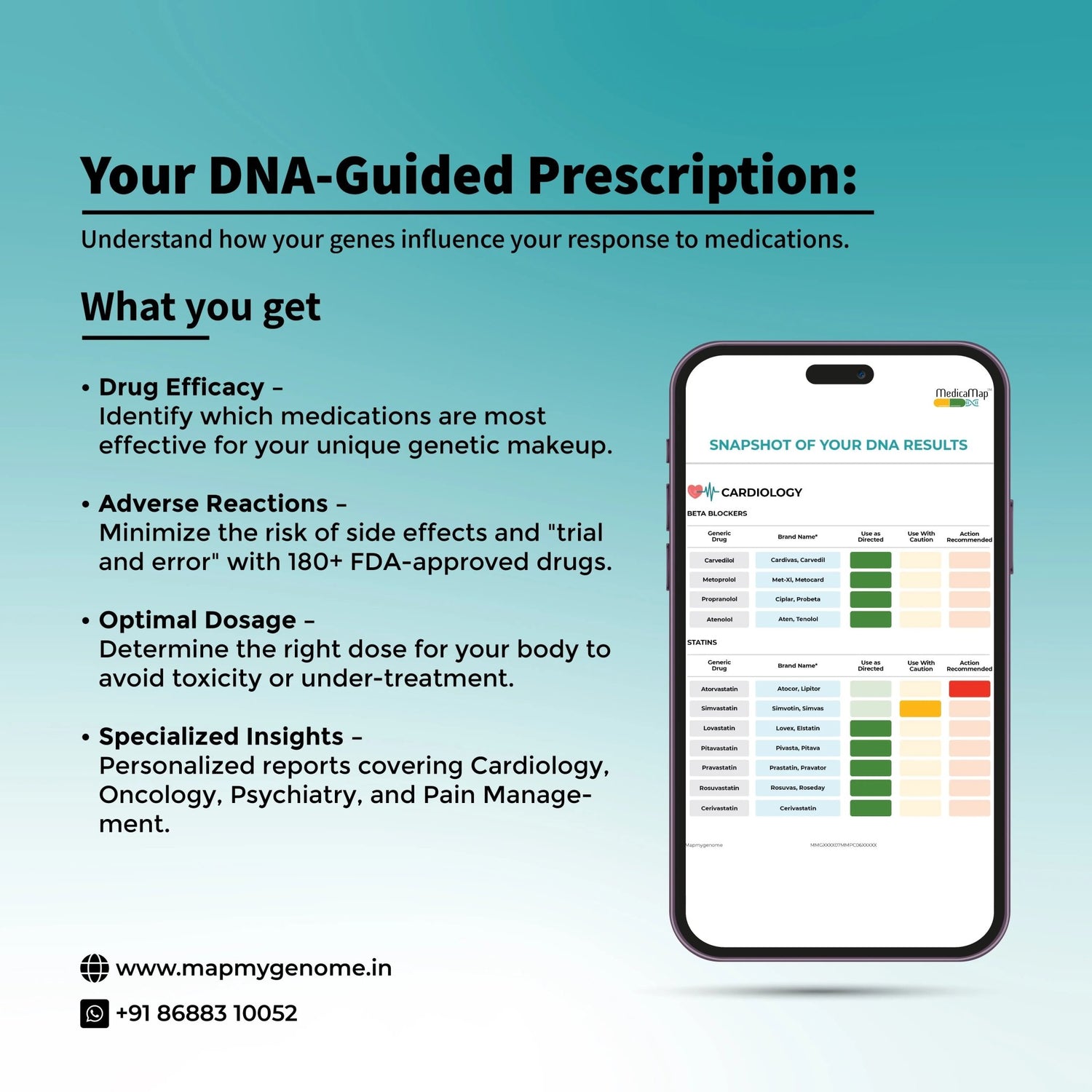
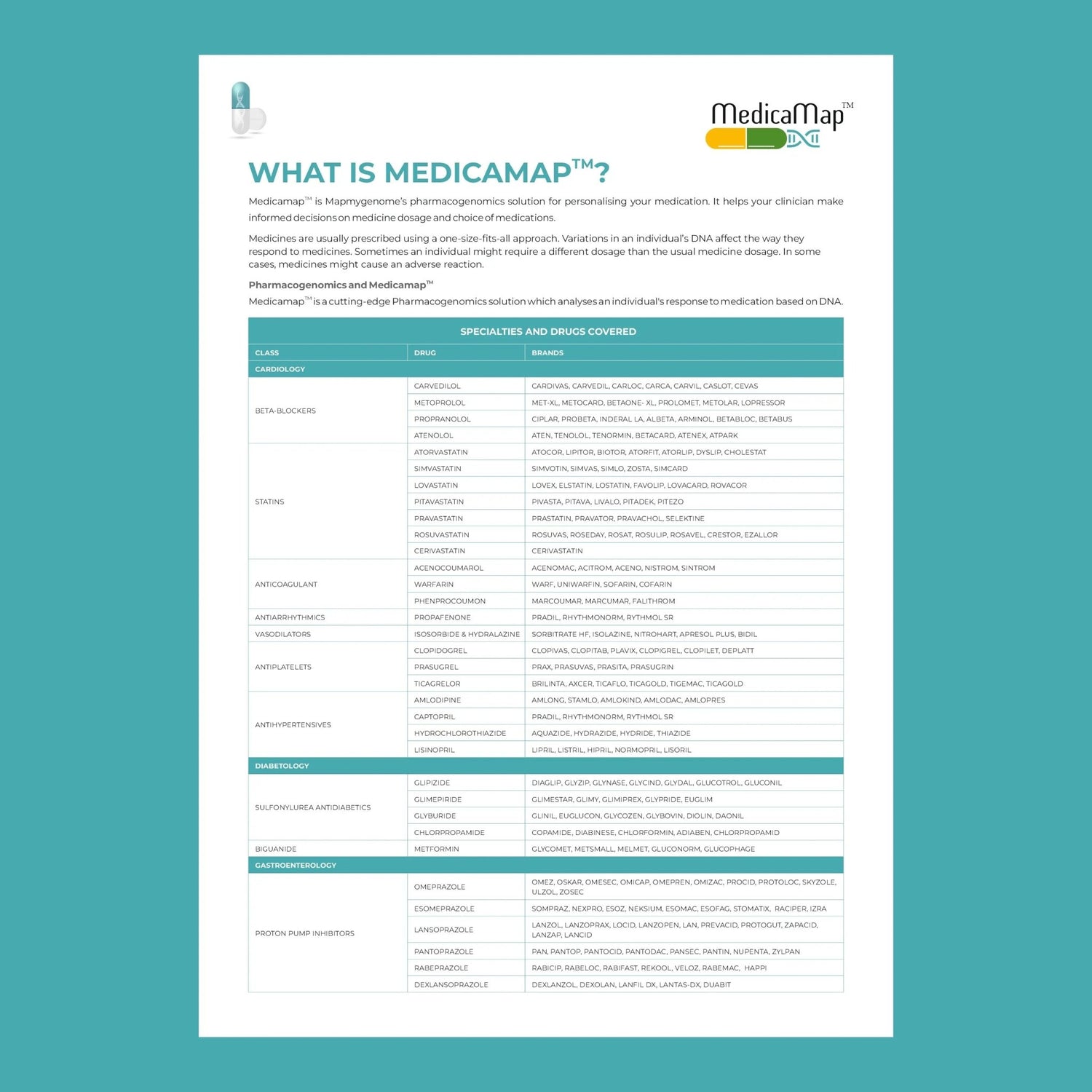
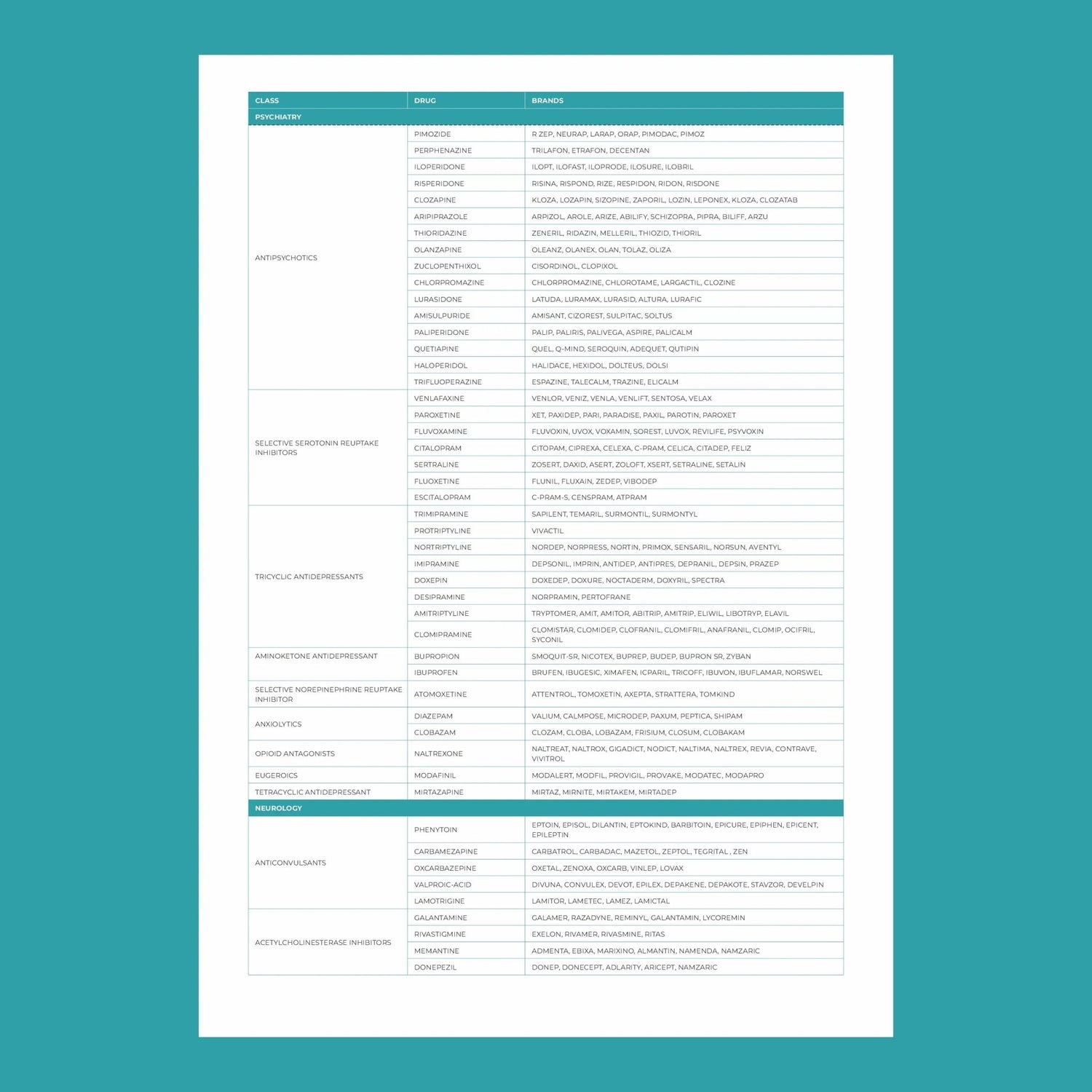
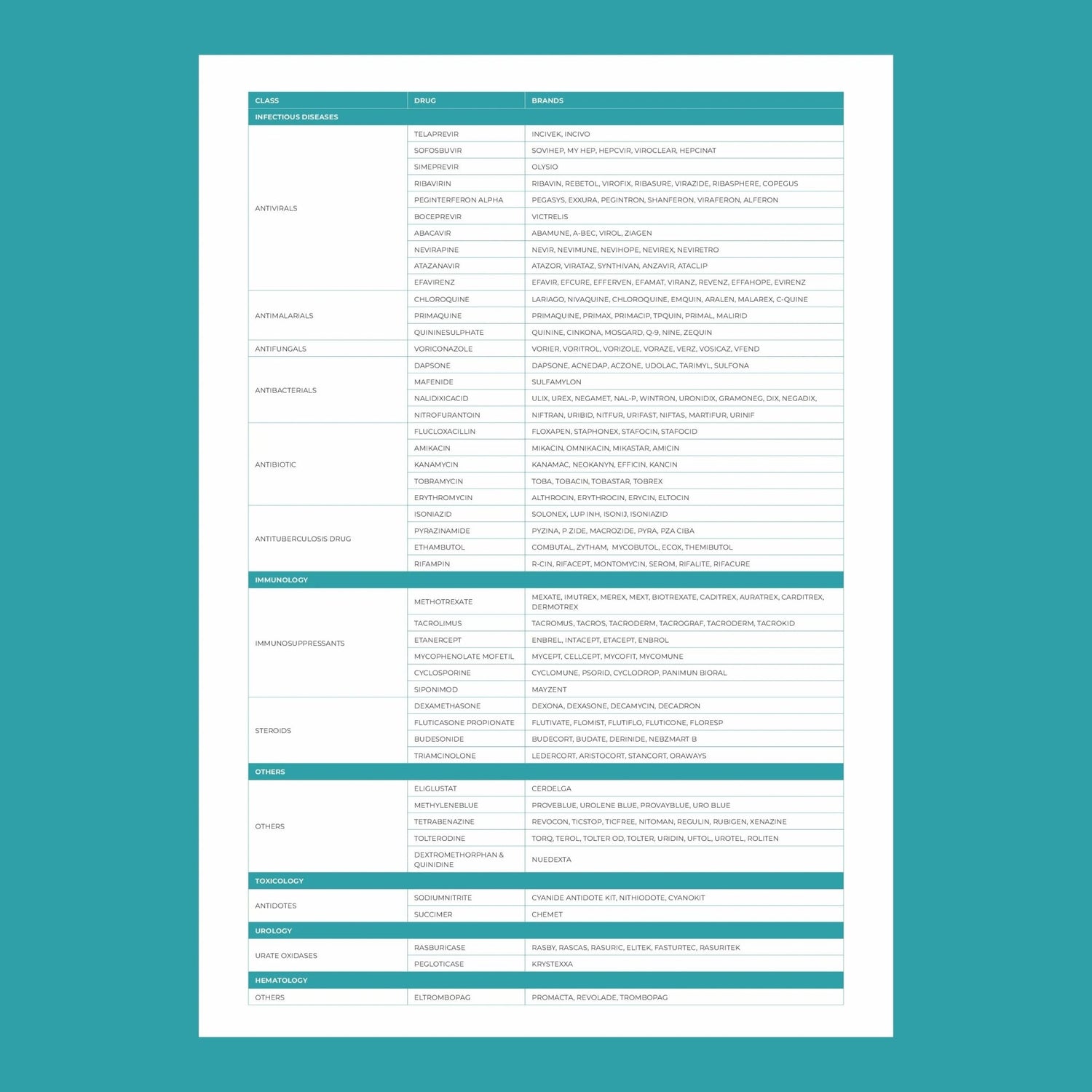
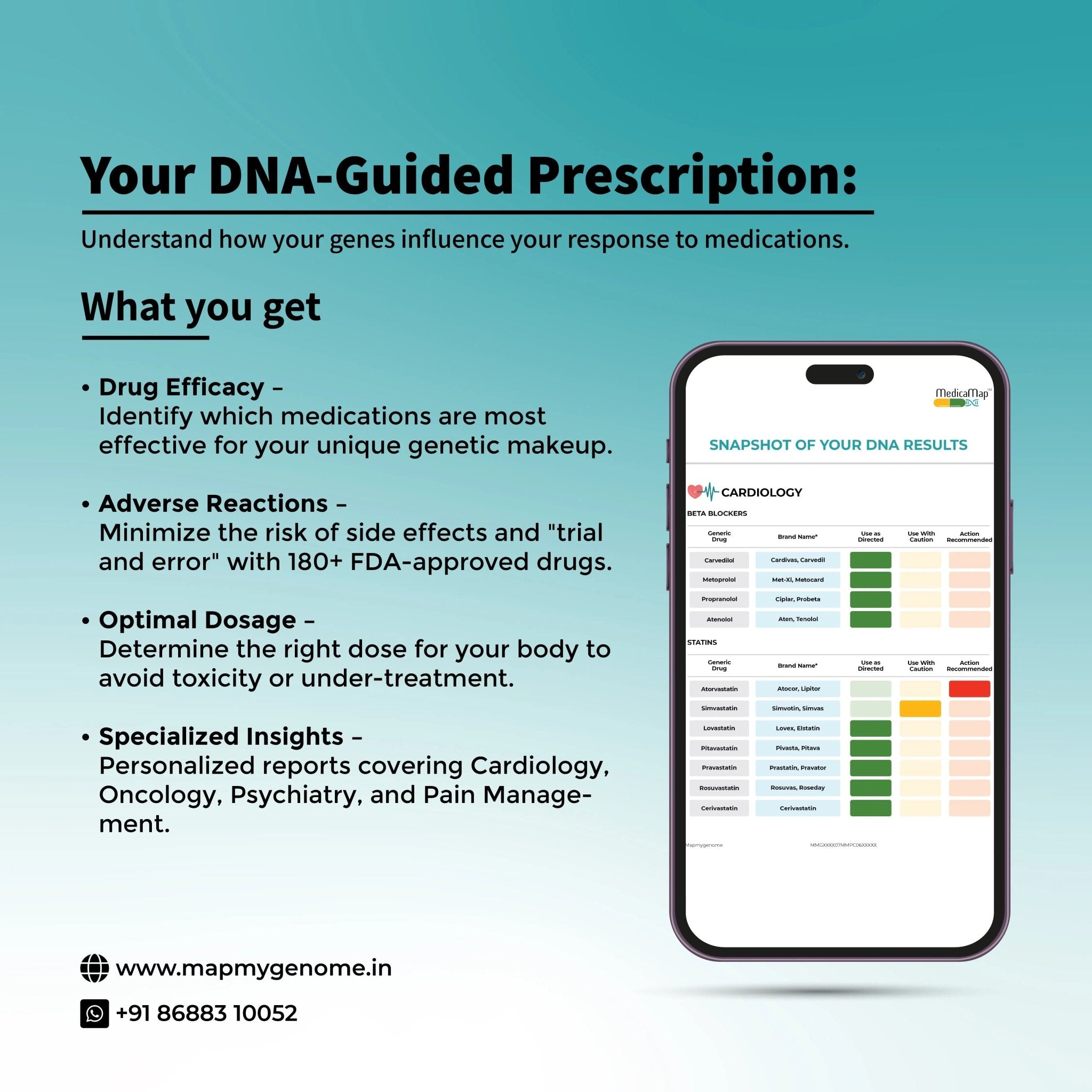
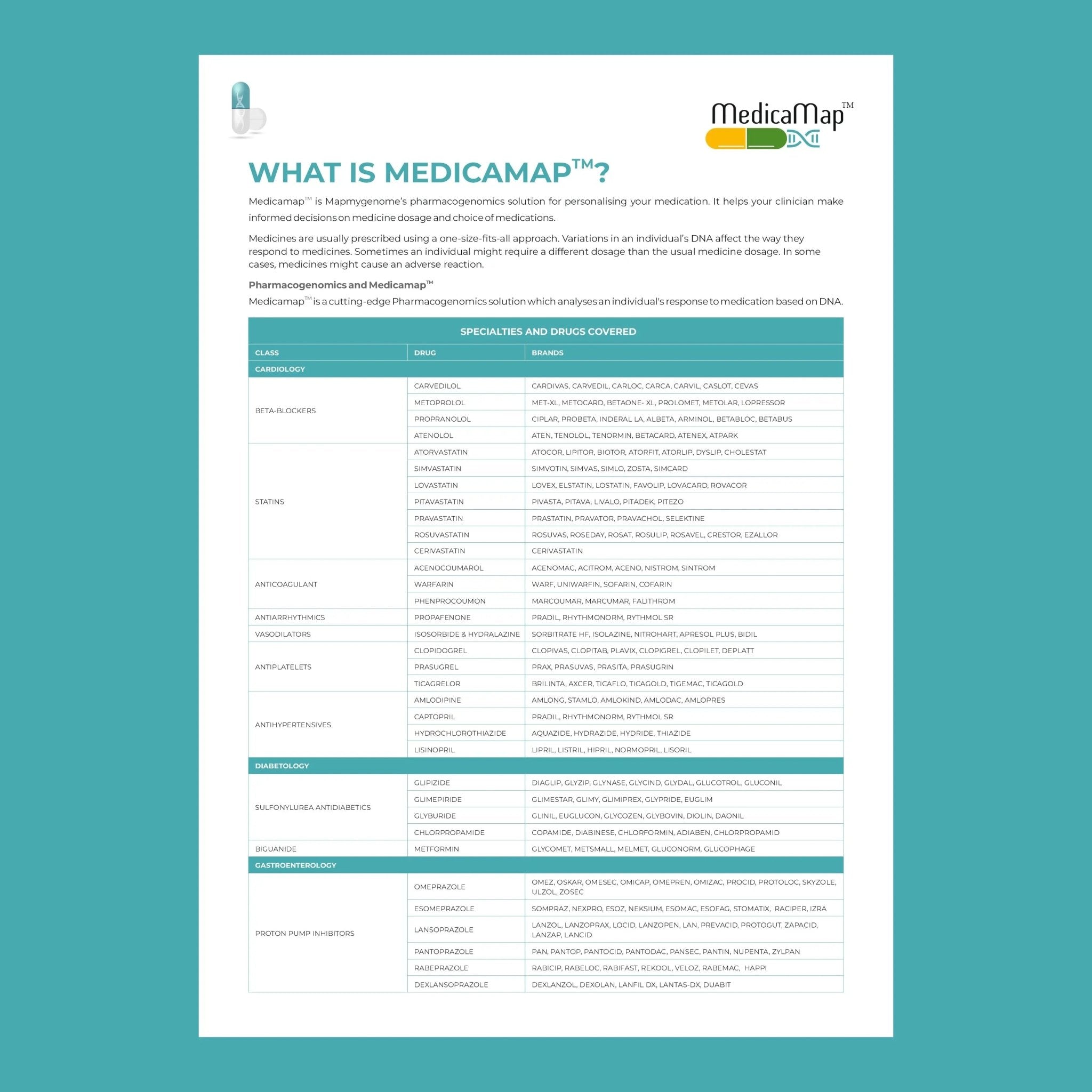
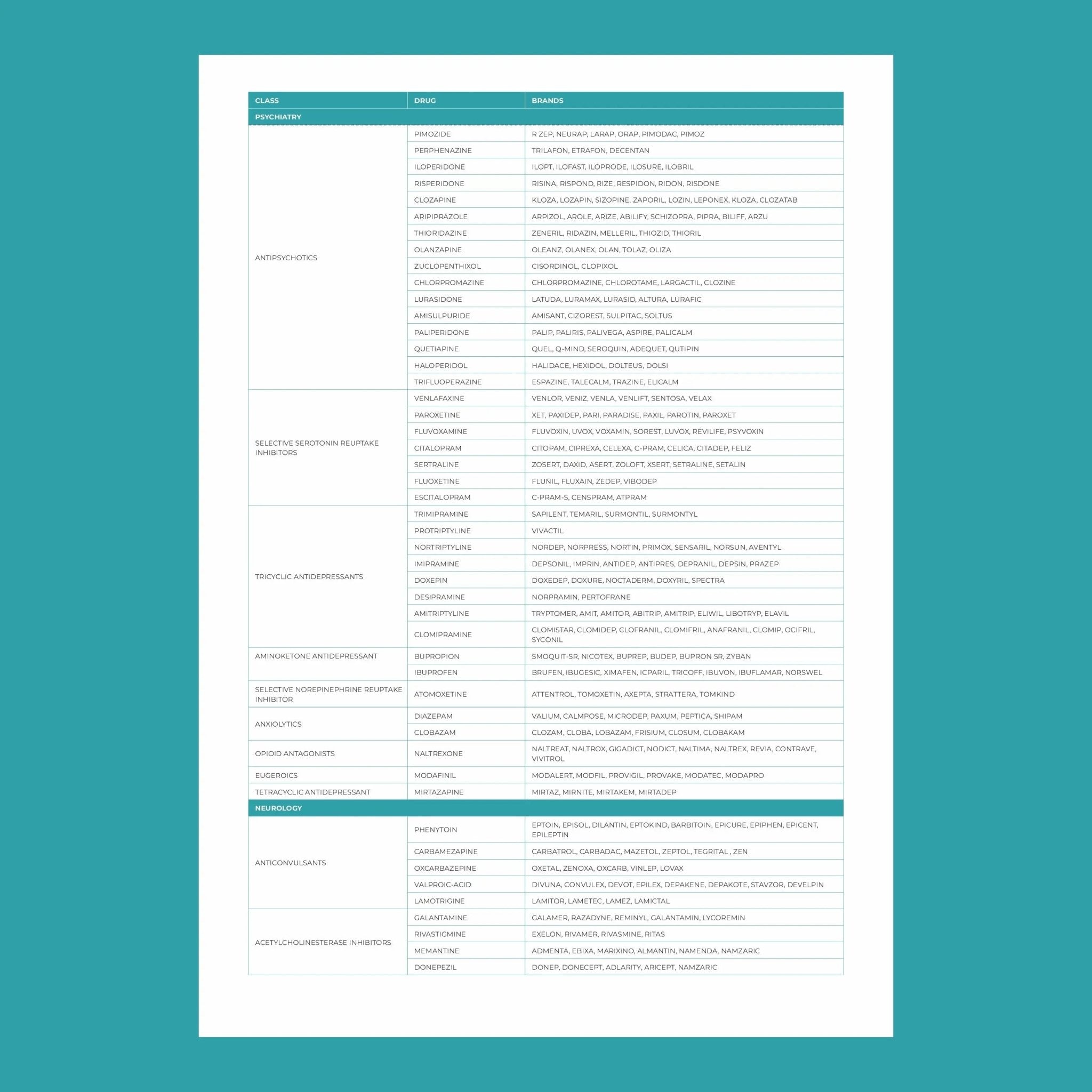
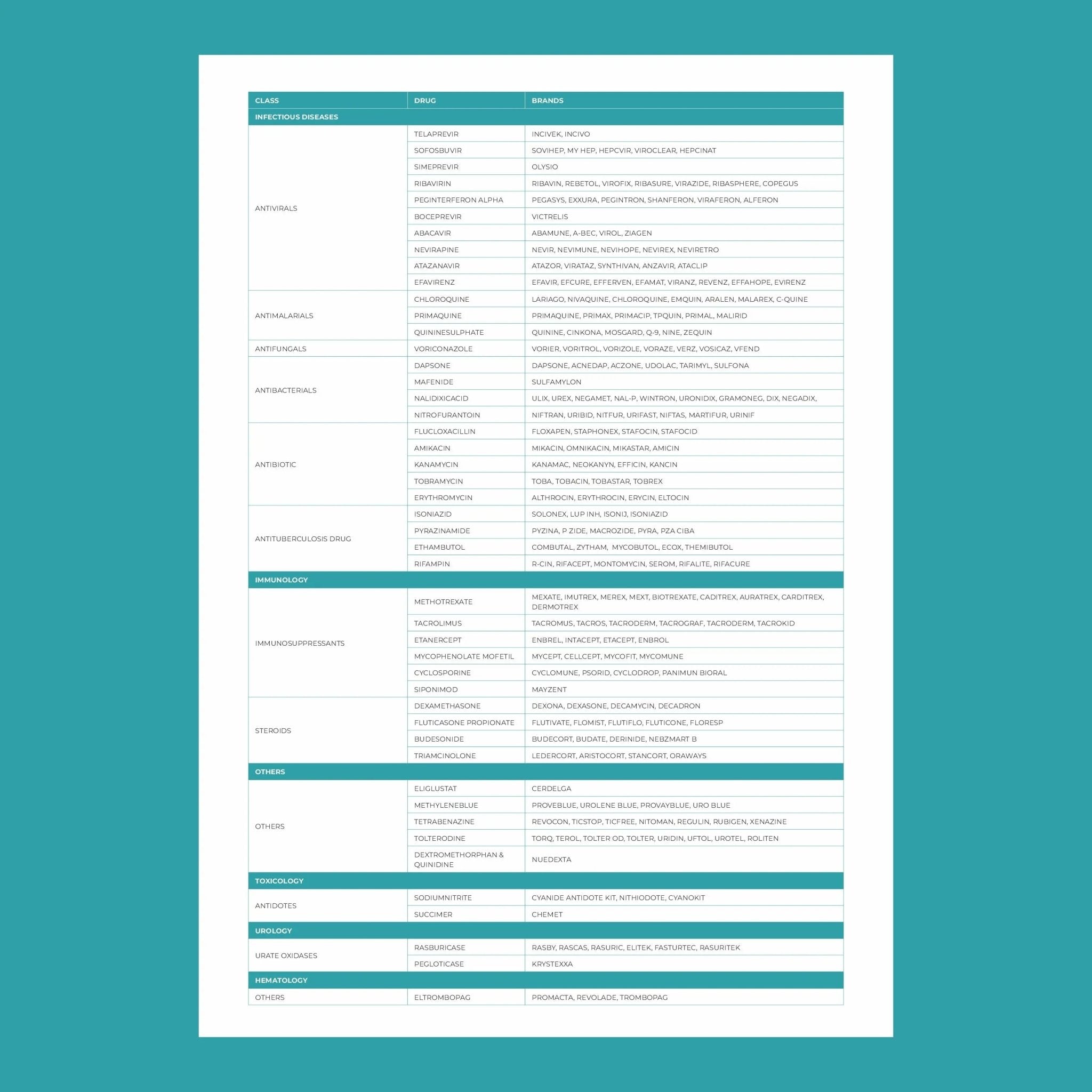
మెడికామ్యాప్™ 12 ప్రత్యేకతలలో 165+ US FDA-ఆమోదిత మందులకు మీ శరీర ప్రతిస్పందనను కవర్ చేసే సమగ్ర నివేదికను అందిస్తుంది. సైకియాట్రీ మరియు మానసిక ఆరోగ్య నిర్వహణలో, ప్యానెల్ ప్రధాన ఔషధ తరగతులకు మీ ప్రతిస్పందనను పరీక్షిస్తుంది, ప్రత్యామ్నాయ ఎంపికలను ఎంచుకోవడానికి లేదా మీ జీవశాస్త్రానికి అనుగుణంగా మోతాదులను సర్దుబాటు చేయడానికి మీ వైద్యుడికి అవసరమైన డేటాను అందిస్తుంది:
యాంటిడిప్రెసెంట్లు: SSRIలు (ఉదా., సెర్ట్రాలిన్, ఎసిటలోప్రమ్), SNRIలు (ఉదా., వెంలాఫాక్సిన్, డులోక్సెటిన్), ట్రైసైక్లిక్స్ మరియు బుప్రోపియన్ మరియు మిర్టజాపైన్ వంటి అసాధారణ యాంటిడిప్రెసెంట్లను కలిగి ఉంటుంది.
యాంటిసైకోటిక్స్: అరిపిప్రజోల్, ఒలన్జాపైన్, రిస్పెరిడోన్ మరియు క్వెటియాపైన్ వంటి ఏజెంట్లను కవర్ చేస్తుంది.
యాంగ్జియోలిటిక్స్ & బెంజోడియాజెపైన్లు: డయజెపామ్, లోరాజెపామ్ మరియు క్లోనాజెపామ్ వంటి సమ్మేళనాలకు ప్రతిస్పందనను మూల్యాంకనం చేస్తుంది.
ఇతర CNS ఏజెంట్లు: సంబంధిత ఉద్దీపనలు మరియు న్యూరో-యాక్టివ్ మందులను కలిగి ఉంటుంది.
మీ వైద్యుడితో మెడికామ్యాప్™ అంతర్దృష్టులను ఎలా చర్చించాలి
మీ ఫార్మకోజెనోమిక్ నివేదిక మీ ప్రత్యేక జీవశాస్త్రం మరియు మీ ఆరోగ్య సంరక్షణ బృందం మధ్య ఒక వంతెన. ఇది మీరు మరియు మీ వైద్యుడు మరింత సమాచారంతో, డేటా-ఆధారిత నిర్ణయాలు తీసుకోవడానికి అధికారం ఇచ్చే సహకార సాధనంగా రూపొందించబడింది. ఈ సంభాషణను సమర్థవంతంగా ఎలా ప్రారంభించాలో ఇక్కడ ఉంది:
మీ తదుపరి సంప్రదింపులకు నివేదికను తీసుకురండి: మీ మెడికామ్యాప్™ ఫలితాలను మీ సైకియాట్రిస్ట్ లేదా ప్రాథమిక సంరక్షణ వైద్యుడితో సమీక్షించడానికి ఒక ప్రత్యేక సమయాన్ని షెడ్యూల్ చేయండి. దీనిని స్వతంత్ర నిర్ధారణగా చూడకుండా, మీ ప్రస్తుత లేదా భవిష్యత్తు చికిత్స ప్రణాళికను ఆప్టిమైజ్ చేయడంలో సహాయపడే “జన్యు రోడ్మ్యాప్”గా ప్రదర్శించండి.
చర్య తీసుకోదగిన ఫలితాలపై దృష్టి పెట్టండి: మీ ప్రస్తుత నియమావళి గురించి నిర్దిష్ట ప్రశ్నలు అడగడానికి నివేదికను ఉపయోగించండి. ఉదాహరణకు: "నా జీవక్రియ ప్రొఫైల్ ఆధారంగా, నేను నివారించాల్సిన మందులు ఉన్నాయా?" లేదా "నేను అనుభవిస్తున్న దుష్ప్రభావాలు నా కాలేయం ఈ నిర్దిష్ట ఔషధాన్ని ఎలా ప్రాసెస్ చేస్తుందనే దానితో సంబంధం కలిగి ఉండవచ్చు?"
"రిఫరెన్స్" విలువను ఉపయోగించుకోండి: మీ జన్యు డేటా శాశ్వత వైద్య ఆస్తి అని మీ వైద్యుడికి గుర్తు చేయండి. మీరు ప్రస్తుతం మానసిక మందులు తీసుకోనప్పటికీ, ఈ నివేదికను భాగస్వామ్యం చేయడం వలన భవిష్యత్తులో ప్రిస్క్రిప్షన్ అవసరమైతే, మీ వైద్యుడు మొదటి రోజు నుంచే మీ జీవక్రియ రేటుకు సహజంగా సరిపోయే ఎంపికలను ఎంచుకోవచ్చు.
సర్దుబాట్లపై సహకరించండి: ఒక ఔషధం తక్కువ ప్రభావవంతంగా ఉండవచ్చని లేదా దుష్ప్రభావాల అధిక ప్రమాదాన్ని కలిగి ఉండవచ్చని నివేదిక సూచిస్తే, మీ జన్యు మార్కర్లకు అనుగుణంగా ప్రత్యామ్నాయ తరగతులు లేదా మోతాదు వ్యూహాల గురించి మీ వైద్యుడిని అడగండి. మీ వైద్యుడు మీ నివేదికను — మీ క్లినికల్ చరిత్ర మరియు లక్షణాలతో పాటు — మీ సంరక్షణకు తుది నిర్ణయం తీసుకోవడానికి ఉపయోగిస్తారు.
చురుకైన చిట్కా: మా నివేదికలు అంతర్జాతీయంగా గుర్తించబడిన క్లినికల్ మార్గదర్శకాలను ఉపయోగించి రూపొందించబడ్డాయి, వైద్య నిపుణులకు వాటిని అర్థం చేసుకోవడం సులభం. ఈ ఫలితాల అమలు గురించి మీ వైద్యుడికి ప్రశ్నలు ఉంటే, మీ సంరక్షణ సజావుగా అనుసంధానించబడిందని నిర్ధారించడానికి అవసరమైన సందర్భాన్ని అందించడానికి మా బృందం అందుబాటులో ఉంది.
మెడికామ్యాప్™తో మీ చికిత్సను నియంత్రించండి
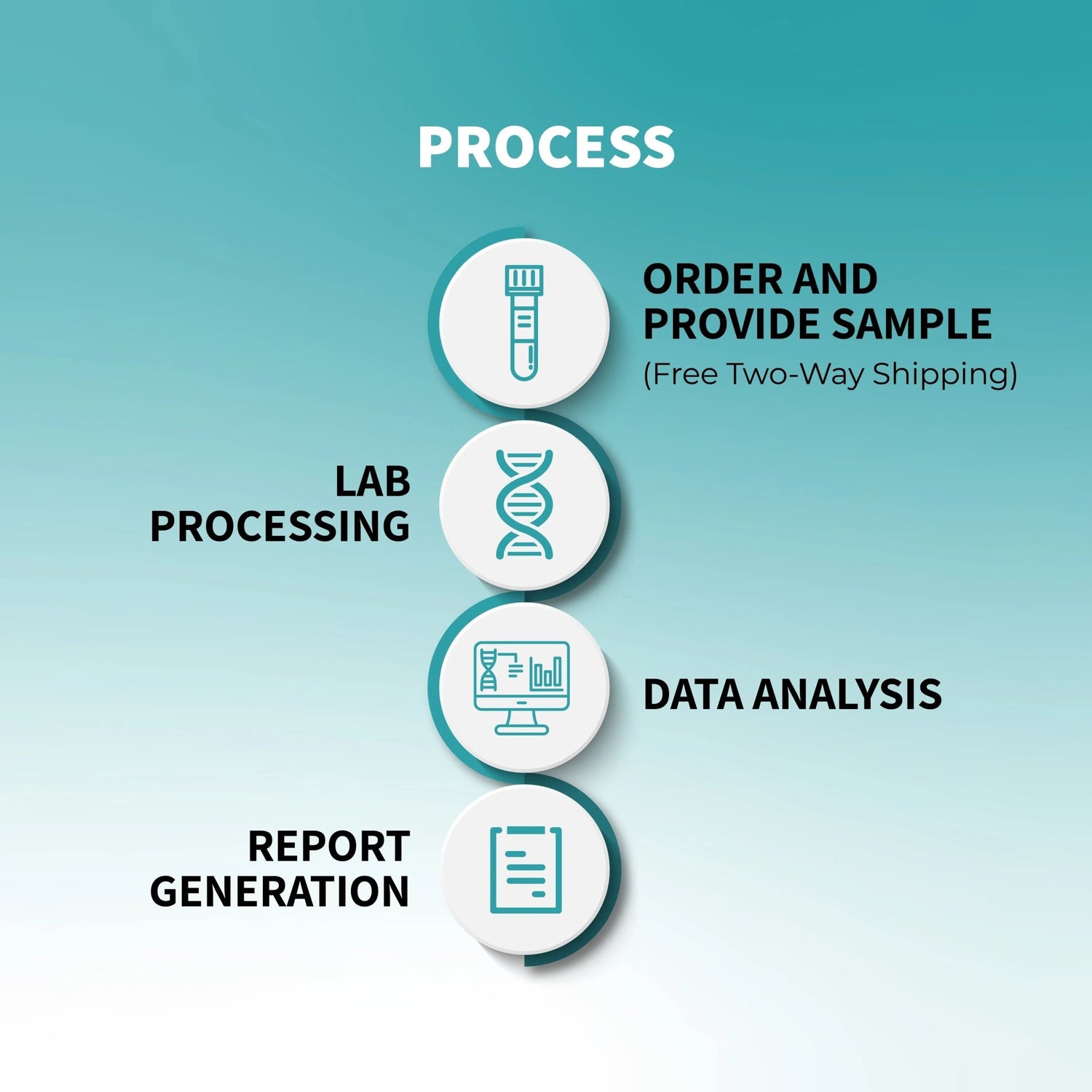
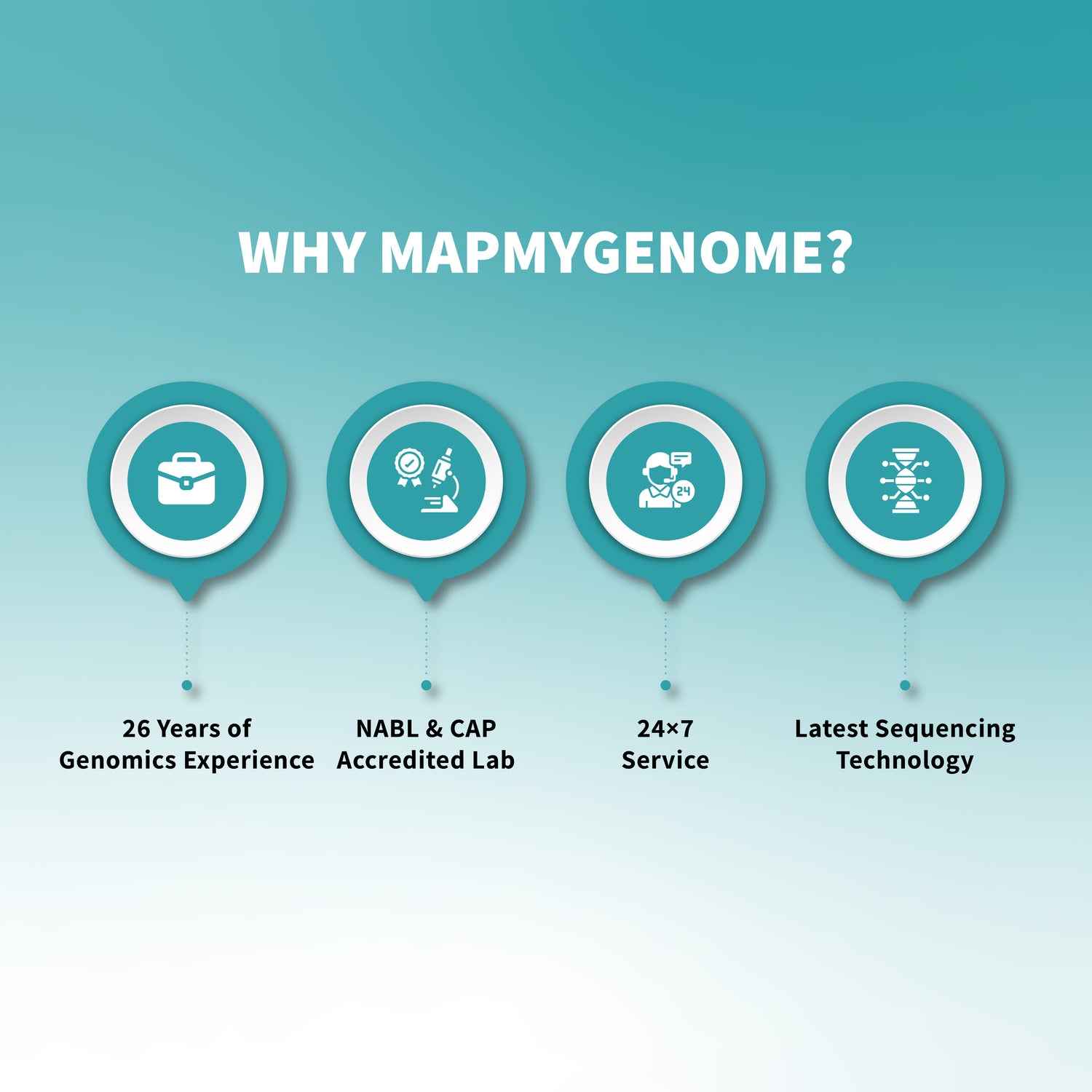
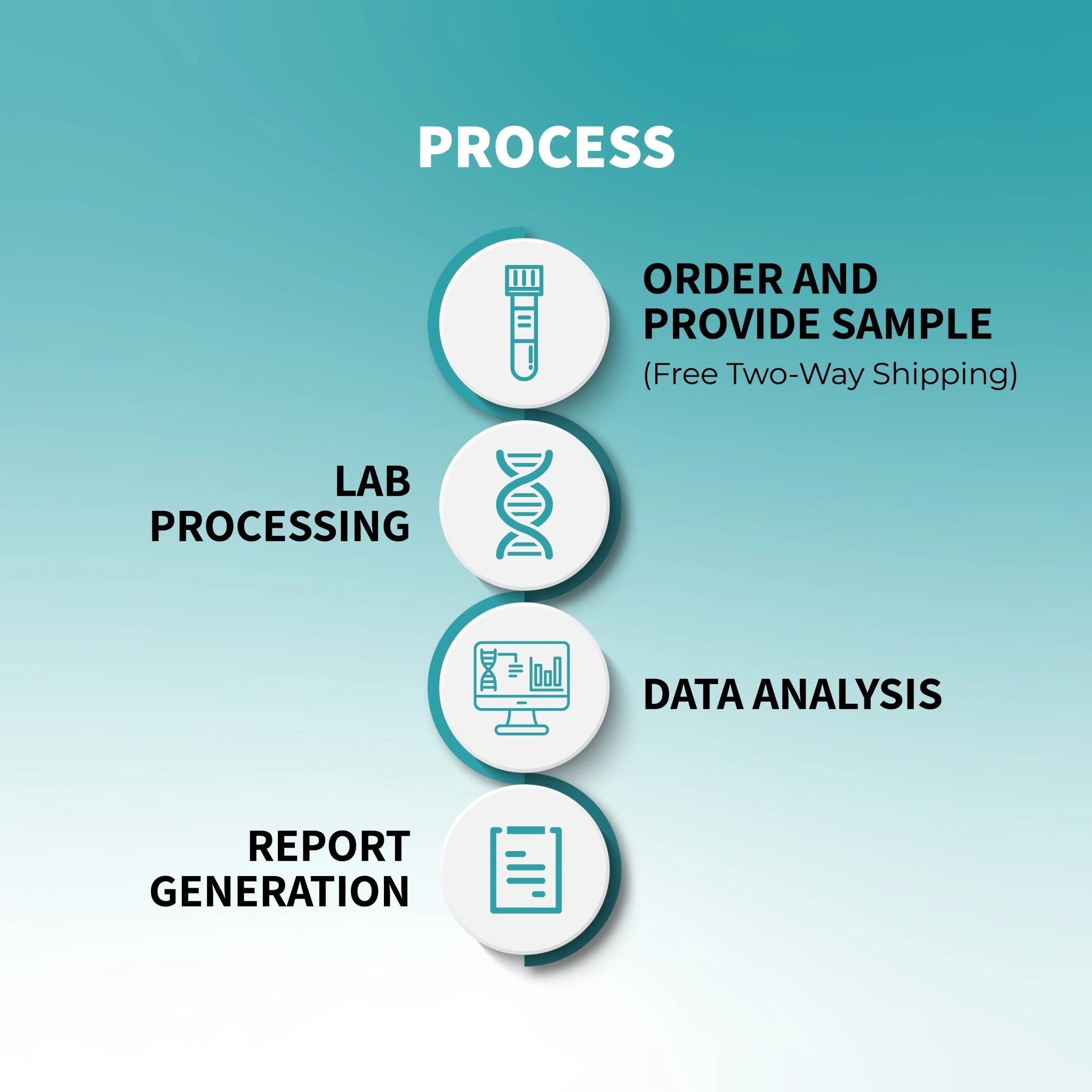
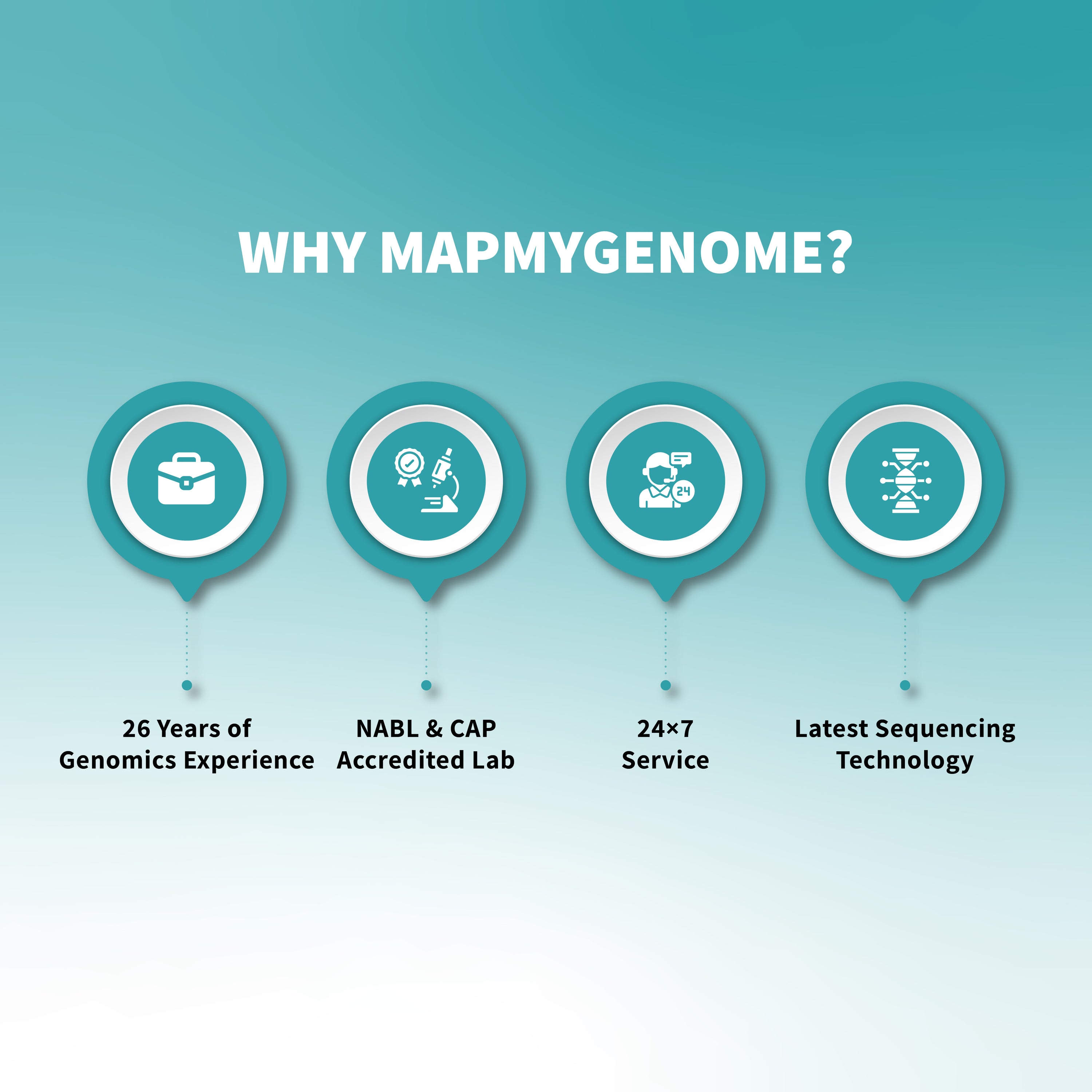
మెడికామ్యాప్™ అనేది మీ వ్యక్తిగతీకరించిన ఔషధ ప్రతిస్పందన ప్రొఫైల్ను వెల్లడించడానికి రూపొందించబడిన Mapmygenome యొక్క ప్రీమియం అసెస్మెంట్. ఒక సాధారణ, నాన్-ఇన్వాసివ్ ఇంట్లో లాలాజల నమూనాను ఉపయోగించి, ఈ పరీక్ష ఉన్నతమైన, NABL & CAP అక్రిడిటెడ్ ల్యాబొరేటరీలలో ప్రాసెస్ చేయబడిన చర్య తీసుకోదగిన నివేదికను అందిస్తుంది.
చికిత్స ప్రభావాన్ని పెంచండి: మీ శరీరం యొక్క సహజ ప్రాసెసింగ్ వేగాన్ని పూర్తి చేసే మందులను ఎంచుకోవడానికి మీ సైకియాట్రిస్ట్కు సహాయపడుతుంది.
విషపూరిత దుష్ప్రభావాలను తగ్గించండి: మీ కాలేయం ఏ సమ్మేళనాలను సరిగా నిర్వహించదో గుర్తించడం ద్వారా దుష్ప్రభావాల ప్రమాదాన్ని తగ్గిస్తుంది.
జీవితంలో ఒకసారి ఉపయోగపడేది: మీ కోర్ జన్యు కోడ్ స్థిరంగా ఉంటుంది. మీ నివేదిక భవిష్యత్తు అవసరాల కోసం శాశ్వత వైద్య మాన్యువల్గా పనిచేస్తుంది.
మీ మానసిక శ్రేయస్సును అంచనాకు వదిలివేయవద్దు. ప్రయత్నం మరియు లోపం నుండి ముందుకు సాగి, ఖచ్చితమైన వైద్యం యొక్క యుగంలోకి అడుగు పెట్టండి.
తరచుగా అడిగే ప్రశ్నలు (FAQs)
ఫార్మకోజెనోమిక్స్ పరీక్ష డిప్రెషన్కు ఎలా సహాయపడుతుంది?
ఫార్మకోజెనోమిక్స్ (PGx) మీ నిర్దిష్ట జన్యు వైవిధ్యాలు మందులకు మీ ప్రతిస్పందనను ఎలా ప్రభావితం చేస్తాయో పరిశీలిస్తుంది. డిప్రెషన్ సంరక్షణలో, ఇది మీ కాలేయ ఎంజైమ్ కార్యకలాపాల ఆధారంగా ఏ యాంటిడిప్రెసెంట్లు సమర్థవంతంగా పనిచేసే అవకాశం ఉందో మరియు ఏవి తీవ్రమైన దుష్ప్రభావాలు లేదా విషపూరితం కలిగించవచ్చో గుర్తించడంలో సహాయపడుతుంది.
మెడికామ్యాప్™ డిప్రెషన్ను నిర్ధారించగలదా?
లేదు. మెడికామ్యాప్™ మానసిక ఆరోగ్య పరిస్థితులకు రోగ నిర్ధారణ సాధనం కాదు. మీకు ఒక పరిస్థితి ఉందో లేదో ఇది మీకు చెప్పదు; బదులుగా, ఆ పరిస్థితికి చికిత్స చేయడానికి ఉపయోగించే నిర్దిష్ట మందులకు మీ శరీరం ఎలా ప్రతిస్పందిస్తుందో ఇది అంచనా వేస్తుంది.
మీ మానసిక శ్రేయస్సు మీ DNAతో ప్రారంభమవుతుంది
సరైన ఔషధాన్ని కనుగొనడంలో మెడికామ్యాప్™ మీకు సహాయపడుతుంది. కానీ దీర్ఘకాలిక మానసిక శ్రేయస్సు మీ గట్-బ్రెయిన్ అక్షం మరియు జన్యు ఆరోగ్య మార్కర్లపై కూడా ఆధారపడి ఉంటుంది. స్టే యంగ్ బండిల్ — జీనోమ్పత్రి + మ్యాప్మైబయోమ్ — శాశ్వత శ్రేయస్సు కోసం మీకు పూర్తి జీవసంబంధ చిత్రాన్ని అందిస్తుంది.