

Good Sleep for Good Health
Sleep is one of the most powerful — and most underrated — pillars of good health. While we sleep, our bodies repair tissues, consolidate memories, regulate hormones, and reset the immune system. Chronic sleep deprivation is linked to increased risk of obesity, diabetes, cardiovascular disease, depression, and even certain cancers.
How Much Sleep Do You Need?
Adults (18–64 years) — 7–9 hours per night
Older adults (65+) — 7–8 hours per night
Teenagers (14–17 years) — 8–10 hours per night
School-age children (6–13 years) — 9–11 hours per night
The Genetics of Sleep
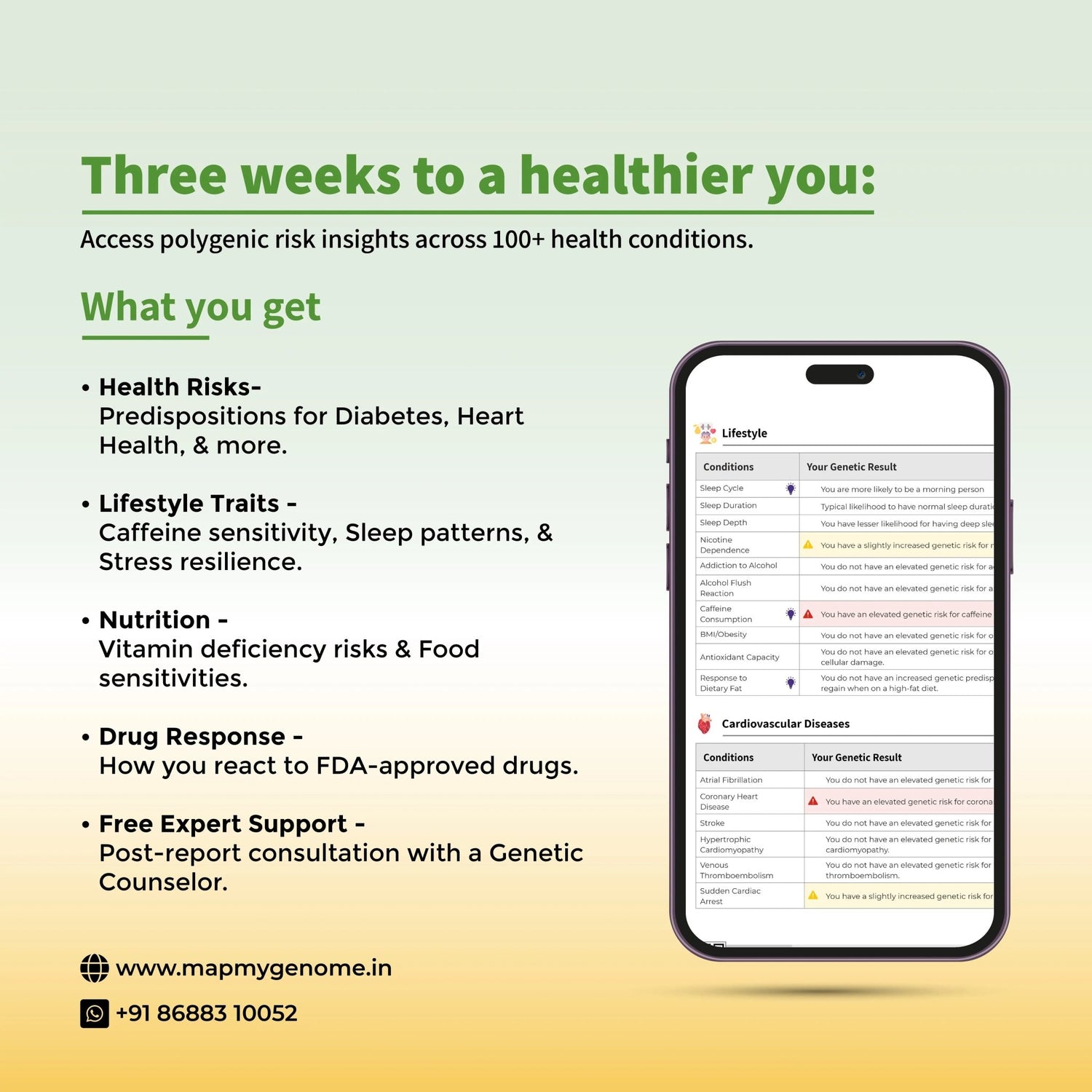
Sleep patterns, sleep duration, and susceptibility to sleep disorders all have significant genetic components. Variants in genes including CLOCK, PER3, ABCC9, and DEC2 influence circadian rhythm, sleep duration, and sleep quality. Some people are genetically “morning larks” (early risers) while others are “night owls” — and this is largely determined by their genetic makeup. Understanding your genetic sleep profile can help you optimise your sleep schedule and identify your risk for sleep disorders such as insomnia and sleep apnoea.
Tips for Better Sleep
Maintain a consistent sleep schedule — go to bed and wake up at the same time every day
Create a dark, cool, quiet sleep environment
Avoid screens (phones, tablets, TVs) for at least 1 hour before bed
Avoid caffeine after 2 PM and alcohol close to bedtime
Exercise regularly — but not within 2–3 hours of bedtime
Manage stress through meditation, deep breathing, or journalling
Know Your Genetic Sleep Profile
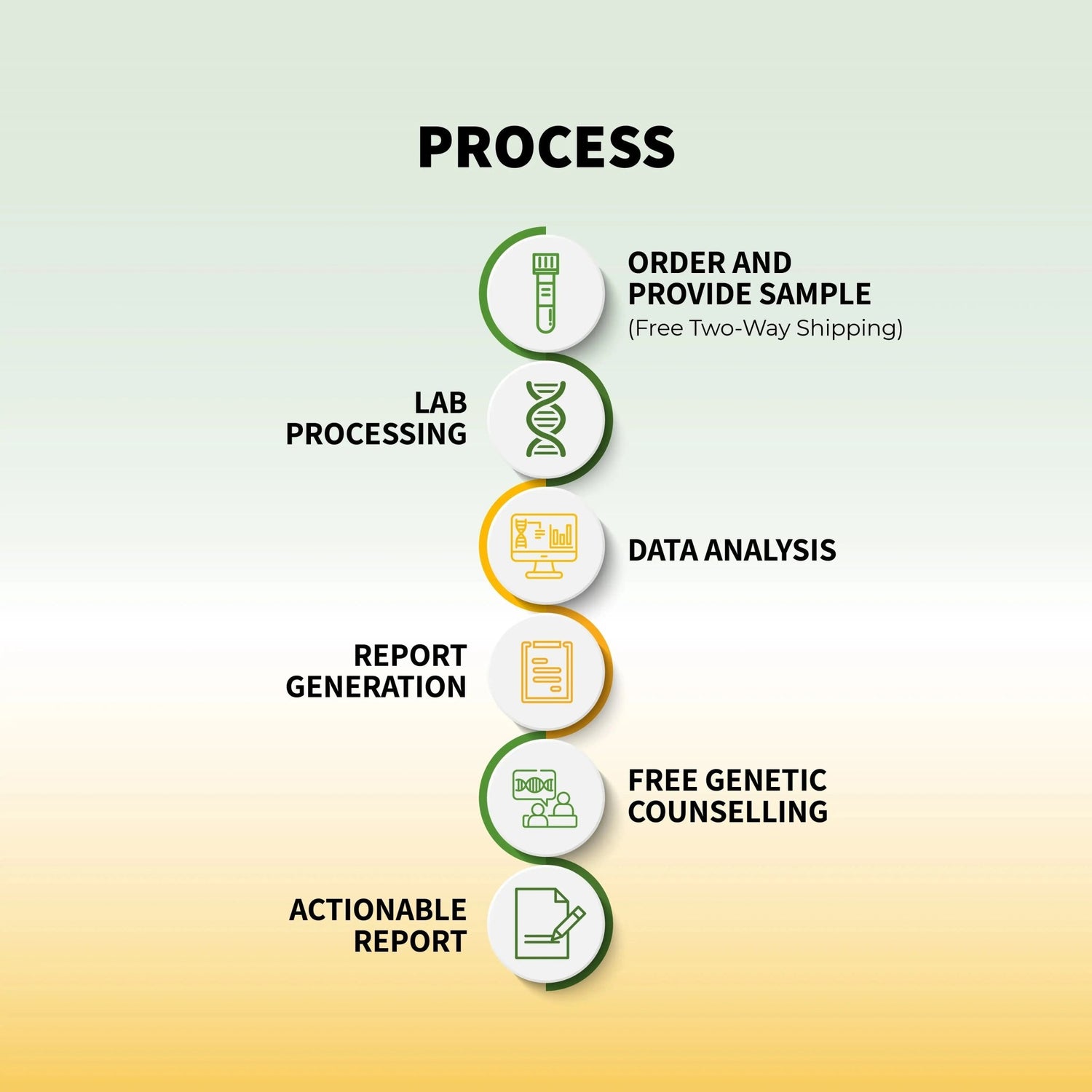
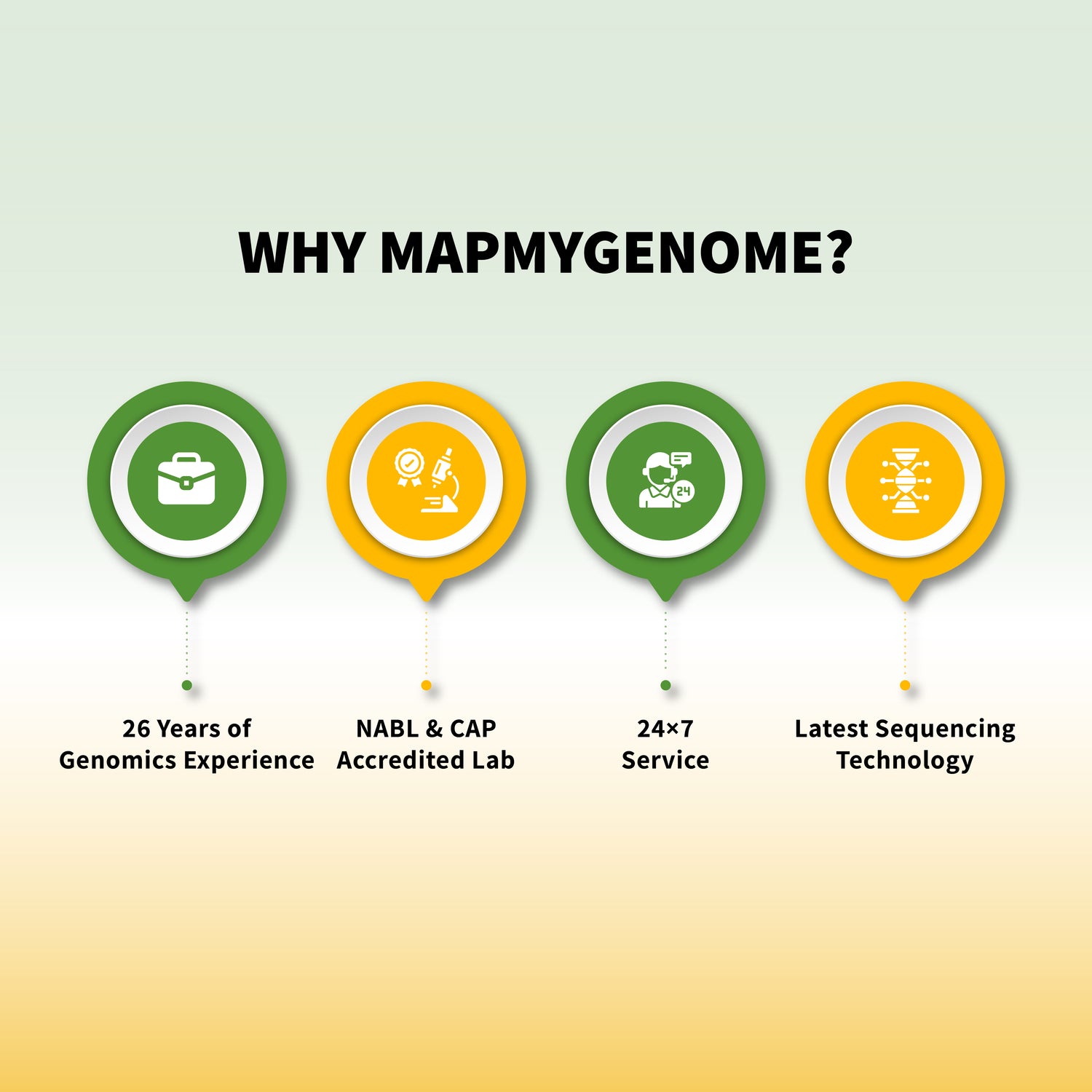
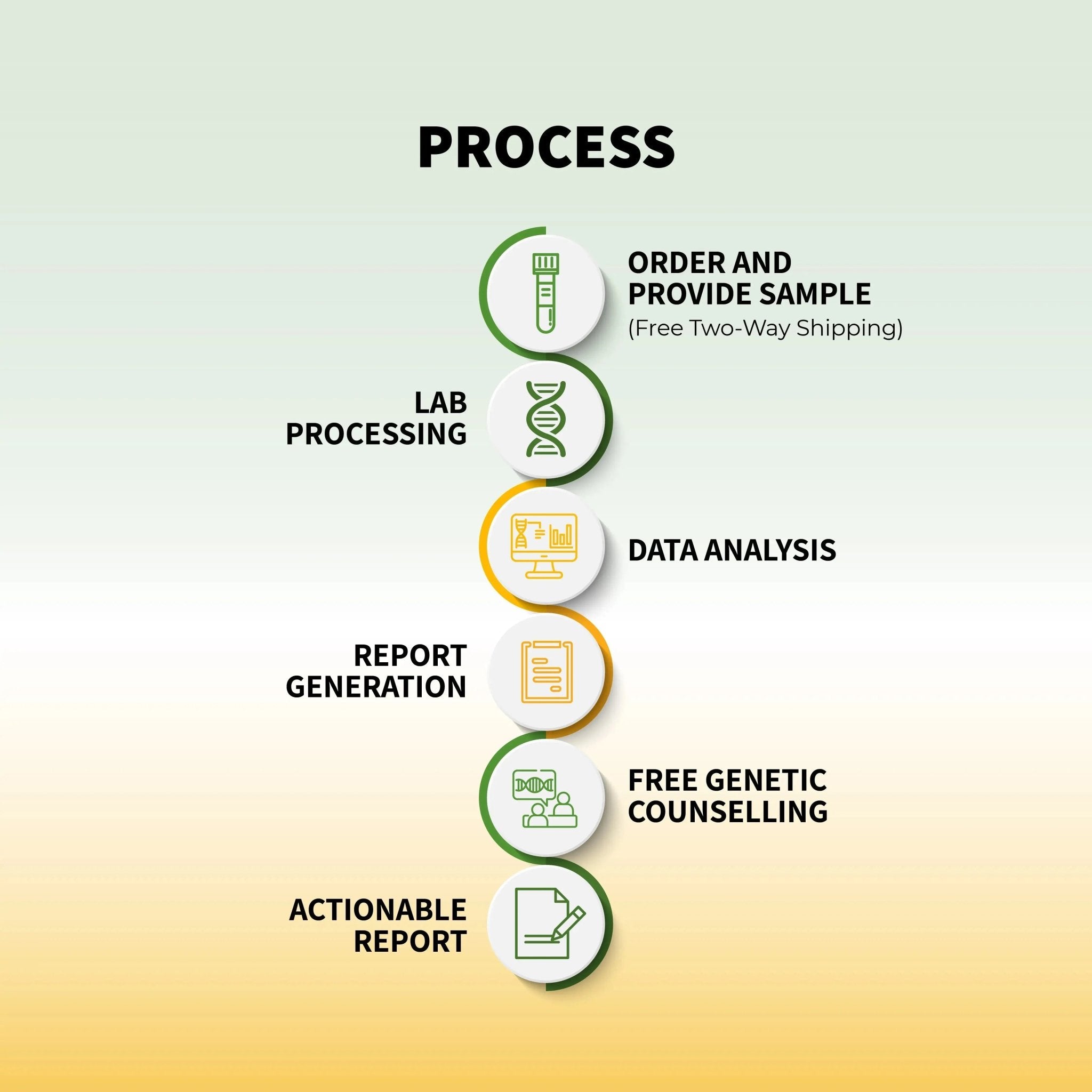
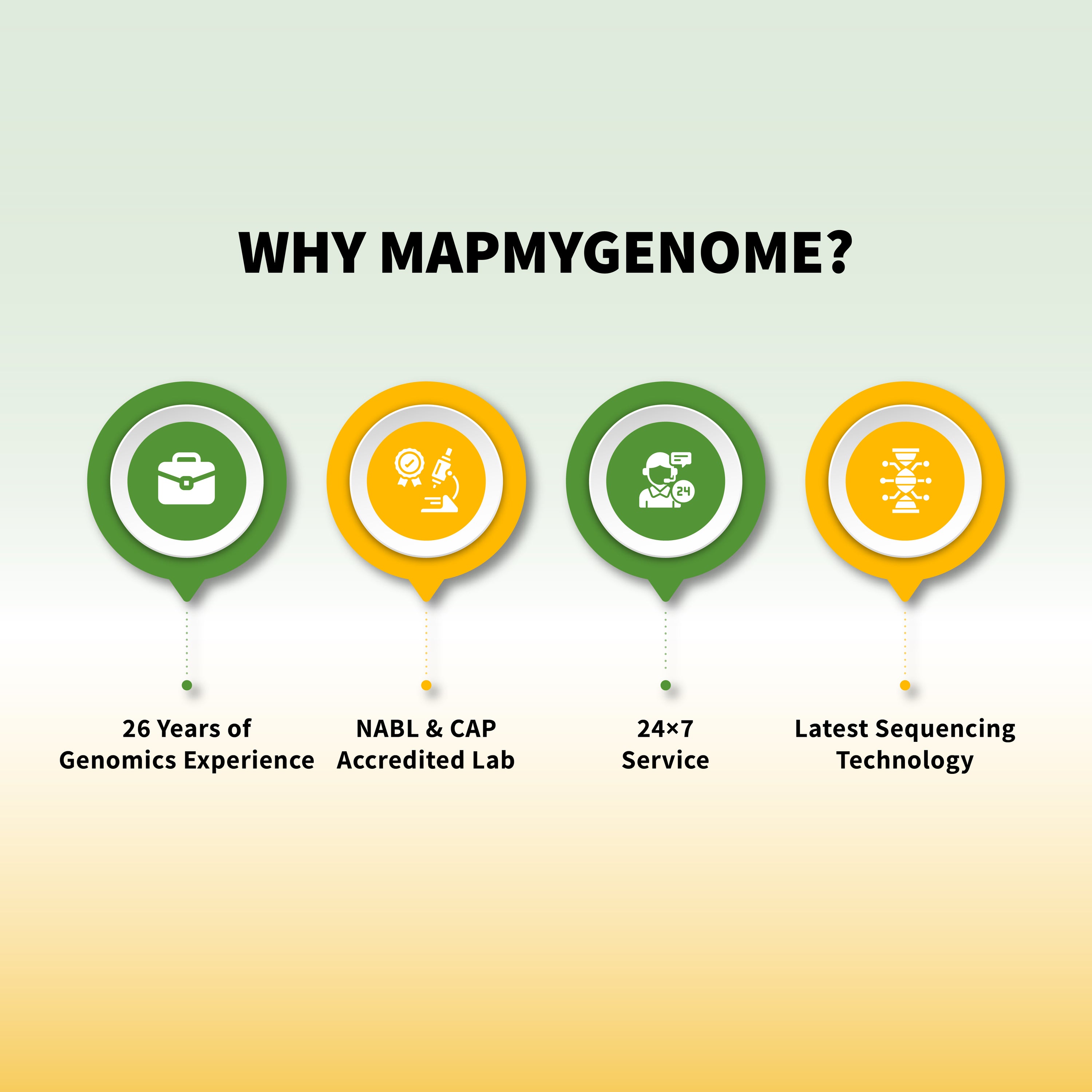
Genomepatri by MapmyGenome covers sleep quality, insomnia risk, circadian rhythm traits, and 100+ other health and lifestyle conditions — with certified genetic counselling to help you optimise your sleep and overall wellbeing.