

आपके डीएनए, गट माइक्रोबायोम और जीवनशैली से चिंता के बारे में क्या पता चल सकता है
चिंता एक चीज़ से नहीं होती। यह आपके जीन, आपके गट, आपके दिमाग और आपके आसपास की दुनिया के बीच चल रही बातचीत से बनती है।
"मुझे पता ही नहीं कि मैं चिंतित क्यों महसूस कर रहा हूँ।"
अगर आप माता-पिता हैं, तो आपने शायद पहले भी कुछ ऐसा ही सुना होगा।
आजकल के कई युवा चिंता को किसी मुश्किल घटना से होने वाली कभी-कभार की भावना के रूप में नहीं बताते हैं। इसके बजाय, वे इसे एक ऐसी चीज़ के रूप में बताते हैं जो हमेशा मौजूद रहती है—एक शांत पृष्ठभूमि वाली गुनगुनाहट, जैसे कोई ऐप लगातार फ़ोन की बैटरी ख़त्म कर रहा हो।
स्मार्टफ़ोन, सोशल मीडिया या आधुनिक जीवन की तेज़ रफ़्तार को दोष देना आसान है।
लेकिन यह कहानी का केवल एक हिस्सा ही बताता है।
एक और दिलचस्प सवाल यह है:
कुछ युवा जीवन के दबावों से क्यों निपट पाते हैं जबकि अन्य उन्हीं चुनौतियों से अभिभूत हो जाते हैं?
बढ़ते हुए, शोध से पता चलता है कि इसका उत्तर किसी एक कारण में नहीं, बल्कि हमारी जीव विज्ञान और हमारे पर्यावरण के बीच उल्लेखनीय अंतःक्रिया में निहित है।
हमारे जीन।
हमारे गट माइक्रोबायोम।
हमारी प्रतिरक्षा प्रणाली।
हमारे हार्मोन।
हमारी नींद।
हमारा पोषण।
हमारी दैनिक आदतें।
हमारे जीवन के अनुभव।
ये प्रणालियाँ स्वतंत्र रूप से काम नहीं करती हैं।
वे लगातार संवाद करती हैं, यह प्रभावित करती हैं कि हमारे शरीर तनाव को कैसे महसूस करते हैं, चुनौतियों से कैसे उबरते हैं और समय के साथ कैसे अनुकूलित होते हैं।
इसका मतलब यह नहीं है कि चिंता "आपके डीएनए में लिखी है।"
ऐसा नहीं है।
न ही इसका मतलब यह है कि आपके गट बैक्टीरिया आपके मानसिक स्वास्थ्य का निर्धारण करते हैं।
वे ऐसा नहीं करते।
इसके बजाय, चिंता को आपके दिमाग, आपके शरीर और आपके आसपास की दुनिया के बीच चल रही बातचीत के परिणाम के रूप में समझा जाता है।
उस बातचीत को समझना आधुनिक चिकित्सा में सबसे रोमांचक सीमाओं में से एक है—और यह हमारे मानसिक कल्याण के बारे में सोचने के तरीके को बदल रहा है।
हम कभी इतने जुड़े हुए नहीं थे—या इतने अधिक उत्तेजित नहीं थे
जनरेशन ज़ेड एक ऐसी दुनिया में बड़ी हुई है जो किसी भी पिछली पीढ़ी से अलग है।
नोटिफिकेशन कभी नहीं रुकते।
ख़बरें कभी नहीं सोतीं।
सोशल मीडिया कभी ब्रेक नहीं लेता।
एल्गोरिदम ध्यान के लिए लगातार प्रतिस्पर्धा करते हैं, यह सुनिश्चित करते हुए कि हमेशा एक और संदेश, एक और वीडियो, एक और राय देखने के लिए तैयार रहती है।
प्रौद्योगिकी ने शिक्षा, संचार, स्वास्थ्य सेवा और मनोरंजन को बदल दिया है।
लेकिन इसने एक ऐसा वातावरण भी बनाया है जिसे मानव मस्तिष्क ने कभी भी नेविगेट करने के लिए विकसित नहीं किया था।
हज़ारों-लाखों वर्षों से, हमारे पूर्वजों ने छोटे-छोटे समय के लिए तनाव का अनुभव किया।
वे खतरे से बच गए।
भोजन ढूँढ़ा।
अपने परिवारों की रक्षा की।
फिर वे ठीक हो गए।
आज, कई युवा नाश्ते से पहले ही इतनी जानकारी संसाधित करते हैं जितनी पिछली पीढ़ियों को दिनों या हफ़्तों में मिलती थी।
शोधकर्ता अब एक महत्वपूर्ण सवाल पूछ रहे हैं:
यह आधुनिक वातावरण हमारी जीव विज्ञान के साथ कैसे बातचीत करता है—और कुछ लोग क्यों अनुकूलन कर पाते हैं जबकि अन्य संघर्ष करते हैं?
🧬 जीनोम इनसाइट
आपका शरीर हमेशा प्रतिक्रिया कर रहा होता है—भले ही आपको इसका एहसास न हो।
तनाव केवल मस्तिष्क द्वारा अनुभव नहीं किया जाता है।
प्रत्येक तनावपूर्ण घटना आपके तंत्रिका तंत्र, तनाव हार्मोन, प्रतिरक्षा प्रणाली, चयापचय और यहाँ तक कि आपके गट माइक्रोबायोम सहित एक जटिल नेटवर्क को सक्रिय करती है।
अलग-अलग प्रणालियों के रूप में कार्य करने के बजाय, वे एक अत्यधिक समन्वित जैविक नेटवर्क के रूप में एक साथ काम करते हैं जिसे आपको परिवर्तन के अनुकूल होने में मदद करने के लिए डिज़ाइन किया गया है।
तनाव दुश्मन नहीं है
तनाव को अक्सर हर चीज़ के लिए दोषी ठहराया जाता है।
वास्तव में, तनाव शरीर के सबसे महत्वपूर्ण उत्तरजीविता उपकरणों में से एक है।
यह ध्यान को तेज़ करता है।
प्रतिक्रिया समय को बढ़ाता है।
निर्णय लेने में सुधार करता है।
चुनौतियों का सामना करने में हमारी मदद करता है।
तनाव के बिना, मनुष्य जीवित नहीं रह पाते।
समस्या तब शुरू होती है जब तनाव प्रतिक्रिया कभी पूरी तरह से बंद नहीं होती।
कल्पना कीजिए कि आप दिन भर एक्सीलरेटर पर हल्का पैर रखकर गाड़ी चला रहे हैं।
अंततः, इंजन खराब होना शुरू हो जाता है।
मानव शरीर भी कुछ इसी तरह से काम करता है।
जब तनाव पुराना हो जाता है, तो यह केवल आपके मूड को प्रभावित नहीं करता है।
यह धीरे-धीरे प्रभावित कर सकता है:
😴 नींद की गुणवत्ता
🍽 भूख और खाने की आदतें
🦠 पाचन और गट माइक्रोबायोम
❤️ हार्मोनल संतुलन
🛡 प्रतिरक्षा कार्यप्रणाली
🔥 सूजन
🧠 मस्तिष्क कार्यप्रणाली और अनुभूति
समय के साथ, ये परस्पर जुड़े परिवर्तन उन लोगों में चिंता, थकान, पाचन संबंधी लक्षण, एकाग्रता में कमी और भावनात्मक थकावट में योगदान कर सकते हैं जो जैविक रूप से संवेदनशील हैं।
🔬 शोध पर प्रकाश
पुराना तनाव किसी एक अंग को प्रभावित नहीं करता।
यह शरीर की लगभग हर प्रमुख शारीरिक प्रणाली को प्रभावित करता है—जिसमें मस्तिष्क, अंतःस्रावी तंत्र, प्रतिरक्षा प्रणाली, हृदय प्रणाली और गैस्ट्रोइंटेस्टाइनल ट्रैक्ट शामिल हैं।
यह पूरे शरीर की प्रतिक्रिया एक कारण है कि वैज्ञानिक तेजी से मानसिक स्वास्थ्य का अध्ययन प्रणाली जीव विज्ञान के लेंस से करते हैं, बजाय इसके कि वे केवल मस्तिष्क पर ध्यान केंद्रित करें।
वैज्ञानिक एक अलग सवाल पूछ रहे हैं
दशकों तक, शोधकर्ताओं ने चिंता के कारण की तलाश की।
क्या यह आनुवंशिकी थी?
बचपन के अनुभव?
हार्मोन?
मस्तिष्क रसायन?
आज, वे एक कहीं अधिक उपयोगी सवाल पूछ रहे हैं:
लोग समान तनाव पर इतनी अलग प्रतिक्रिया क्यों देते हैं?
उस एक सवाल ने तंत्रिका विज्ञान को बदल दिया है।
अकेले मस्तिष्क का अध्ययन करने के बजाय, शोधकर्ता अब परस्पर जुड़ी जैविक प्रणालियों के एक पूरे नेटवर्क की जाँच करते हैं।
इनमें शामिल हैं:
🧬 आनुवंशिकी
🦠 गट माइक्रोबायोम
🧠 मस्तिष्क
🛡 प्रतिरक्षा प्रणाली
❤️ तंत्रिका तंत्र
😴 नींद
🥗 पोषण
🏃 शारीरिक गतिविधि
🌿 पर्यावरण
प्रत्येक दूसरों को प्रभावित करता है।
खराब नींद तनाव हार्मोन विनियमन को बदल देती है।
आहार गट माइक्रोबायोम को नया रूप देता है।
पुराना तनाव प्रतिरक्षा कार्य को बदल देता है।
गट, तंत्रिका, हार्मोनल, प्रतिरक्षा और चयापचय मार्गों के माध्यम से मस्तिष्क के साथ संवाद करता है।
अलग-अलग अंगों के रूप में कार्य करने के बजाय, मानव शरीर एक एकीकृत पारिस्थितिकी तंत्र की तरह व्यवहार करता है।
यह प्रणाली-आधारित समझ प्रिसिजन हेल्थ के मूल में है—एक ऐसा दृष्टिकोण जो यह मानता है कि हर व्यक्ति का जीव विज्ञान अद्वितीय है।
💡 क्या आप जानते थे?
हर व्यक्ति में दो उल्लेखनीय जैविक पारिस्थितिकी तंत्र होते हैं।
🧬 आपका जीनोम
वह डीएनए जो आपको अपने माता-पिता से विरासत में मिलता है।
यह आपके पूरे जीवन में largely अपरिवर्तित रहता है और यह प्रभावित करता है कि आपका शरीर पोषक तत्वों, दवाओं, शारीरिक गतिविधि और पर्यावरणीय तनाव पर कैसे प्रतिक्रिया करता है।
🦠 आपका गट माइक्रोबायोम
ट्रिलियन बैक्टीरिया, कवक और अन्य सूक्ष्मजीव जो मुख्य रूप से आपके पाचन तंत्र में रहते हैं।
आपके डीएनए के विपरीत, आपका माइक्रोबायोम आहार, नींद, तनाव, व्यायाम, दवाओं, बीमारी और आपके पर्यावरण के जवाब में पूरे जीवन में बदलता रहता है।
ये दोनों जैविक प्रणालियां मिलकर हर दिन आपके स्वास्थ्य के कई पहलुओं को आकार देने में मदद करती हैं।
व्यक्तिगत जीव विज्ञान क्यों मायने रखता है
दशकों तक, स्वास्थ्य सेवा औसत पर निर्भर करती थी।
यह खाओ।
वह टालो।
अधिक व्यायाम करो।
अधिक देर तक सोओ।
वे सिफारिशें अभी भी मूल्यवान हैं।
लेकिन वे यह भी मानते हैं कि हर कोई मोटे तौर पर एक ही तरह से प्रतिक्रिया करता है।
आधुनिक जीव विज्ञान हमें कुछ अलग बताता है।
दो लोग समान भोजन कर सकते हैं।
समान मात्रा में व्यायाम कर सकते हैं।
समान घंटों तक सो सकते हैं।
समान तनावपूर्ण घटना का अनुभव कर सकते हैं।
फिर भी उनके शरीर बहुत अलग तरह से प्रतिक्रिया कर सकते हैं।
इसलिए नहीं कि एक व्यक्ति के "अच्छे जीन" हैं और दूसरे के "खराब जीन" हैं।
बल्कि इसलिए कि प्रत्येक व्यक्ति का एक अद्वितीय जैविक ब्लूप्रिंट होता है जो विरासत में मिली आनुवंशिकी और आजीवन पर्यावरणीय प्रभावों दोनों से बनता है।
यह प्रिसिजन मेडिसिन के पीछे के केंद्रीय विचारों में से एक है।
यह पूछने के बजाय कि, "अधिकांश लोगों के लिए क्या काम करता है?"
वैज्ञानिक तेजी से पूछते हैं,
"इस व्यक्ति के लिए क्या काम करने की सबसे अधिक संभावना है?"
इस बदलाव का हृदय रोग, मधुमेह और कैंसर के लिए ही नहीं—बल्कि तेजी से मानसिक स्वास्थ्य के लिए भी निहितार्थ हैं।
🌱 मुख्य बात
चिंता का शायद ही कोई एक कारण होता है।
इसके बजाय, यह कई जैविक और पर्यावरणीय कारकों की बातचीत से उत्पन्न होती है।
आपके जीन यह प्रभावित कर सकते हैं कि आपका शरीर तनाव के प्रति कितना संवेदनशील है।
आपका गट माइक्रोबायोम गट और मस्तिष्क के बीच संचार को प्रभावित कर सकता है।
आपकी प्रतिरक्षा प्रणाली, नींद, पोषण, शारीरिक गतिविधि और दैनिक अनुभव सभी इस बात में योगदान करते हैं कि आप किसी भी समय कितने लचीले या कमजोर हो सकते हैं।
इन कनेक्शनों को समझने का मतलब यह नहीं है कि चिंता अपरिहार्य है।
इसका मतलब है कि हम इसे और अधिक पूरी तरह से समझना शुरू कर रहे हैं।
और समझना अधिक व्यक्तिगत, निवारक स्वास्थ्य सेवा की ओर पहला कदम है।
आगे क्या आ रहा है
एक सवाल स्वाभाविक रूप से उठता है।
अगर हमारा जीव विज्ञान यह निर्धारित करता है कि हम तनाव पर कैसे प्रतिक्रिया करते हैं, तो गट माइक्रोबायोम वास्तव में क्या भूमिका निभाता है?
वैज्ञानिक अक्सर गट को हमारे "दूसरे मस्तिष्क" के रूप में वर्णित करते हैं।
लेकिन इसका वास्तव में क्या मतलब है?
ट्रिलियन सूक्ष्मजीव मस्तिष्क के साथ कैसे संवाद करते हैं?
क्या माइक्रोबायोम में परिवर्तन मूड को प्रभावित कर सकते हैं?
और वर्तमान वैज्ञानिक प्रमाण वास्तव में क्या कहते हैं?
अगले लेख में, हम गट-मस्तिष्क अक्ष की रोमांचक दुनिया का पता लगाएंगे और जानेंगे कि आपका मानसिक कल्याण कहीं और से शुरू क्यों हो सकता है जिसकी आपको उम्मीद नहीं थी।
आपके गट के अंदर।
संदर्भ
मैकएवेन बीएस, अकिल एच। तनाव अवधारणा का पुनरीक्षण: अफेक्टिव डिसऑर्डर के लिए निहितार्थ। जर्नल ऑफ न्यूरोसाइंस। 2020;40(1):12–21।
क्रायन जेएफ, ओ'रियोर्डन केजे, कोवान सीएसएम, एट अल। माइक्रोबायोटा-गट-ब्रेन एक्सिस। फिजियोलॉजिकल रिव्यूज। 2019;99(4):1877–2013।
अपनी आनुवंशिक ब्लू प्रिंट खोजें
भारत का सबसे विश्वसनीय डीएनए वेलनेस टेस्ट — 2013 से चिकित्सकीय रूप से मान्य
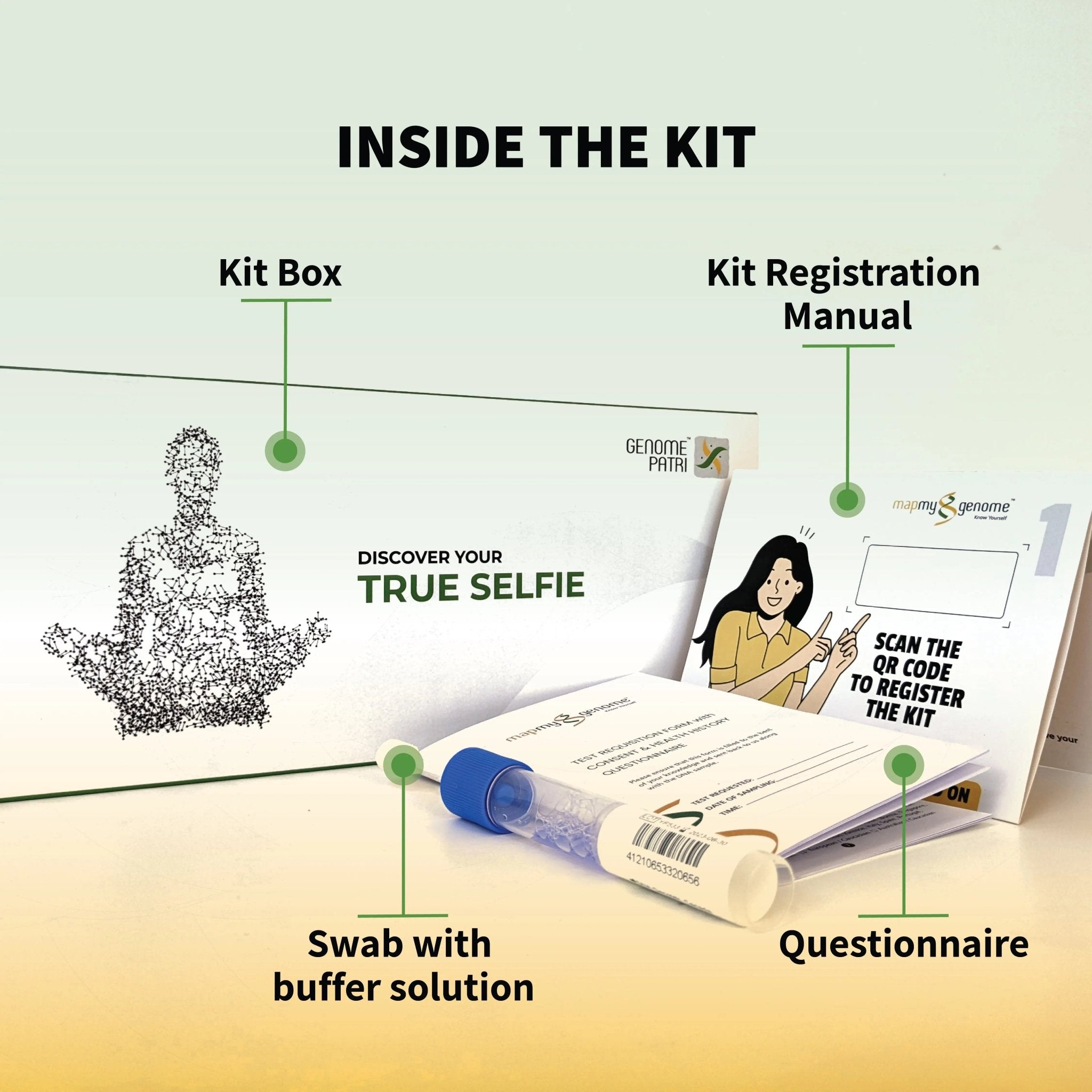
मैपमाईजीनोम द्वारा जीनोमपत्री व्यापक आनुवंशिक अंतर्दृष्टि को चिकित्सकीय रूप से समीक्षा की गई रिपोर्टों, NABL- और CAP-मान्यता प्राप्त प्रयोगशालाओं में किए गए परीक्षणों और एक प्रमाणित आनुवंशिक परामर्श सत्र के साथ जोड़ती है।
कच्चे आनुवंशिक डेटा के बजाय जिसे व्याख्या करना मुश्किल है, आपको व्यक्तिगत अंतर्दृष्टि प्राप्त होगी जो आपको अपने स्वास्थ्य, कल्याण, पोषण, फिटनेस और विरासत में मिली प्रवृत्तियों को बेहतर ढंग से समझने में मदद करने के लिए डिज़ाइन की गई है।
चाहे आप यह जानना चाहते हों कि आपका शरीर तनाव, पोषण, व्यायाम या दवाओं पर कैसे प्रतिक्रिया करता है, जीनोमपत्री आपको ऐसी जानकारी प्रदान करती है जो सूचित, सक्रिय स्वास्थ्य निर्णयों का समर्थन करती है।
भारत का सबसे विश्वसनीय डीएनए वेलनेस टेस्ट — 2013 से चिकित्सकीय रूप से मान्य
मैपमाईजीनोम द्वारा जीनोमपत्री NABL- और CAP-मान्यता प्राप्त प्रयोगशालाओं, चिकित्सकीय रूप से समीक्षा की गई रिपोर्टों और एक प्रमाणित आनुवंशिक परामर्श सत्र पर आधारित है — ताकि आपको ऐसे उत्तर मिलें जिन पर आप वास्तव में कार्य कर सकते हैं, न कि कच्चा डेटा जिसे आपको अकेले व्याख्या करने के लिए छोड़ दिया जाता है। 143 समीक्षाओं से 4.97/5 की रेटिंग।